Zillow Reveals Why Home Prices Remain Out of Reach for Many Buyers
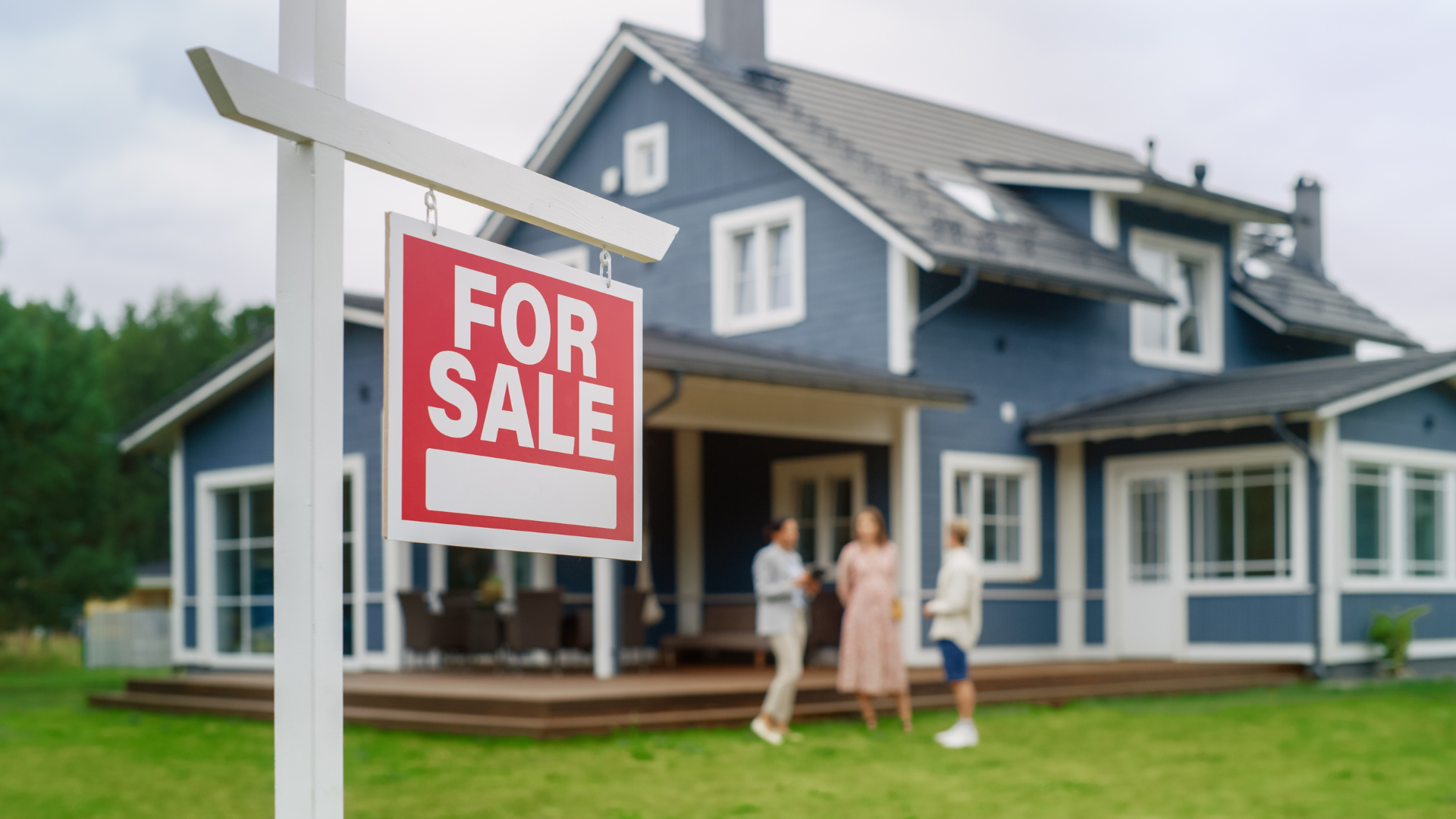

Home affordability remains a major challenge for millions of Americans, and Zillow says there is a bigger problem behind today’s expensive housing market: the country does not have enough homes. Zillow estimates the U.S. has a housing shortage of about 4.7 million homes, creating a supply-and-demand imbalance that keeps prices elevated even when mortgage rates or other buying costs change.
America Is Short About 4.7 Million Homes
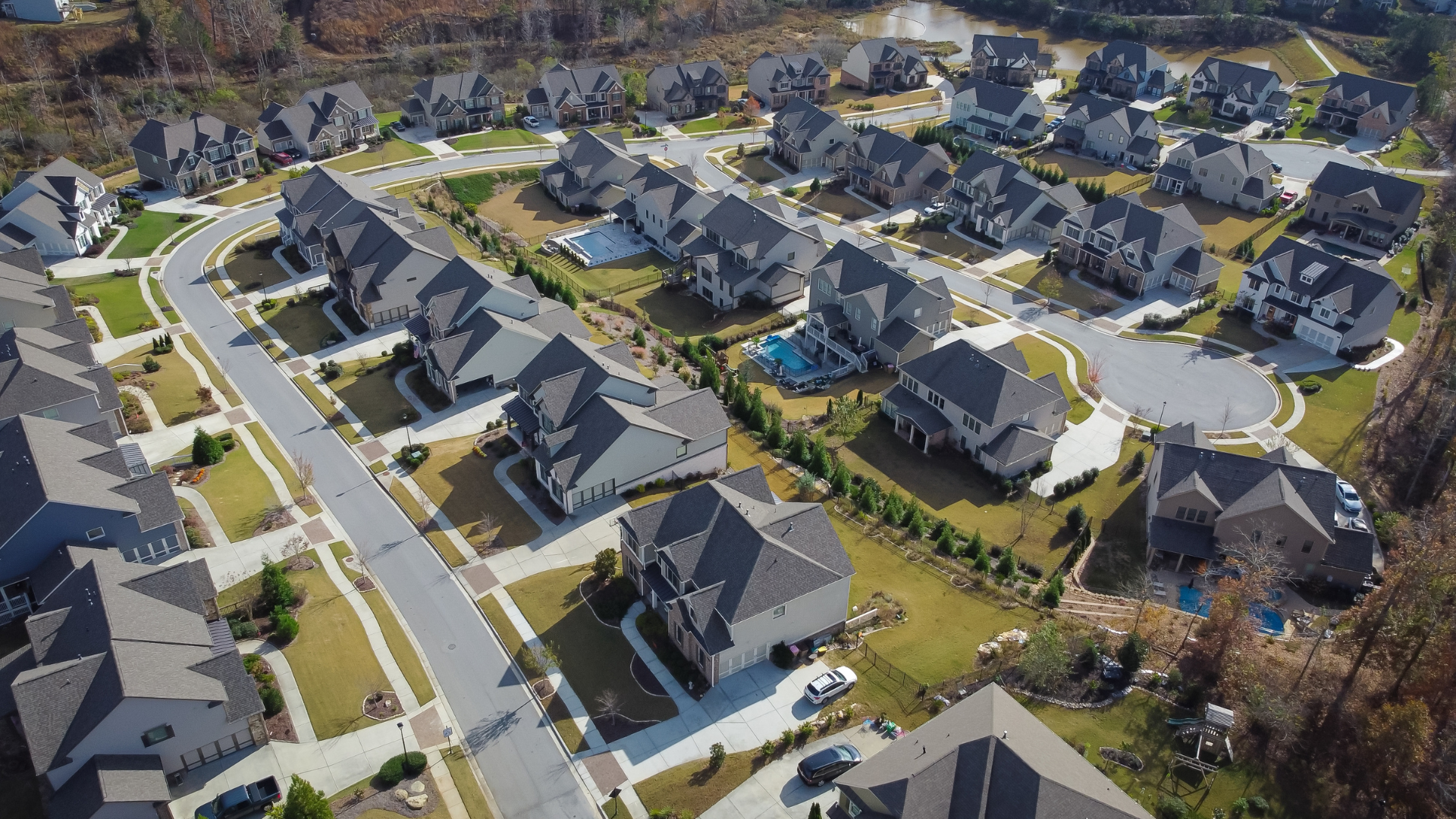
Zillow’s analysis estimates that the United States needs roughly 4.7 million additional homes to close its housing deficit. The shortage has built up over years as construction failed to keep pace with demand, particularly in areas where population growth and job opportunities have attracted more residents. Zillow says increasing the supply of homes is one of the most important long-term ways to improve affordability.
Home Prices Have Climbed About 30% in Five Years
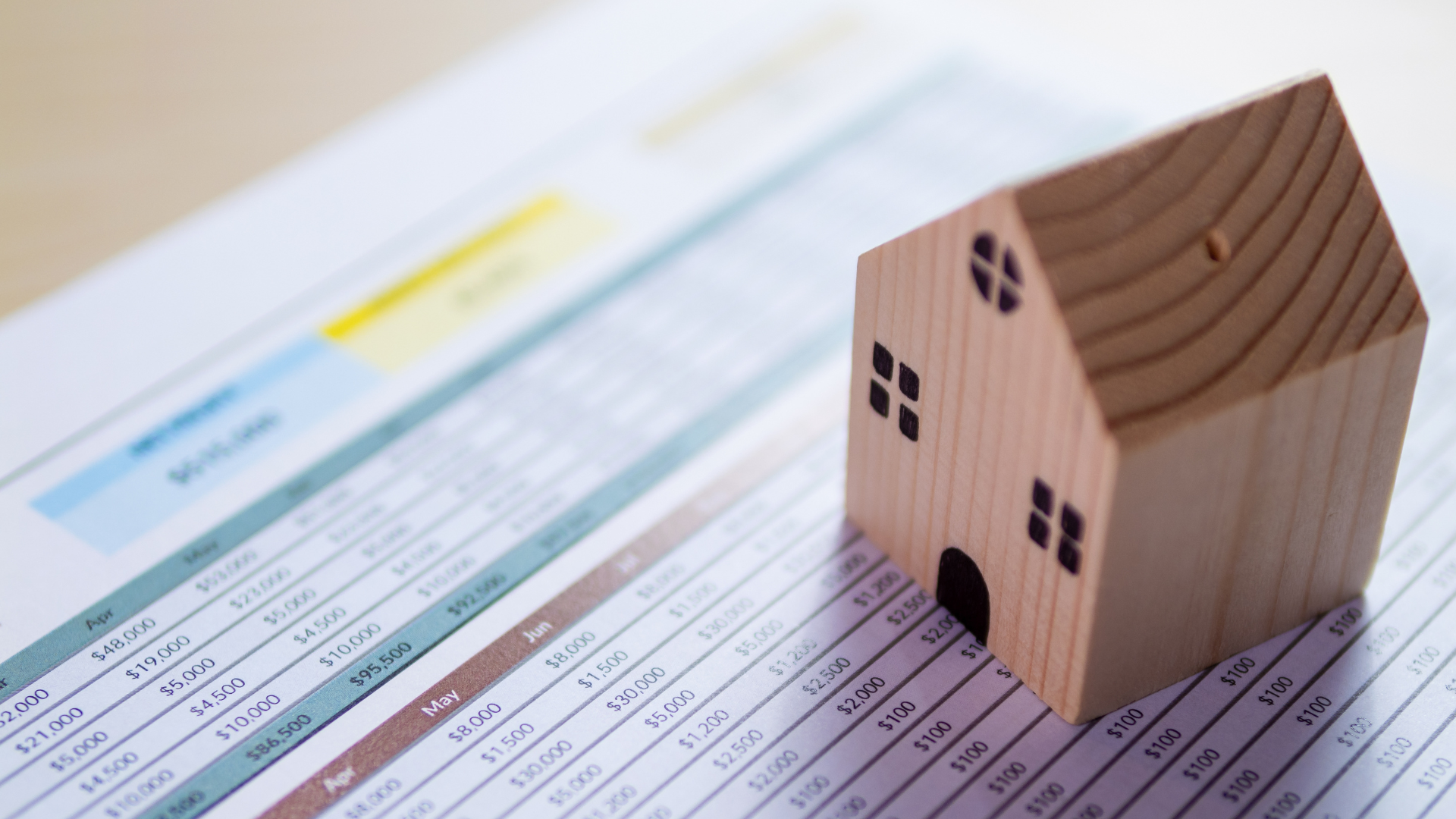
The affordability problem becomes clearer when looking at how much home values have risen. Home prices have increased roughly 30% over the past five years, leaving many households struggling to keep up even as wages have grown. For buyers without substantial savings or equity from a previous home, the combination of higher prices and financing costs can make entering the market particularly difficult.
Mortgage Rates Are Still Part of the Problem

Mortgage rates can dramatically change what a household can afford, but Zillow argues that lowering rates alone cannot solve the housing crisis. In May 2026, mortgage rates rose above 6.5%, contributing to weaker sales and slower growth in new listings. By June, however, lower rates helped push the typical mortgage payment 2.5% below its year-earlier level, showing how quickly financing costs can affect buyers’ purchasing power.
Affordability Improved, but Many Buyers Are Still Shut Out
There has been some progress. Zillow reported that the share of homebuying-age renters able to afford a typical home stopped declining after nearly two years of steep deterioration, marking the first stabilization since 2021. Even so, the company noted that many would-be buyers continue to face barriers beyond the monthly mortgage payment, including the down payment and other costs associated with purchasing a home.
Only About One-Third of Homes Were Affordable to Typical Buyers

The affordability gap is reflected in Zillow’s numbers. The share of for-sale listings affordable to a median-income household fell from an average of about 54% in 2021 to roughly 33% in 2023 as home values and mortgage rates surged. Zillow’s July 2026 analysis showed the situation improving, but affordability remained far below where it stood before the housing crisis intensified.
Expensive Cities Face the Biggest Housing Shortages

The shortage is particularly severe in some of America’s most expensive housing markets. Zillow identified New York, Los Angeles, Boston, San Francisco and Washington, D.C., among the markets with the largest deficits, while affordability remains especially difficult in expensive coastal areas. In some markets, Zillow has previously found that even extremely low mortgage rates would not fully solve the affordability problem because home prices and other ownership costs are simply too high.
Building More Homes Could Be the Bigger Solution
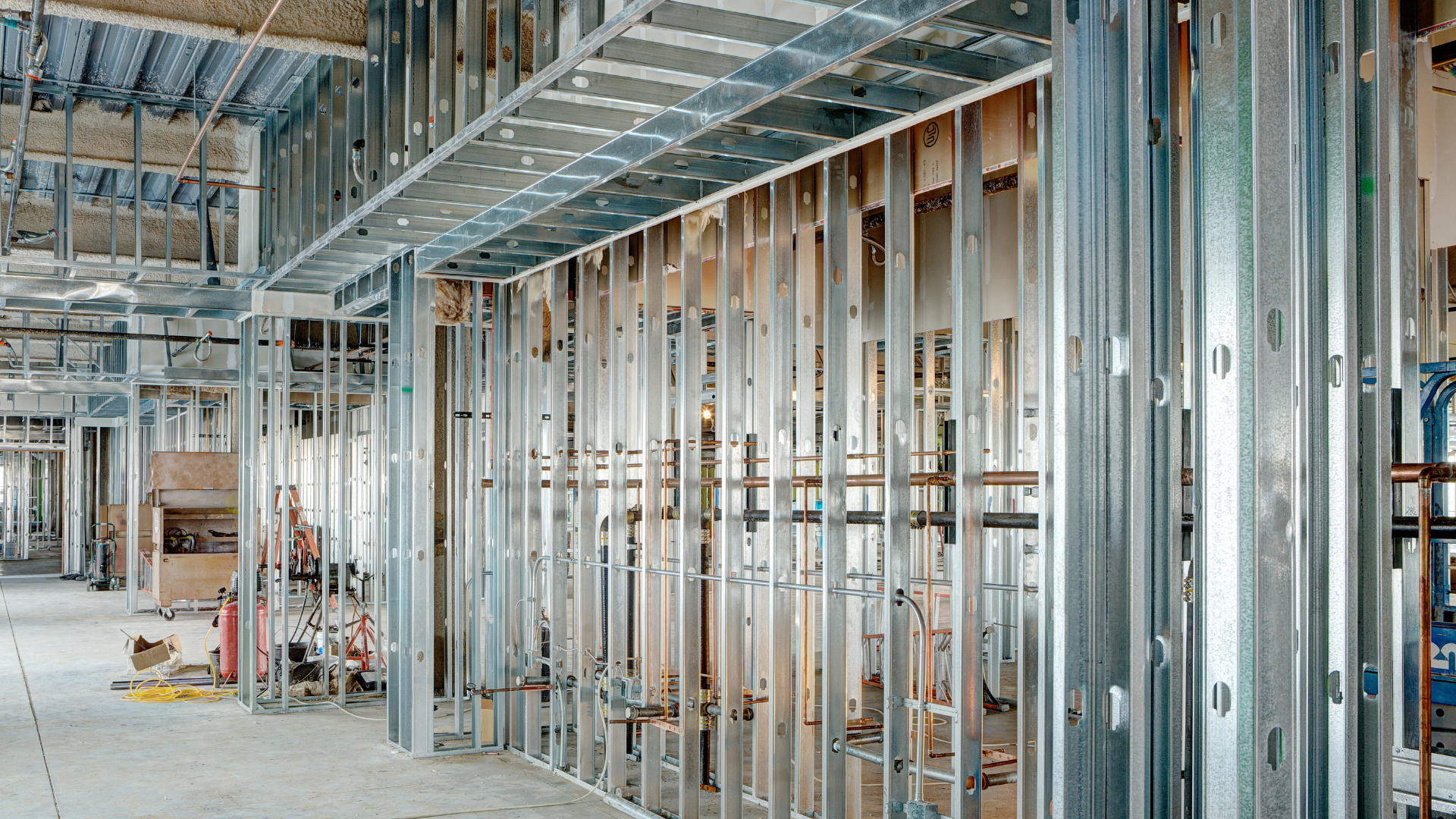
Zillow argues that increasing housing construction is essential to bringing prices closer to what households can afford. The company points to restrictive zoning and regulations that can make it harder or more expensive to build, while noting that areas where construction increased substantially have generally seen better improvements in affordability. The goal is not simply to lower mortgage rates, but to create enough homes to bring supply and demand into better balance.
Buyers Are Getting More Options in Some Markets

There are signs that conditions are becoming somewhat more favorable for buyers in parts of the country. Zillow reported that inventory had increased year over year for 30 consecutive months by May 2026, although the pace of growth was slowing, while June data showed more sales and new listings alongside lower typical mortgage costs. That gives buyers more choices in some markets, but additional inventory has not yet eliminated the underlying affordability problem.
Lower Rates Alone Will Not Make Homes Affordable

Zillow’s research points to a problem that goes deeper than mortgage rates: America needs substantially more housing. The estimated 4.7 million-home shortage has helped keep prices elevated, while expensive markets face especially severe supply constraints. For buyers, lower mortgage rates and slower home-price growth can provide some relief, but a lasting improvement in affordability will likely depend on building more homes and making it easier for new housing to reach the market.