Your Garden Needs Different Attention This October Depending on Where You Live. Here’s What to Do
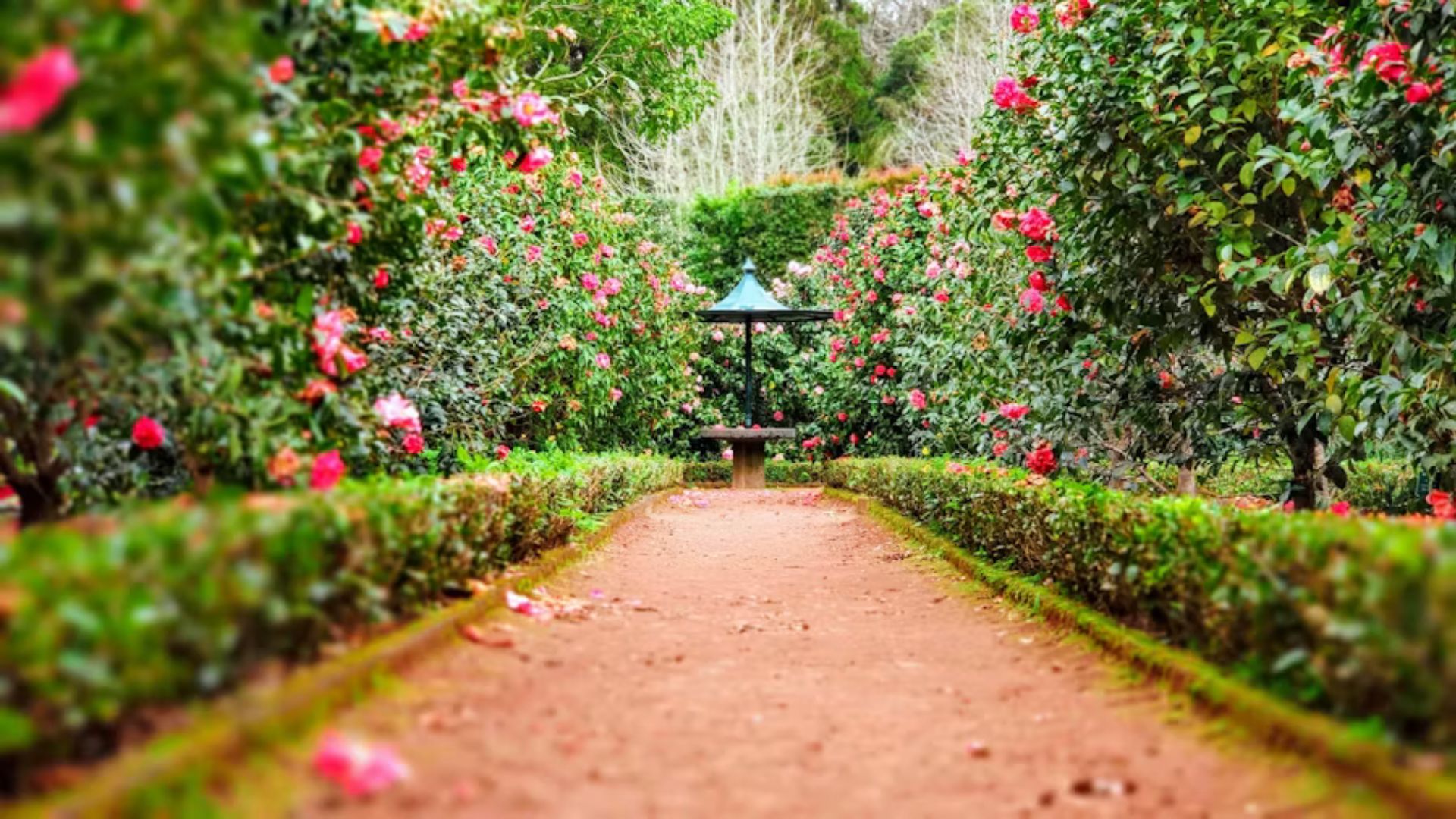

October may signal the end of gardening season for some Americans, but for others, it’s the perfect time to get growing again. Depending on where you live, your plants could be facing their first serious frost or enjoying cooler conditions after a hot summer. According to Better Homes & Gardens, these regional differences make October gardening especially important. So which tasks should take priority in your yard, and what could you be overlooking?
Northern Gardens Need to Beat the First Hard Frost
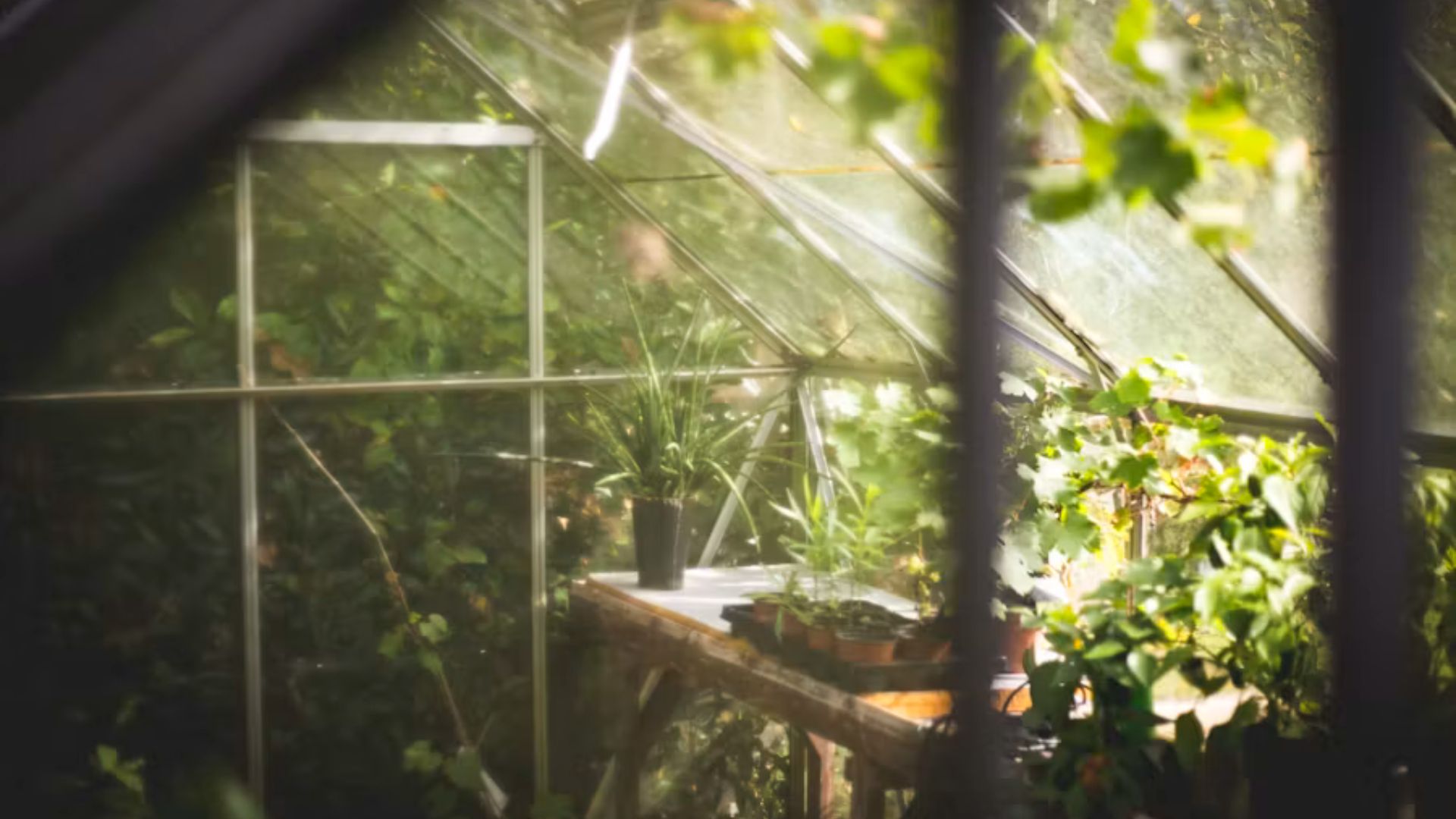
In northern states such as Minnesota, Maine, and Michigan, October brings an urgent need to protect the remaining harvest. Pumpkins and winter squash should be collected before a hard frost, since temperatures in the low 20s can damage the fruit. Potted herbs intended for overwintering should also move indoors, although rosemary, sage, and chives can withstand a light freeze. But once the vegetables are safely gathered, what other garden jobs need attention?
Northern Gardeners Have More to Protect Than Vegetables
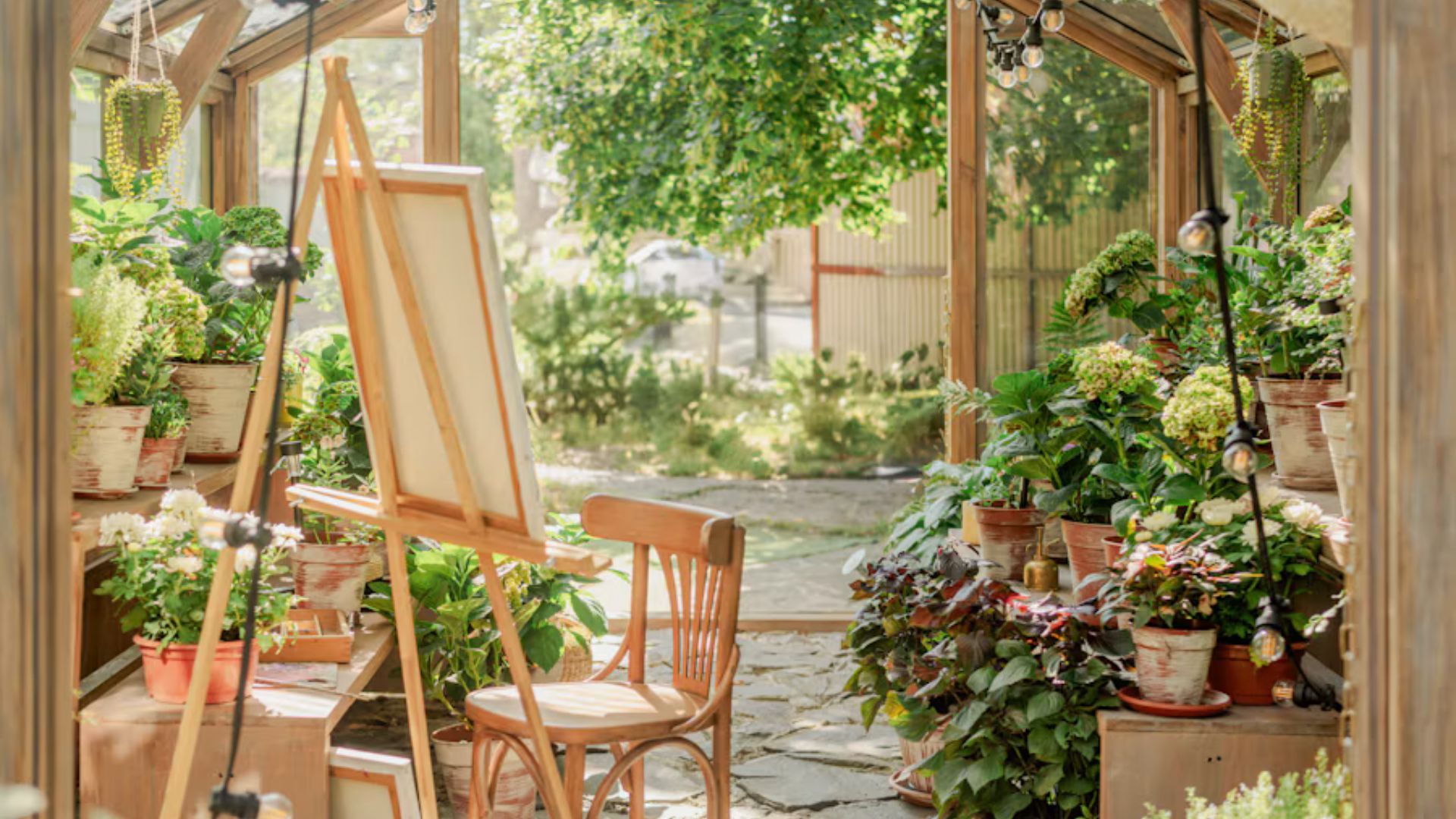
Preparing northern gardens for winter also means looking after flowers, perennials, and equipment. Tender plants such as dahlias, gladiolas, and cannas should be dug up and stored, while mulch can help protect perennial roots from cold temperatures. Remove diseased plant debris, but leave some healthy material for beneficial insects and seed-bearing stems for winter birds. Garden hoses should also be drained and stored. But what happens in regions where frost is less predictable?
Middle States Need to Stay One Step Ahead of the Weather
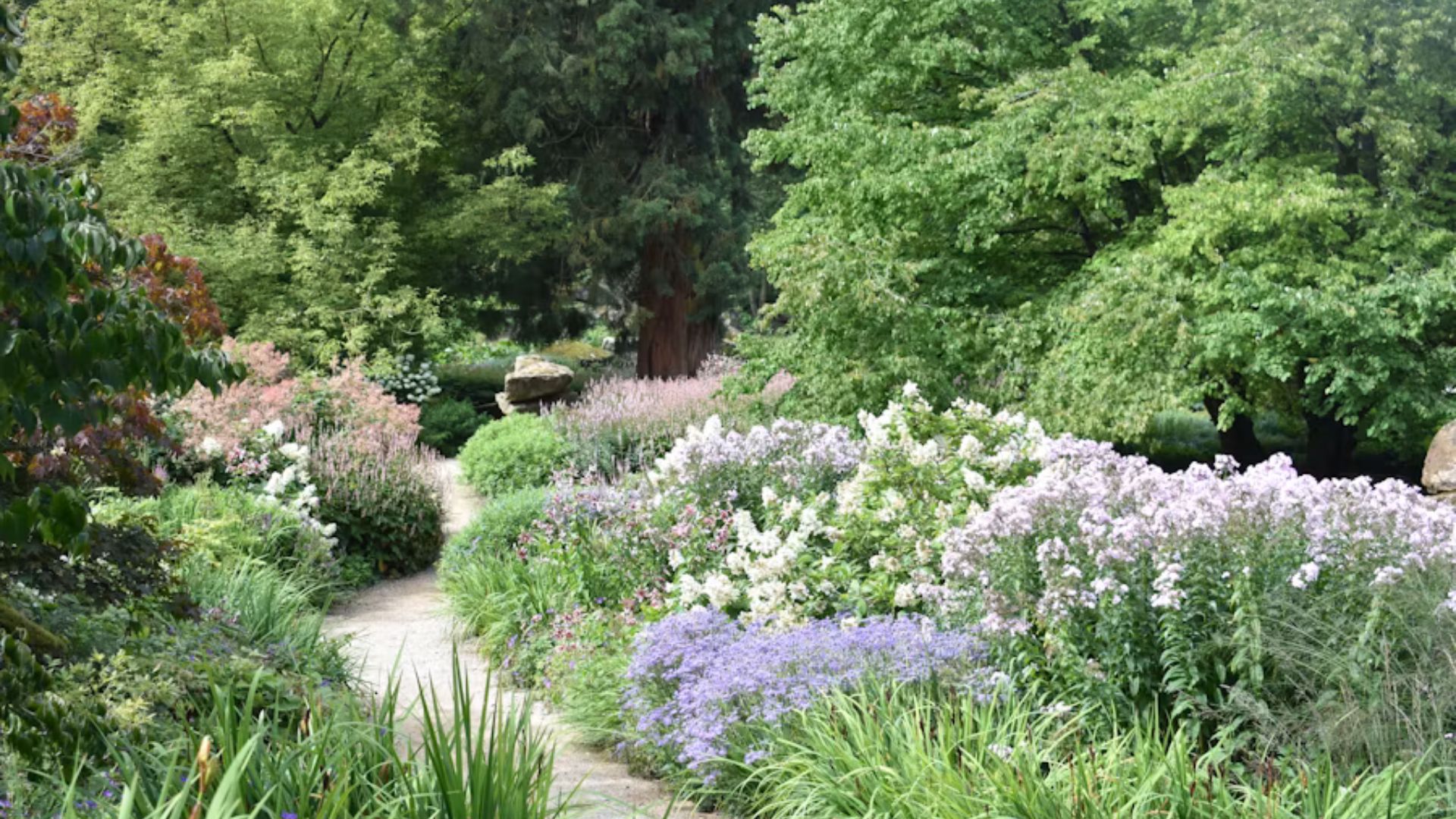
In states such as Kansas, Virginia, and Missouri, October can bring an early frost or several more weeks of pleasant gardening weather. That makes checking the forecast particularly important before deciding what to harvest or protect. Gardeners should gather ripe or nearly ripe tomatoes, peppers, melons, and summer squash before freezing temperatures arrive. Frost cloths should also be ready for colder nights. But what can still be planted while conditions remain favorable?
Middle States Can Still Prepare for Spring Color
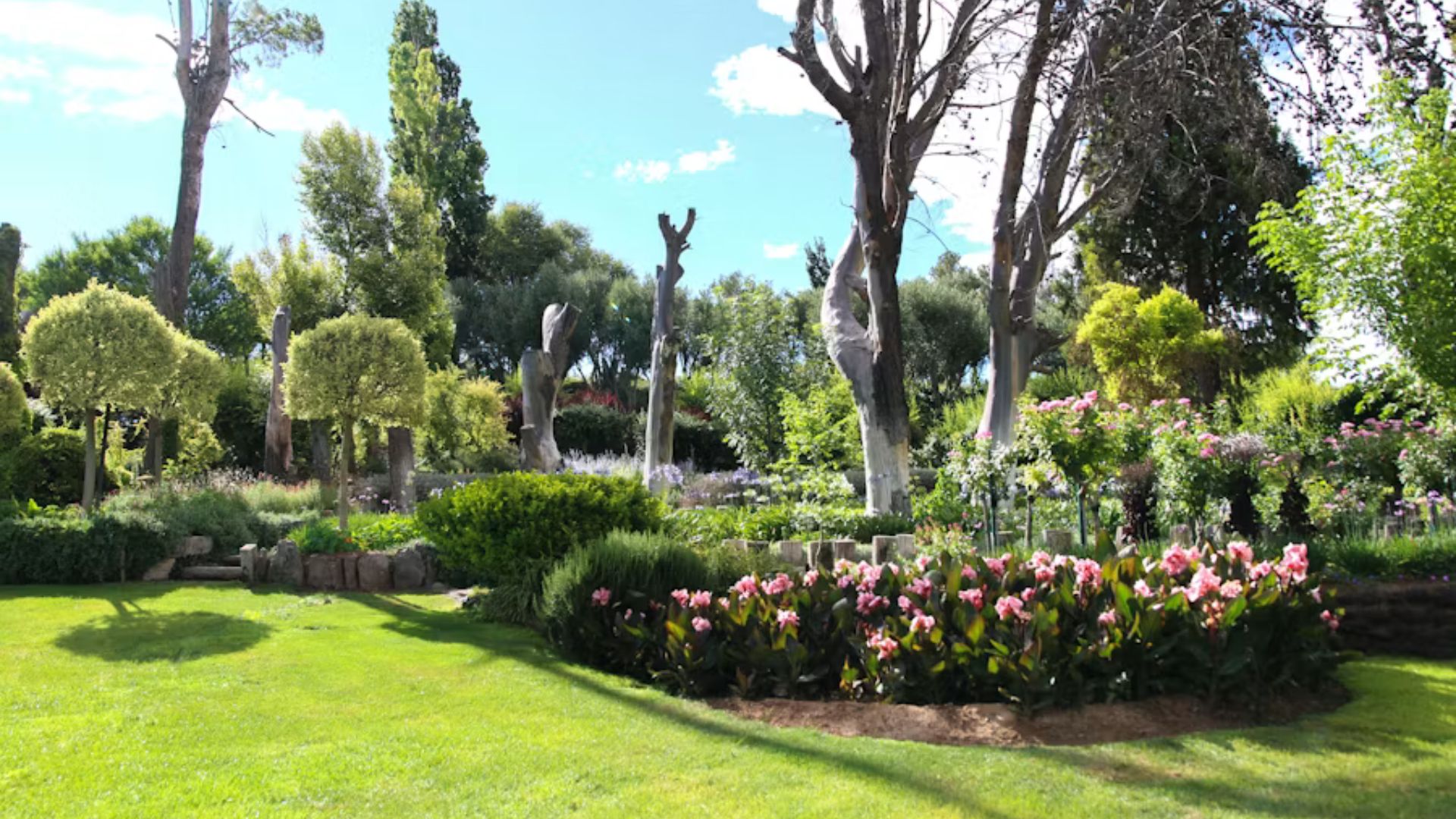
October offers gardeners in the middle states an opportunity to prepare flower beds for the coming spring. Daffodils, tulips, snowdrops, and other spring-blooming bulbs can go into the ground, along with peony roots. Young trees and shrubs may need protection from deer and rabbits, while native perennials can provide winter habitat for insects and birds. Potted chrysanthemums can also be sheltered on cold nights. But farther south, the gardening calendar tells a different story.
Southern Gardens Are Just Getting Started
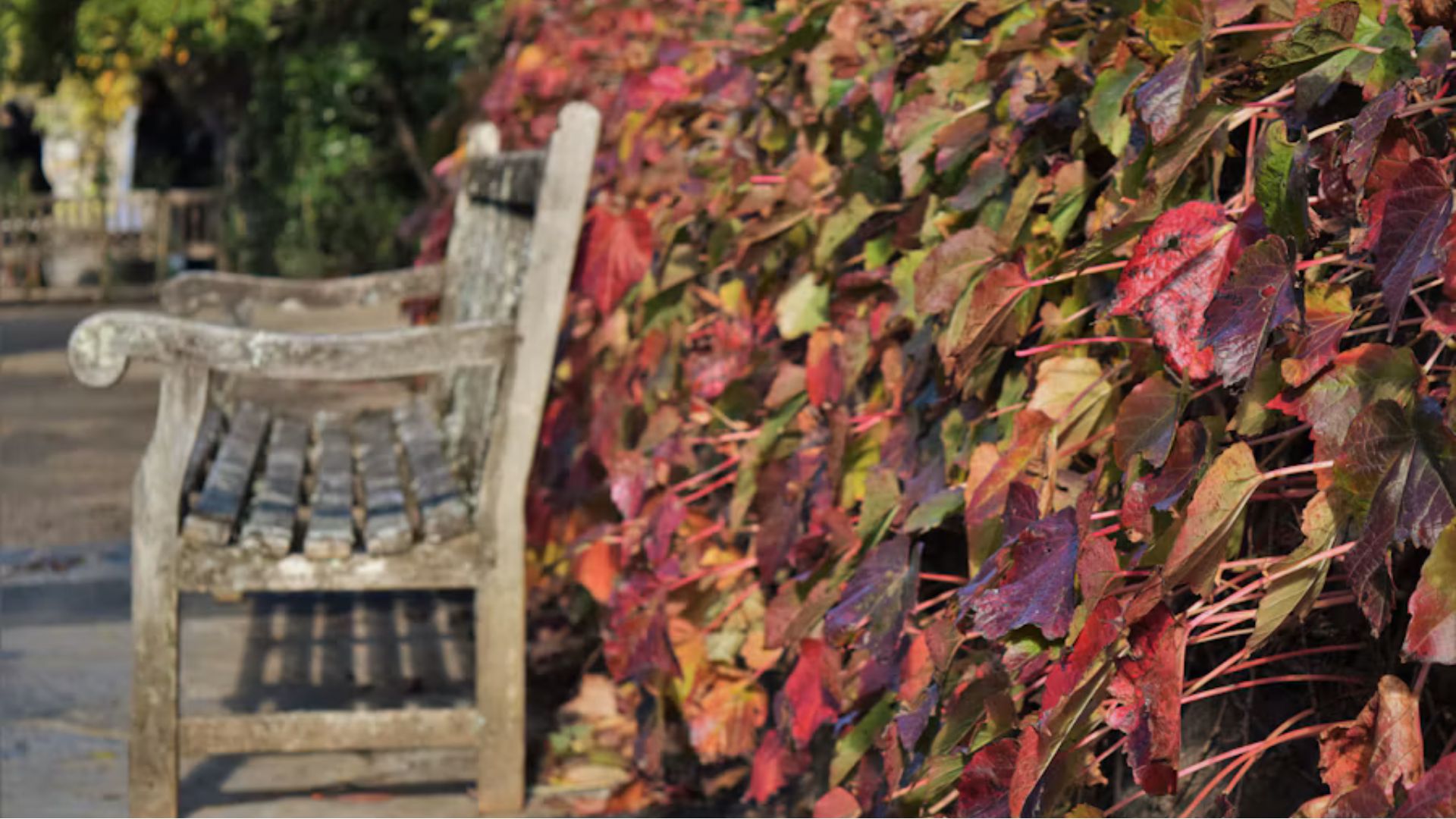
While northern gardeners prepare for winter, October can bring renewed growing opportunities across southern states such as Texas, Georgia, and Florida. Cooler weather makes it possible to keep planting collards, kale, lettuce, mustard greens, and other fall vegetables. Some gardens may still produce tomatoes alongside peas and leafy crops, extending the harvest season. Empty beds can also receive cover crops to suppress weeds and improve soil health. But vegetables aren’t the only plants benefiting from October’s conditions.
Southern Flower Beds Can Keep Blooming Into Winter
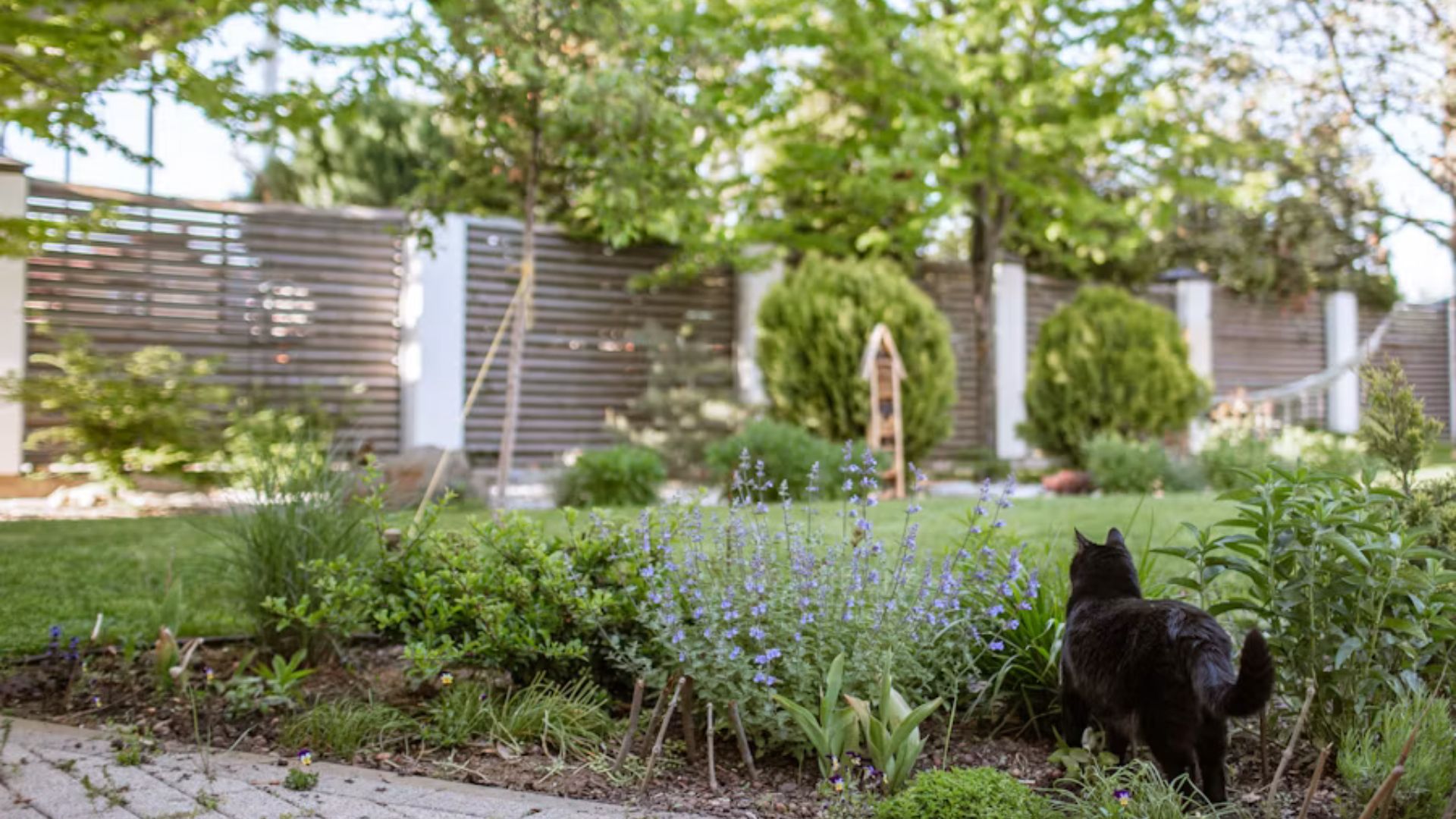
Southern gardeners can use October to refresh their flower beds with plants suited to cooler weather. Pansies, calendula, snapdragons, and decorative kale are among the recommended choices, with some flowers continuing to bloom throughout winter. This is also a suitable time to divide perennials or plant shrubs and ornamental trees. Better Homes & Gardens notes that well-tended southern gardens may even provide fresh flowers around Thanksgiving. But what maintenance tasks deserve attention beyond planting?
Southern Gardeners Shouldn’t Overlook Soil and Seeds
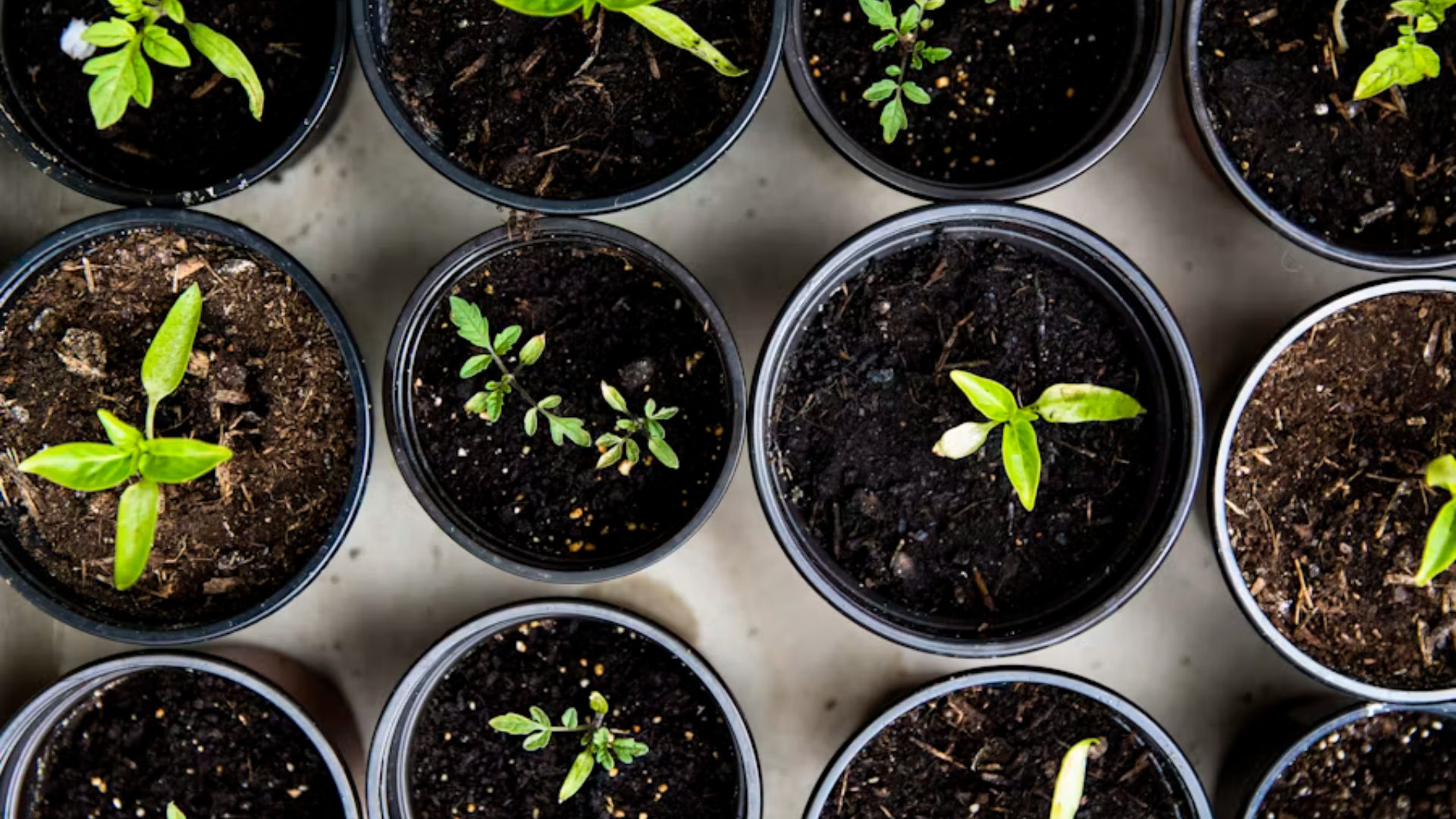
October gardening in the South also involves preparing for future growth. Watering and turning compost piles helps maintain them, while replacing mulch where it has broken down refreshes garden beds. Gardeners can create pollinator patches by clearing weeds and scattering native wildflower seeds that may emerge in spring. It’s also a good time to collect seeds from existing plants, label them, and store them somewhere cool and dry. But are there useful October chores shared across regions?
Some October Tasks Are Useful in More Than One Region

Although the timing varies, October offers gardeners across different regions opportunities to prepare for the months ahead. In northern gardens, shredded fallen leaves make useful mulch or compost material, while middle-state gardeners can gather leaves, pine straw, and other materials for later use. Southern gardeners can replenish mulch and maintain compost piles. These tasks share a practical goal, even when local conditions differ. So how should homeowners decide which jobs matter most?
The Best October Checklist Starts With Your Local Weather
A successful October garden isn’t about completing the same chores as everyone else. It’s about recognizing what your plants need as temperatures and growing conditions change. Northern gardeners may need to act quickly before a hard frost, while those in the middle states should remain flexible as forecasts shift. In the South, cooler weather opens opportunities for planting and maintenance. The most useful takeaway is simple: follow your local conditions, prioritize timely tasks, and prepare your garden for the season ahead.