Your Child’s School Bus Could Soon Become a ‘Lawless’ Surveillance Tool
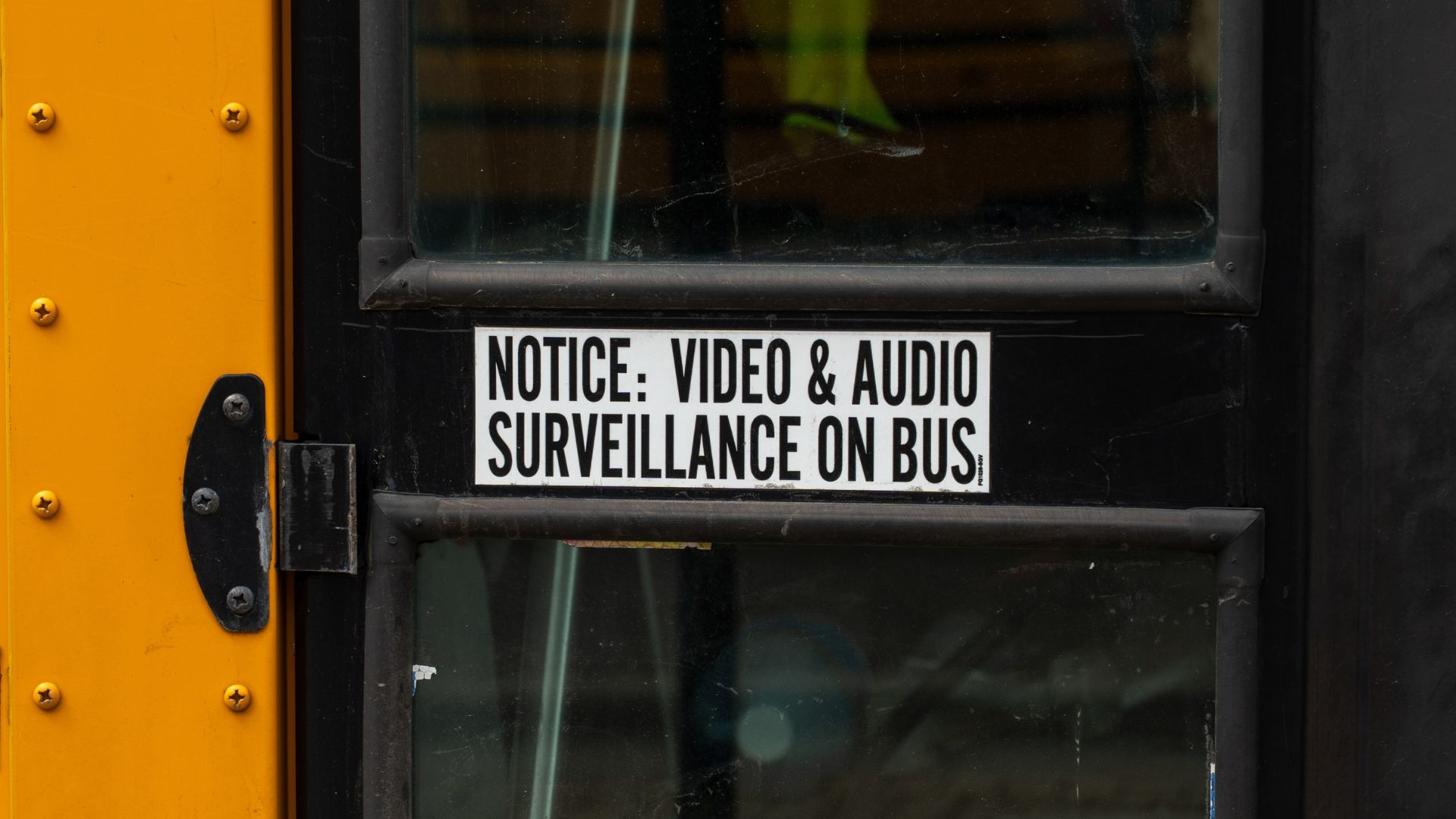

There’s a company with AI cameras installed on more than 40,000 school buses across 24 states. It’s been quietly monitoring over two million students, and most parents have no idea it exists. The cameras were sold to school districts as a traffic safety tool. Now the company behind them is planning something much bigger, and privacy advocates say there may be no legal way to stop it.
BusPatrol’s Original Pitch: Catch Drivers Who Blow Past the Stop Sign
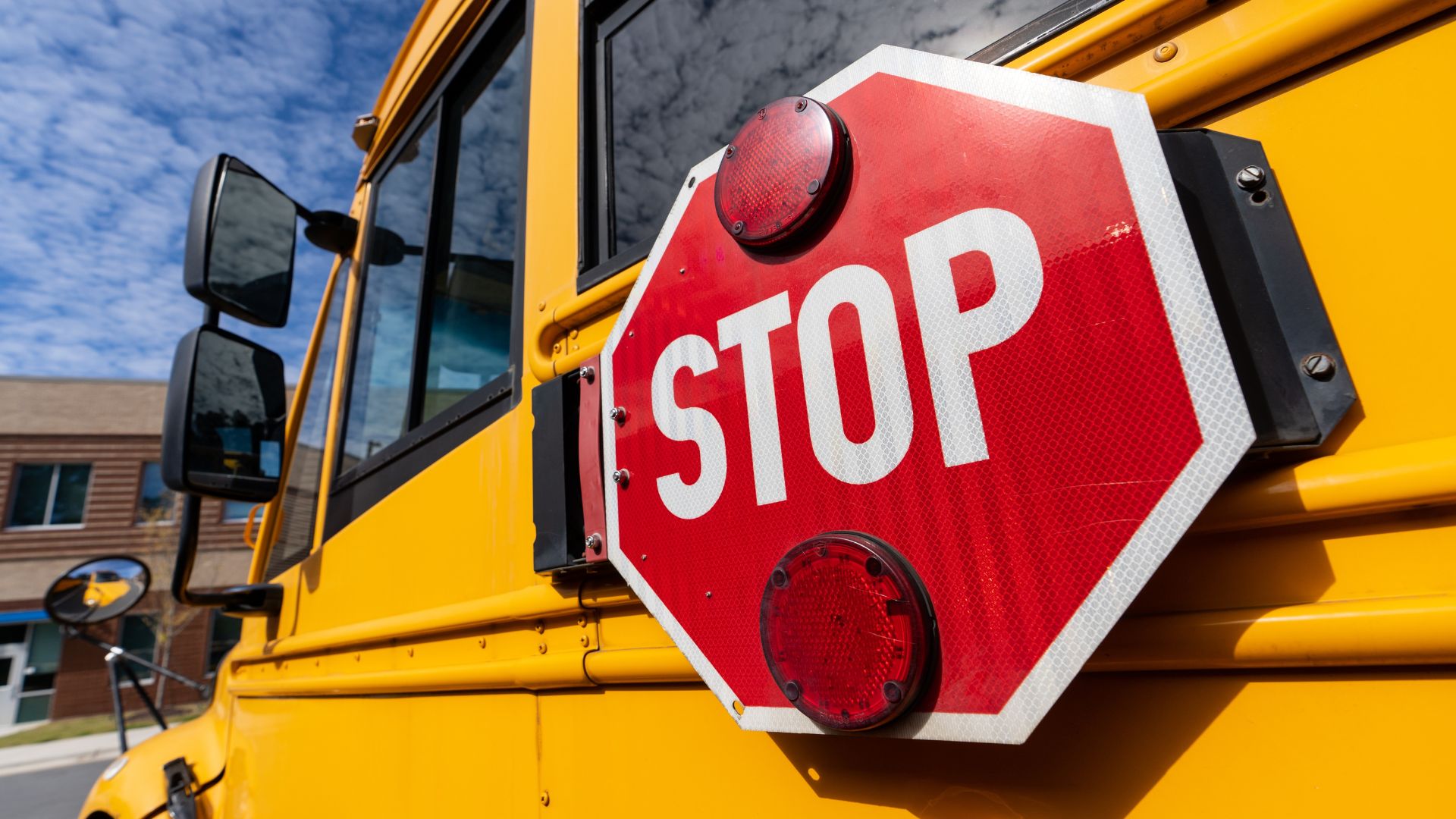
The company is called BusPatrol, and its founding premise was straightforward: when a school bus extends its stop arm so children can board or exit safely, some drivers ignore it. BusPatrol’s cameras record those violations, capture the license plate, and send the evidence to police, who issue a fine. It sounded like a genuine public safety win.
A Bloomberg Investigation Found the Safety Claim Doesn’t Hold Up
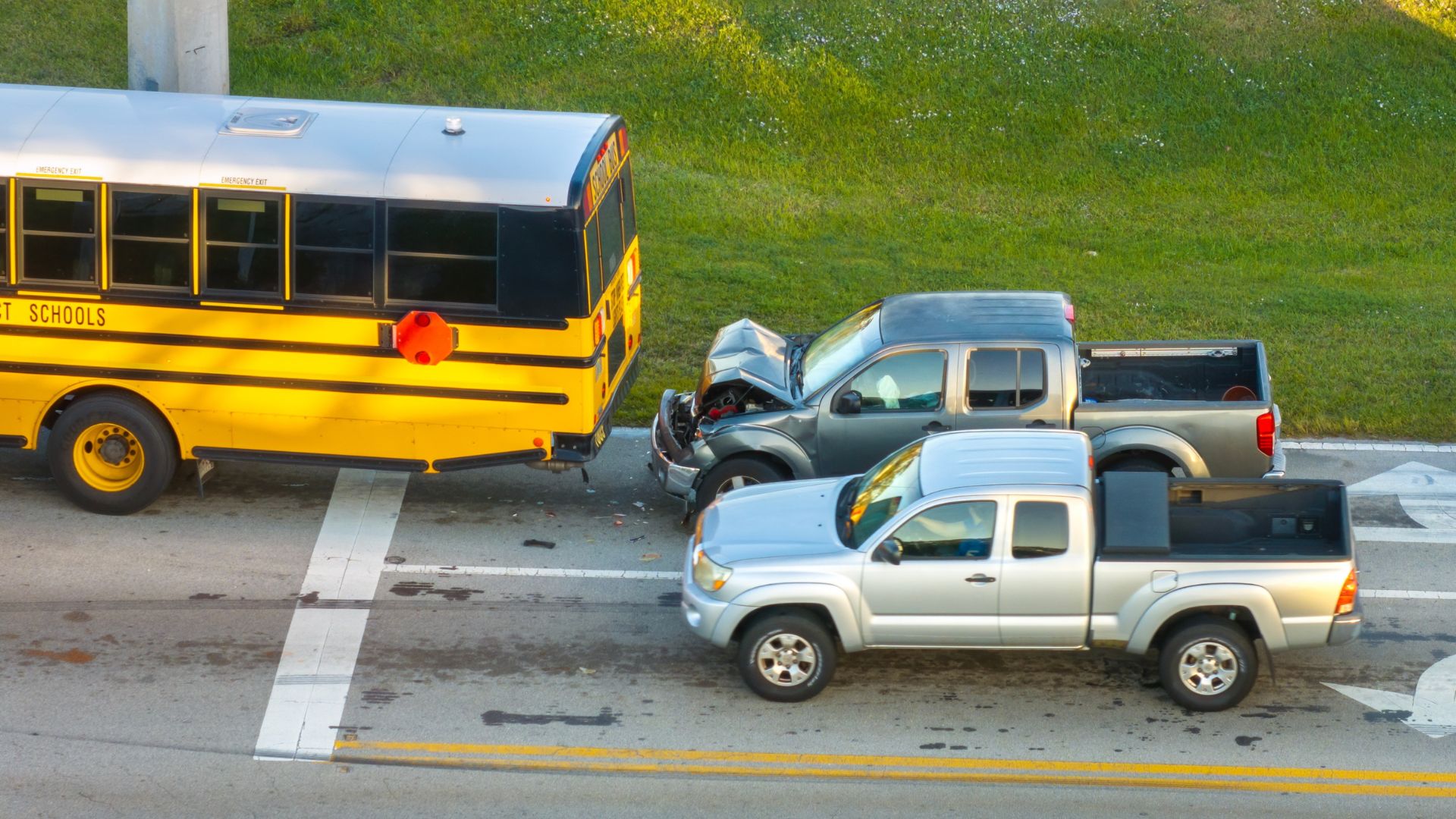
There’s a problem with the safety story. A Bloomberg investigation found no meaningful reduction in collisions near buses equipped with BusPatrol cameras. The enforcement mechanism generates revenue, but the core promise, that children are safer because of it, has not been demonstrated by the available data.
BusPatrol Is Now Expanding to Record Every Car That Passes a Bus

According to a 404 Media investigation, BusPatrol is planning to move well beyond stop-arm violations. The company intends to photograph every vehicle that passes one of its buses, log the license plate, and record the GPS coordinates at the moment the image is taken. The stop-arm framing was always front-facing. The camera never stopped rolling.
Police Could Access That Data Without a Warrant
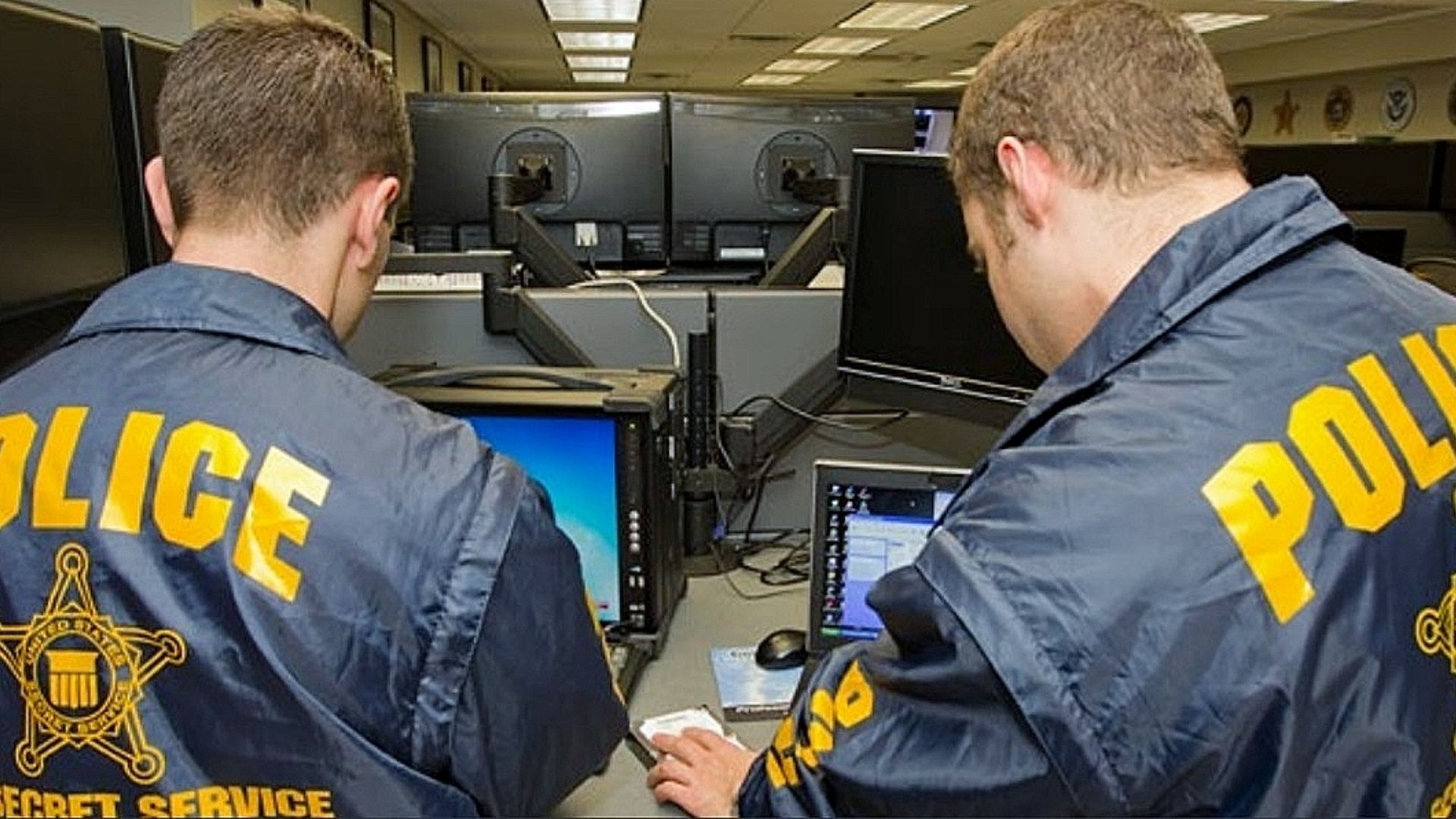
Per 404 Media, law enforcement would be able to access the plate and location data BusPatrol collects without obtaining a warrant. That turns a children’s transportation service into a lawless tool for warrantless tracking of ordinary drivers, and the legal architecture currently offers little resistance. Civil liberties groups have a name for systems like this.
Flock Safety Built the Playbook BusPatrol Is Now Following
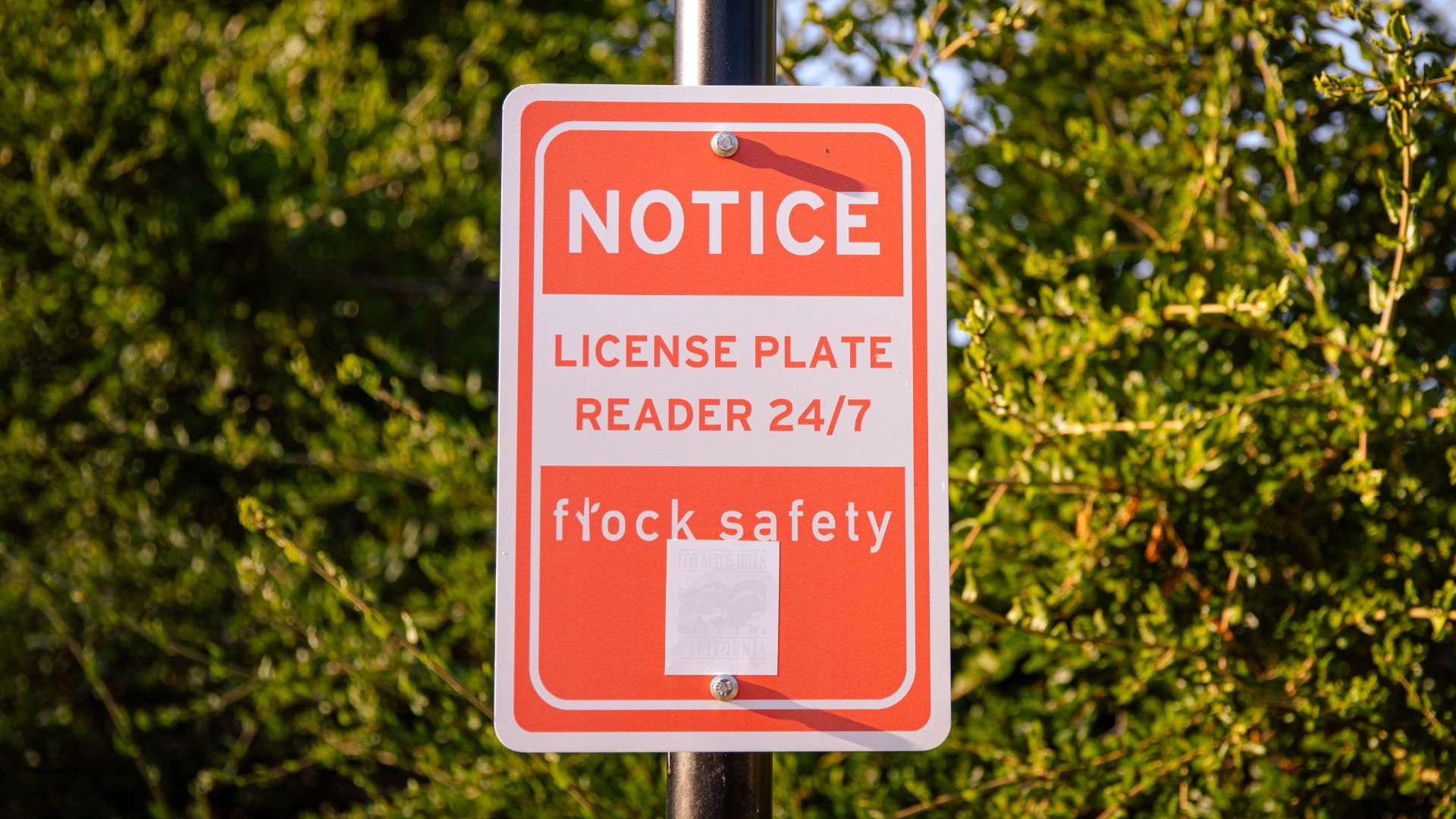
Flock Safety pioneered the AI-powered license plate reader market and became a cautionary tale in the process. Its cameras spread into cities and suburbs with promises of crime reduction, then became instruments of overreach. 404 Media documented Flock data being shared with Immigration and Customs Enforcement, feeding a national surveillance network that communities never voted to create.
In Texas, a Flock Camera Was Used to Track a Woman
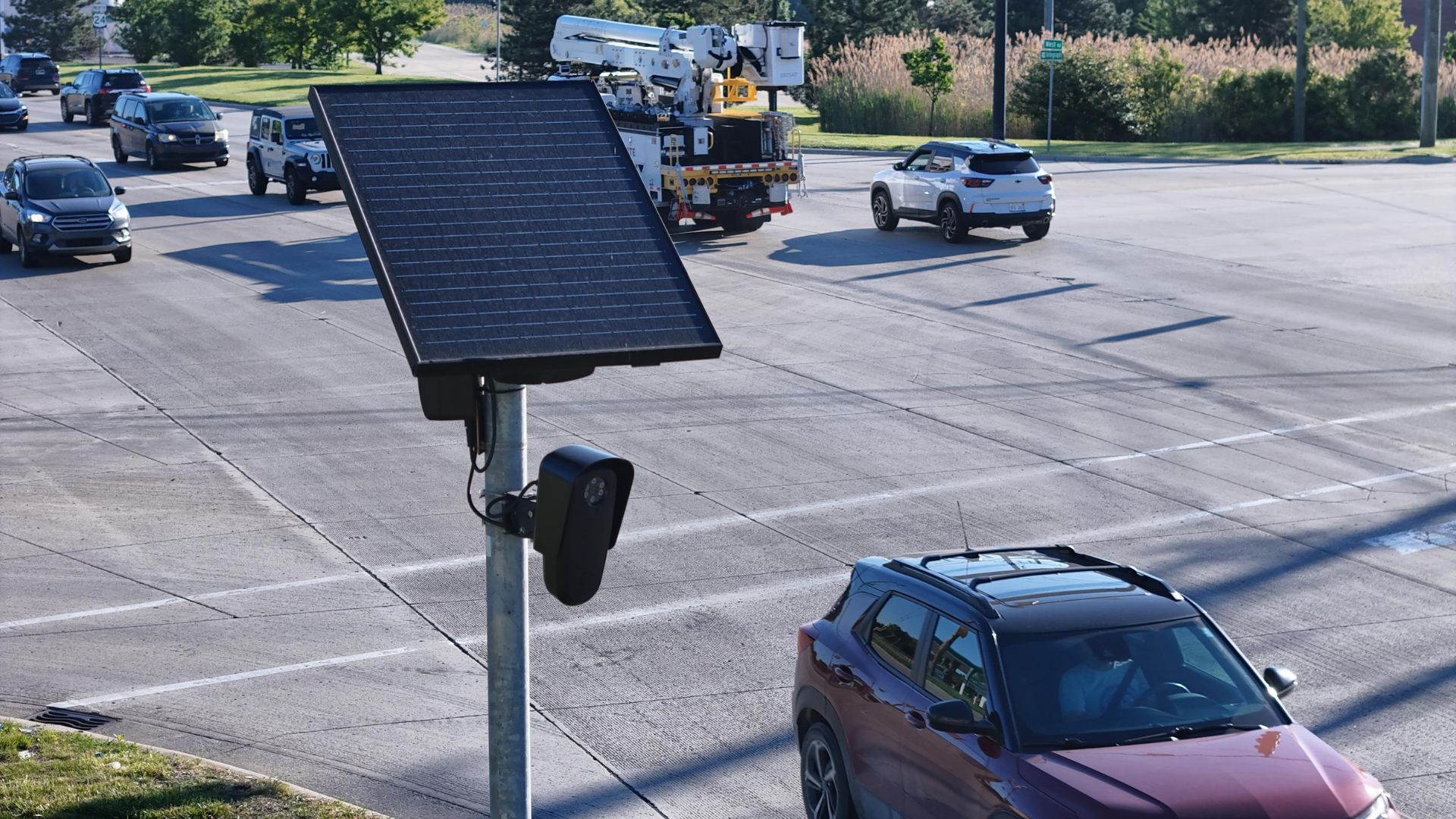
One case made the stakes concrete. According to the Electronic Frontier Foundation, a Texas sheriff’s office used Flock Safety plate data in an attempt to locate a woman who had obtained an abortion out of state. The search was initially described as a missing persons inquiry. The details that emerged told a different story entirely.
A Moving Bus Makes the Surveillance Problem Exponentially Worse

Flock cameras are fixed. BusPatrol’s are not. A school bus follows a route through neighborhoods twice a day, five days a week, building a constantly updated map of who drives where and when. A stationary camera covers one intersection. A fleet of 40,000 camera-equipped buses covers an entire country, street by street, block by block.
BusPatrol Is Testing the Expanded System on a Small Number of Buses Now
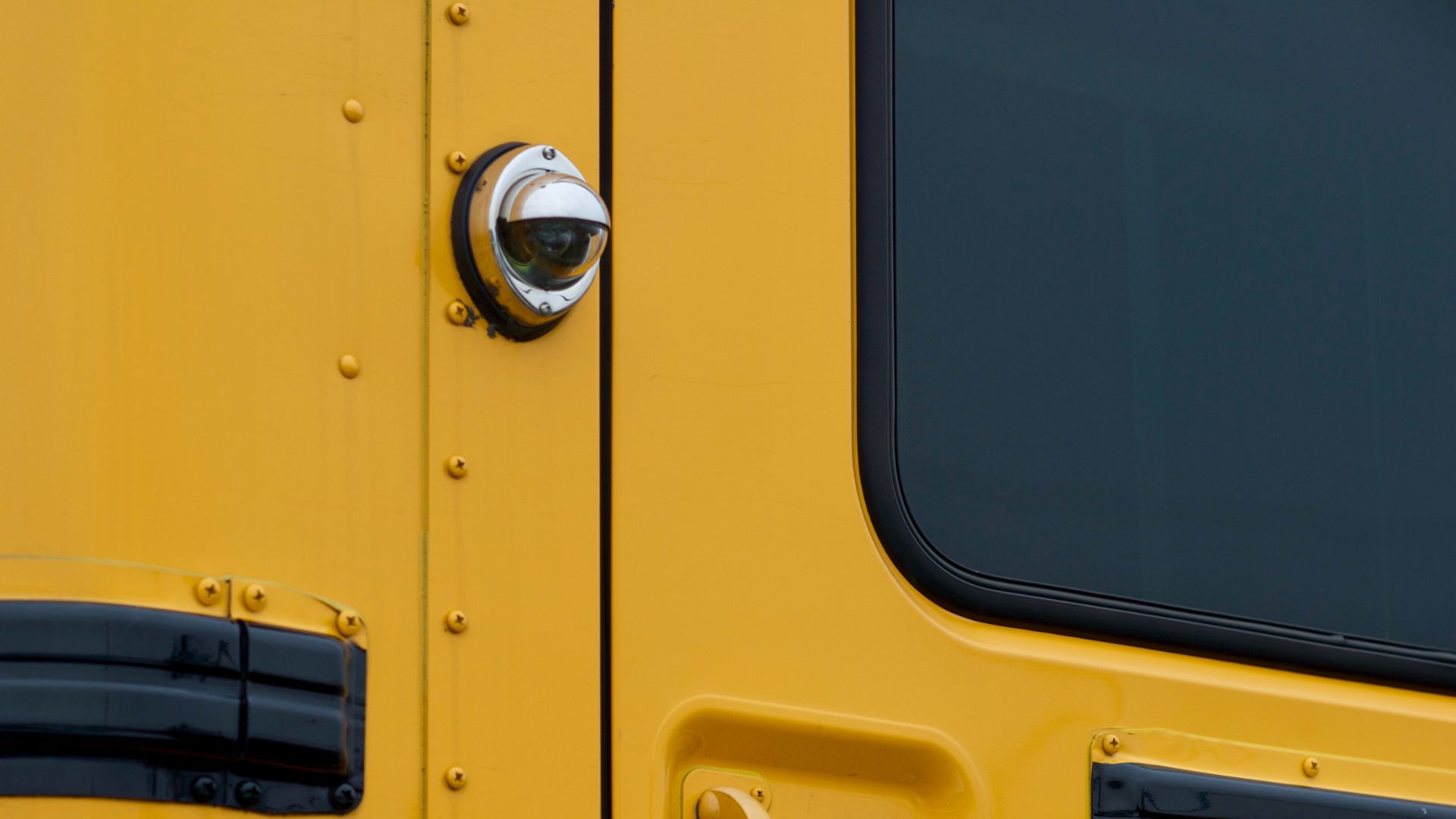
The rollout hasn’t gone nationwide yet. Per 404 Media, BusPatrol is currently piloting the broader surveillance capability on a limited number of buses while preparing for a wider launch. That testing phase is the window in which pushback has any leverage. Once the system scales to the full fleet, the infrastructure will already be embedded in school transportation contracts across two dozen states.
A Children’s Safety Tool With No Proven Safety Benefit Is Becoming a Surveillance Network
BusPatrol installed cameras on school buses by promising to protect kids. The evidence that it does that is thin. The evidence that it’s building a warrantless, mobile plate-scanning network accessible to law enforcement is documented and on the record. Forty thousand buses. Two million students. Every car in range, photographed, logged, and handed to police. The infrastructure is already in place.