Your AC Setting Could Be Driving Your Electric Bill Higher Than You Realize
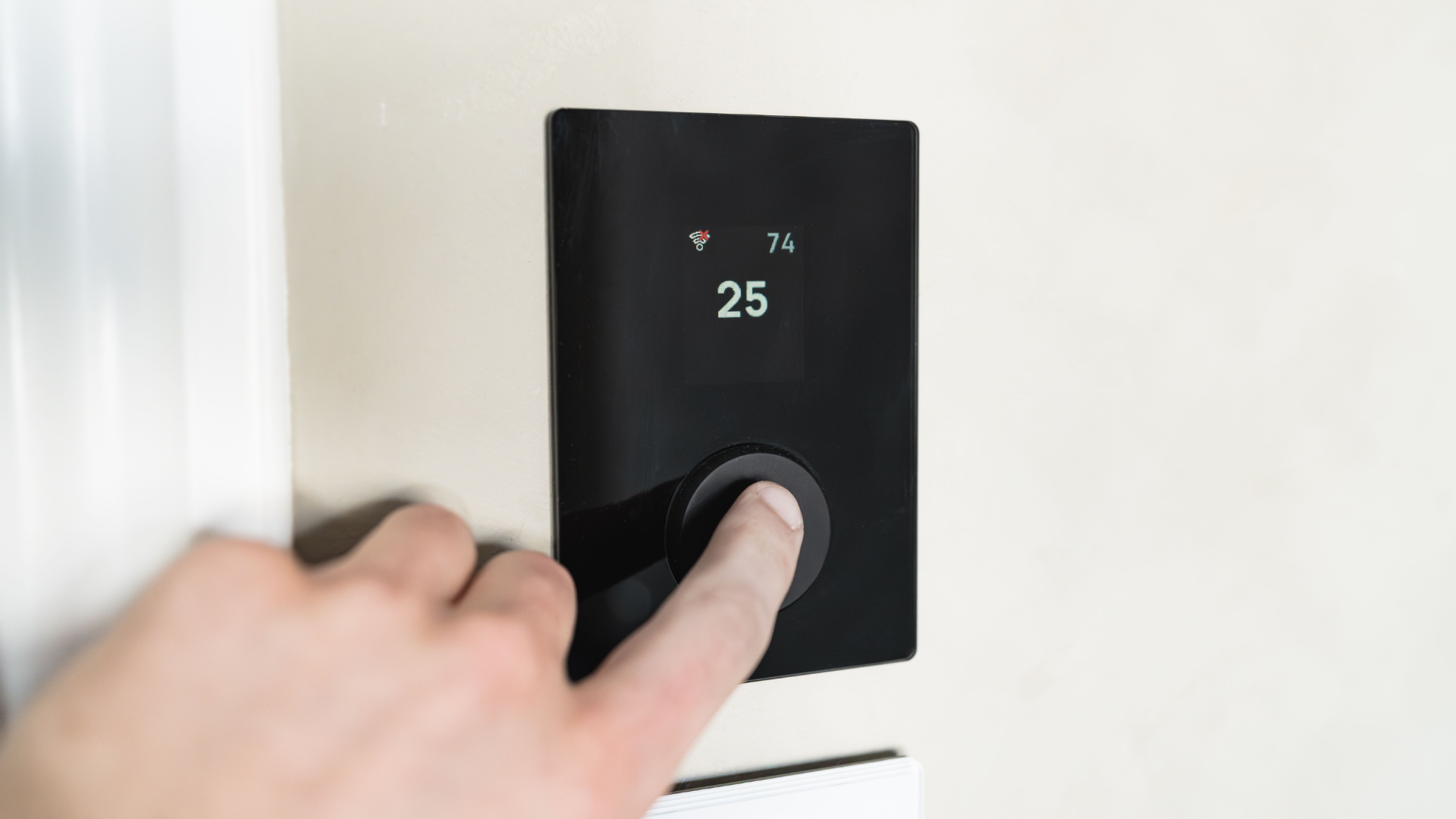

When summer temperatures soar, many people instinctively lower their thermostat to stay comfortable. But experts say your AC setting can have a bigger impact on your electricity bill than you might realize. While 78°F is often recommended as an energy-efficient indoor temperature when you’re home, many Americans prefer cooler settings. The lower you set your thermostat, the harder your air conditioner has to work, and the more energy it consumes.
Why 78°F Is Often Recommended

Energy experts commonly recommend setting your thermostat to 78°F when you’re home and awake because it strikes a balance between comfort and energy savings. Since your air conditioner has less heat to remove compared with lower settings, it runs less often and uses less electricity. However, experts also stress that 78°F isn’t the perfect temperature for everyone, especially older adults, infants, or people with certain health conditions.
Lower Temperatures Mean Higher Energy Costs

Every degree you lower your thermostat increases the amount of work your air conditioner must do. HVAC professionals note that even a 1-degree decrease can noticeably increase cooling costs over the course of a summer. If your system is constantly trying to maintain very low temperatures, your monthly utility bill may climb much faster than expected.
Turning the Thermostat Way Down Won’t Cool Your Home Faster
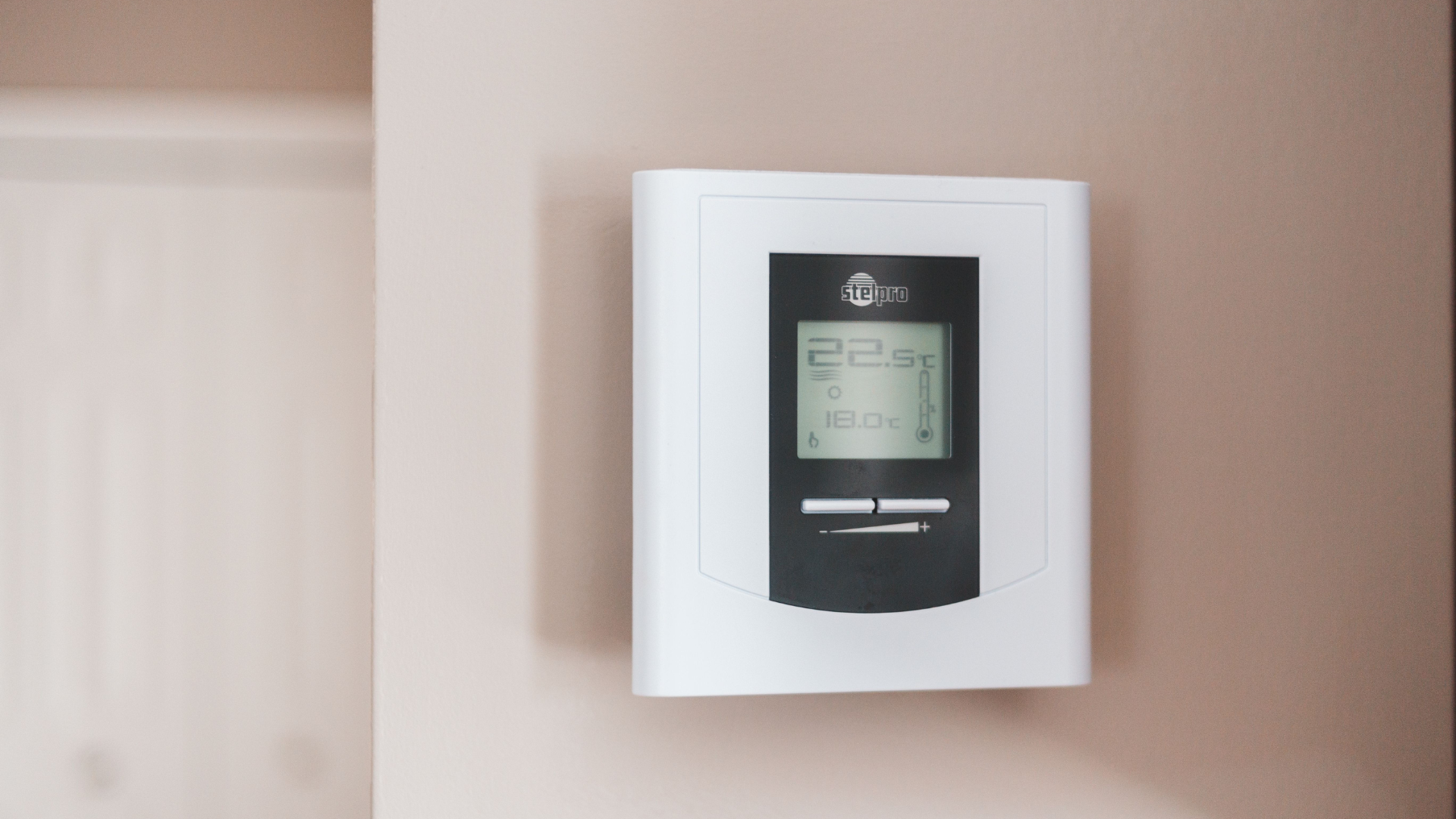
A common misconception is that setting the thermostat to 60°F or 65°F will cool a hot house more quickly. In reality, central air conditioners cool at a steady rate regardless of the setting. Choosing an extremely low temperature simply causes the system to run longer after reaching your desired comfort level, increasing energy use without speeding up the cooling process.
Your Comfort Depends on More Than Temperature
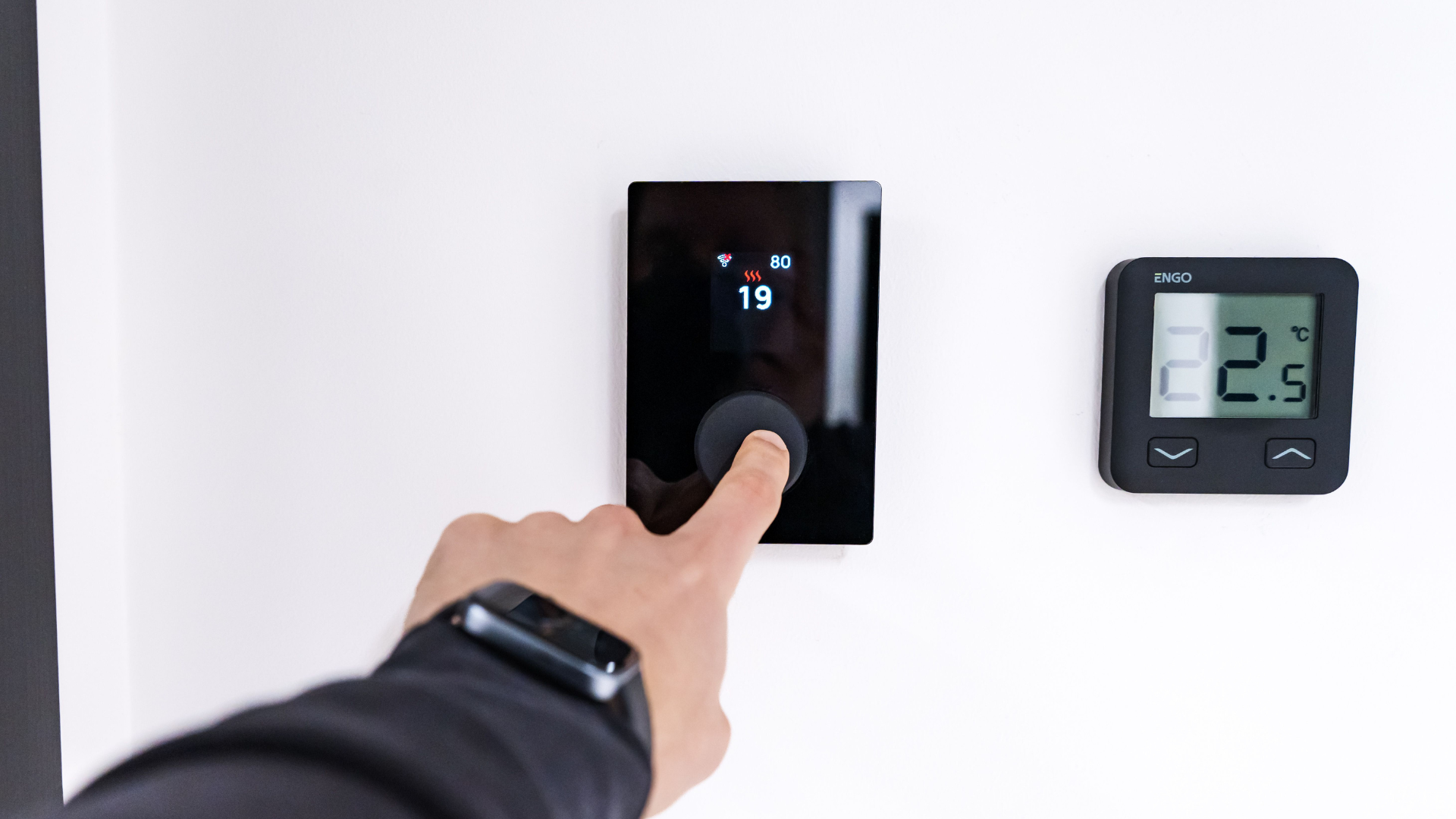
Humidity, sunlight, insulation, and airflow all influence how cool your home feels. Closing curtains during the hottest part of the day, running ceiling fans, and sealing air leaks can help your home feel more comfortable without constantly lowering the thermostat. Combining these strategies often reduces the need for excessive air conditioning.
There Isn’t One Perfect Setting for Everyone
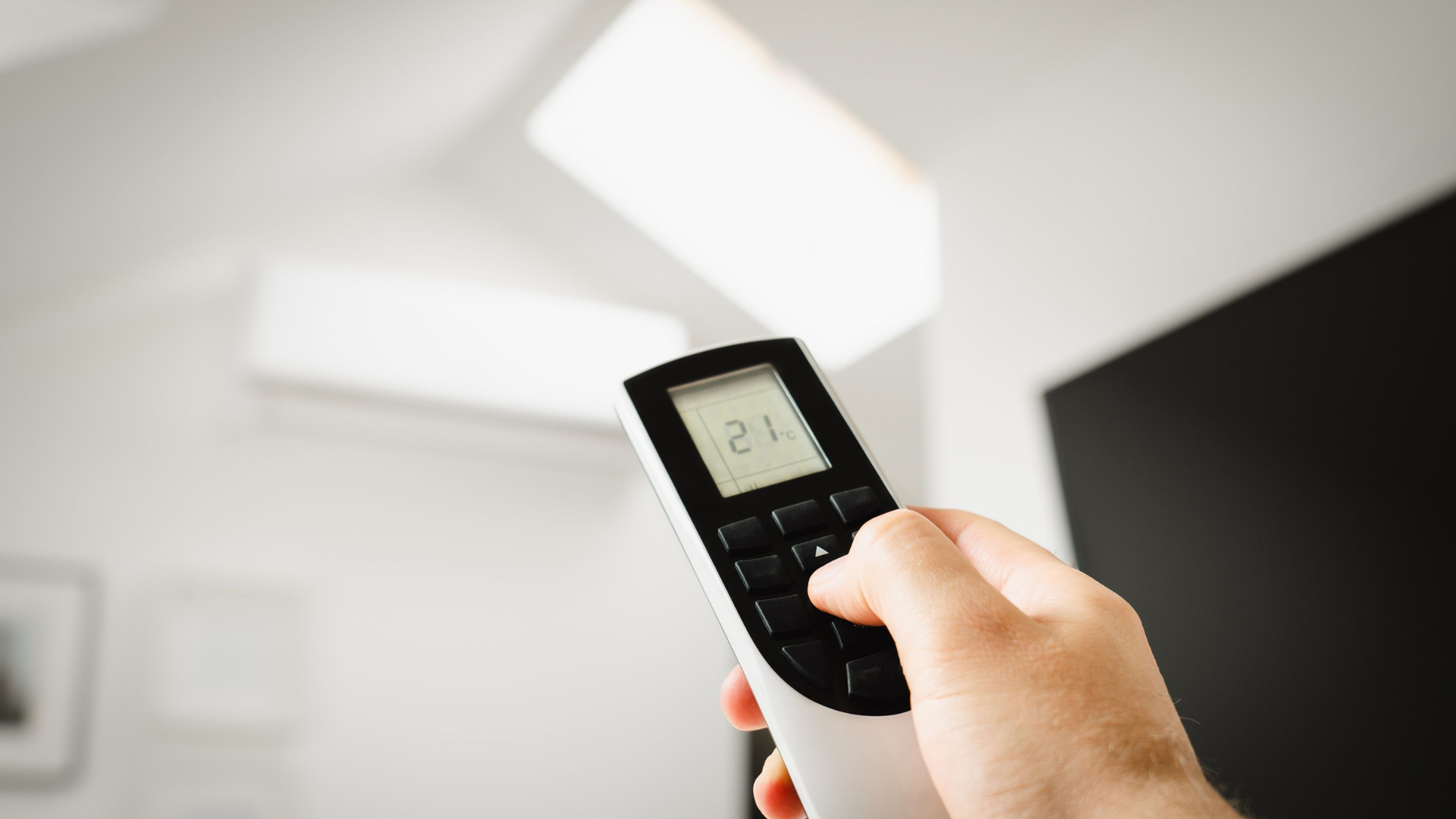
Although 78°F is widely recommended for efficiency, experts say there is no universal thermostat setting that works for every household. Homes differ in insulation, climate, humidity, and air conditioning performance, while people vary in age, health, and heat tolerance. The best setting is one that keeps your household comfortable while keeping energy use manageable.
Avoid Constantly Adjusting the Thermostat

Frequently changing your thermostat throughout the day can make your HVAC system work harder than necessary. Many experts recommend setting a consistent temperature or using a programmable or smart thermostat that automatically adjusts when you’re asleep or away from home. Stable settings often improve both comfort and efficiency.
Simple Habits Can Lower Your Cooling Costs
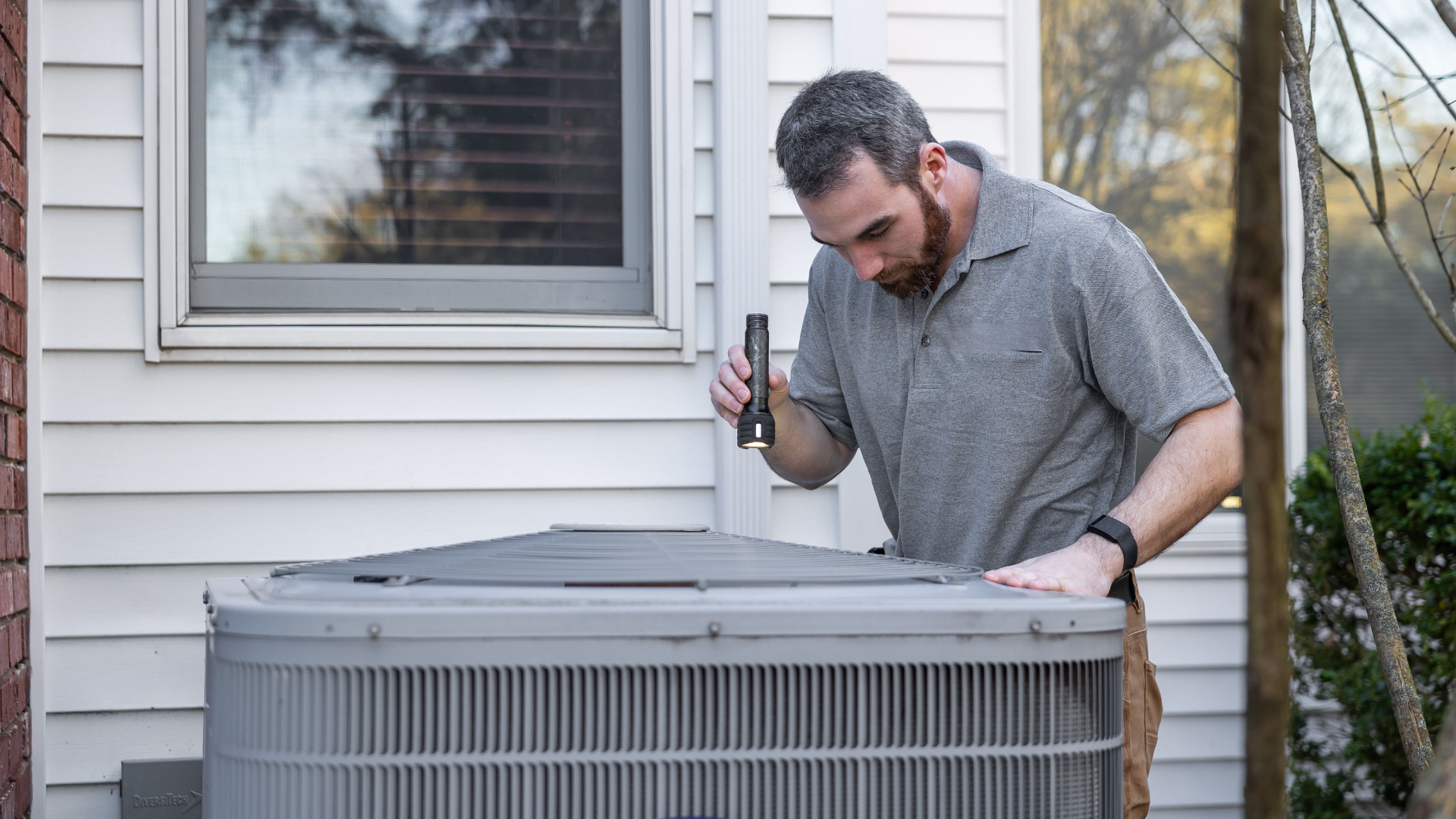
Keeping your air filter clean, scheduling regular HVAC maintenance, using fans to circulate cool air, and closing blinds during sunny afternoons can all reduce the strain on your air conditioner. These simple maintenance steps often improve efficiency and may help lower electricity bills without sacrificing comfort.
A Smart Thermostat Can Save Money
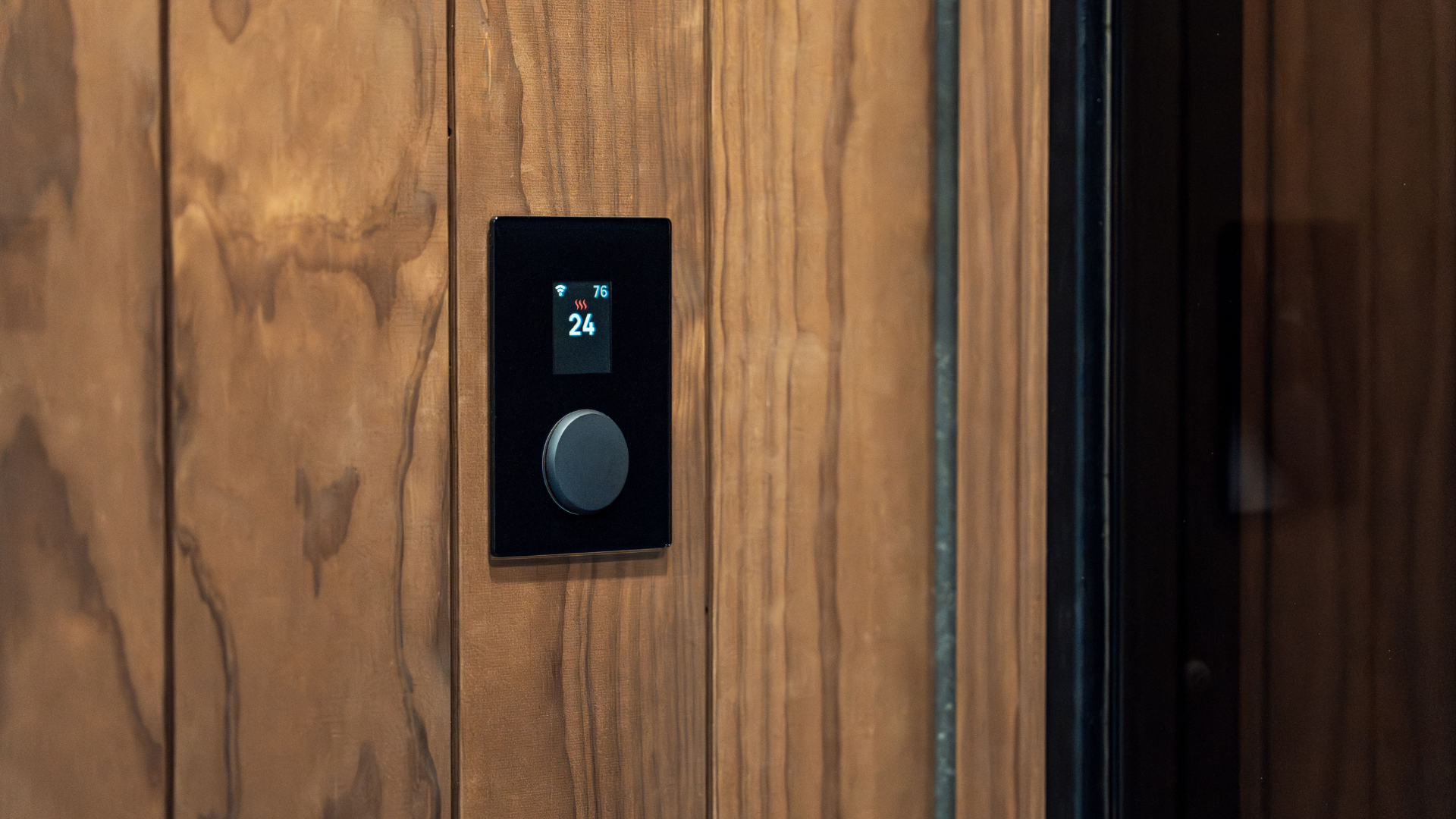
Programmable and smart thermostats can automatically raise the temperature while you’re away and cool the home before you return. This reduces unnecessary air conditioning without sacrificing comfort and can significantly lower energy bills over time.
How Much You Spend Cooling Your Home

Your thermostat setting plays a major role in how much you spend cooling your home each summer. While many experts recommend aiming for around 78°F when possible, the ideal temperature depends on your home’s design, local climate, and your family’s comfort and health needs. Instead of dramatically lowering the thermostat, combining reasonable temperature settings with smart cooling habits can help keep both your home and your electricity bill under control.