Young Inventor Builds Filter That Could Change How We Clean Drinking Water

Most people hear about polluted water and move on. She didn’t. A teenager saw what was in her community’s drinking water and decided to take matters into her own hands. What she built next could change how we think about something as basic as the water we drink.
A Problem That Hit Close to Home
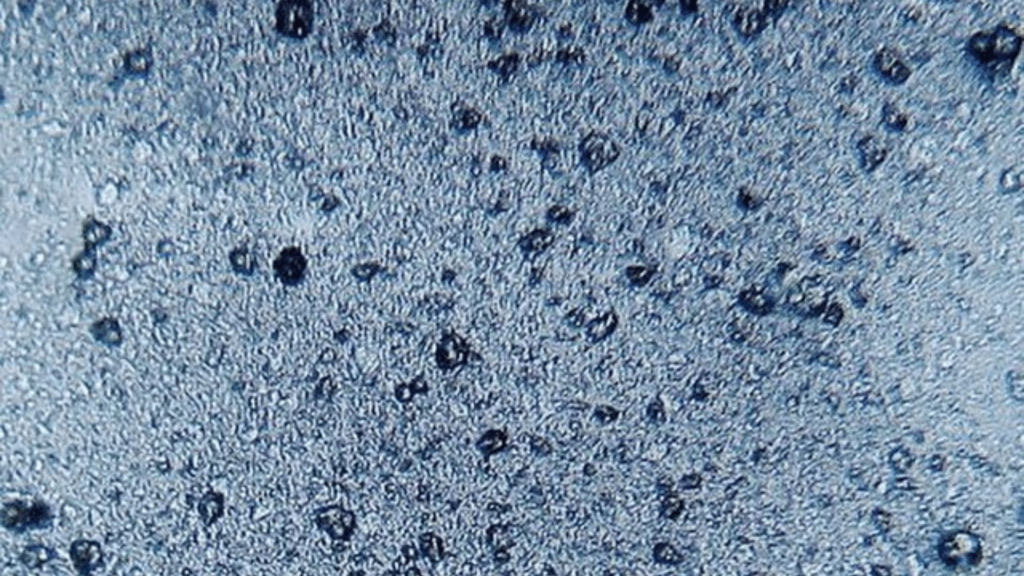
Mia Heller, a high school student from Virginia, first learned about water contamination in her own community. Local reports revealed that drinking water contained PFAS and microplastics. Officials offered no immediate solution. That moment pushed her to start asking questions and eventually, to start building something new.
Turning Frustration Into Action
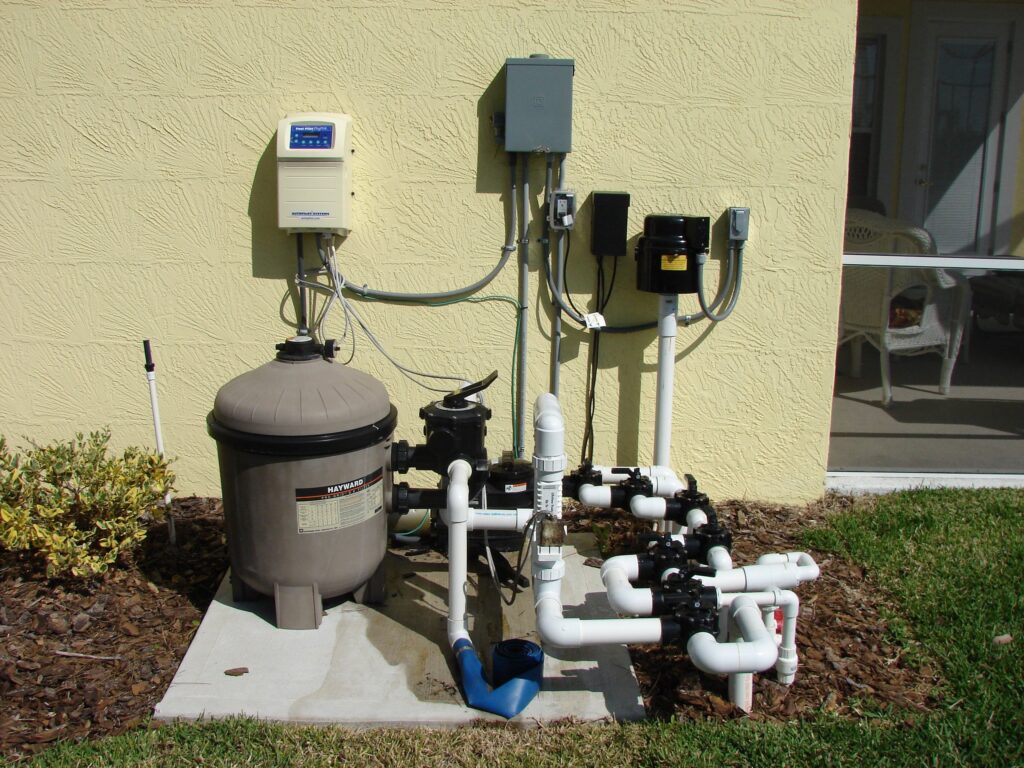
Heller didn’t stop at concern. She watched her family install a home filtration system that required constant maintenance. Instead of accepting it, she decided to improve it. She set out to design a system that worked without the costly membranes most filters rely on.
The Big Idea: A Smarter Way to Filter Water
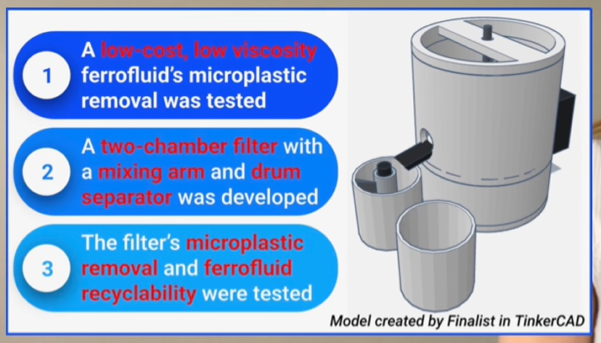
Her solution used something unexpected: ferrofluid. This magnetic liquid binds to microplastics as water flows through the system. Once attached, a magnetic field pulls those particles out. The result is a process that targets contaminants more directly than many traditional filters.
A System That Cleans and Reuses Itself
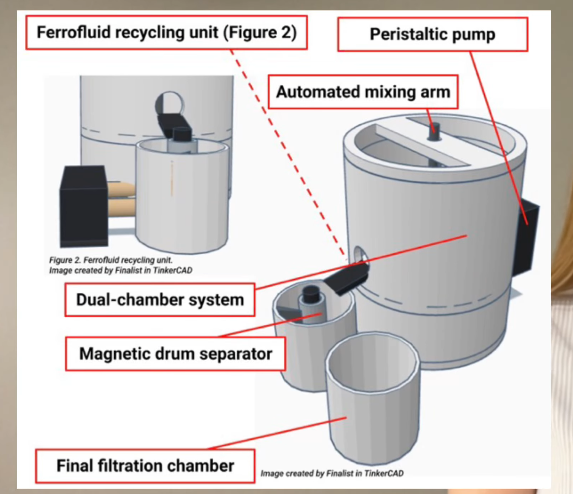
Heller didn’t stop at filtering. She built a system that recycles itself. Her design separates the ferrofluid after it captures microplastics and sends it back into the system for reuse. This approach cuts down on waste and reduces the need for constant replacements.
The Results Caught Attention
Her prototype delivered impressive results. Tests showed it removed about 95 percent of microplastics from water. It also recycled more than 87 percent of the ferrofluid used in the process. These numbers put her system on par with, and in some cases ahead of, existing filtration methods.
Why Microplastics Matter More Than Ever
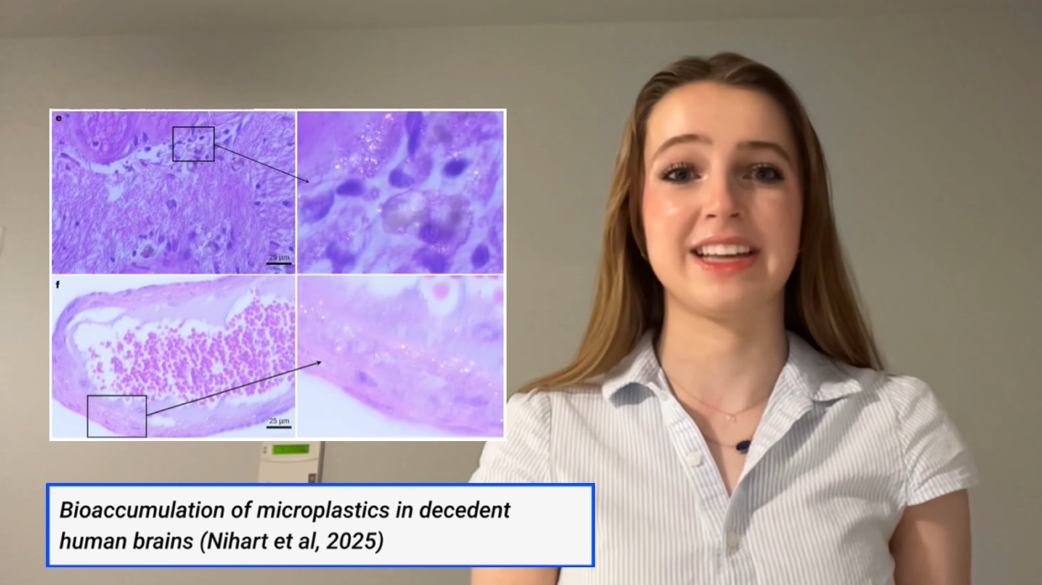
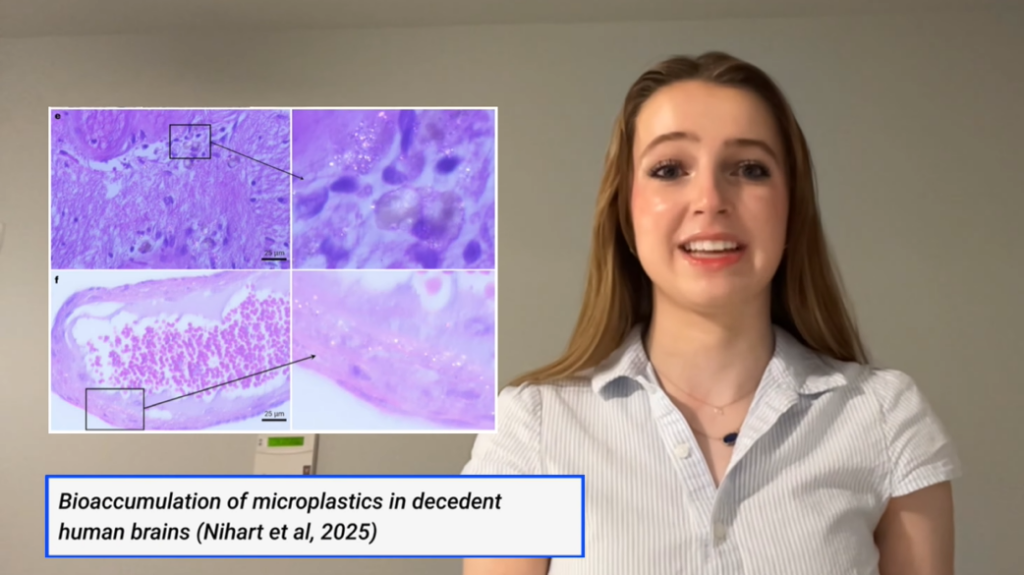
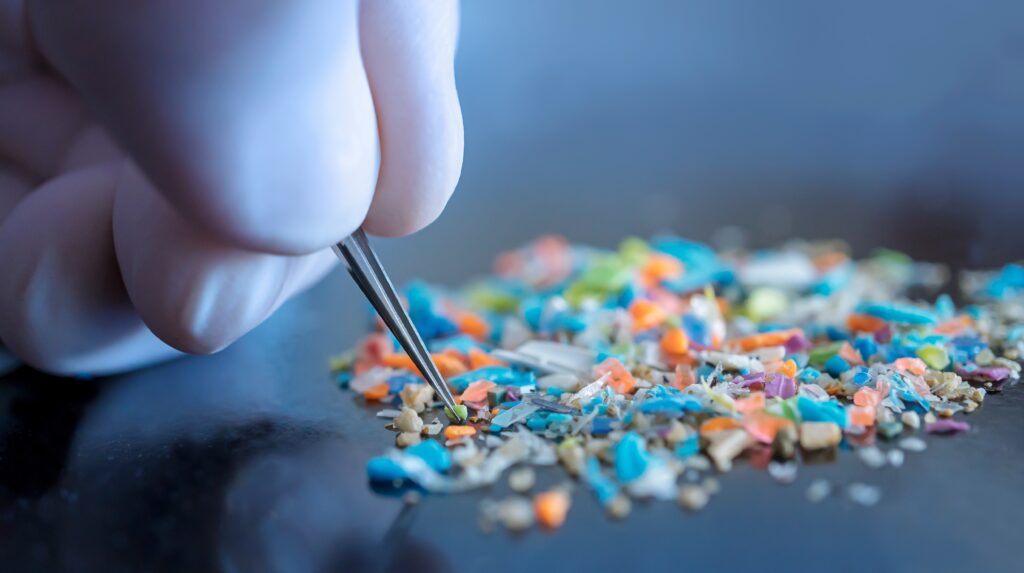
Microplastics show up almost everywhere. Researchers have found them in oceans, animals, and even inside the human body. Toxicologist Matthew Campen at the University of New Mexico has studied their spread and warns that they may link to serious health issues, including cardiovascular and neurological concerns.
Recognition From the Scientific Community
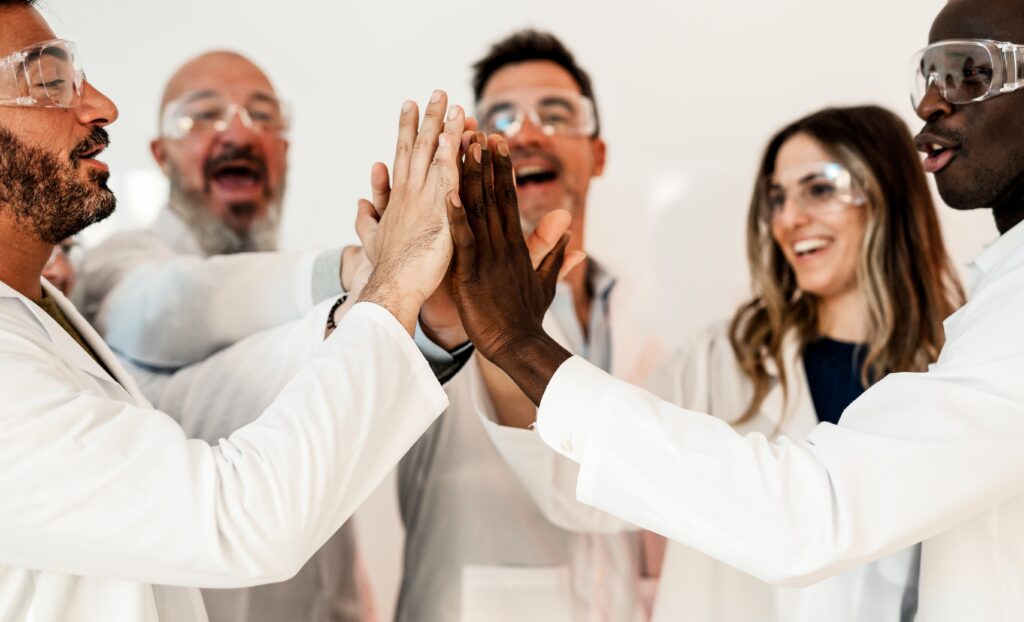
Heller’s work didn’t go unnoticed. She earned recognition at the Regeneron International Science and Engineering Fair, one of the world’s largest competitions for young scientists. Judges awarded her for creating a system that combines innovation, efficiency, and real-world impact.
Big Questions Still Remain
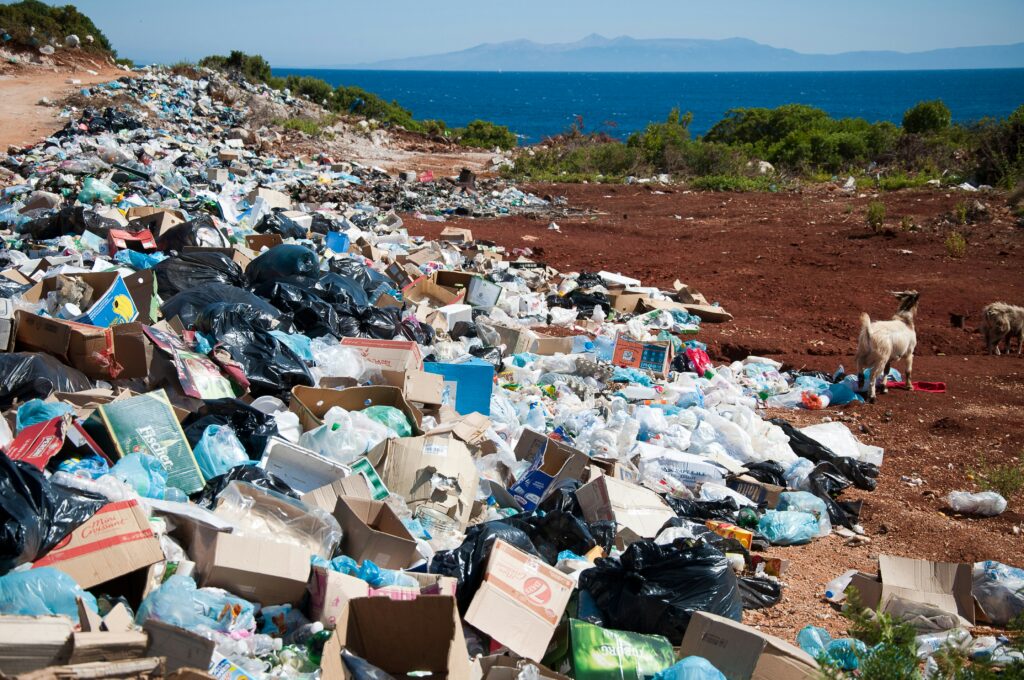
Experts see promise but also ask important questions. Can the system scale for large cities? Can it safely remove and dispose of captured microplastics? Campen called the idea “something that has to be done,” but emphasized the need for further testing and development before widespread use.
A Reminder of What Young Minds Can Do
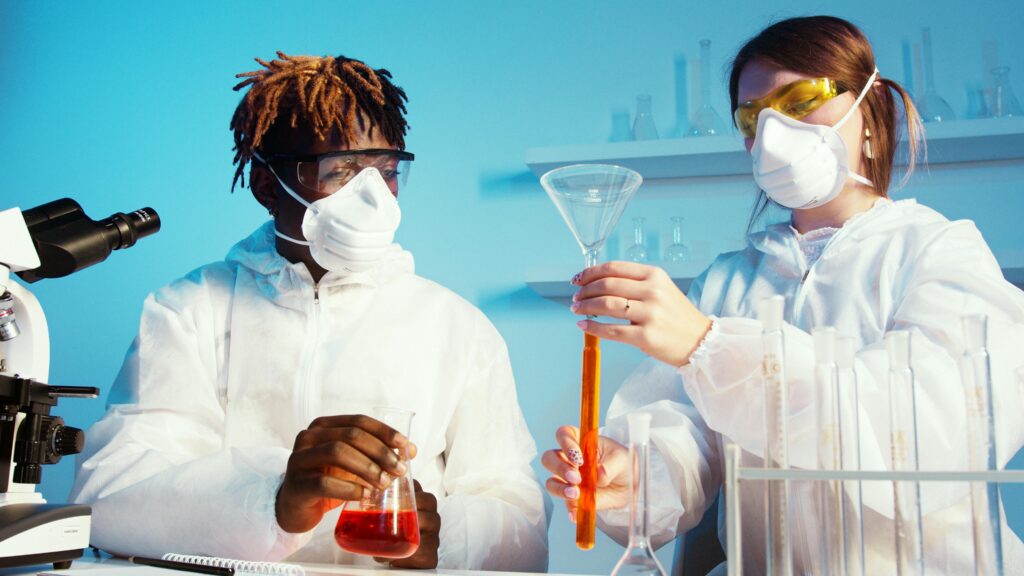
Innovation doesn’t always come from big labs or corporations. Sometimes it starts in a garage, a kitchen, or a classroom. Heller saw a problem and chose to solve it. And in doing so, she showed how far curiosity, persistence, and a fresh perspective can go.