‘You’d Expect the Doorknobs and Cash Registers to Be Solid Gold,’ Columbia Professor Says of NYC’s Proposed $30 Million Public Grocery Store
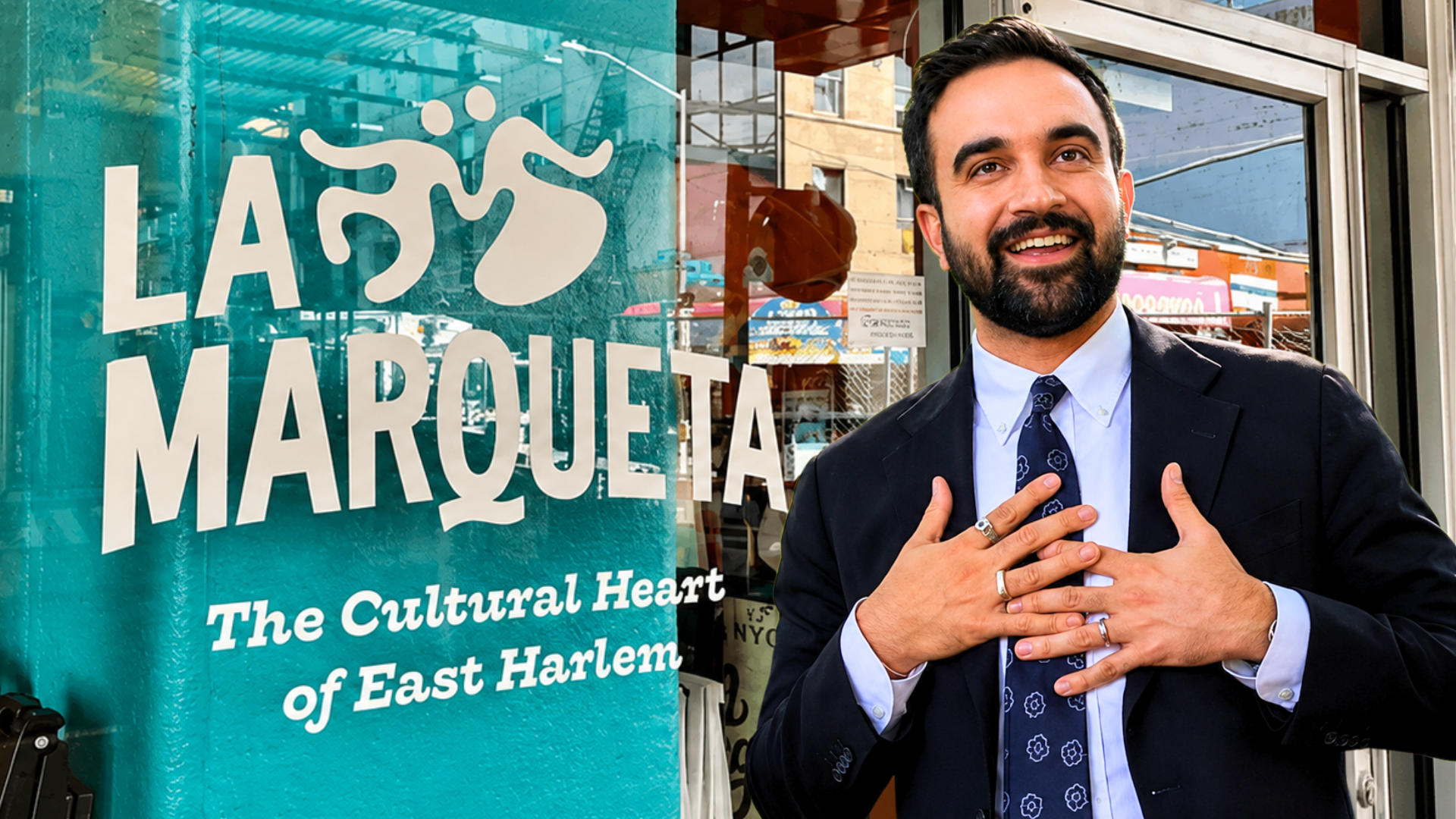

New York City is planning to spend $30 million on a 9,000-square-foot government-owned grocery store in East Harlem. That price tag alone stunned food industry insiders. Then came the revelation that the same site had already been approved for a separate $25 million public upgrade years earlier, bringing the total potential spend on a single neighborhood market to a staggering $55 million. The question now rippling through City Hall and the grocery trade: how did the math get this bad?
The Site at the Center of the Storm
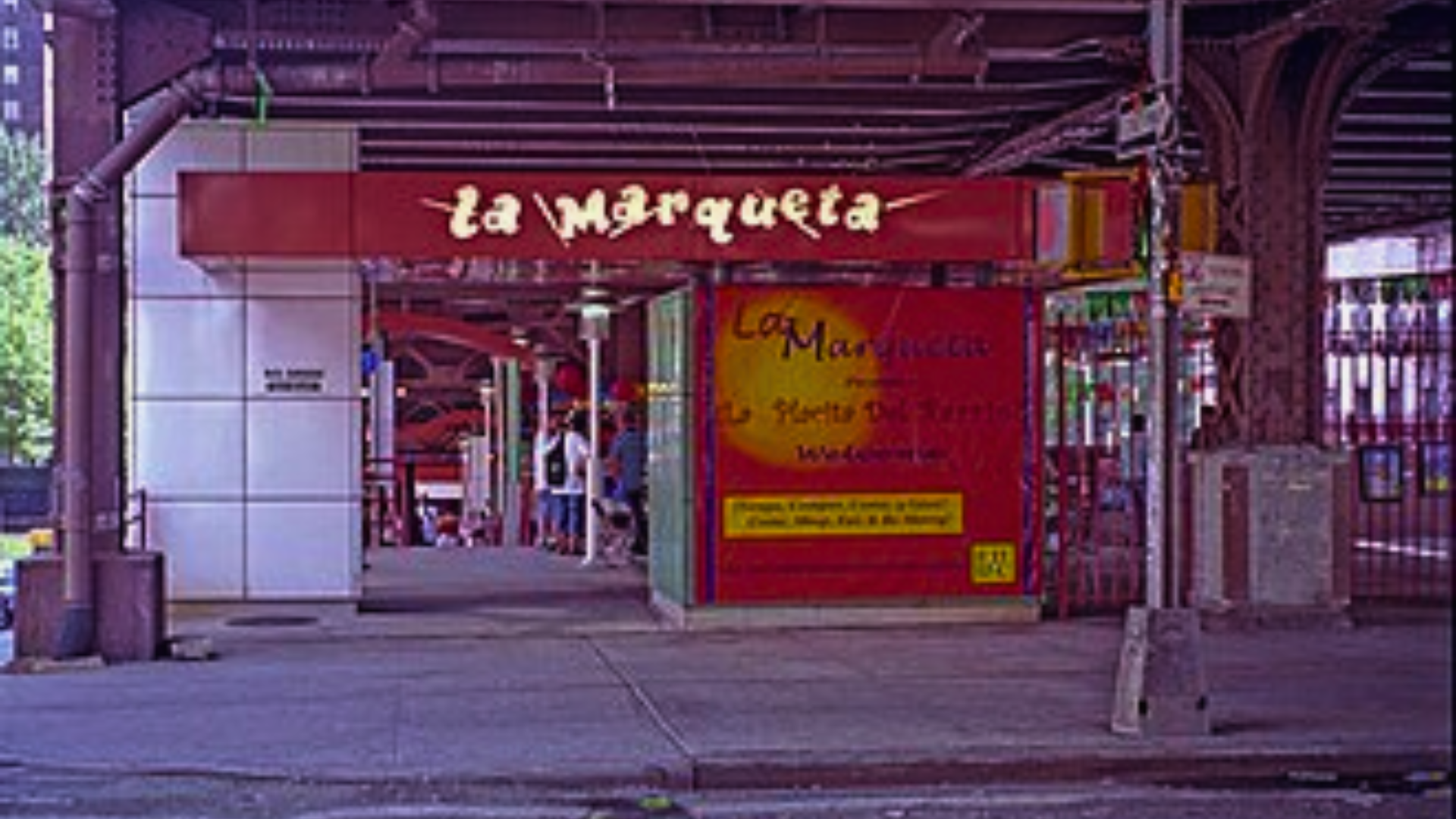
La Marqueta is a historic public market stretching beneath the elevated Metro-North tracks on Park Avenue, between East 111th and East 119th streets in East Harlem. Mayor Zohran Mamdani chose it last month as the flagship location for a city-owned supermarket, one of five he plans to open across New York’s five boroughs. The store would pay no rent and no property taxes, a subsidy the administration says will allow it to offer prices lower than nearby competitors.
The $25 Million Nobody Mentioned
What Mamdani did not disclose during his announcement was that La Marqueta had already been approved for a $25 million city-funded redevelopment in 2017, with plans for a playground, dog park, outdoor seating, and a revamped food market with fresh produce and prepared foods. That money, committed through the Economic Development Corporation, the City Council, and the city’s Neighborhood Redevelopment Fund, has sat largely unspent for years. The grocery initiative and the redevelopment, the EDC confirmed, are entirely separate investments.
Gold Doorknobs and Cash Registers
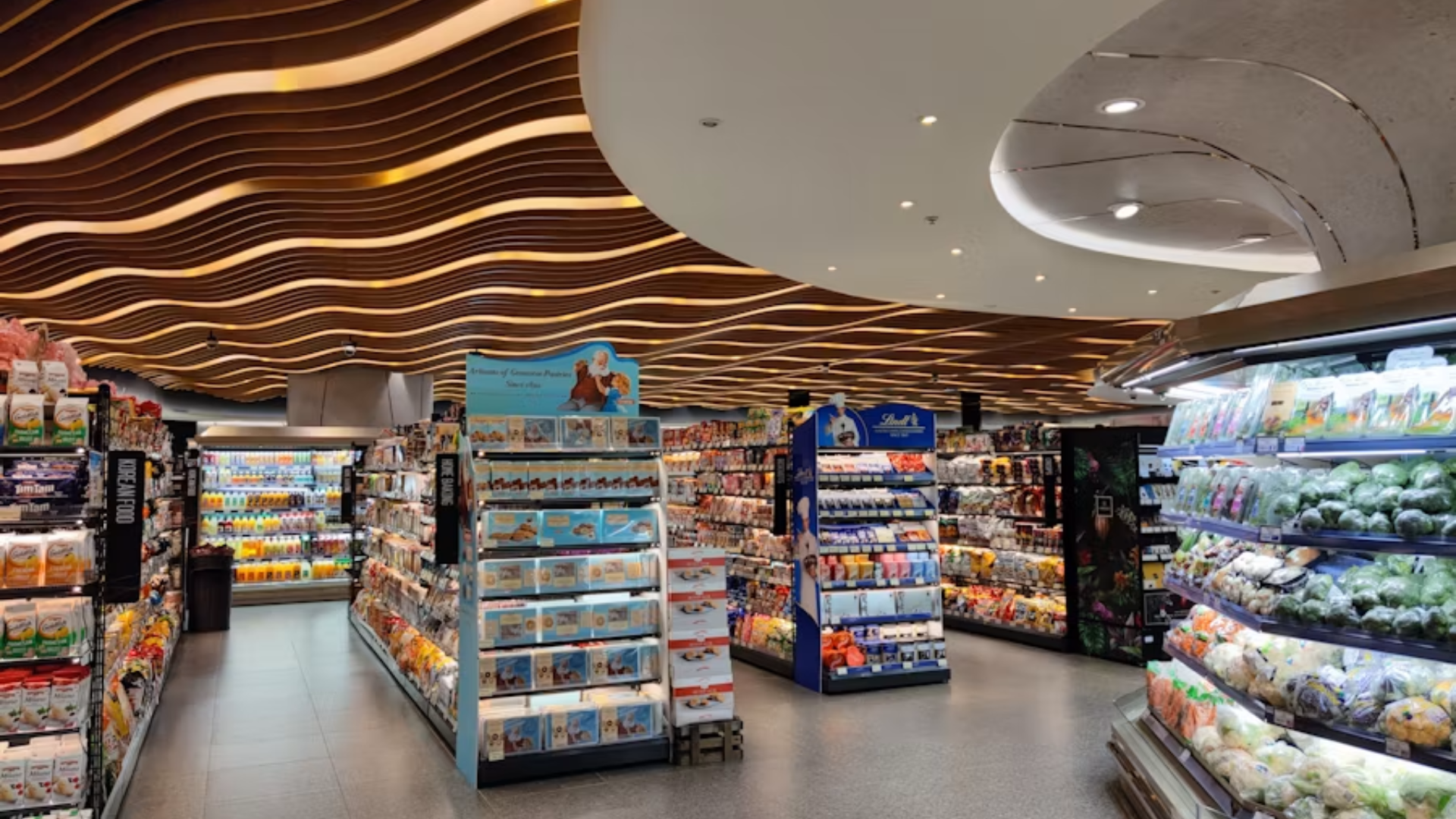
The price tag drew swift incredulity from food industry veterans. “The $30 million is an outrageous number by itself,” said Stephen Zagor, adjunct associate professor of business at Columbia Business School. “You’d expect the doorknobs and cash registers to be solid gold.” A privately developed grocery store of similar size in Manhattan would typically cost around a third of what the city is proposing, according to industry executives. Zagor also questioned whether the long-stalled $25 million should be reconsidered given the new plan.
EVs, Dog Parks, and a Confused Mission
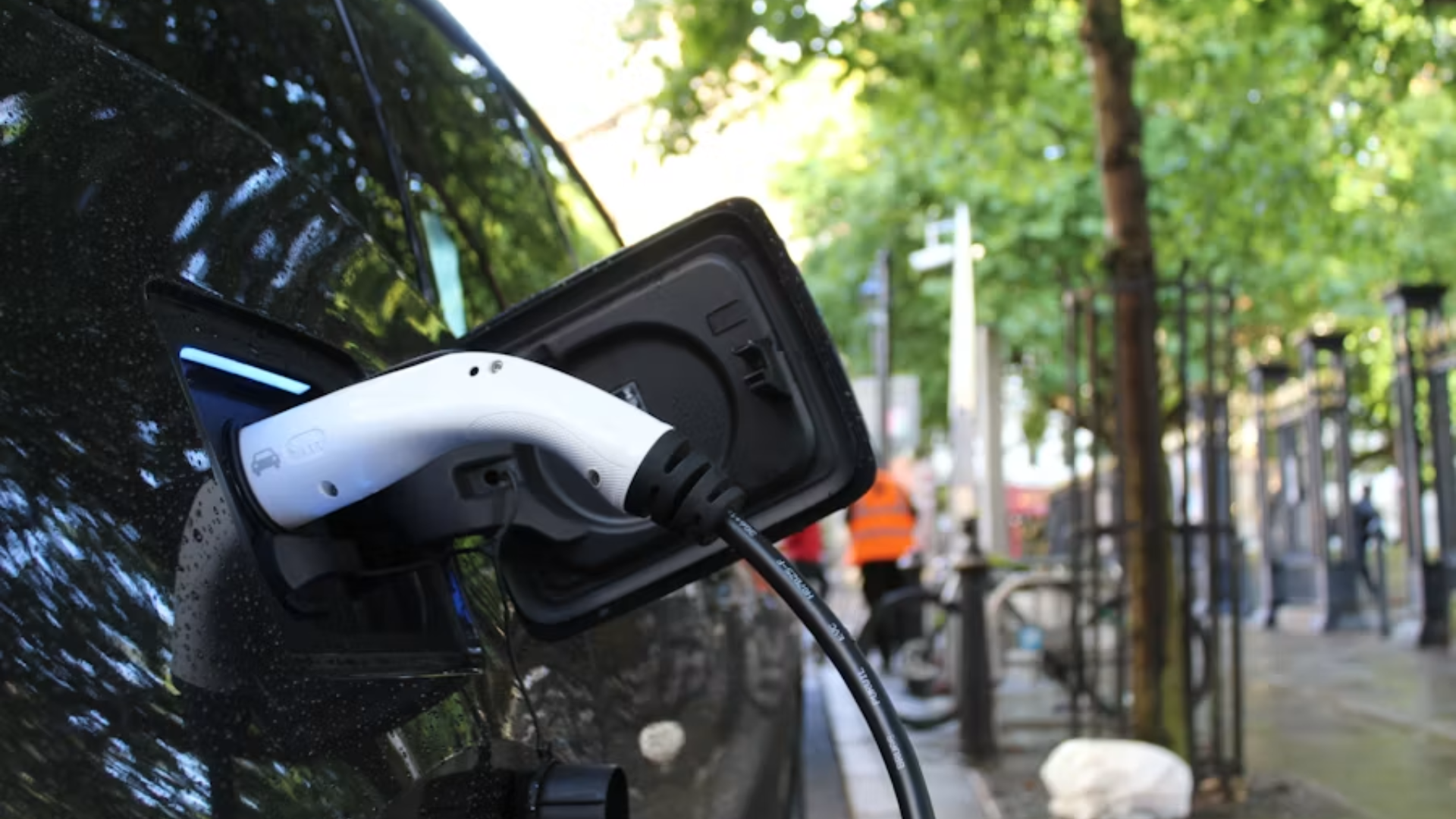
Among the details drawing the sharpest criticism is a planned parking lot outfitted with electric vehicle charging stations. Zagor said the feature raises serious doubts about who the store is actually designed to serve. “Electric vehicles tend to be more expensive, so are they catering to a higher-income market?” he asked. “It sounds like they aren’t focused on what they are trying to do in serving East Harlem residents.” Nearly 40% of households in the neighborhood receive public assistance or SNAP benefits, according to City Hall’s own figures.
The Numbers Don’t Add Up

Mamdani has allocated $70 million across all five city-owned stores, one per borough. With $30 million earmarked for the Manhattan location, that leaves an average of just $10 million for each of the remaining four. In May, the city announced its Bronx location, a 20,000-square-foot facility in Hunts Point. That means the city intends to build a store more than twice the size of the East Harlem location for roughly one-third the cost. “There is a massive disconnect right now and there are more questions than answers,” said Anthony Pena, president of the National Supermarket Association.
Industry Leaders Say They Were Kept in the Dark

Pena said Mamdani never mentioned the EDC’s pre-existing redevelopment project when he unveiled the grocery store plan, and that city officials have been opaque throughout. The EDC only shared details of its 2017 redevelopment proposal at a meeting earlier this month, presenting a pre-pandemic PDF to grocery trade representatives. Funds for that earlier project “have already been committed,” according to the document. The grocery initiative still requires City Council approval before any construction can begin.
The Market That Time Forgot
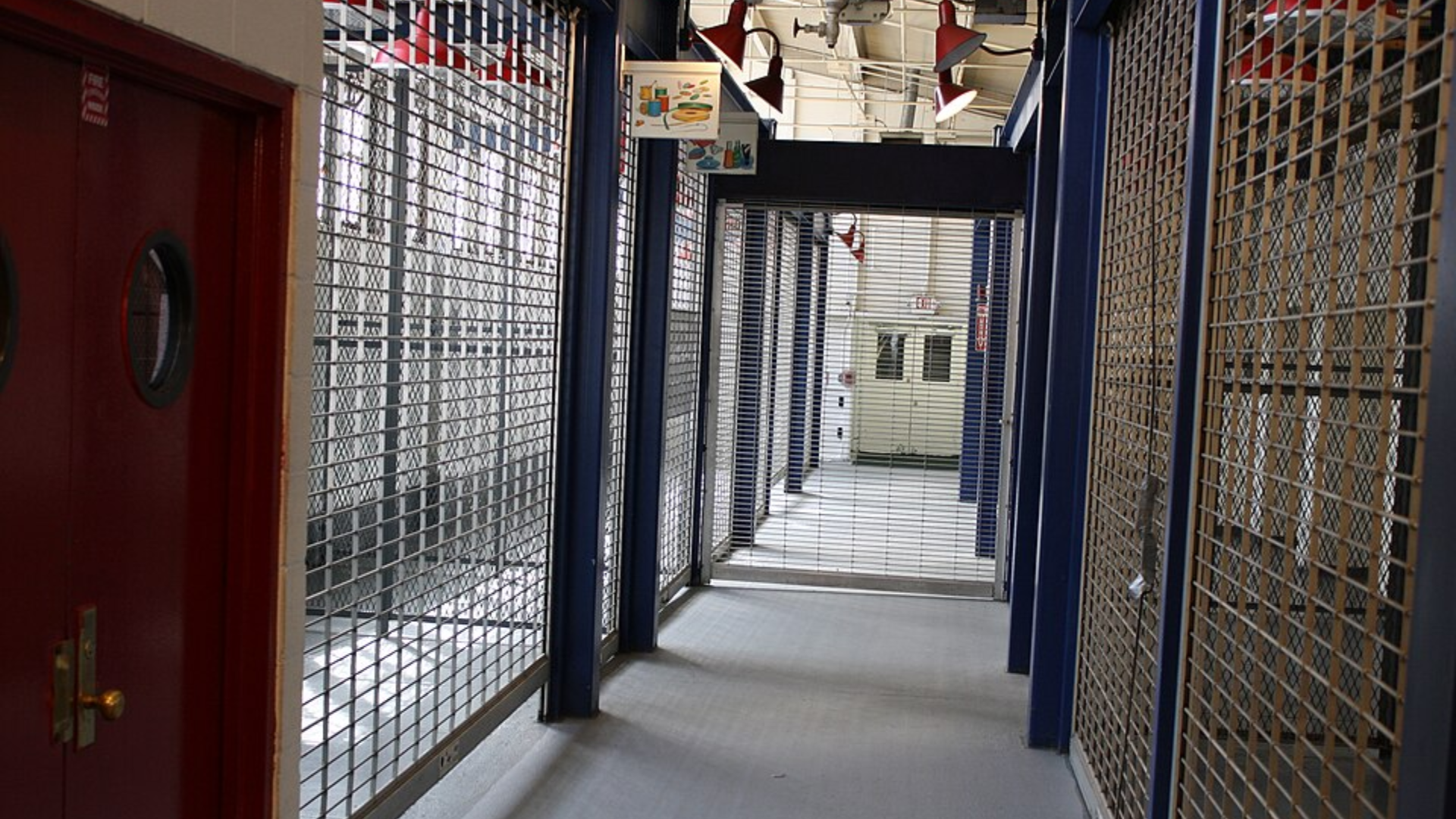
La Marqueta has a long history of deferred promises. Established in 1936 by Mayor Fiorello La Guardia to house East Harlem’s pushcart vendors under one roof, it once drew 25,000 patrons a day. The 2017 revamp stalled first because of the pandemic, then because of an MTA viaduct reconstruction project that began in 2023. Existing tenants, including a shared commercial kitchen and a garden center that lost half its space to the MTA work, say they still have little idea what the city’s long-term plans mean for them.
Competing With the Neighbors
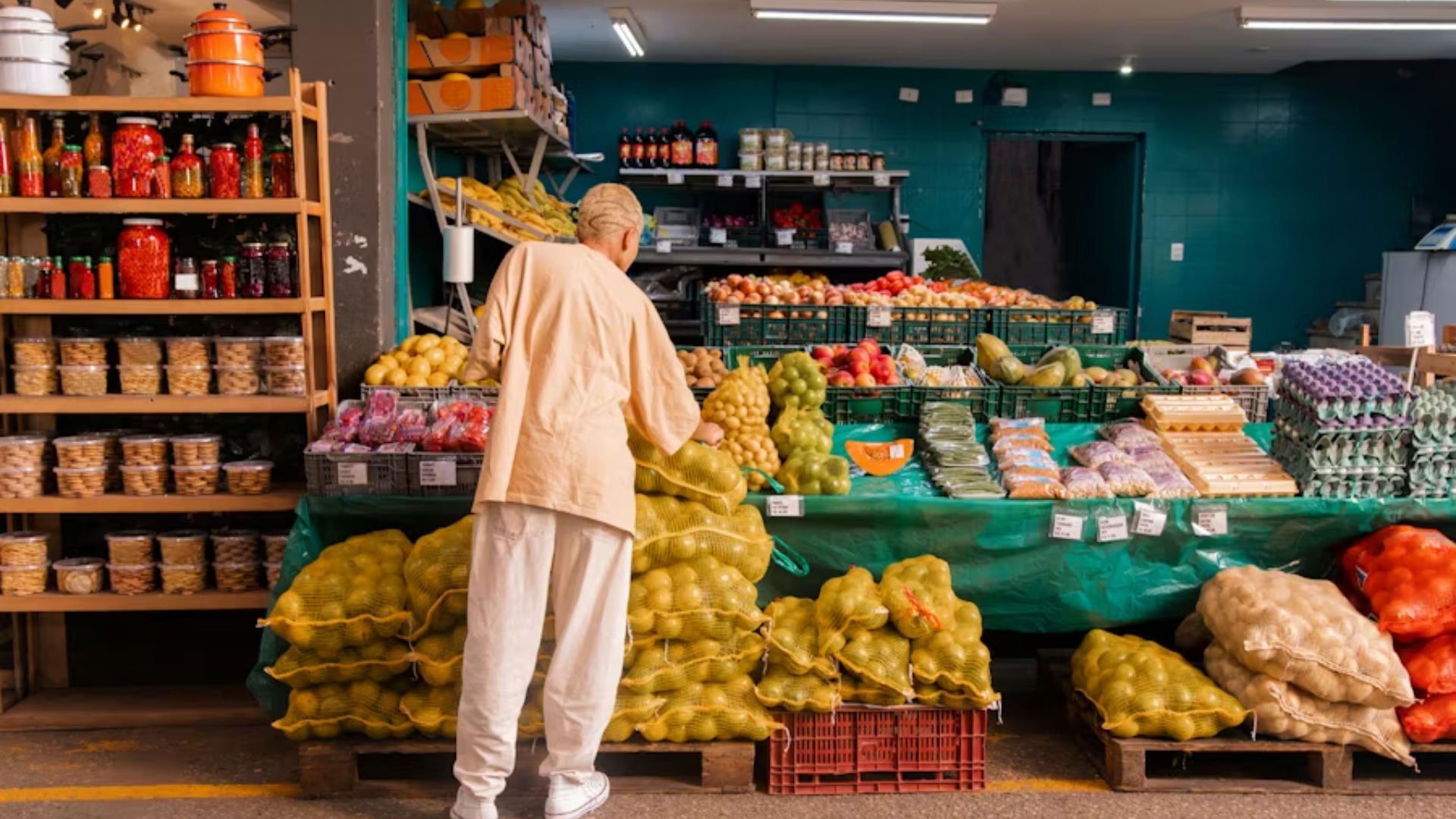
The proposed store would enter an already crowded market. A Fox News analysis found roughly 45 grocery stores within a 35-minute walk of La Marqueta, including major chains like Whole Foods and Lidl alongside smaller neighborhood markets and bodegas. Store managers in the area said the city-backed competition, freed from rent and tax obligations that private owners must shoulder, could push thin-margin businesses to the edge. Dimitri Gatanis, who runs the Urban Garden Center at La Marqueta, is also worried the city store could begin selling the potted herbs and plants that anchor his trade.
A Costly Promise in Search of a Plan
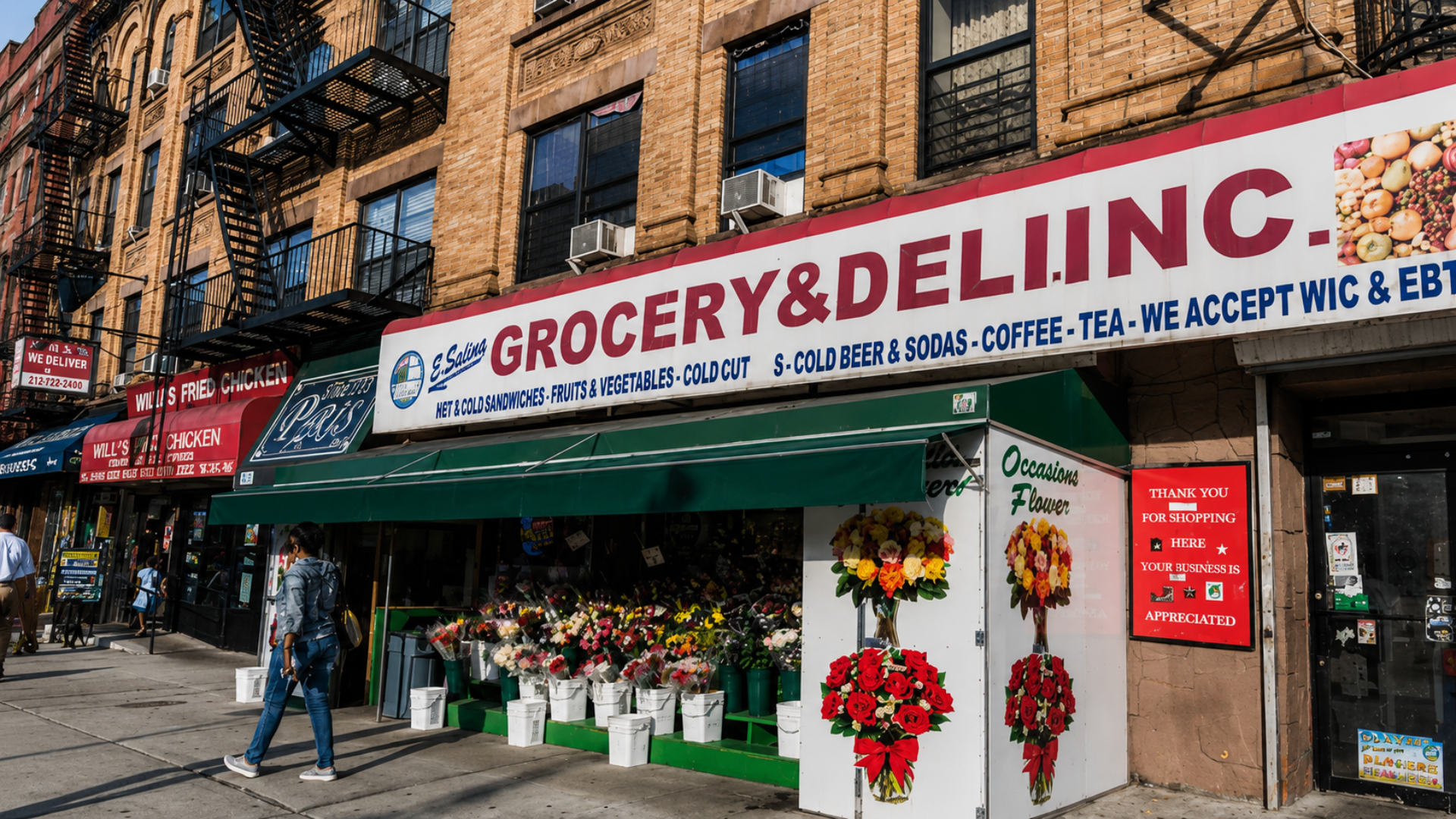
New York City grocery prices have risen nearly 66% over the past decade, outpacing the national average, and the frustration driving Mamdani’s proposal is real. But a $30 million store serving a few thousand square feet of retail, layered on top of $25 million in unspent public funds at the same site, raises a straightforward question about value. Spending $55 million in public money on a single neighborhood grocery, with no detailed cost breakdown and current tenants still in the dark, is a hard sell, regardless of the intention behind it.