You Might Want to Turn Off Your Fan Once Temperatures Reach This Level
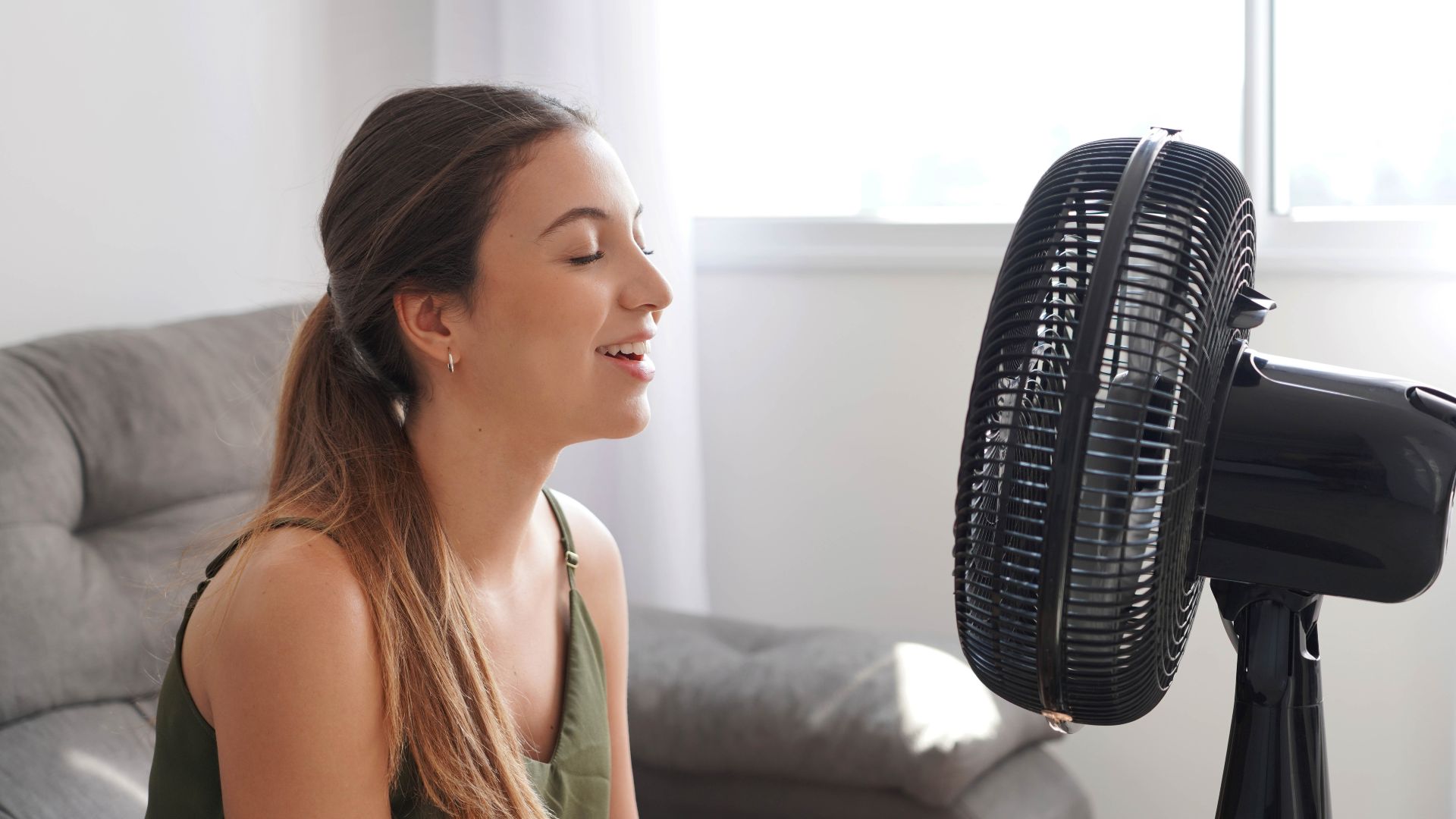

Reaching for a fan during a heat wave feels automatic. It’s cheap, it’s easy, and it’s been cooling people down for generations. But health experts are now warning that flipping it on could do the opposite of what you expect, and the tipping point arrives sooner than most people realize.
According to the Centers for Disease Control and Prevention, electric room fans should stay off once indoor temperatures climb above 90 degrees. Beyond that point, the agency warns, a fan can actually raise your body’s core temperature instead of lowering it. That number might sound low if you’ve grown used to running a fan through every summer without issue.
The confusion makes sense. Fans have always seemed to help, because in milder conditions, they genuinely do. They push air across your skin and speed up the evaporation of sweat, which is the body’s main defense against overheating. That mechanism works well, right up until the room gets hot enough to break it entirely.
Why Your Fan Stops Being Your Friend
Sweat evaporation only works one way. As air moves across damp skin, it carries away heat, which is why a breeze feels cooling even on a warm day. That process depends on the air being cooler than your body. Once that balance flips, the same airflow that once helped you now works against you.
Once indoor air climbs hotter than your core body temperature, studies show fans stop helping sweat evaporate at all. Instead, the moving air behaves more like a convection oven, circulating hot air directly against the skin. The World Health Organization sets its own limit at 104 degrees, giving people a slightly wider buffer than the CDC’s more conservative guidance.
The American Lung Association describes the danger in blunt terms, calling continued fan use in extreme heat a “false sense of comfort.” That comfort can be dangerous. The organization warns that relying on a fan past this point raises the risk of heat exhaustion, heat stroke, heat cramps, and heat rash, four conditions that can escalate fast without warning signs most people would recognize in time.
The Warning Signs Your Body Sends First

Heat exhaustion often shows up quietly before it becomes an emergency. Fatigue, nausea, and vomiting are among the earliest signals, and they’re easy to dismiss as simply feeling worn down from the weather. Left unaddressed, though, this stage can progress into something far more serious within a short window of time.
Heat stroke is where things turn dangerous. Confusion is a key warning sign, along with loss of consciousness, seizures, and a rapidly climbing body temperature. Heat cramps, meanwhile, tend to strike the arms and legs during heavy exertion or sweating, and the Cleveland Clinic treats them as an early alarm that a more severe illness may follow soon after.
Heat rash rounds out the list, caused by trapped sweat inflaming the skin’s glands and producing red, itchy bumps. With 35 states from the Great Plains to the Northeast bracing for record heat this week, temperatures near triple digits and heat indexes reaching 115 degrees, these symptoms are becoming far more relevant to far more people, right now.
What Actually Works When the Fan Doesn’t
Dr. John Torres, an NBC News medical correspondent and ER physician, offers a simple test: if you’re unsure whether your fan is safe to use, try it, but shut it off the moment it makes you feel worse. Beyond that, staying in air-conditioned spaces between 10 a.m. and 4 p.m. remains the most reliable defense against extreme heat.
Without home air conditioning, cooling centers, movie theaters, and grocery stores offer a practical substitute. Keeping blinds down and windows shut, unless outdoor air is actually cooler, helps trap in relief rather than heat. Wet towels, misting devices, and moisture-wicking bedding all offer additional layers of protection when the air itself won’t cooperate.
Hydration ties it all together. Water matters even without thirst, and electrolytes become necessary once sweating increases beyond normal. Pale yellow urine remains a reliable sign that fluid levels are holding steady. None of this makes a fan useless. It simply means the fan was never the whole plan, only one part of a system that stops working the moment the temperature outpaces it.