You Don’t Need to Clean Your AC Filter Weekly. Here’s What Experts Actually Suggest
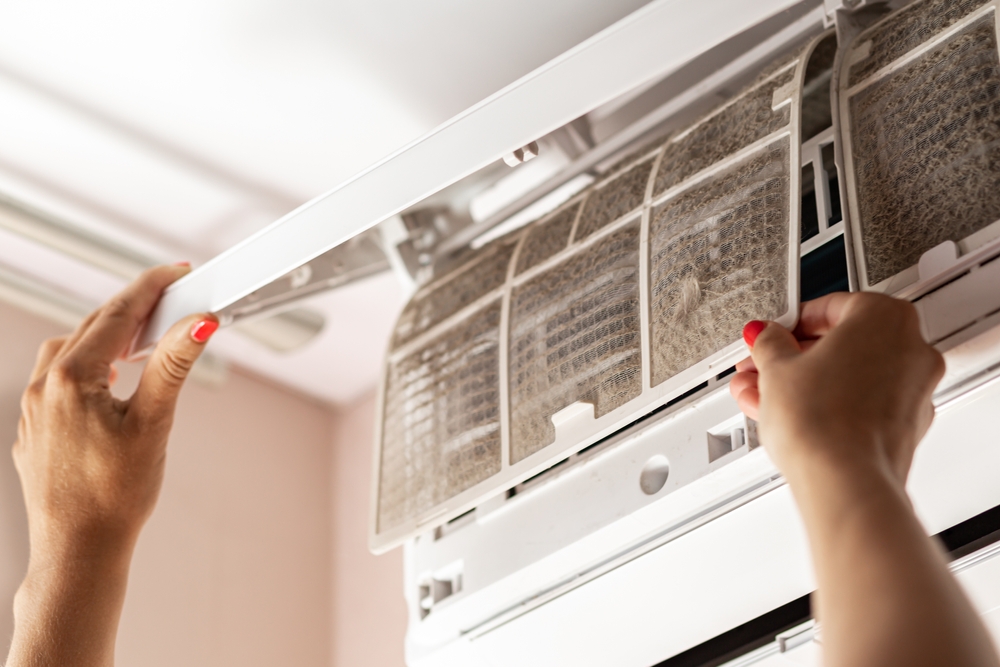

When summer heat keeps an air conditioner running for hours at a time, its filter can seem like something that should be cleaned constantly. After all, that thin layer of mesh or pleated material is catching dust, hair and other particles every time air moves through the system. But turning filter cleaning into a weekly ritual may be unnecessary. The better question is not simply how long it has been since the last cleaning, but what your filter, household and air conditioner are actually telling you.
What That Filter Is Doing All Day

An AC filter sits directly in the path of circulating air, capturing particles before they can travel deeper into the system. Eventually, however, everything it catches begins working against it. As debris builds up, airflow becomes restricted and the air conditioner may need to run longer to cool the same space. Ford & Doonan warns that operating a system with clogged filters can put additional strain on components and potentially contribute to breakdowns. Keeping the filter clean matters, but that still does not mean more cleaning is always better.
Why Your Neighbor’s Schedule May Not Work for You

Filters do not become dirty at the same speed in every home. Pets can add fur and dander, children and larger households can mean more activity and dust, and open windows may bring in pollen and outdoor pollution. Nearby construction can make matters worse. Heavy AC use during extreme heat also sends more air through the filter. Andre Morrisby, an air-conditioning business general manager interviewed by ABC News, noted that a busy household may need more frequent cleaning than a particularly tidy home with fewer occupants.
Here’s What Experts Actually Suggest
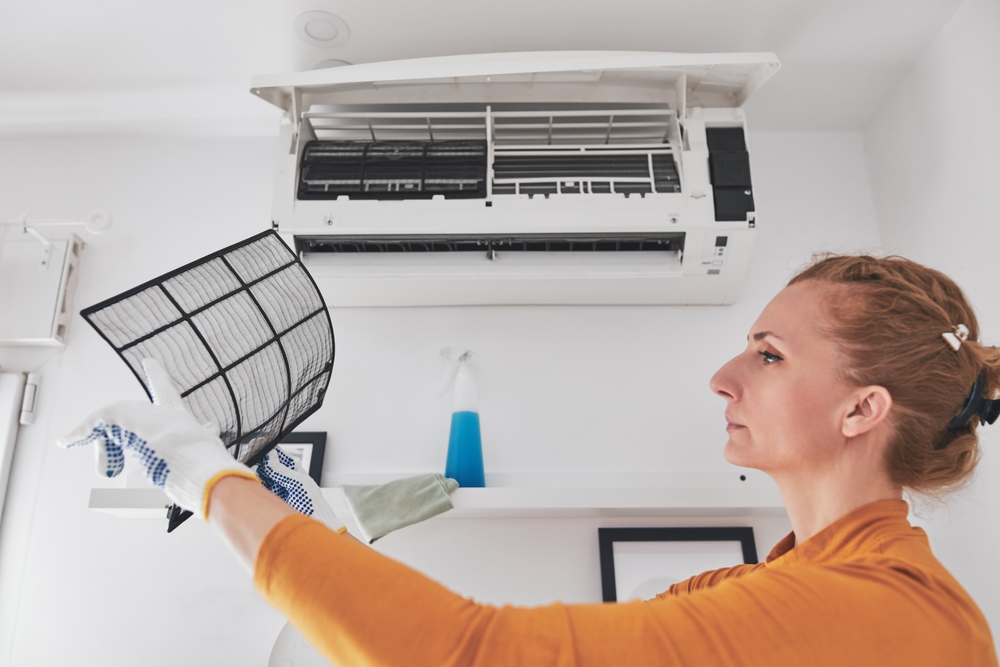
For households using air conditioning every day, cleaning a reusable filter roughly every two to four weeks is a practical benchmark, rather than automatically washing it every week. Guidance reported by AS USA recommends that range for daily users, while Kelvinator suggests checking filters every two weeks during peak summer and giving reusable filters a deeper clean about monthly. Morrisby similarly told ABC News that every two to three weeks is a good guide, although cleaner households may be able to stretch that to four weeks. People using their AC only occasionally may be able to wait even longer.
Sometimes the Filter Should Set the Schedule
Those timeframes are guidelines, not countdown clocks. Your filter can provide more useful information than the calendar. Kelvinator identifies visible gray dust or clogging, reduced airflow, longer cooling times, increased dust around the home and unexplained increases in electricity consumption as signs that attention may be due. If a filter is visibly dirty after two weeks, cleaning it sooner makes sense. If it remains relatively clean after the same period, that may indicate your particular household does not need such frequent maintenance.
Cleaning One Is Usually Pretty Simple
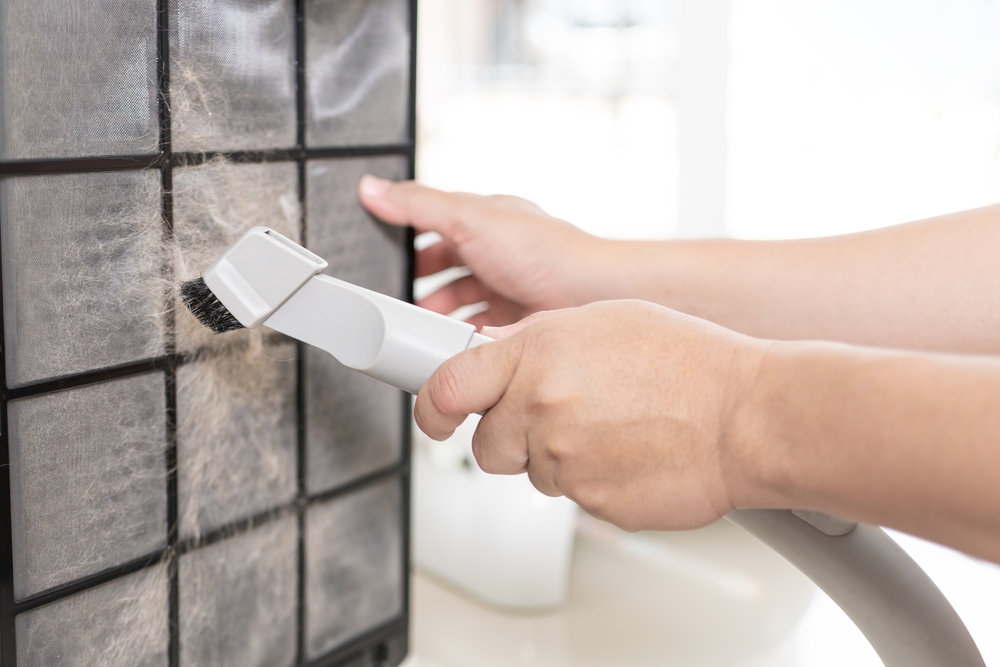
If the filter is designed to be washed, maintenance generally begins by switching off the air conditioner and carefully removing it according to the manufacturer’s instructions. Loose dust can often be removed with a vacuum using a soft brush attachment. Depending on the filter, it may then be rinsed with lukewarm water, with mild soap used when appropriate. It should be completely dry before going back into the unit. That last step matters because reinstalling a wet filter can introduce moisture where it does not belong. The system’s manual should always take precedence over generic cleaning advice.
But Not Every Filter Belongs in the Sink
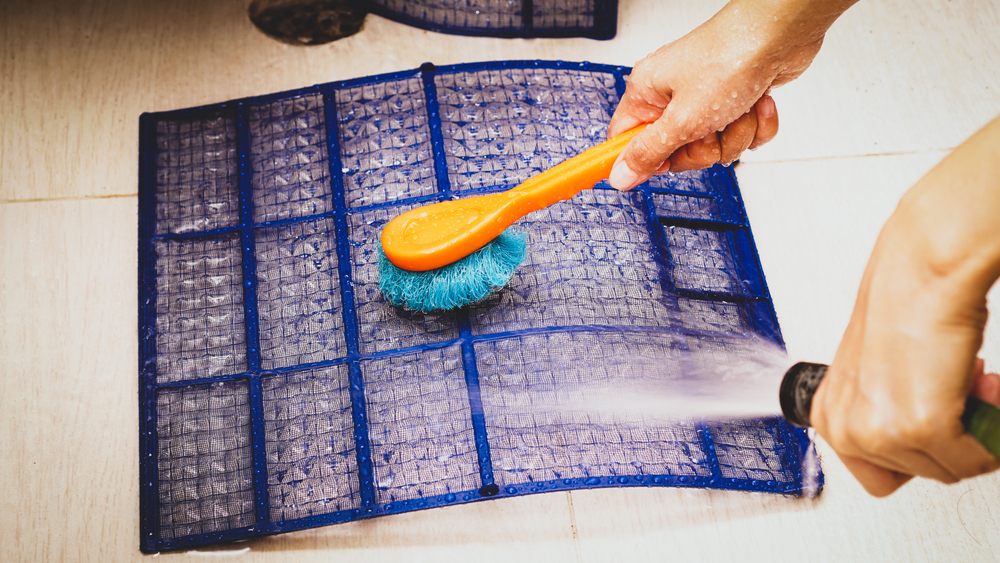
Before washing anything, check what kind of filter your system uses. Reusable mesh filters, commonly found in split air conditioners, can often be cleaned and reinstalled. Many pleated filters used in central HVAC systems are disposable and should be replaced instead. Filterbuy gives one to three months as a broad replacement range for disposable HVAC filters, though household conditions and system use can shorten that period. Washing a filter that was designed to be thrown away can damage its material and undermine the job it is supposed to do.
A Filter That Gets Filthy Fast May Be Warning You
If you clean or replace a filter only to find it heavily coated again unusually quickly, simply shortening your maintenance schedule may not address the underlying problem. Filterbuy points to pets, high indoor dust levels, open windows, nearby construction and continuous HVAC fan operation as possible explanations. Leaky ductwork can also pull dust from areas such as attics or crawl spaces. Repeatedly dealing with a rapidly clogged filter without investigating why it is happening can mean treating the evidence while overlooking its source.
Filter Cleaning Can’t Fix Every AC Problem
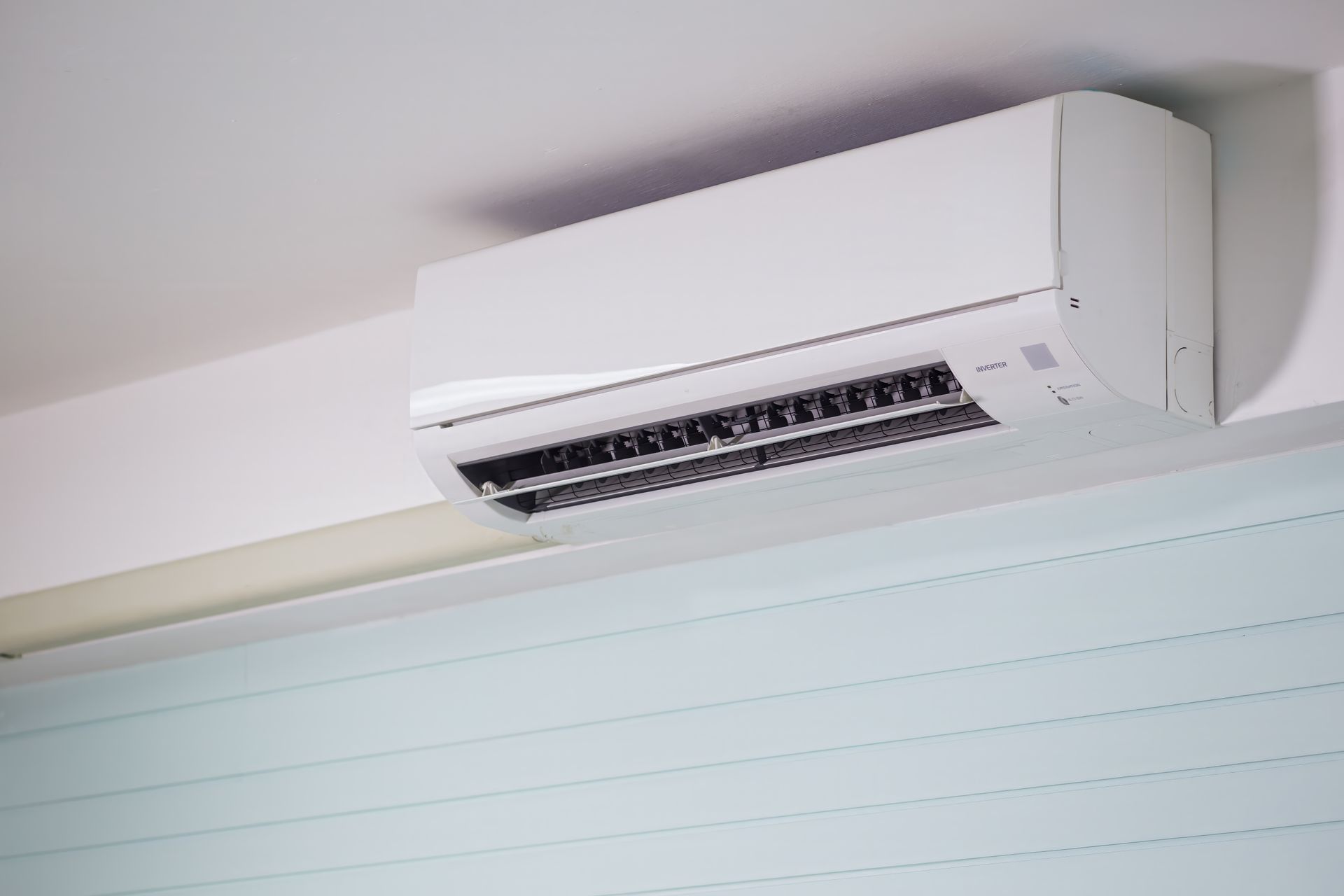
A spotless filter does not make the rest of an air conditioner maintenance-free. Outdoor condenser units need sufficient airflow and should not be buried beneath leaves or other debris. Professional servicing can also identify issues homeowners cannot see. AS USA cites annual professional inspections, while Morrisby told ABC News that manufacturers commonly recommend servicing every 12 to 18 months. Water leaking inside the home, unusual sounds or an AC that stops producing cold air are also signs that cleaning the filter alone is unlikely to solve the problem.
The Better Habit Is Knowing What “Dirty” Looks Like
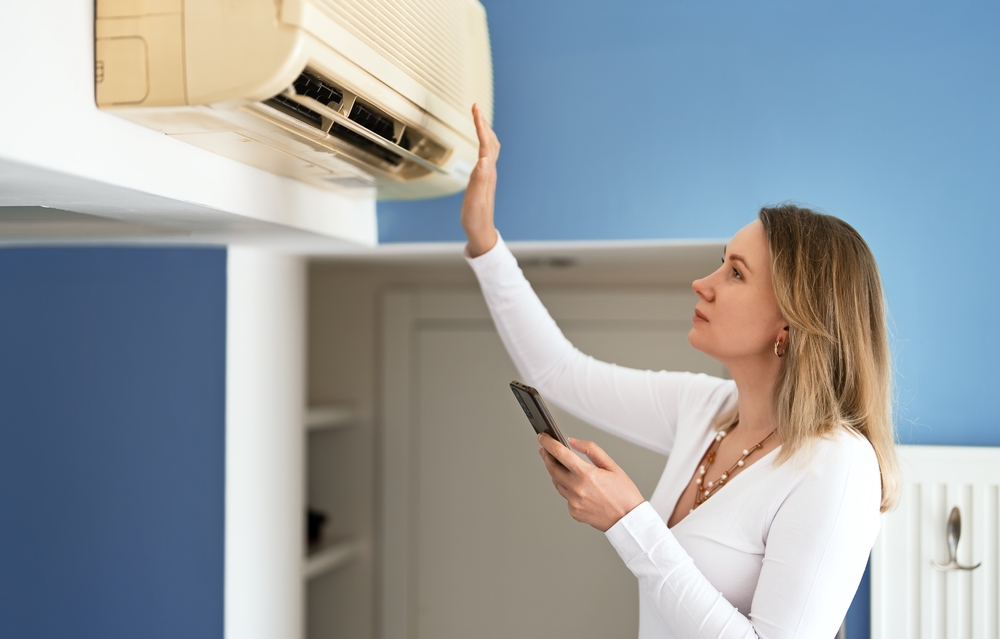
Instead of turning filter cleaning into another automatic weekly chore, homeowners may be better served by learning how quickly their own system collects debris. Check it regularly, follow the manufacturer’s instructions and adjust the routine when pets, construction, extreme heat or other conditions change. Over time, that creates a maintenance schedule based on the home rather than an arbitrary number of days. The filter does not need to look brand new every week. It simply needs enough attention to keep air moving freely and the system working as intended.