You Could Be Wasting Hundreds a Year Every Time You Fill Up
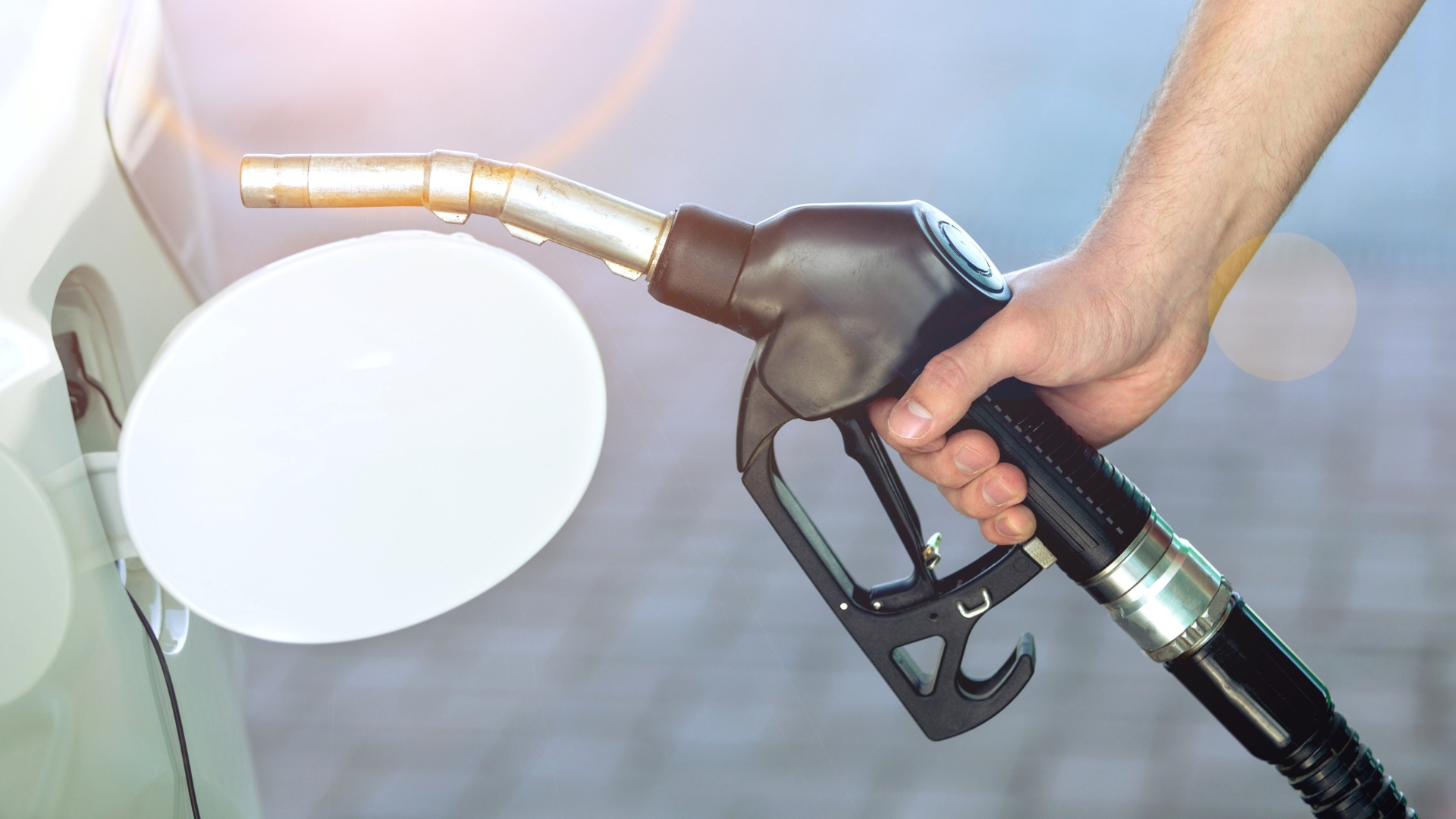

Stopping for gas may feel like one of the most straightforward parts of owning a car, but small habits surrounding every fill-up can quietly make driving more expensive. The price displayed on the pump is only part of the equation, since choosing unnecessary premium fuel, ignoring tire pressure, carrying extra weight, and driving inefficiently can all increase what you ultimately spend. The U.S. Department of Energy says some driving and maintenance changes can produce measurable fuel savings, meaning seemingly minor mistakes can become surprisingly expensive when repeated throughout the year.
Paying for Premium When Your Car Doesn’t Need It
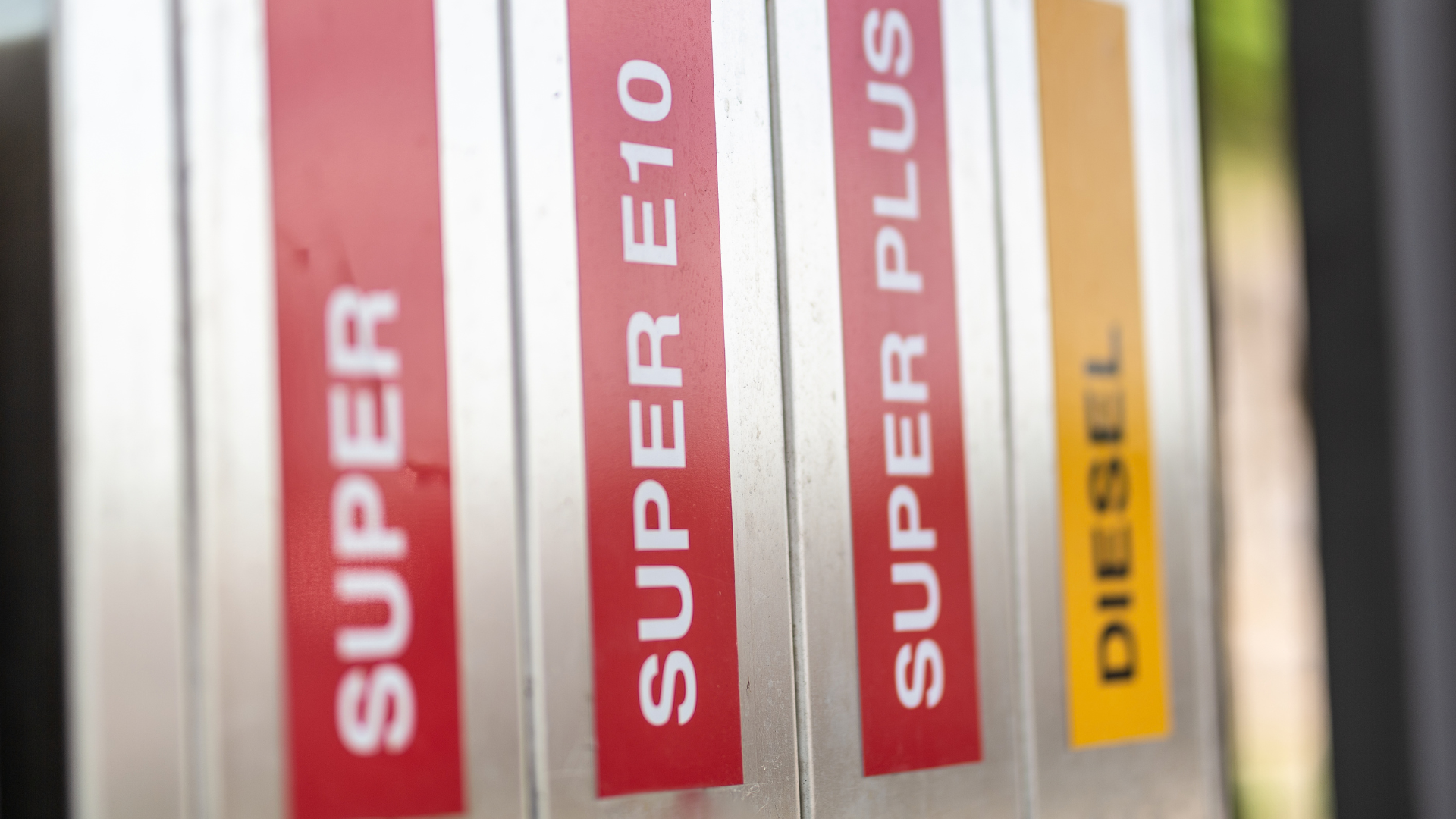
Premium gasoline is important when a vehicle’s manufacturer requires it, and many newer performance and turbocharged engines are designed around higher-octane fuel. However, drivers should check the owner’s manual instead of automatically assuming the most expensive option is better, particularly when regular gasoline is specified. The Department of Energy notes that premium is either required or recommended for more than half of newer light-duty vehicle configurations, but that still leaves many vehicles designed to operate on lower-cost fuel.
Driving Across Town Just to Save a Few Cents
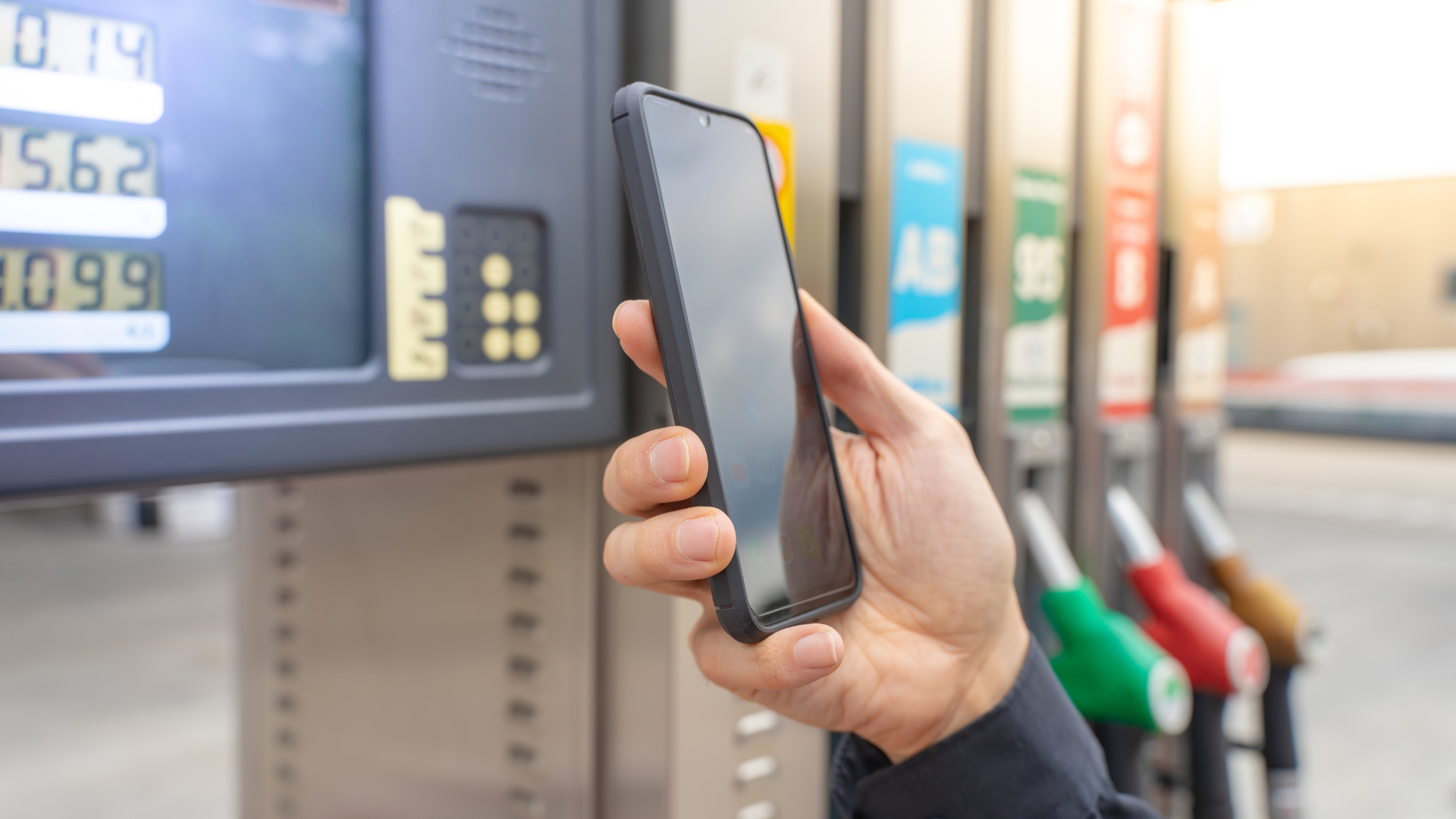
Finding an inexpensive station can save money, but driving several extra miles to shave only a few cents from the price per gallon can erase much of the benefit. The extra trip consumes fuel, adds mileage to the vehicle, and costs time, so the lowest advertised price is not necessarily the cheapest option overall. Comparing stations along a route you already travel is generally more practical than making a special journey solely to chase a tiny difference at the pump.
Ignoring Your Tire Pressure
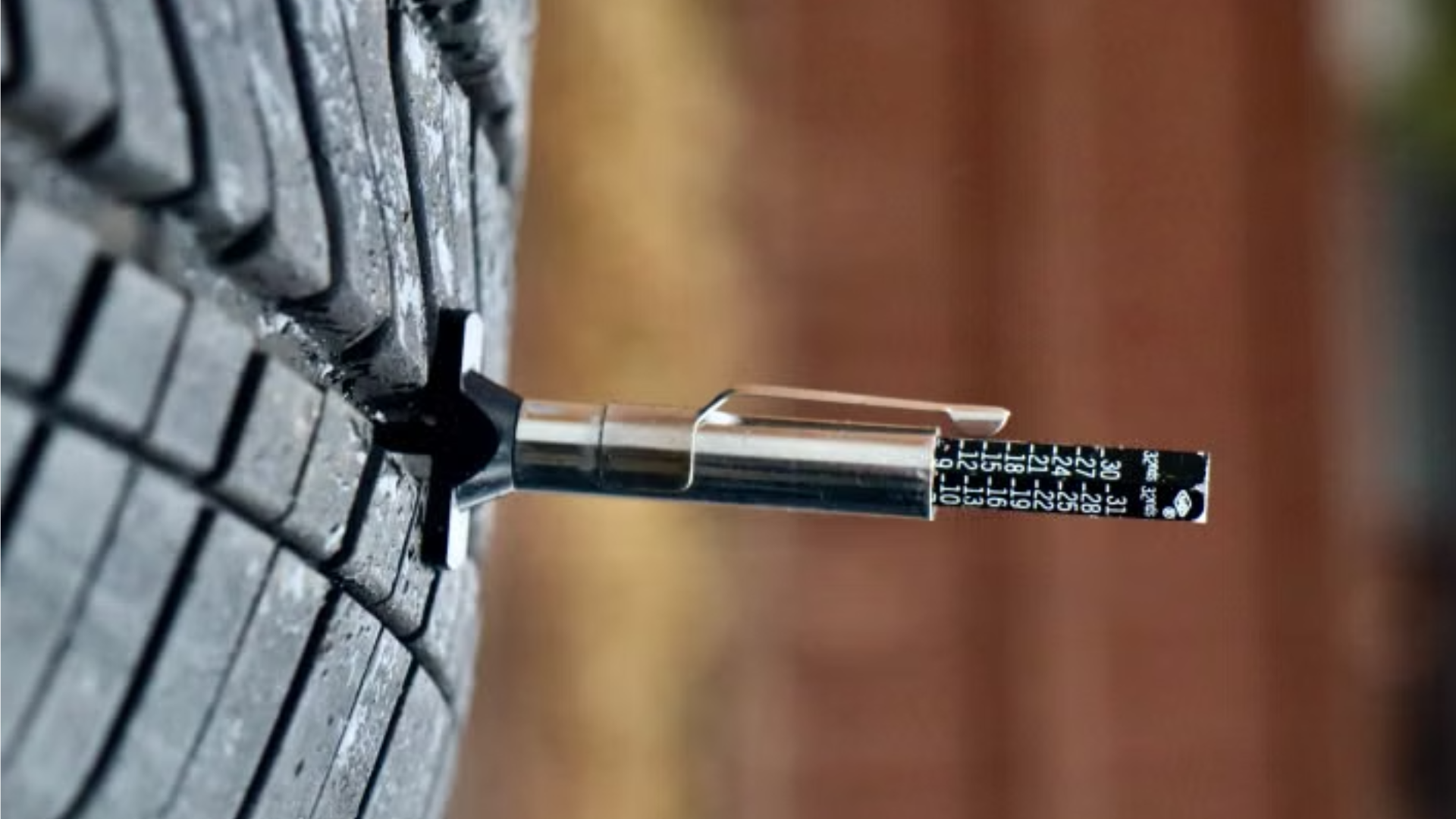
Underinflated tires create additional rolling resistance, forcing the vehicle to use more energy as it moves down the road. Department of Energy guidance says every 1 psi decrease across all four tires can reduce fuel economy by about 0.2%, while properly inflated tires can improve efficiency by an average of roughly 0.6% and by as much as 3% in some situations. Drivers should use the pressure recommended by the vehicle manufacturer, typically found on the driver’s door-jamb label or in the owner’s manual, rather than the maximum pressure printed on the tire itself.
Letting the Engine Idle When You’re Going Nowhere

Leaving the engine running while waiting for someone or sitting in a parking lot may not seem expensive, but an idling vehicle is burning fuel while traveling zero miles. Depending on engine size and air-conditioning use, the Department of Energy estimates idling can consume roughly one-quarter to one-half gallon of fuel per hour. Those minutes can accumulate quickly for drivers who routinely leave their vehicles running, turning an easy-to-overlook habit into another recurring fuel expense.
Treating Every Green Light Like a Starting Line

Aggressive acceleration and hard braking can make a vehicle consume considerably more fuel than smoother driving. Instead of racing toward the next red light and braking at the last moment, the Department of Energy recommends anticipating traffic, accelerating at a moderate rate, and maintaining enough distance to avoid unnecessary braking and acceleration. Driver-feedback devices that encourage more efficient habits have been associated with fuel-economy improvements of up to 10%, although results naturally depend on the vehicle and how someone normally drives.
Driving Faster Can Make Every Gallon More Expensive
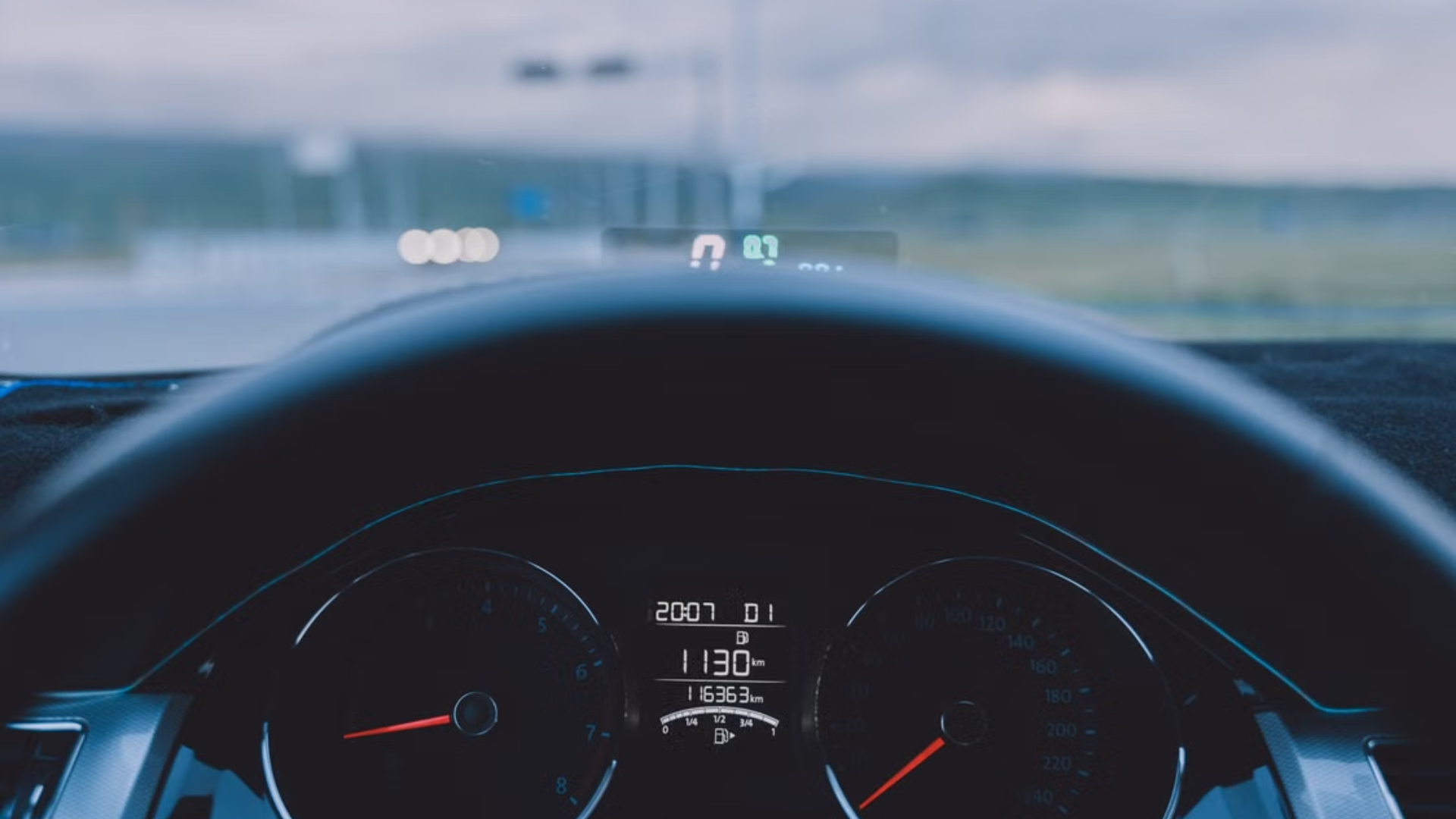
Higher highway speeds do more than increase how quickly you reach the next gas station. Fuel economy generally declines rapidly at speeds above 50 mph, according to Department of Energy guidance, because the engine must work harder as aerodynamic resistance increases. The exact penalty varies by vehicle and conditions, but consistently driving faster can mean filling the tank more frequently even when the route and number of miles traveled remain unchanged.
Turning Your Trunk Into Permanent Storage
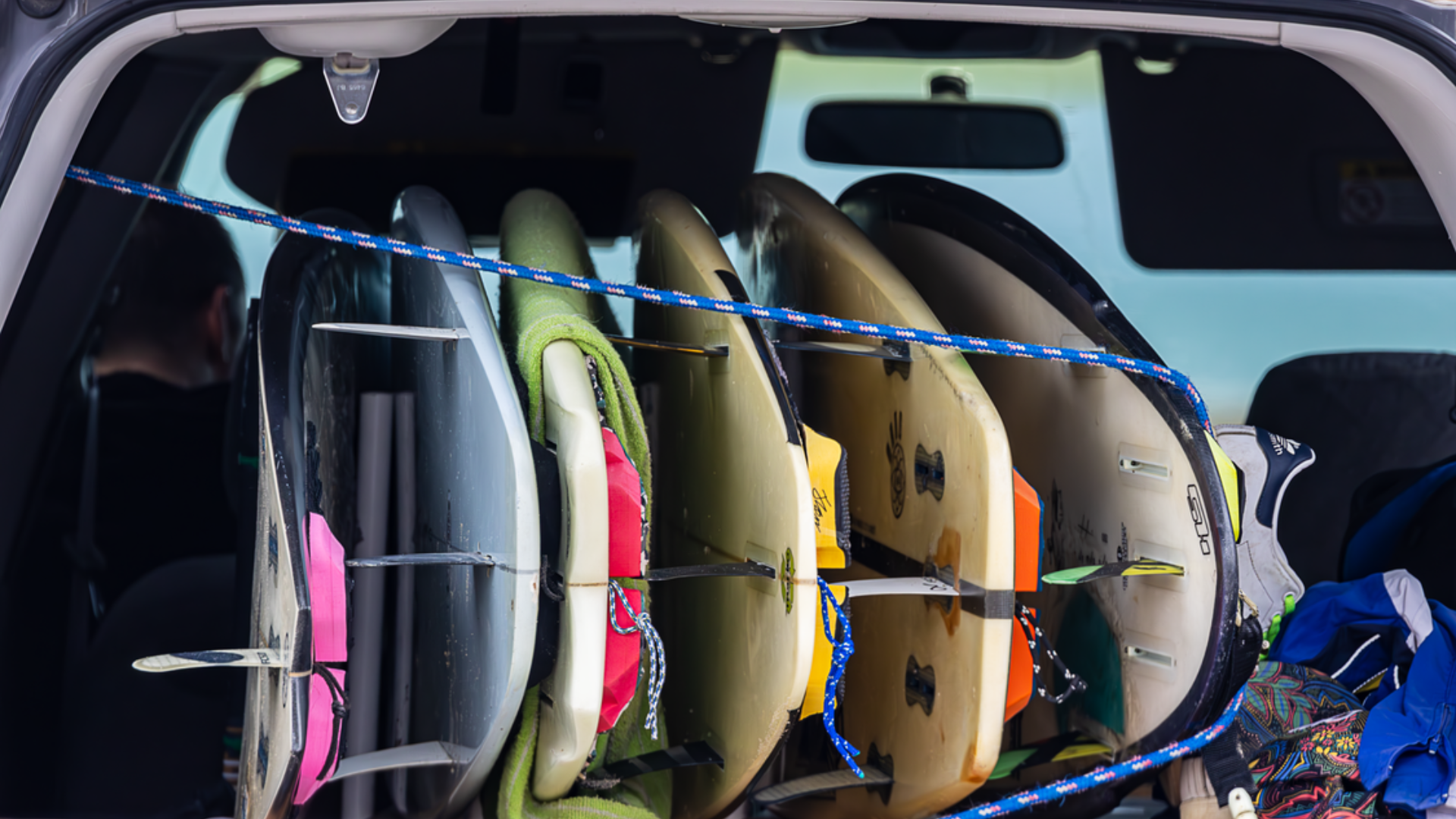
Keeping heavy items in the vehicle week after week means the engine has to move that extra weight on every trip. Department of Energy estimates indicate that carrying an additional 100 pounds can reduce fuel economy by around 1%, with the effect generally more noticeable in smaller vehicles than larger ones. Roof-mounted cargo can be even more troublesome during highway driving because it adds both weight and aerodynamic drag, so removing gear when it is no longer needed can help prevent unnecessary fuel use.
Skipping Basic Maintenance Can Show Up at the Pump
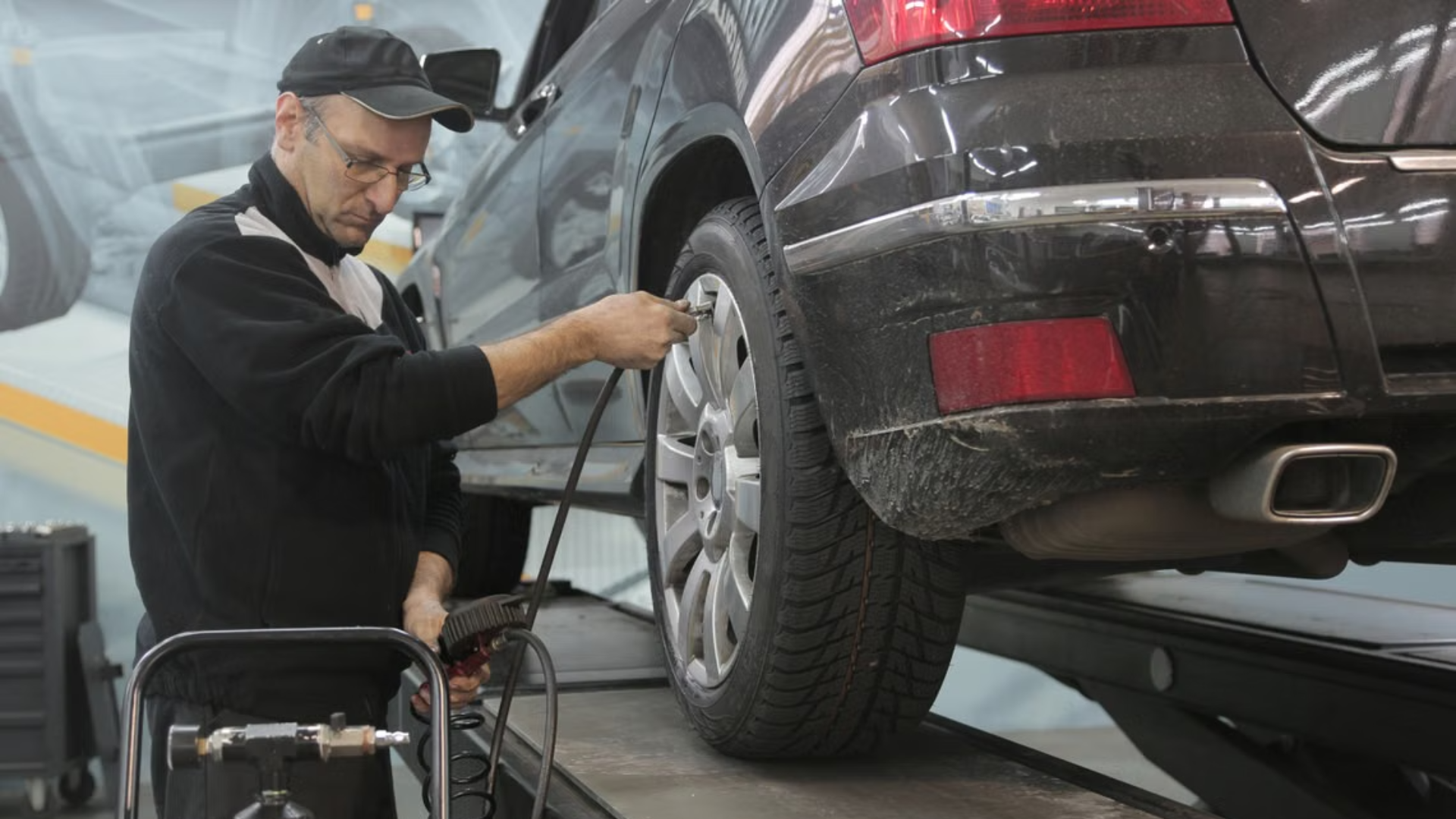
Fuel-saving habits do not end when the nozzle goes back onto the pump. Proper tire inflation, using the manufacturer’s recommended motor-oil grade, and keeping up with vehicle maintenance can help the engine operate as efficiently as intended. Department of Energy guidance says using the recommended grade of motor oil can improve fuel economy by up to 2%, while properly inflated tires also improve efficiency and tire life, making routine maintenance another place where relatively small improvements can accumulate over thousands of miles.
Small Fuel-Wasting Habits Can Become a Big Annual Expense
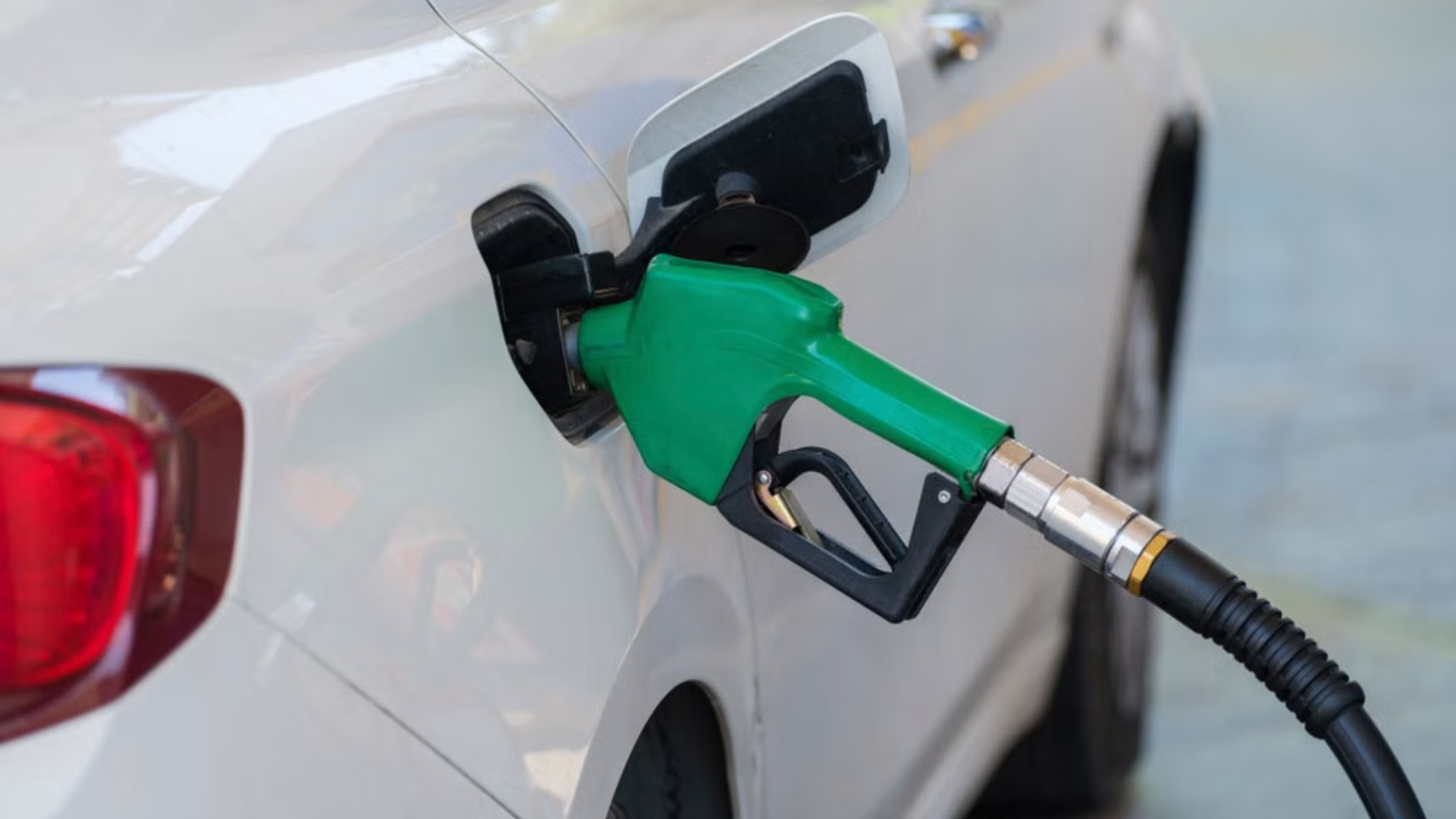
No single mistake necessarily costs a driver hundreds of dollars on its own, and the actual savings depend on mileage, vehicle efficiency, fuel prices, and individual driving habits. The larger problem is what happens when several inefficient habits occur together: unnecessary premium fuel, excessive idling, low tire pressure, aggressive driving, extra weight, and higher speeds can all push fuel costs in the wrong direction. Paying attention to those everyday decisions can help drivers get more miles from the fuel they are already buying without making any major changes to their vehicle.