Yellowstone’s Largest Acidic Geyser Erupts After Years of Silence
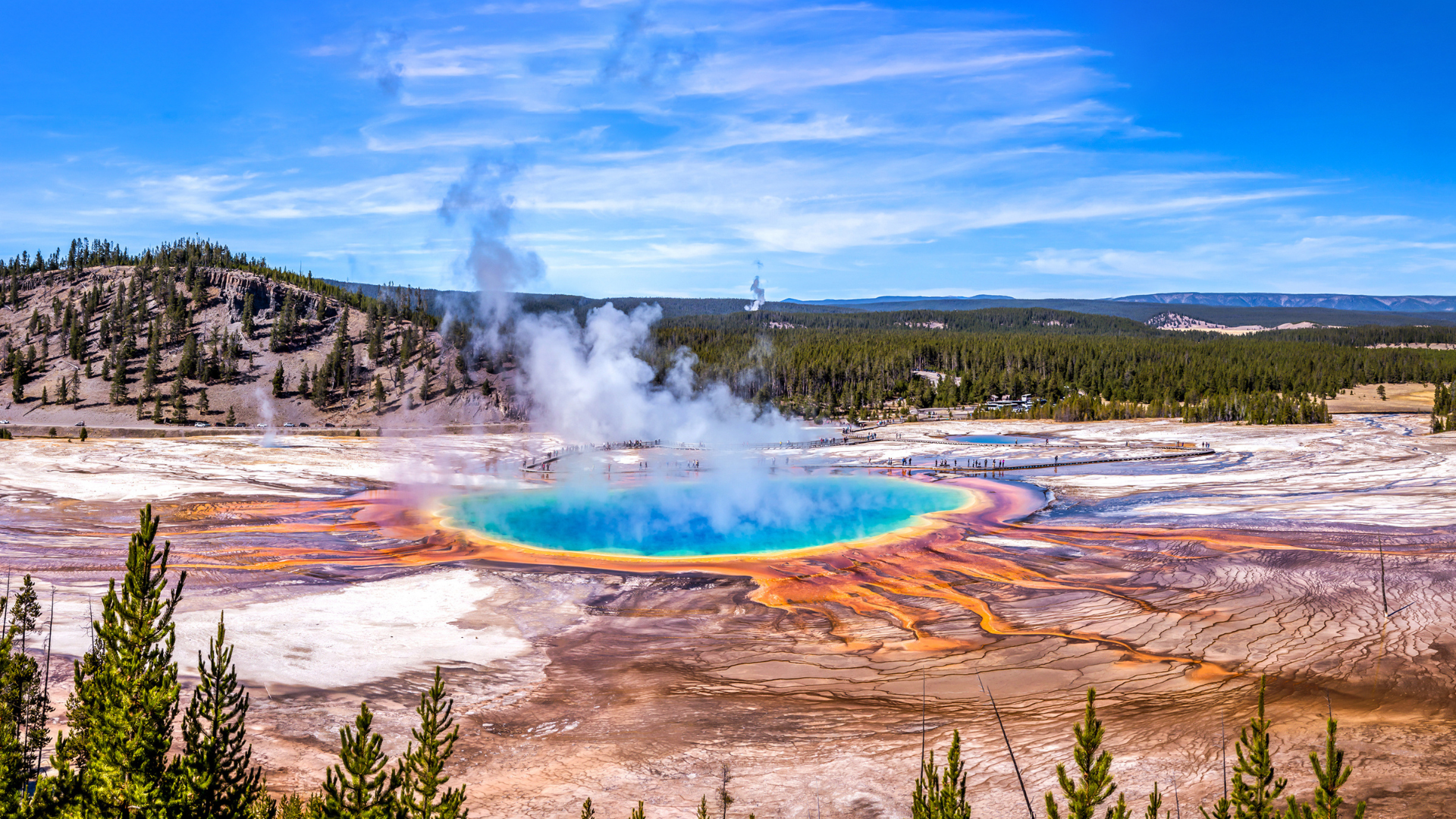

One of Yellowstone’s most unusual geothermal features has suddenly roared back to life. Echinus Geyser, the world’s largest acidic geyser, has erupted again after years of near silence. Scientists say the dramatic return highlights just how dynamic and unpredictable Yellowstone’s underground systems really are, offering a rare glimpse into the powerful forces bubbling beneath the surface.
A Rare and Unusual Geyser
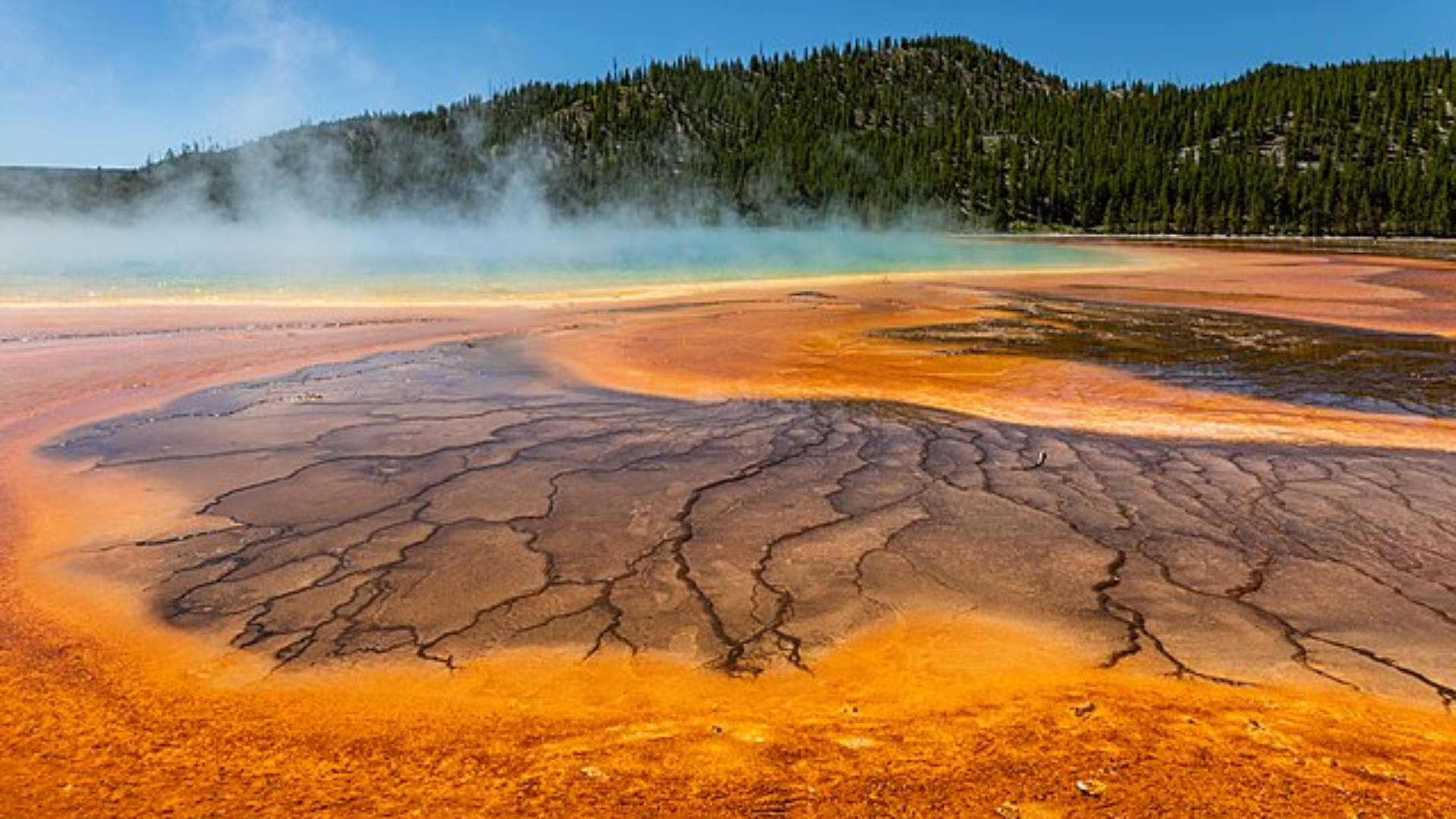
Unlike most geysers, Echinus is highly acidic, with water chemistry comparable to vinegar. This makes it extremely rare, as acidic water can erode the surrounding rock that forms geyser systems. Its unique composition also gives it a reddish hue due to dissolved minerals like iron and arsenic.
First Eruption in Years
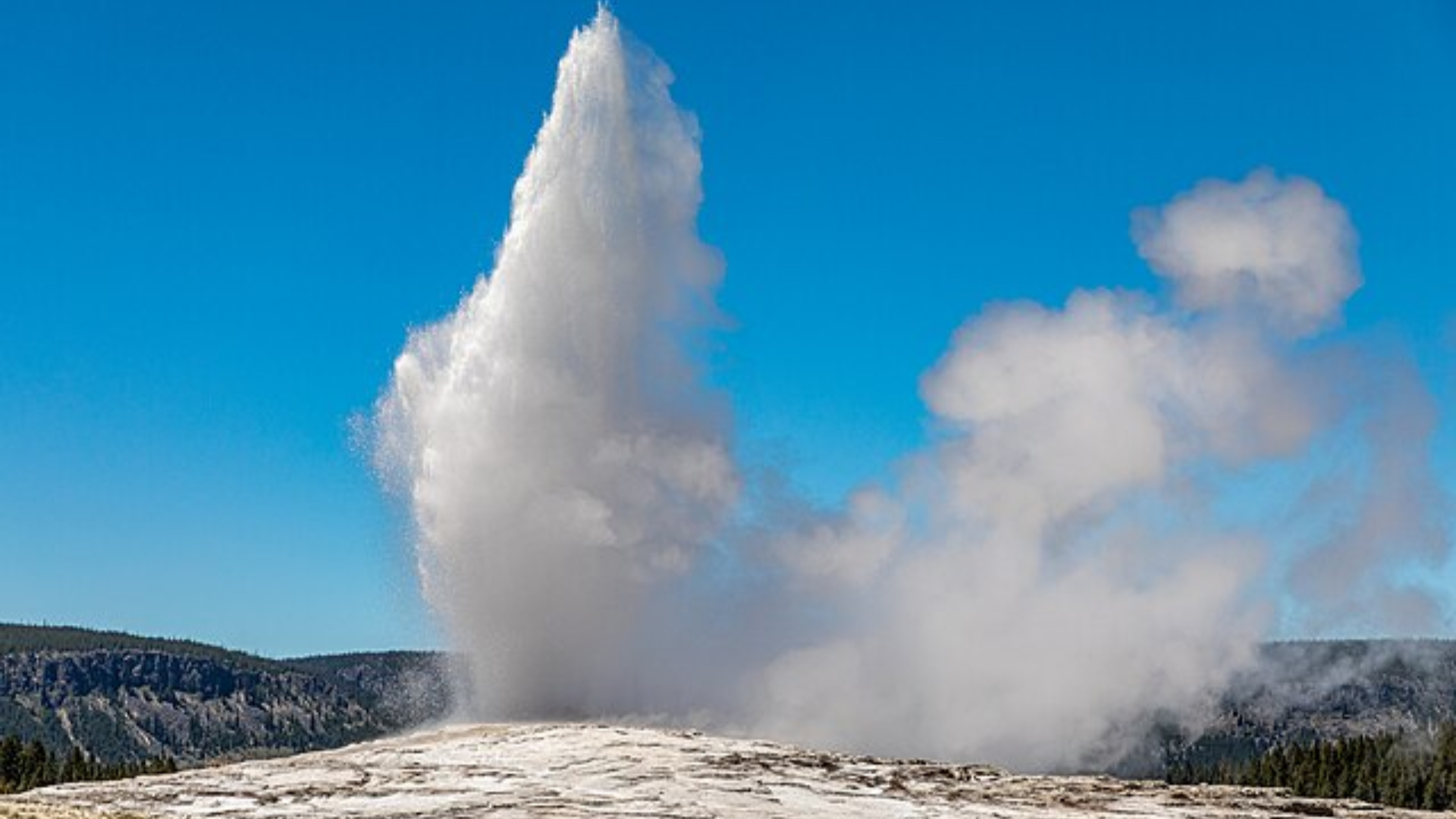
The geyser had been largely dormant since late 2020, with no major eruptions recorded for years. That changed in early February 2026, when scientists observed renewed activity and the first eruption in more than half a decade.
Activity Quickly Intensified
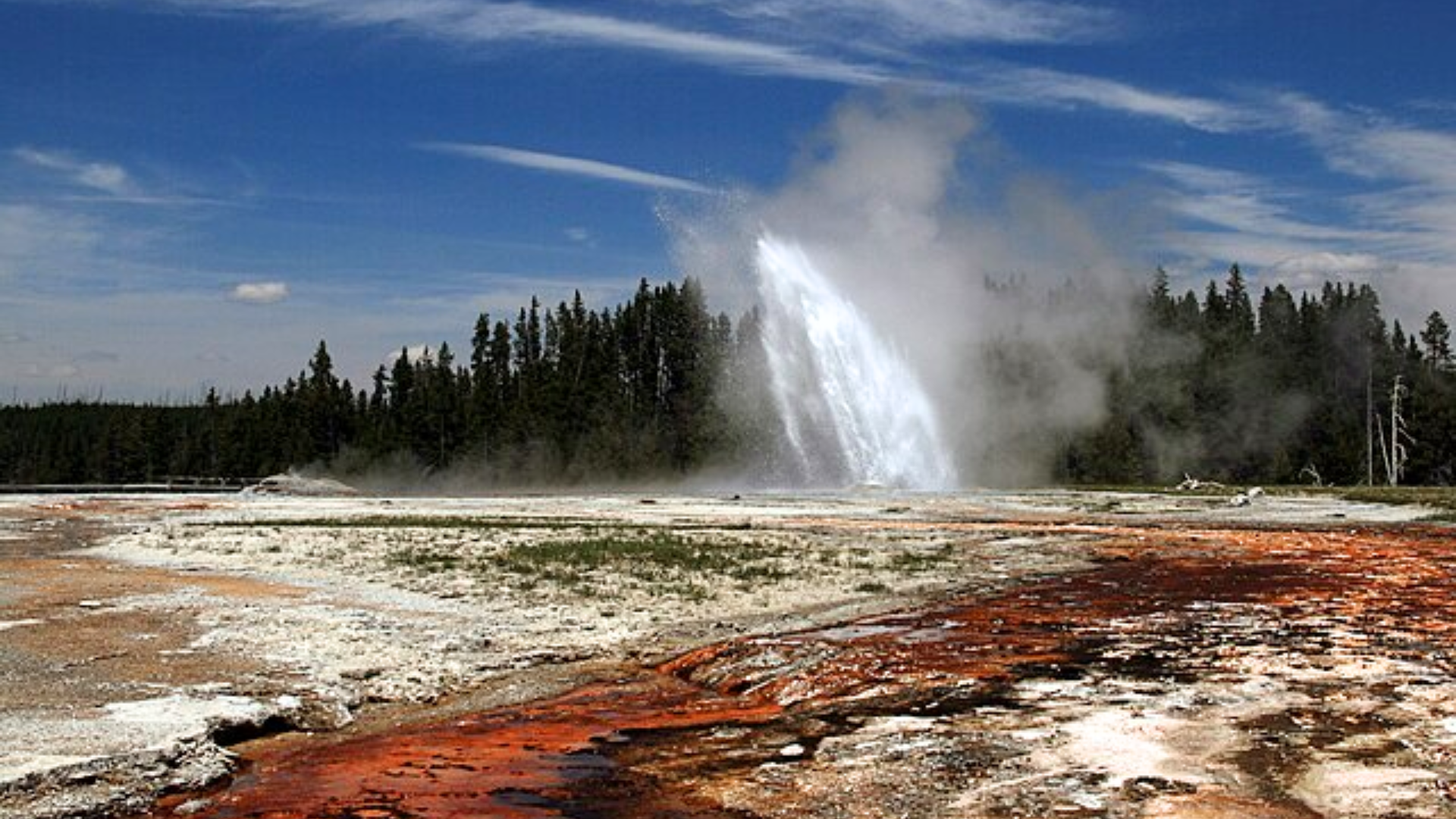
After the initial eruption, activity ramped up quickly. By mid-February, eruptions were occurring every two to five hours, signaling a dramatic shift from years of inactivity. Researchers say this pattern closely resembles previous active periods seen in 2017.
How Powerful Are the Eruptions?
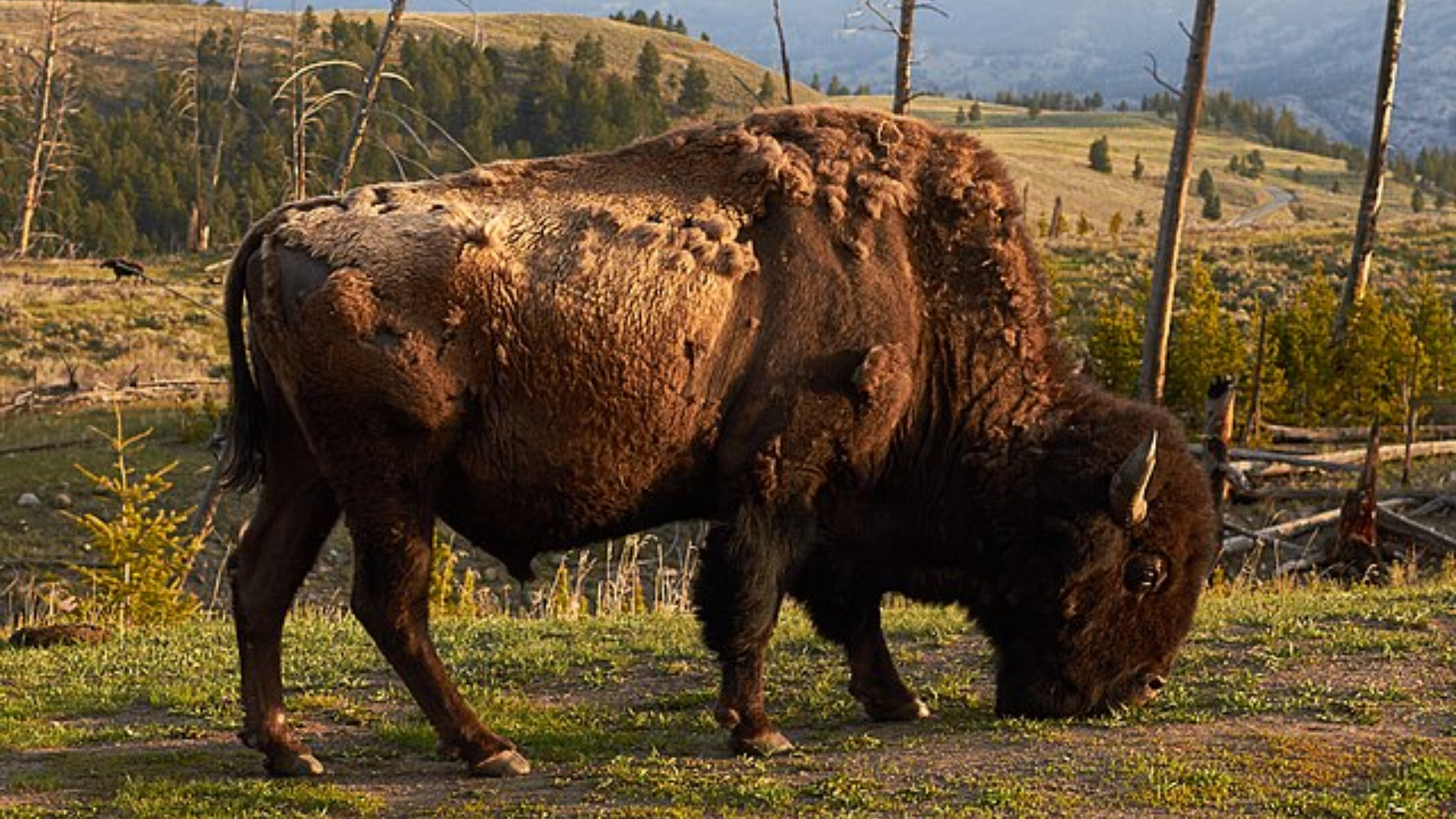
Each eruption lasts about two to three minutes and can send water as high as 20 to 30 feet into the air. After each burst, the geyser’s water level drops significantly before slowly refilling over the next hour.
Located in Yellowstone’s Most Extreme Region
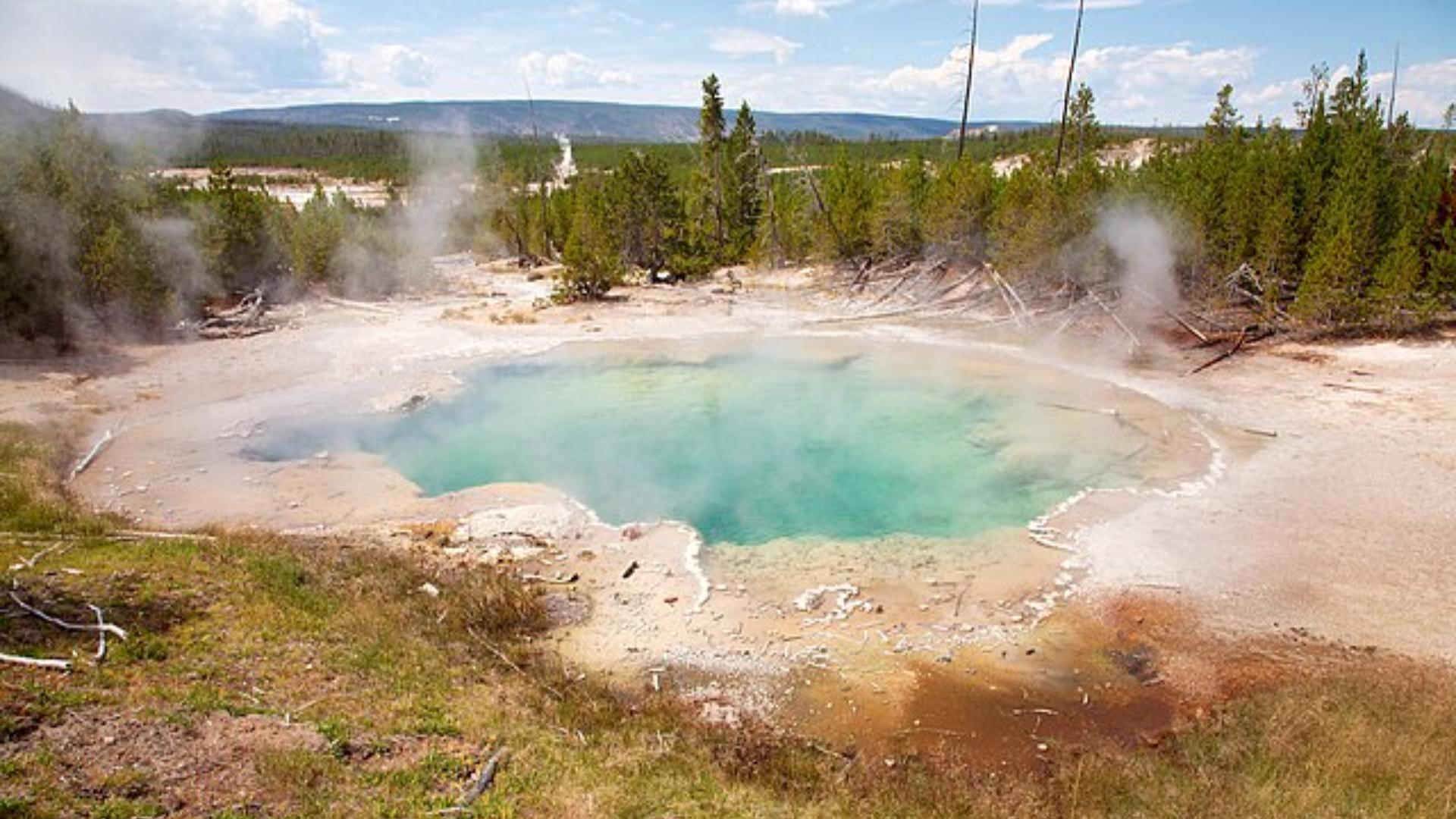
Echinus is located in the Norris Geyser Basin, one of the hottest and most volatile thermal areas in Yellowstone. This region is known for its constantly shifting underground plumbing system, which can cause sudden changes in geyser activity.
Why Do Geysers Go Dormant?
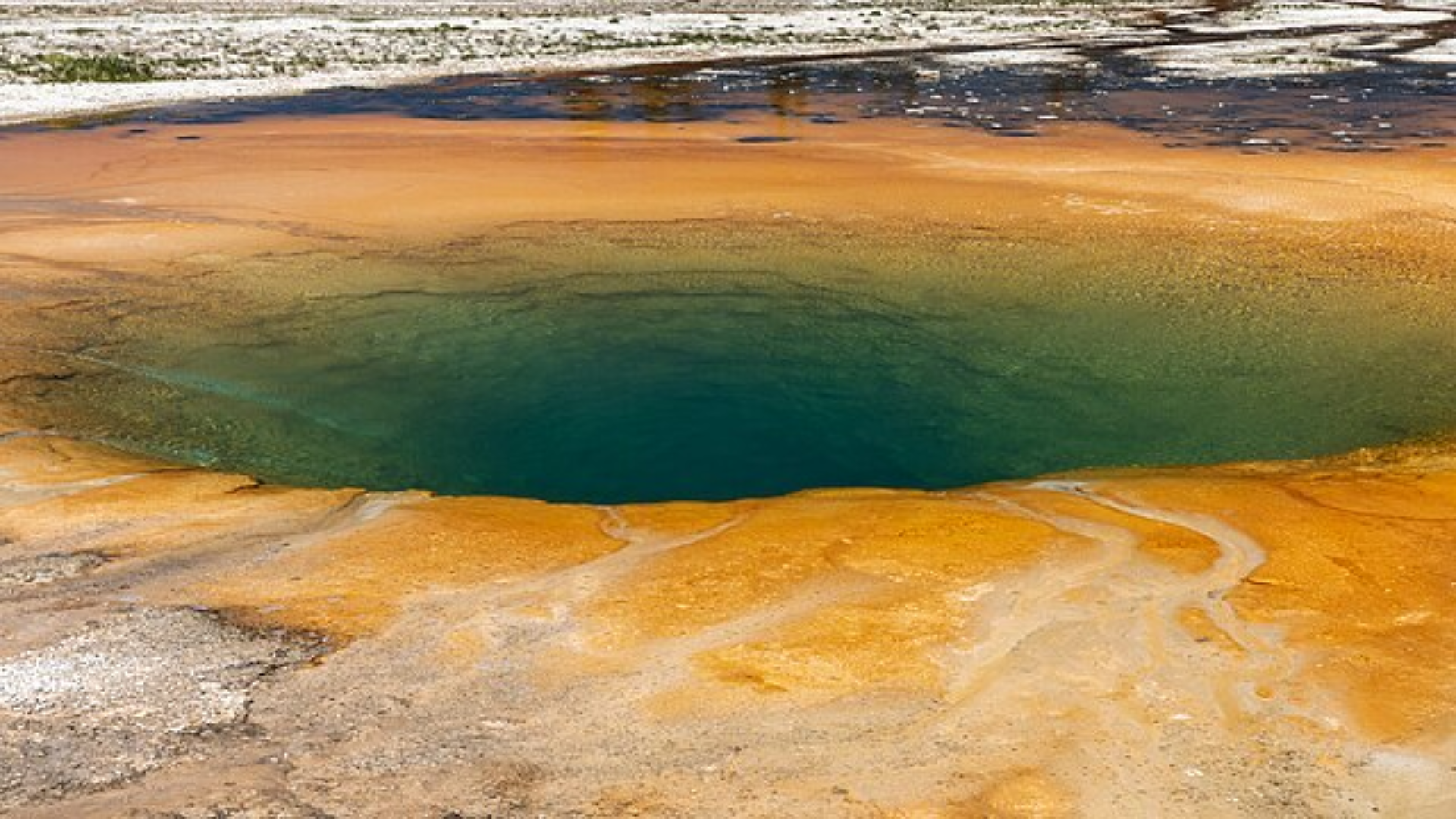
Scientists believe geysers stop erupting when underground water channels become blocked or redirected. Changes in pressure, heat flow, or water supply can shut down activity for years, only for it to return unexpectedly when conditions shift again.
A History of Unpredictable Behavior
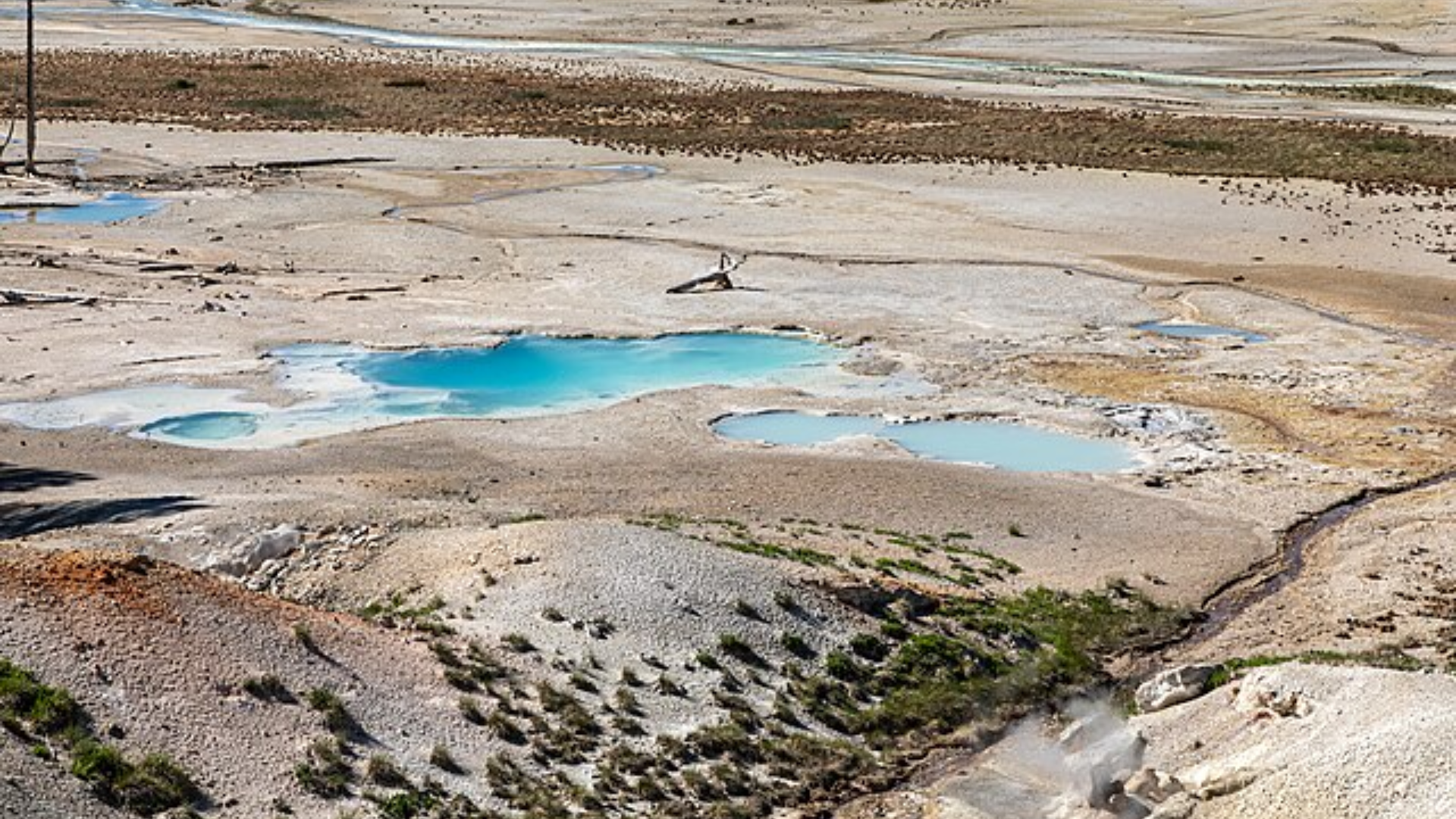
Echinus hasn’t always been quiet. In the late 20th century, it was known for frequent eruptions, sometimes occurring every hour. Over time, however, its activity became irregular, with long dormant periods punctuated by sudden bursts of activity.
What This Means for Yellowstone
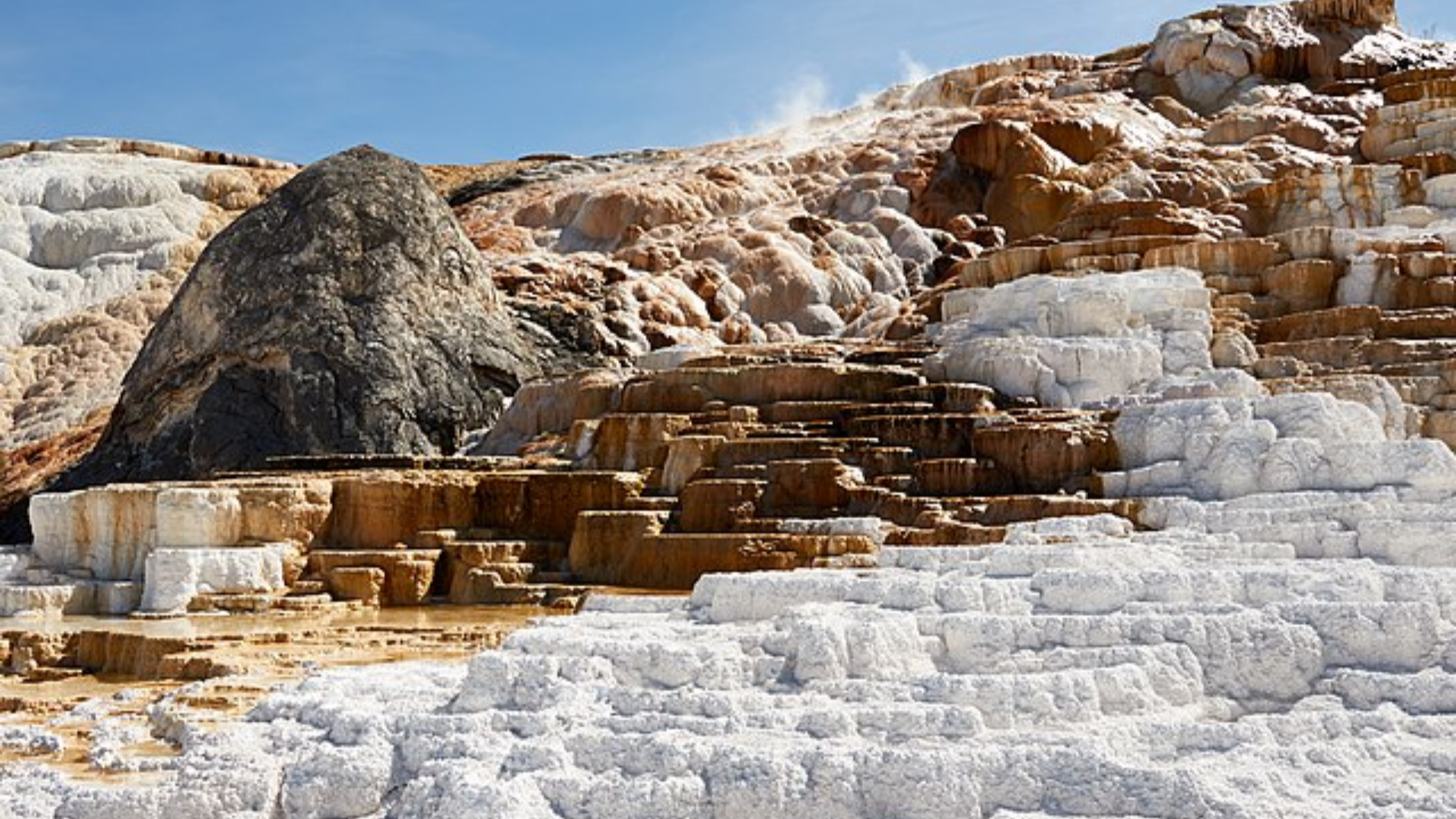
The geyser’s return is a reminder that Yellowstone’s geothermal system is constantly evolving. While dramatic, scientists emphasize that this type of activity is normal and not a sign of an impending volcanic eruption. Instead, it reflects natural changes in the park’s vast underground hydrothermal network.
A Powerful Reminder of Nature’s Unpredictability
It’s unclear how long this renewed activity will last. Past patterns suggest the geyser could remain active for weeks or months before quieting again. For now, experts say visitors may have a rare opportunity to witness one of Yellowstone’s most elusive features in action. The sudden awakening of Echinus Geyser shows just how little we truly control or predict the natural world. After years of silence, one of Yellowstone’s most unusual features is once again putting on a powerful display. For scientists and visitors alike, it’s a striking reminder that beneath Yellowstone’s beauty lies a constantly shifting and deeply dynamic system.