Wyoming City Tightens Wastewater Rules After Bacteria Is Linked to Meta Data Center Contractor
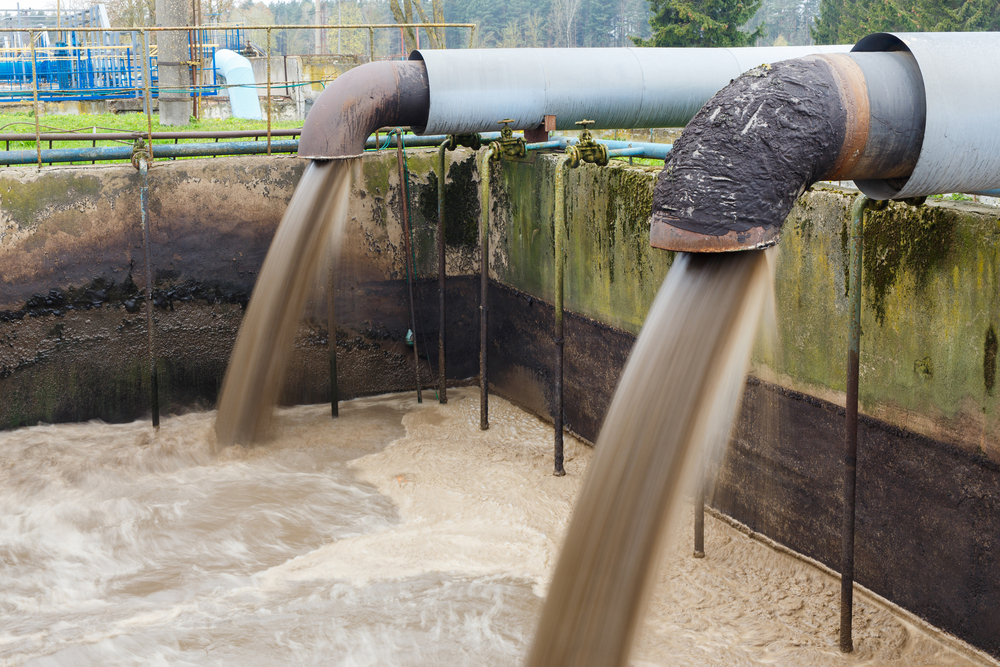

What began as a routine inspection of Cheyenne’s reclaimed water system quickly turned into a months-long investigation with consequences reaching one of the world’s biggest tech companies. Local officials traced a rare bacterium found in the city’s wastewater treatment system to a contractor working on Meta’s massive data center project, prompting new wastewater restrictions and renewed questions about how fast-growing AI infrastructure is affecting local communities.
The Discovery Started With Routine Monitoring

The Cheyenne Board of Public Utilities detected Cupriavidus gilardii during routine testing of its reclaimed water irrigation system in February. After months of sampling and investigation, officials concluded that the contamination originated from wastewater discharged during construction of Meta’s “Project Cosmo,” a data center campus being built outside Wyoming’s capital. The project itself is still under construction and is not yet operational.
How Construction Wastewater Became the Focus

The wastewater wasn’t coming from the future data center’s daily operations. Instead, it was generated during “fill-and-flush” work, a construction process that uses water to clean newly installed cooling pipes by removing welding residue, pipe scale, and other debris before the systems are placed into service. Officials determined that wastewater from those activities entered the municipal sewer system, interfering with Cheyenne’s reclaimed water treatment process.
A Rare Bacterium Raised Bigger Questions

Cupriavidus gilardii is a naturally occurring bacterium commonly found in soil and groundwater, making it very different from bacteria associated with sewage contamination. Even so, infectious disease experts say human infections are extremely rare but can be serious, particularly for people with weakened immune systems. SFGATE reported that only a handful of human infections have been documented worldwide, with several proving fatal, which is why officials took the discovery seriously despite the low overall risk.
Officials Say Drinking Water Was Never Contaminated

One of the most important distinctions throughout the investigation was that Cheyenne’s drinking water remained safe. The bacterium was found in the city’s reclaimed water program, which treats wastewater for non-potable uses such as irrigating parks and public green spaces. Even so, utility officials worried that spraying reclaimed water into the air could create aerosols capable of exposing workers or the public if contamination remained.
Meta Says It Acted Immediately

Meta said its general contractor, Fortis Construction, stopped discharging industrial wastewater as soon as the Board of Public Utilities notified the company about the findings. According to the company, Fortis also began hauling wastewater off-site and hired an independent environmental specialist to conduct additional testing, which Meta says found no trace of the bacterium. The company added that it remains committed to being “a good neighbor” and will continue working with city officials to resolve the matter.
Cheyenne Responded With Permanent Rule Changes

The incident didn’t end with the cleanup. After tracing the contamination to the construction project, Cheyenne permanently revoked the contractor’s wastewater discharge privileges and adopted new rules prohibiting wastewater from fill-and-flush operations and closed-loop cooling systems from entering the city’s sewer network. Contractors must now collect and dispose of that wastewater separately rather than sending it through municipal treatment facilities.
The Cleanup Took Months

As a precaution, officials temporarily shut down Cheyenne’s reclaimed water irrigation program while crews drained, disinfected, and tested the entire reuse network. After extensive monitoring, only minimal residual traces of the bacterium remained, and local public health officials approved the system’s return to service. Irrigation resumed only after the city determined the reclaimed water program could safely restart.
The Incident Arrives as AI Infrastructure Faces Greater Scrutiny

The wastewater investigation comes as communities across the United States debate the environmental impact of rapidly expanding AI data centers. Large facilities require significant amounts of water and electricity, leading some residents to question whether existing infrastructure can keep pace. While this incident involved construction wastewater rather than the operation of the data center itself, it has added another layer to ongoing discussions about how these projects should be regulated and monitored.
The Lasting Impact May Be the New Rules, Not the Bacteria

The bacterium has been removed from Cheyenne’s reclaimed water system, and officials maintain that public drinking water was never at risk. Yet the investigation has already produced a lasting change: future data center projects in the city will face stricter wastewater requirements than those that came before. As construction of AI infrastructure accelerates across the country, Cheyenne’s response could become a model for how local governments balance economic development with protecting public utilities and community confidence.