144 Years in the Making, the World’s Tallest Church Finally Reaches Its Summit
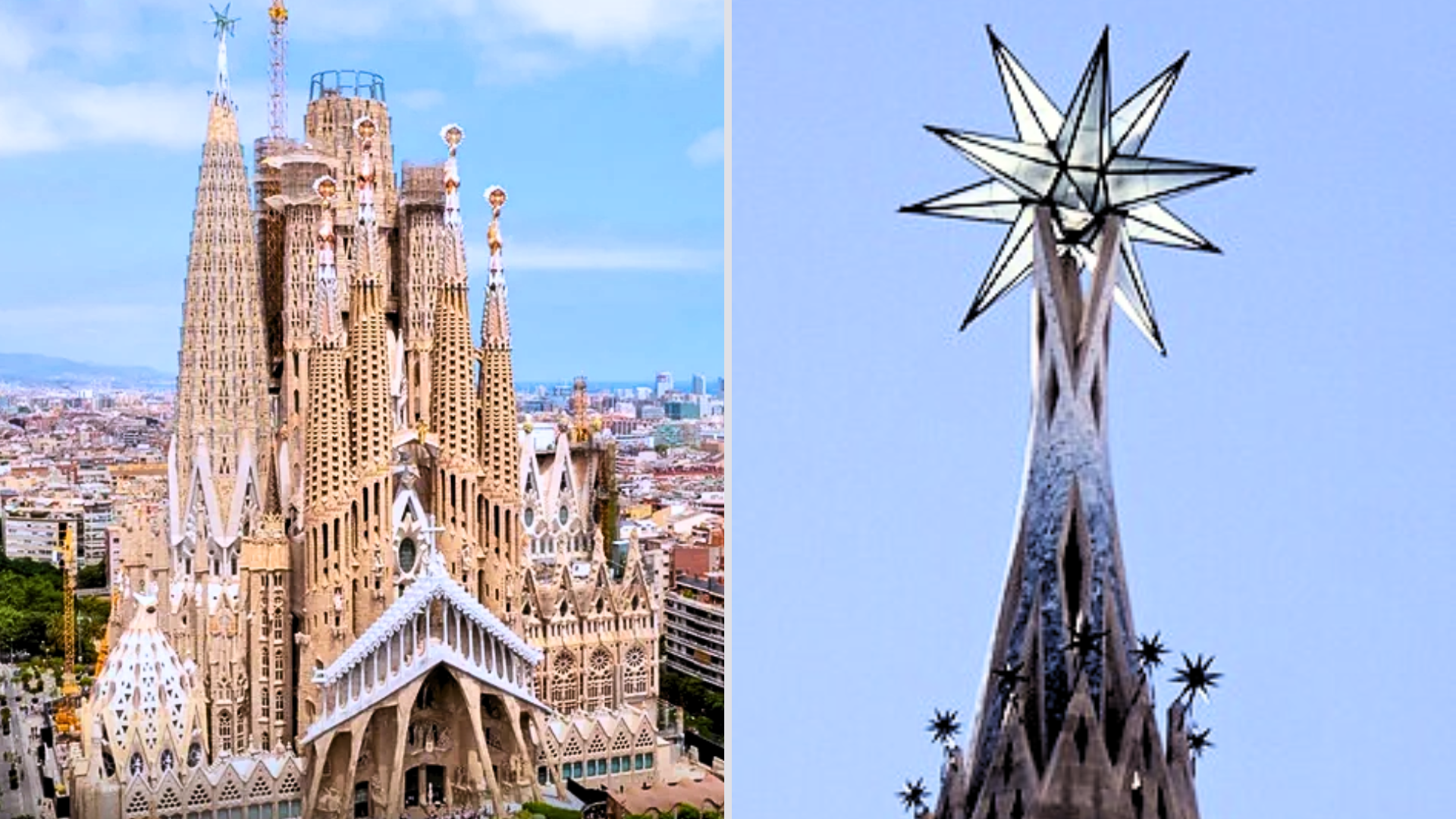

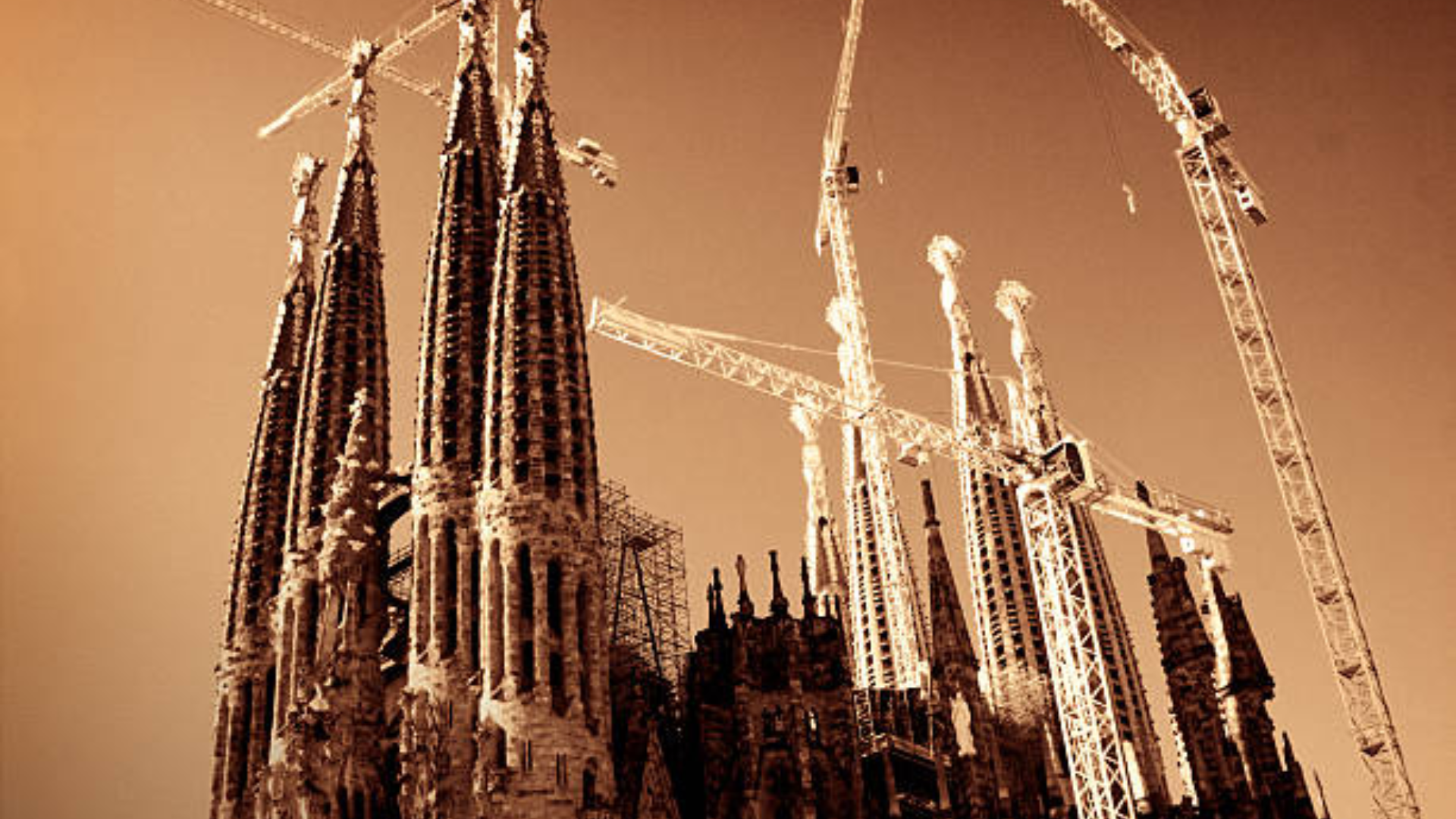
In the heart of Barcelona, a construction crane has just made history by placing the final piece of a puzzle that began in the 19th century. For 144 years, the Sagrada Família has existed as a skeletal forest of stone, a project so famously unfinished that many believed it would never be completed. But this week, the “world’s tallest church” finally reached its literal apex, surpassing Germany’s Ulm Minster to claim the record. The sight of the massive upper arm of a cross being secured 566 feet in the air marks the end of an era for the most ambitious building site on the planet.
The journey to this summit has been anything but smooth. Since ground was broken in 1882, the project has survived the death of its visionary creator, the destruction of its blueprints during the Spanish Civil War, and the biting criticism of some of history’s most famous writers. It is a building that George Orwell once famously called “hideous,” yet it has become a UNESCO World Heritage site and a global symbol of architectural perseverance. The recent milestone doesn’t just add height; it adds a definitive cap to a century and a half of vertical dreaming.
What makes this week’s achievement particularly surprising is the high-tech, international effort required to finish a 19th-century vision. The final components were not carved on-site but were part of a secret, cross-border logistics operation involving artisans thousands of miles away. What researchers and engineers found next during the final assembly would ensure that the cross doesn’t just sit there, it is designed to dominate the skyline in a way no other church can.
The Shocking 566-Foot Apex
The crowning glory of the basilica is the Tower of Jesus Christ, which now stands as the undisputed tallest point of the structure. The final piece, a nearly 15-foot cross arm, was constructed using a sophisticated blend of glass, ceramic tile, and local Catalan stone. Despite its ancient appearance, the cross was actually built in modular sections by specialized artisans in Germany. From there, it was transported by ferry and truck to Spain, where crane crews performed a “surgical” installation to lock it into place at a height roughly the length of a school bus taller than its predecessor in Germany.
The cross is more than a decorative cap; it is a hollow, functional space. It features an internal spiral staircase and is designed to be illuminated from within, fulfilling architect Antoni Gaudí’s original 140-year-old goal of having the cross “shine day and night” over the city. This engineering marvel is the culmination of decades of computer modeling and acoustic surveys. Gaudí even designed the 18 separate spires, representing the apostles, evangelists, and the Virgin Mary, to act as a massive musical instrument, funnelling the sound of wind-driven tubular bells down into the congregation.
The physical evidence of the church’s “strangeness” is rooted in Gaudí’s signature Catalan Art Nouveau style, which eschews straight lines for organic, bone-like structures. While the exterior is now technically finished, the interior remains a hive of activity. The next phase involves the installation of the Agnus Dei (Lamb of God) sculpture, designed by Italian artist Andrea Mastrovito. This work will be suspended inside a geometric “hyperboloid” structure, using glass fragments to catch the light filtered through the new summit.
A Milestone That Changes Architecture
The completion of the exterior marks a massive pivot for the city of Barcelona and the world of architecture. For over a century, the Sagrada Família was a “perpetual project,” a symbol of the unfinished. Reaching the summit changes the narrative from a work-in-progress to a finished landmark, potentially altering the flow of the 20 million tourists who visit the site annually. However, the transition from a living construction site to a finished monument is bittersweet for those who saw the cranes as a permanent part of the city’s soul.
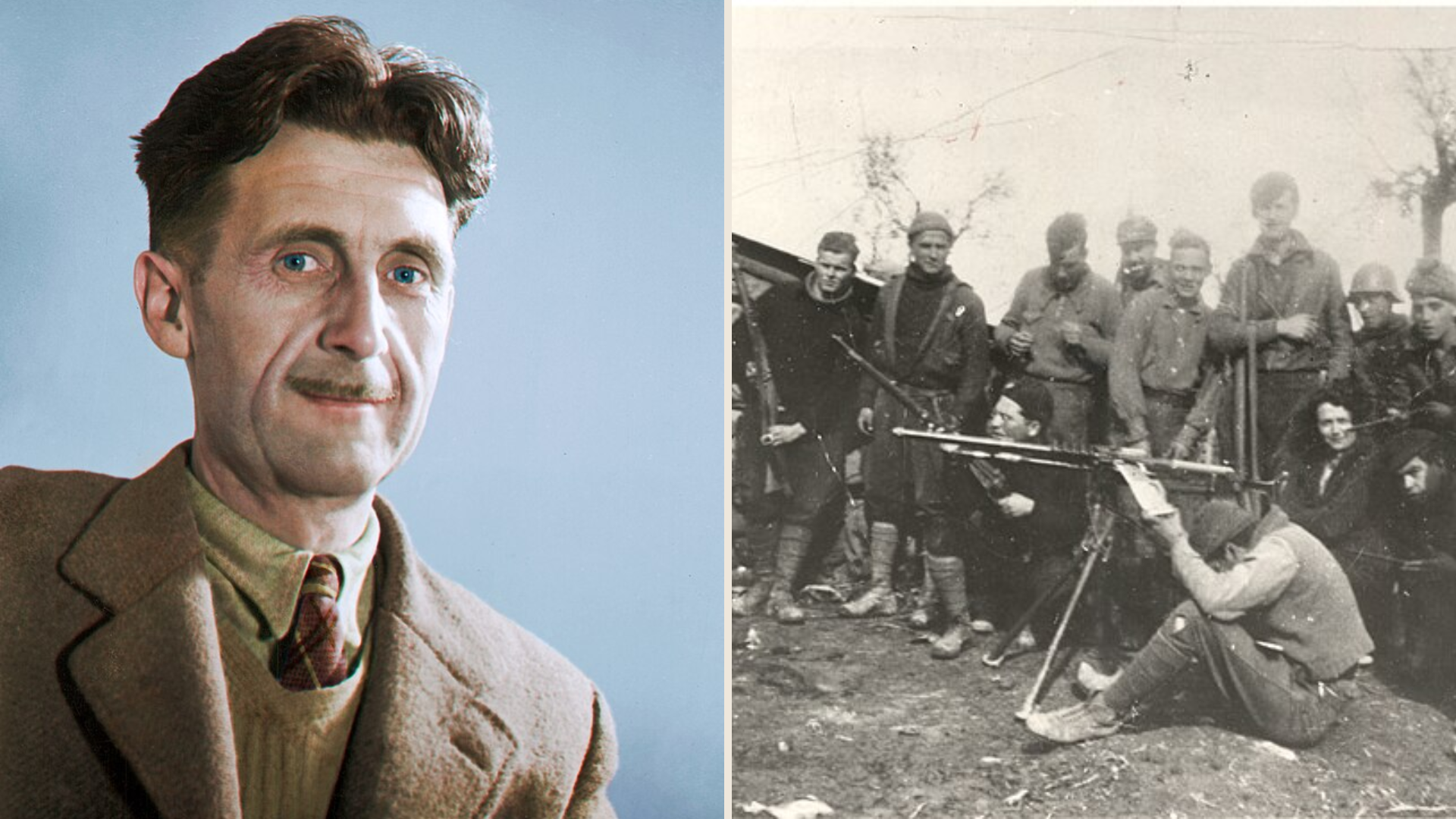
The impact of this milestone is also raising old ghosts. Detractors like George Orwell, who once wrote that the anarchists showed “bad taste” by not blowing the building up during the Spanish Civil War, are being quoted once again. The building’s bizarre, melting-wax appearance continues to divide public opinion. Is it a masterpiece of organic design or a chaotic eyesore? By finally reaching its full height, the church forces a global audience to reckon with Gaudí’s polarizing vision on its own terms.
Widen your scope, and you see the larger implications for historical preservation. The project only survived because researchers used 3D scanning and AI to reconstruct Gaudí’s original plaster models, which were smashed by revolutionaries in 1936. This “technological resurrection” shows how modern science can bridge a century-long gap in human knowledge. It reflects a broader pattern in the 21st century: using the digital future to finally fulfill the promises of the analog past.
The 152-Year Countdown to 2034
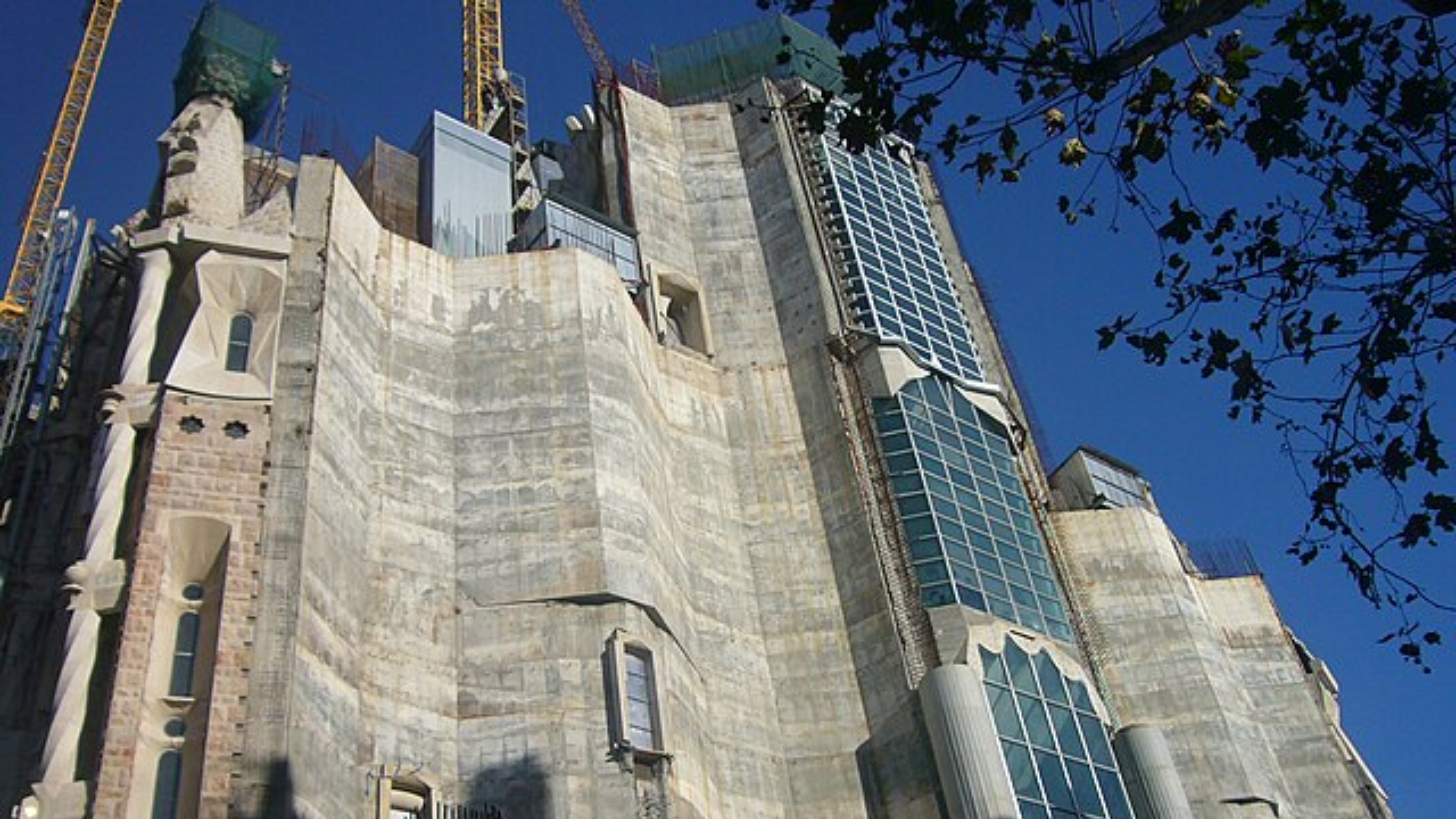
As the dust settles on the exterior, the clock is now ticking toward the final, absolute completion of the entire project, projected for 2034. This date would mark exactly 152 years since the first stone was laid. The focus now shifts entirely to the decorative interior and the massive “Glory Facade,” which will serve as the main entrance. The completion will also coincide with the centennial celebrations of Gaudí’s death, a poetic finish for a man who spent his final 15 years living on-site as a virtual hermit.
The return to urgency is felt by the craftsmen who are now racing to finish the intricate stonework of the interior. While the summit is reached, the “Water Bankruptcy” of original materials means that every new piece must be carefully color-matched to stone that was quarried over a century ago. The challenge for the next decade will be maintaining the soul of the building while integrating the modern safety and accessibility standards required for a 21st-century global attraction.
The Sagrada Família’s 144-year climb to the top proves that some things are worth the wait. Gaudí himself famously brushed off concerns about the slow pace of construction, reportedly joking that his “client” (God) was not in a hurry. As the cross finally catches the sun over Barcelona, it serves as a powerful, quotable reminder that humanity’s most enduring achievements are rarely built in a day. The world’s tallest church has found its head; now it just needs to find its final peace.