World’s Biggest Airlines Cancel Flights Amid Jet Fuel Shortages and Costs Surge Globally
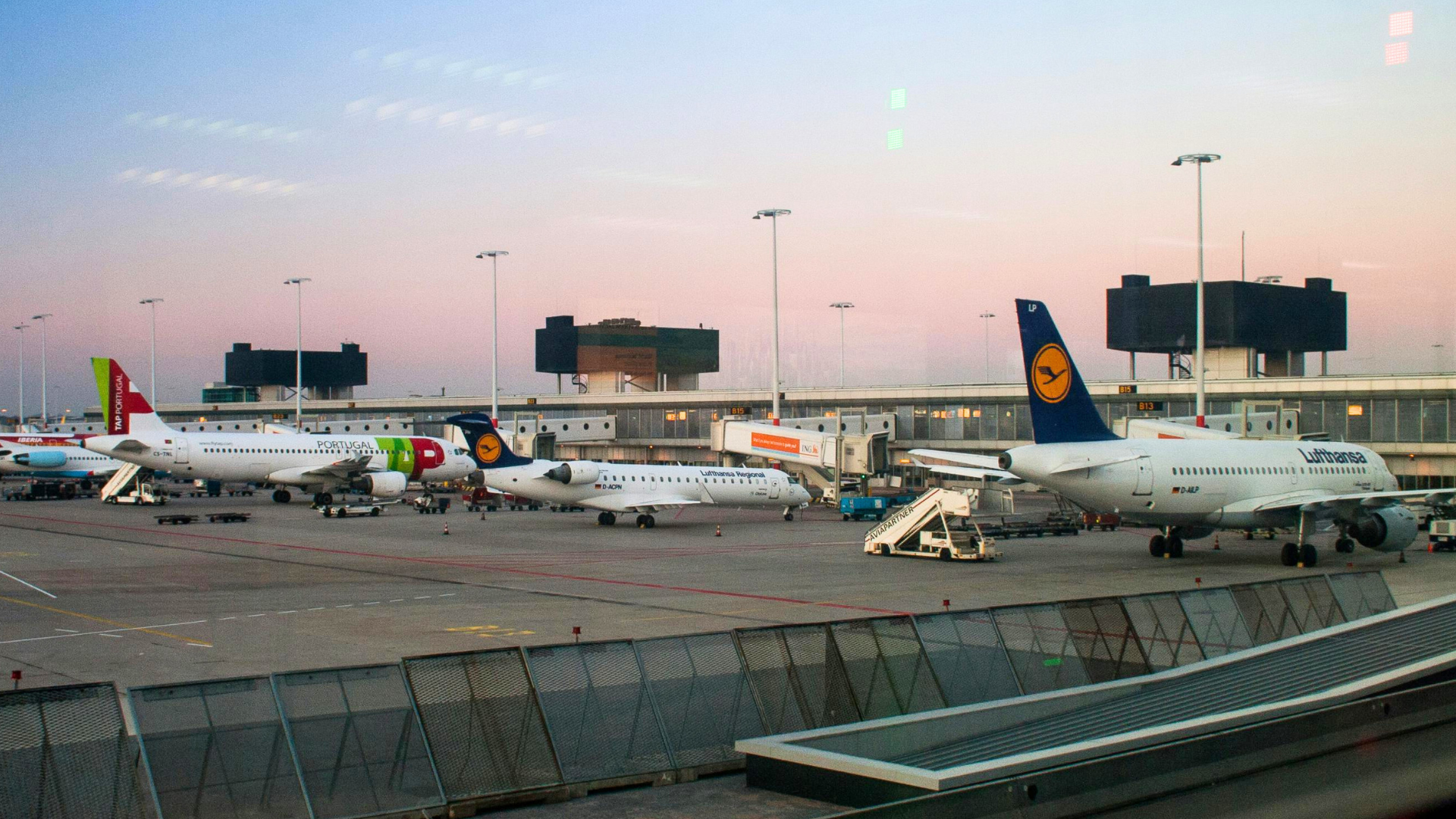

Air travel around the world is facing a growing crisis as major airlines begin canceling flights and cutting routes due to soaring jet fuel prices and tightening supply. What initially appeared to be a temporary disruption has quickly escalated into a global issue, affecting carriers across Europe, Asia, and North America and raising concerns about the stability of the aviation industry.
The surge in fuel costs is closely tied to geopolitical tensions, particularly the ongoing conflict involving Iran, which has disrupted key oil supply routes and sent energy prices sharply higher. In some cases, jet fuel prices have nearly doubled, placing enormous financial pressure on airlines that rely heavily on fuel as one of their largest operating expenses.
As a result, airlines are being forced to make difficult decisions, including canceling flights, reducing capacity, and raising ticket prices, all of which are beginning to ripple through global travel plans and affect passengers worldwide.
Why Airlines Are Canceling Flights And Cutting Routes
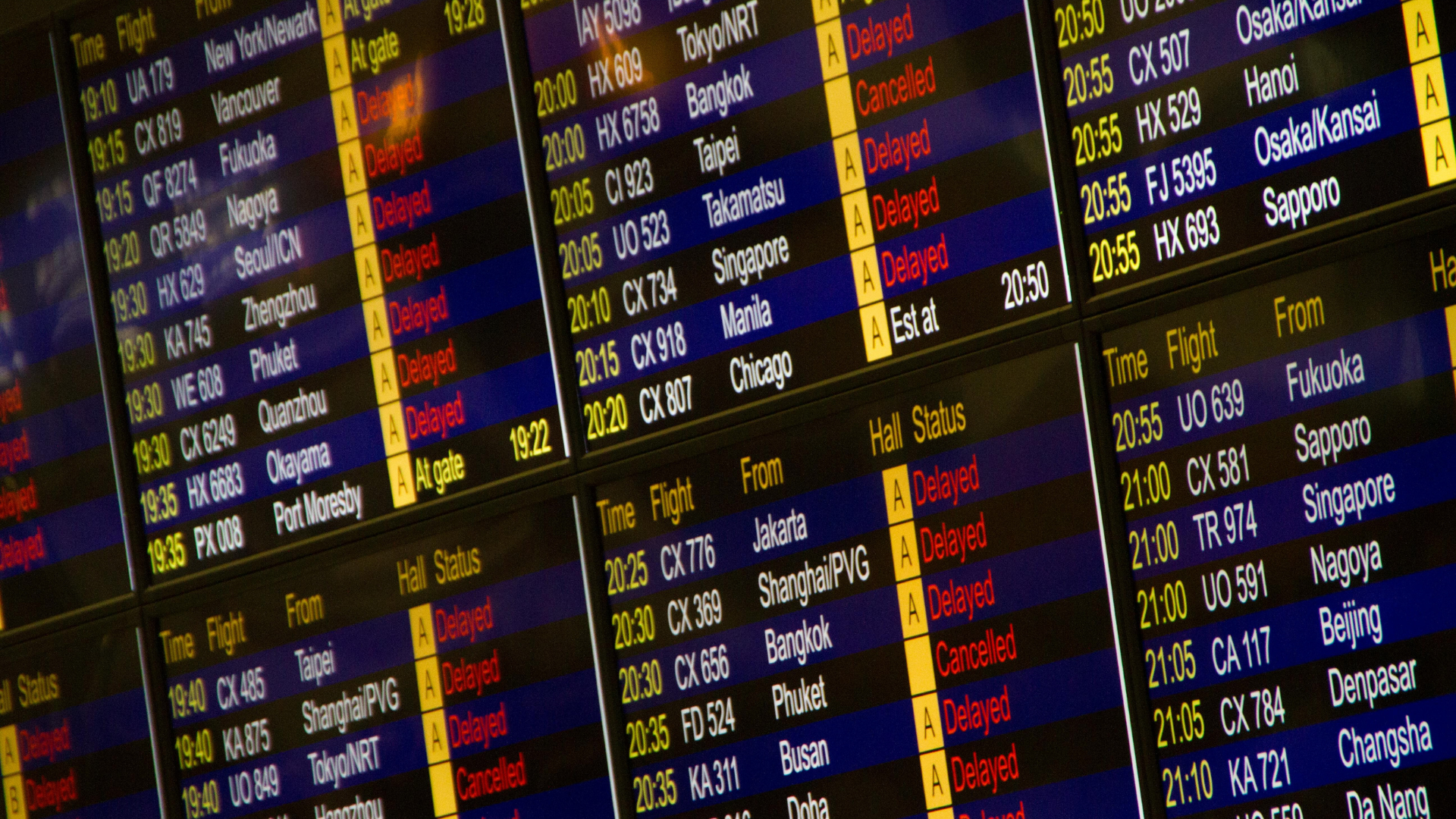
Airlines are canceling flights primarily because the cost of operating certain routes has become too high to sustain, especially for long-haul journeys that consume large amounts of fuel. With jet fuel prices surging and remaining volatile, many routes that were once profitable are now operating at a loss, forcing carriers to scale back or suspend service altogether.
Some of the world’s largest carriers, including Lufthansa, KLM, United Airlines, and Air Canada, have already adjusted their schedules by cutting capacity, grounding aircraft, or canceling specific routes to reduce financial strain. In Europe alone, hundreds of flights have been canceled, with warnings that more disruptions could follow if the situation persists.
In addition to cost pressures, supply concerns are also emerging, as regions like Europe rely heavily on imported jet fuel from the Middle East, meaning disruptions to key shipping routes such as the Strait of Hormuz can quickly create shortages or supply bottlenecks.
How The Fuel Crisis Is Impacting Global Travel
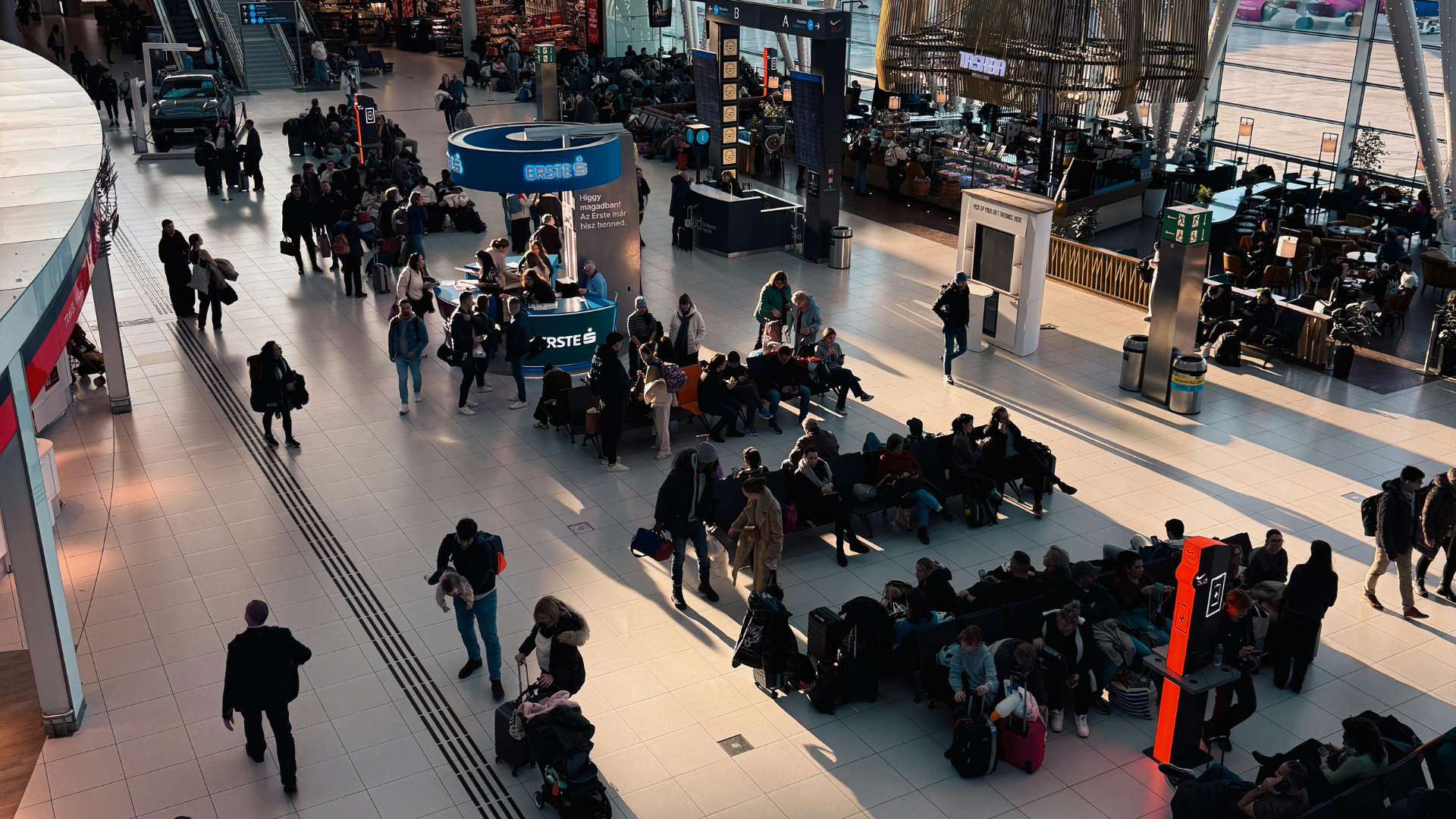
The effects of the fuel crisis are already being felt by travelers, with fewer available flights, higher ticket prices, and increased uncertainty around travel plans. Airlines are passing rising fuel costs on to consumers through fare hikes and fuel surcharges, making travel more expensive even when flights are still operating.
In some regions, airlines are also warning that additional cancellations may be unavoidable if fuel supplies continue to tighten, with estimates suggesting that a percentage of flights during peak travel months could be cut to manage limited resources and control costs.
The disruption extends beyond pricing, as rerouted flights, longer travel times, and reduced capacity are creating a more complicated travel environment, leaving passengers with fewer options and less flexibility than in previous years.
A Growing Crisis That Could Reshape Air Travel
The current jet fuel crisis is not just a short-term challenge but could signal a longer-term shift in how airlines operate, as rising energy costs and geopolitical instability continue to influence global travel patterns.
Airlines are already exploring ways to adapt, from investing in more fuel-efficient aircraft to restructuring routes and pricing strategies, but the immediate reality is that both carriers and passengers are facing a period of uncertainty.
Ultimately, the situation highlights how interconnected the aviation industry is with global energy markets, and how quickly disruptions in fuel supply can cascade into widespread travel challenges, potentially reshaping the future of flying if the crisis continues.