Woman Let a Male Friend Take Over Her Hinge Profile, and What He Discovered Surprised Them Both


A simple idea turned into a viral phenomenon when a fake profile experiment exposed the realities of modern dating. Hinge became the stage for an eye-opening social test. What began as curiosity quickly evolved into a broader conversation about gender dynamics. The results captured millions of views and reactions across social media. It revealed just how complex and uneven the digital dating landscape has become.
Tech CEO Hands Over Profile Control to Friend

Madison Campbell, a tech CEO newly out of a long-term relationship, approached online dating with hesitation. Instead of managing her own account, she asked a friend to run her profile. The goal was to observe the experience from both sides. This unusual setup allowed for a more analytical perspective on dating app behavior. It also removed emotional bias from the initial interactions.
Thousands of Likes Flood In Within Days
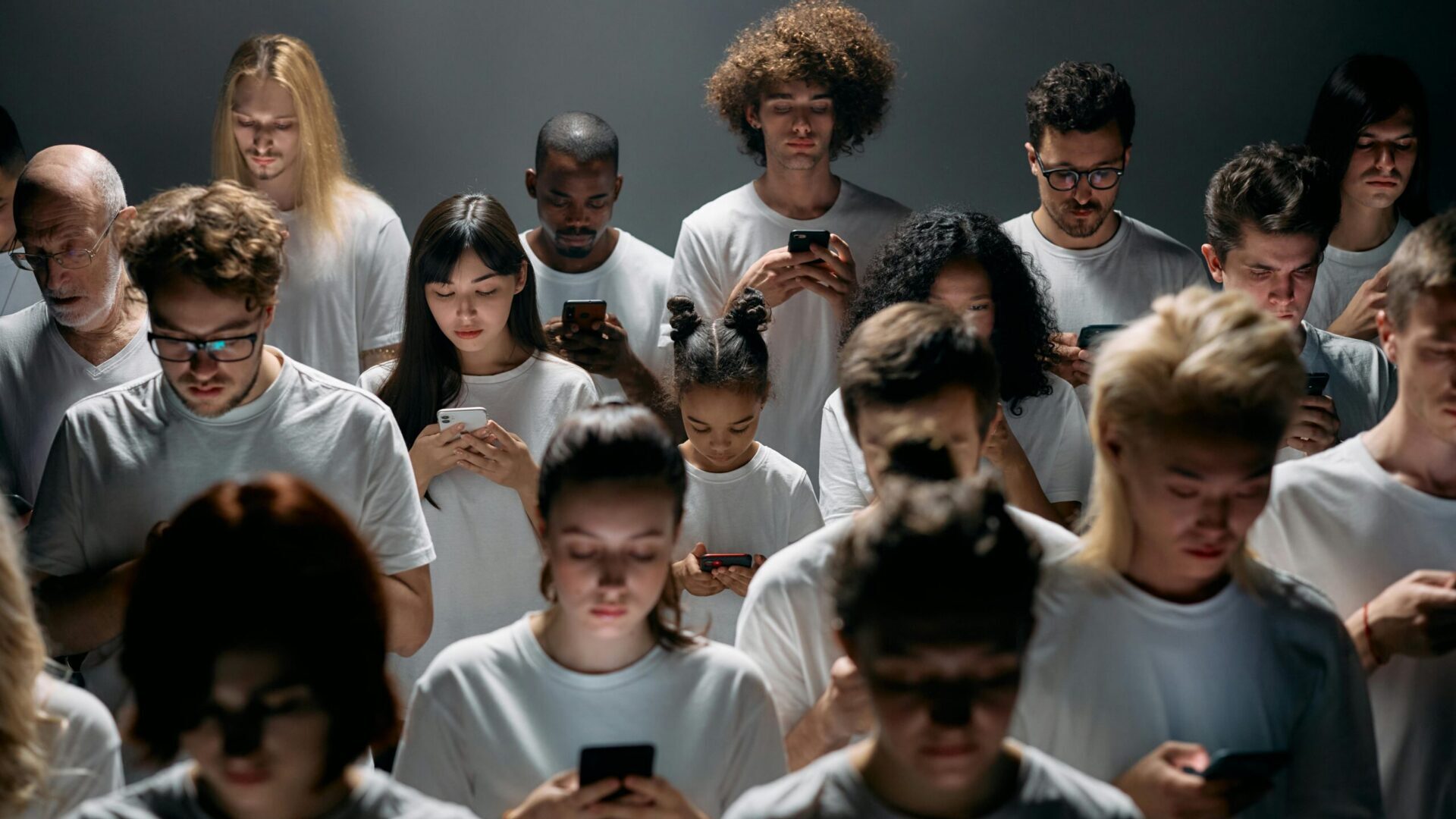
Within just 48 hours, the profile received between 1,500 and 2,000 likes. The overwhelming response highlighted how quickly attention can accumulate for women on dating apps. Notifications became constant, making it difficult to keep up. This influx demonstrated the sheer volume of competition and interest in the digital dating space. It also set the stage for deeper observations about user behavior.
Overwhelming Attention Creates New Challenges

While high engagement may seem flattering, it quickly became exhausting. Sorting through countless messages required time, energy, and constant decision-making. Many interactions had to be dismissed almost immediately. The experience showed that abundance does not necessarily lead to meaningful connections. Instead, it often creates a different kind of fatigue.
Generic Messages Dominate Conversations

One of the most striking findings was the lack of originality in messages. Many users sent repetitive, copy-and-paste greetings without reading the profile. This pattern made interactions feel impersonal and transactional. Even clear personal details were often ignored. It reinforced the idea that effort is often sacrificed in favor of quantity.
Women Face Volume While Men Face Rejection

The experiment highlighted a key imbalance in dating app experiences. Women tend to receive an overwhelming number of messages, while men often struggle to get noticed. Amy Chan explains that both sides face different frustrations. Women must filter through low-effort or inappropriate messages. Men, on the other hand, deal with frequent rejection or silence.
Numbers Game Mentality Shapes Behavior

Many users approach dating apps as a numbers game rather than a space for genuine connection. This mindset encourages sending as many messages as possible with minimal effort. Over time, it reduces the quality of interactions on both sides. Users become less invested in individual conversations. The result is a cycle of disengagement and dissatisfaction.
Viral Post Builds Empathy Across Genders

Despite the frustrations, the experiment fostered a sense of empathy. Observers began to understand the pressures faced by both men and women. The viral discussion encouraged more nuanced perspectives on dating struggles. It challenged assumptions about who has it easier. Ultimately, it showed that both sides are navigating flawed systems.
Experts Urge More Intentional Dating Approaches

Dating coaches like Blaine Anderson suggest that success requires more intentional effort. Building a strong profile and crafting thoughtful messages can help users stand out. Experts also recommend diversifying ways of meeting people beyond apps. Real-world interactions often provide deeper connections. Dating apps should be just one of several strategies.
Modern Dating Apps Reflect Deeper Social Shifts

The experiment underscores broader cultural changes in how people form relationships. Apps like Hinge prioritize visual appeal and quick judgments. This can turn dating into something that feels transactional rather than emotional. While technology has expanded opportunities, it has also introduced new challenges. The viral story ultimately reveals that finding meaningful connection in the digital age remains a complicated pursuit.