Woman Ended Up With Over $100,000 in Fines After Her Ex Registered a Car in Her Name, Then Abandoned It at the Airport When They Broke Up
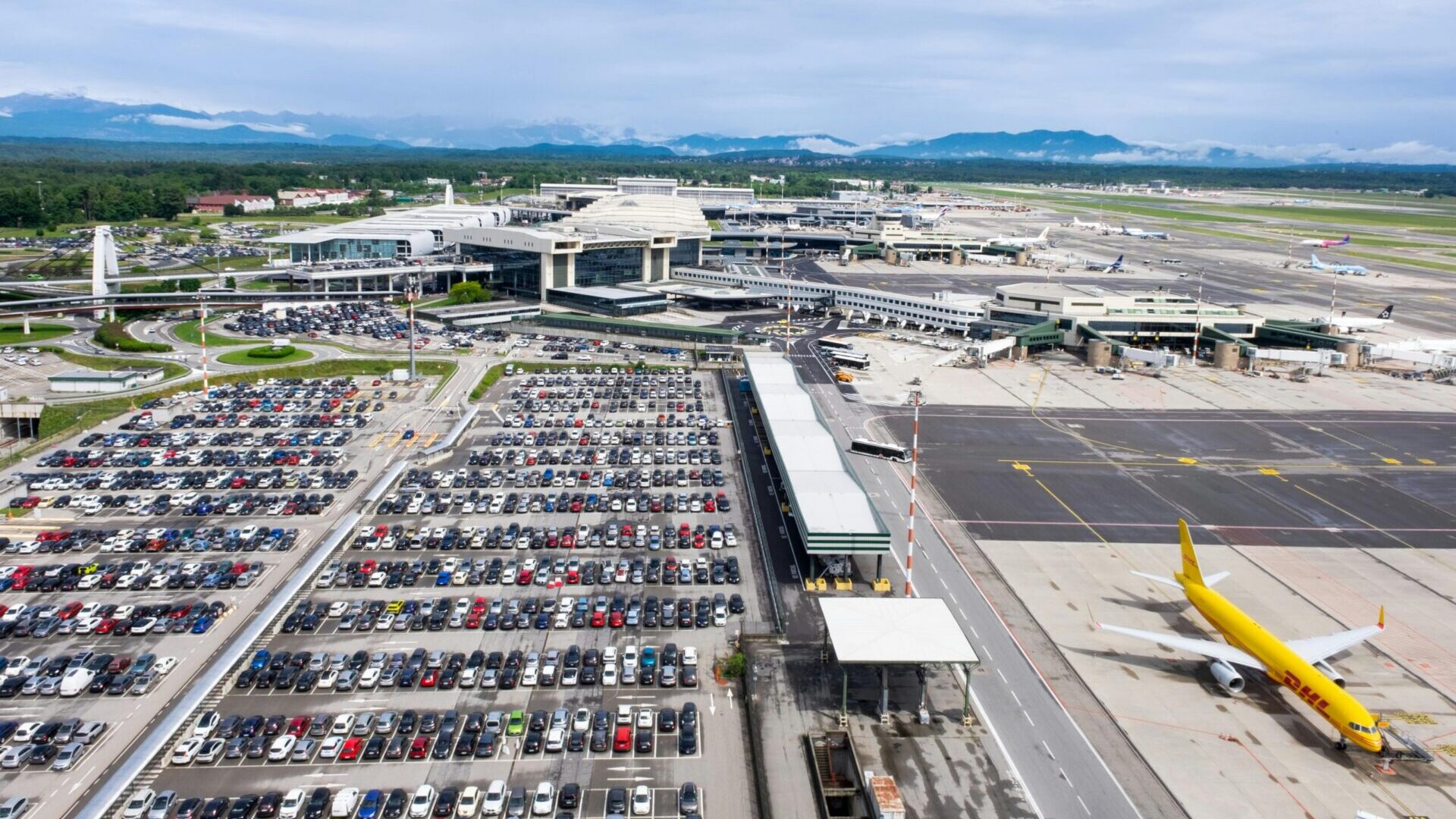

A legal nightmare unfolded for Jennifer Fitzgerald after a vehicle registered in her name accumulated more than $100,000 in parking fines. The car, a 1999 Chevrolet Monte Carlo, had been left unattended for years at O’Hare International Airport.
The situation began when her former partner allegedly parked the vehicle in a restricted lot and never returned. Because the registration remained under Fitzgerald’s name, the mounting penalties were legally tied to her despite her lack of control over the car.
What followed was a prolonged ordeal that placed immense financial and emotional strain on the single mother, as fines continued to grow unchecked over nearly three years.
Lawsuit Challenges Responsibility and Raises Questions

Fitzgerald took legal action, arguing that she should not be held accountable for a vehicle she neither controlled nor used. In court filings, she emphasized that the car had effectively been abandoned by Brandon Preveau, who had been its primary driver.
The lawsuit extended beyond her ex-partner, naming United Airlines and the City of Chicago. Fitzgerald contended that proper procedures should have led to the vehicle being towed much earlier, preventing the excessive accumulation of fines.
Officials later noted that the vehicle remained in an employee-accessible lot, which may have contributed to delays in enforcement. This raised broader concerns about oversight and accountability in restricted parking areas.
Settlement Reduces Debt but Leaves Lasting Impact

After years of legal dispute, a settlement significantly reduced Fitzgerald’s financial burden. The city agreed to drop the majority of the fines, lowering the total from over $100,000 to approximately $4,470.
Under the agreement, Preveau was required to make an initial payment, while Fitzgerald committed to manageable monthly installments. Though the resolution offered relief, it did not erase the years of stress and uncertainty she endured.
The case marked one of the largest parking fine disputes in the city’s history, highlighting how administrative systems can escalate relatively minor issues into overwhelming liabilities.
Case Highlights Gaps in Enforcement and Accountability

The incident has drawn attention to how long-abandoned vehicles can slip through enforcement gaps, especially in restricted or private-access lots. Policies indicated that cars left beyond a certain period should be flagged and removed, yet this process failed in Fitzgerald’s case.
Critics argue that earlier intervention by airport authorities or city agencies could have prevented the situation from spiraling. The case underscores the importance of timely enforcement and clear responsibility in managing public and private spaces.
Ultimately, Fitzgerald’s experience serves as a cautionary tale about legal ownership, accountability, and the unintended consequences that can arise when systems fail to act promptly.