This Woman Claimed to Own the Sun and Tried to Sell Pieces of It on eBay
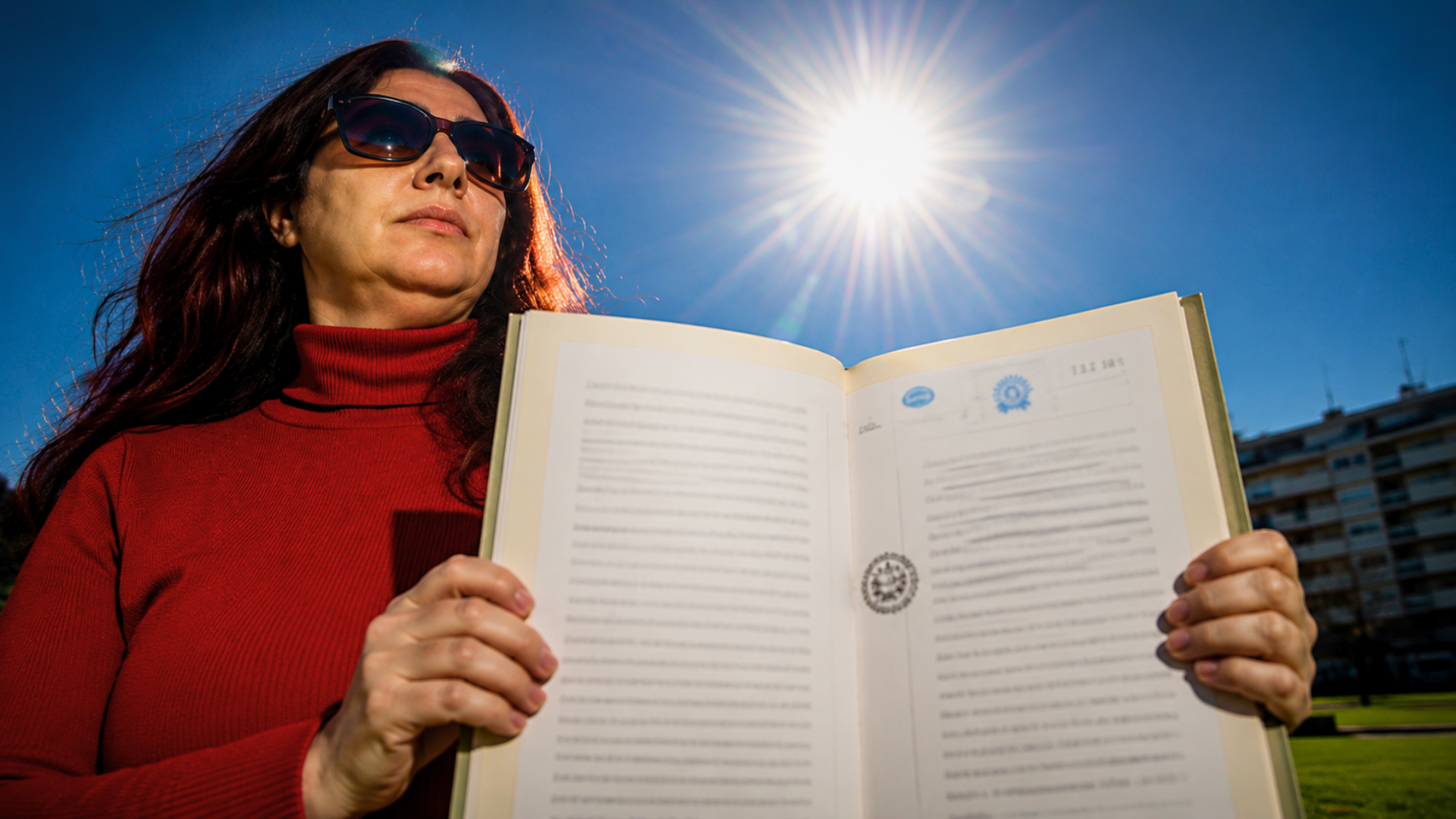

In 2010, Vigo, Spain resident Maria Angeles Duran walked into a local notary’s office and registered a claim most people would call impossible: ownership of the sun. The paperwork described her as owner of “a star of spectral type G2,” sitting roughly 149,600,000 kilometers from Earth. She insisted the claim was airtight. “I am not a stupid person and I know the law,” she said.
This article was created with the assistance of AI and reviewed by our editorial team for accuracy and clarity.
She Copied a Strategy an American Had Already Used on the Moon
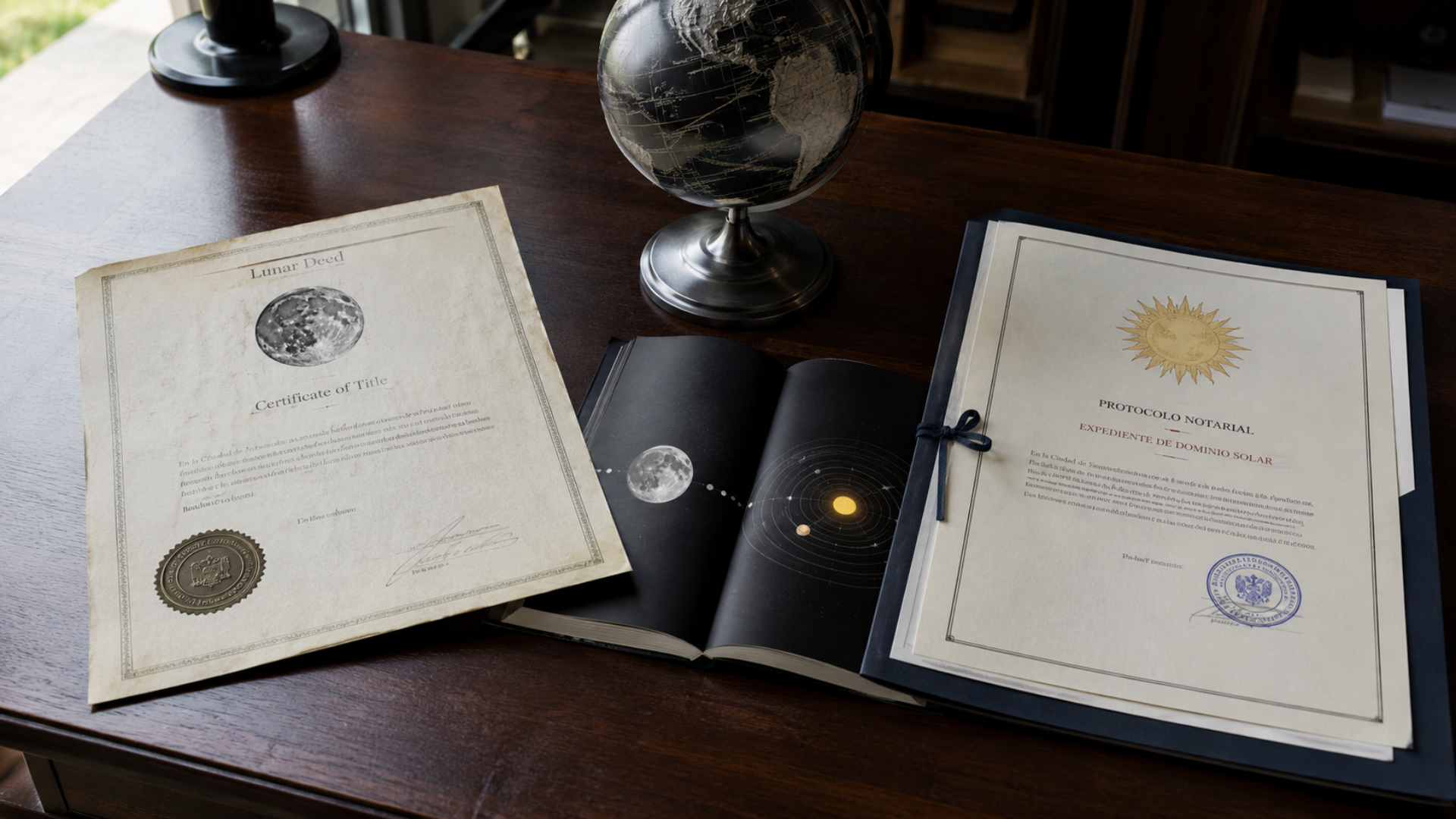
Duran didn’t invent the idea. She borrowed it from Dennis Hope, an American who years earlier claimed ownership of the moon, Mars, Venus and Mercury using the same legal argument. Hope had sent letters to government agencies stating that silence meant consent, then declared himself a planetary landlord. He’d since sold millions of dollars in lunar “deeds” to buyers eager to own a piece of the sky.
The Treaty She Relied On Never Actually Mentions Individuals
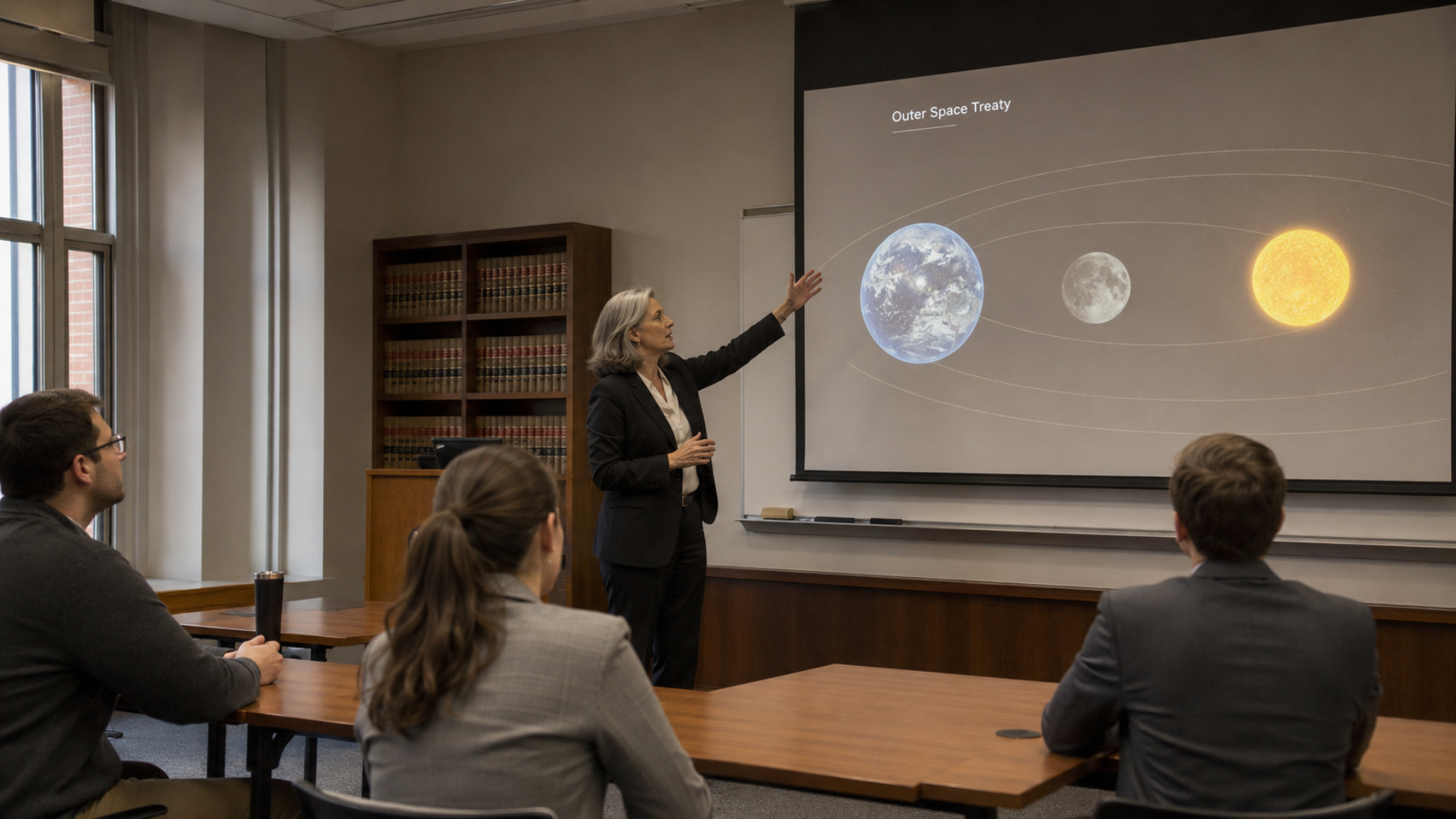
Both claims traced back to the 1967 Outer Space Treaty, signed by nearly 100 countries including Spain. Its text bars “national appropriation by claim of sovereignty” over celestial bodies, language written to stop governments from planting flags on the moon or staking claims to stars. Duran and Hope zeroed in on what the treaty didn’t say: nothing about private citizens. To them, silence looked like permission. To space law experts, it looked like something else entirely.
A Space Law Professor Says the Loophole Doesn’t Exist

Joanne Gabrynowicz, a research professor specializing in space law, called the loophole theory mistaken. “In my professional opinion, at this time the emerging international opinion is that individuals cannot claim celestial bodies,” she said. She pointed to Article VI of the treaty, which makes signing nations responsible for supervising any private activity in space. A claim scribbled by an individual, with no government oversight, doesn’t meet that bar.
One Lunar Landlord Ended Up Convicted of Fraud in Canada
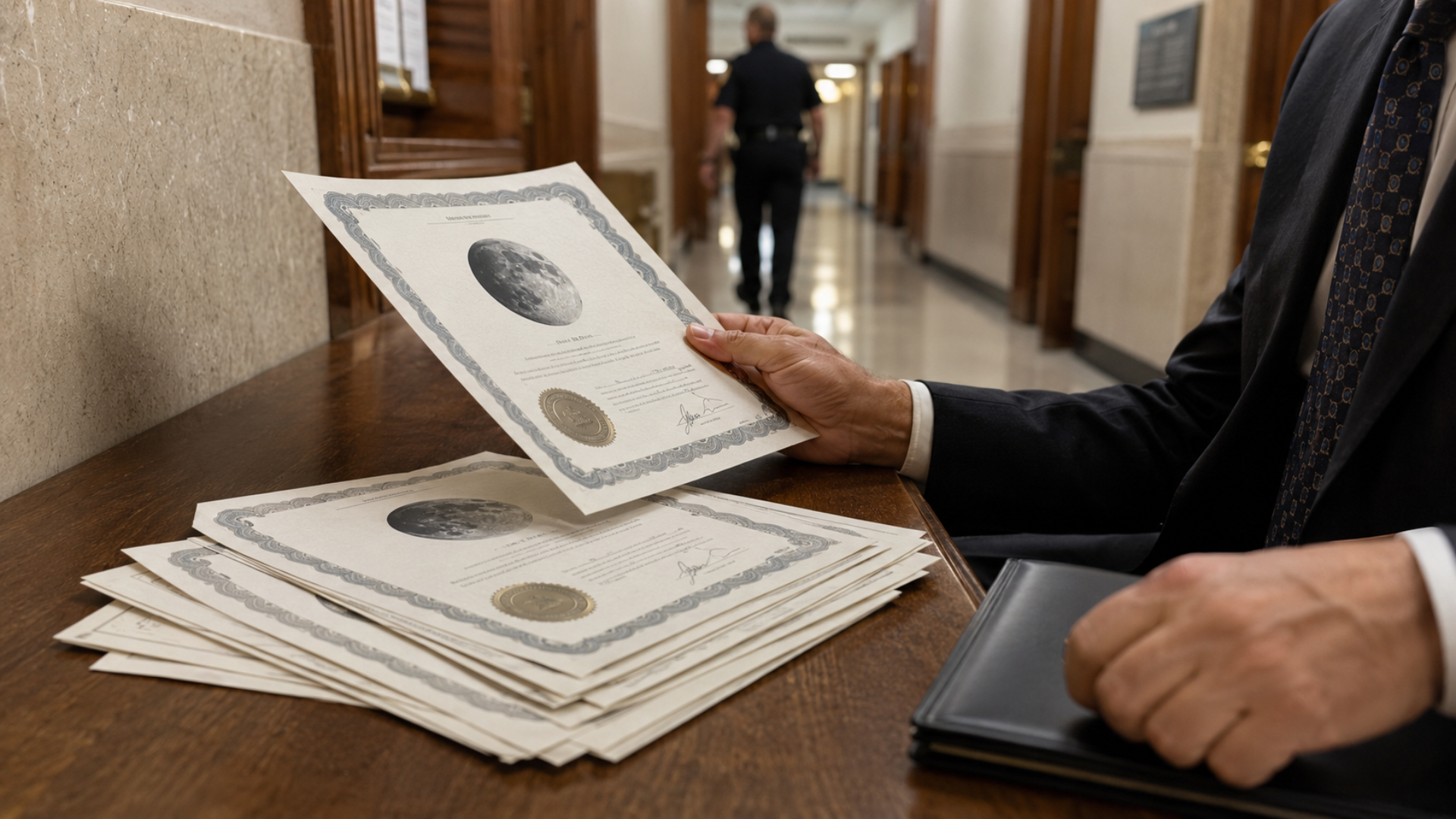
The stakes of ignoring that oversight became real for at least one seller. A Canadian vendor peddling lunar property was found guilty of fraud and jailed, a reminder that treaty-signing countries can and do prosecute. Spain has signed the treaty too. Yet Duran pressed forward anyway, treating her notarized claim as settled fact and preparing to turn her solar “property” into something she could actually sell.
In 2013, She Put the Sun Up for Auction on eBay
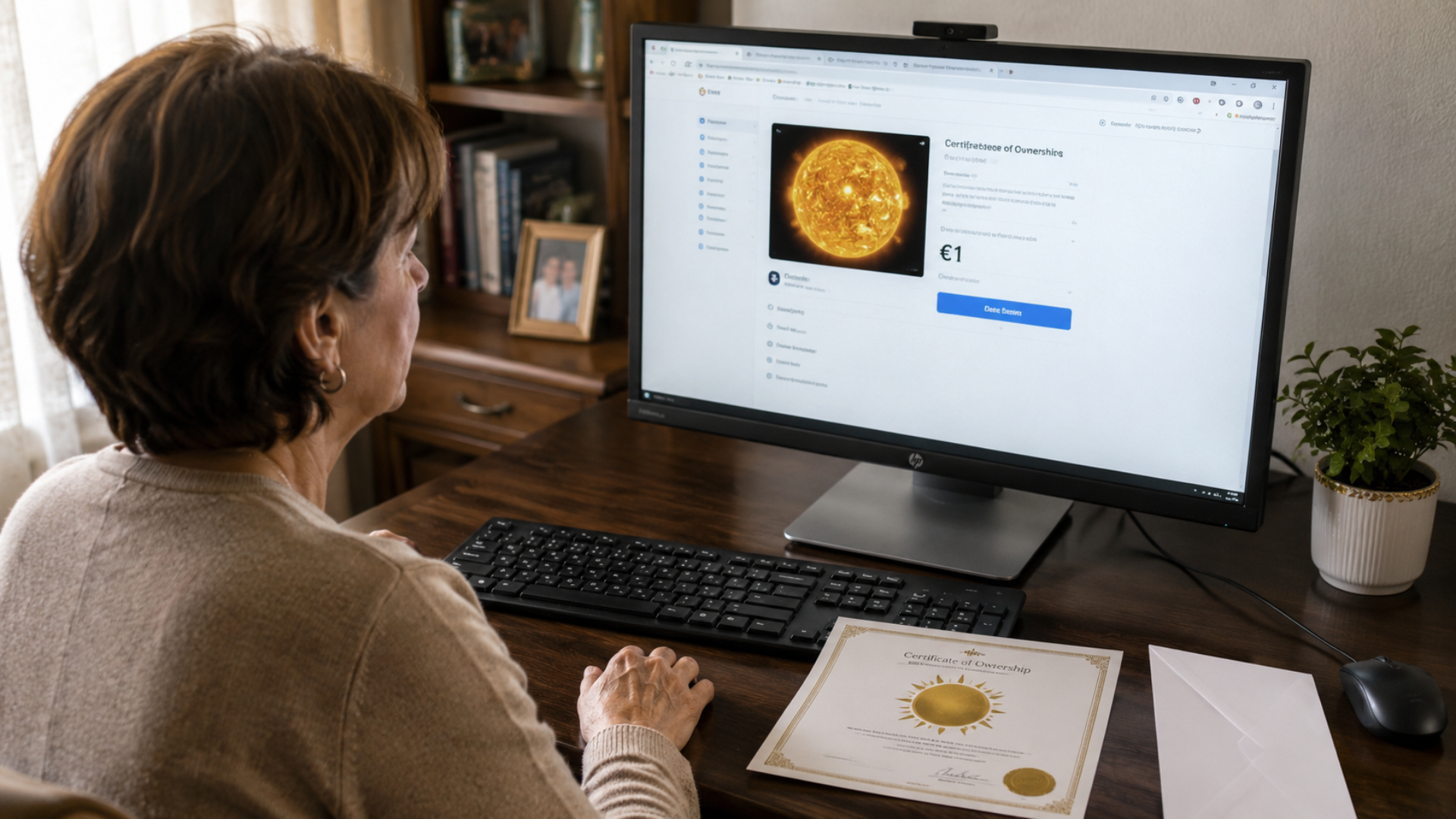
Three years after registering her claim, Duran opened an eBay storefront and began auctioning square-meter parcels of the sun for one euro apiece, each sale accompanied by an ownership certificate. Buyers snapped them up. She framed the venture as a jab at utility companies, arguing that if corporations could profit from wind and water, an individual should be able to profit from the solar system too, with proceeds promised to charity.
eBay Shut Her Down Under Its Rules on Intangible Goods
The listings didn’t last. eBay pulled Duran’s account, citing a policy against selling goods that don’t exist in any deliverable, tangible form. From the company’s view, a certificate for a piece of the sun was exactly that kind of nothing. Duran saw it differently. By then she’d already logged more than a thousand sales, and she wasn’t finished fighting for them.
She Sued eBay and a Madrid Court Agreed to Hear It

Duran filed a breach of contract suit against eBay, seeking roughly 10,000 euros in damages for the sales she said she lost. A magistrate’s court in Madrid ruled it had jurisdiction, a striking outcome given the parties involved: a Spanish citizen, an American company, and a star 93 million miles from either of them. The court made clear it wouldn’t rule on whether she actually owned the sun, only on the contract dispute.
This Wasn’t Her First Unusual Copyright Fight, Either
Duran’s sun claim wasn’t an isolated stunt. Spanish media had already covered her attempt to copyright Tarzan’s jungle yell from 1932, a claim she used to pursue anyone who used the sound without permission. Between the notarized ownership papers, the eBay storefront, and the courtroom fight, she’d built one of the more elaborate paper trails in the history of people trying to own things nobody can legally own.
Legal Experts Agree: Nobody Gets to Own a Star

However the eBay case ultimately turned out, the underlying question was never really in doubt. International law recognizes nations, not individuals, and even nations are barred from claiming celestial bodies under the treaty Duran cited. Her notarized document, her eBay certificates, and her lawsuit made for a genuinely strange saga, but none of it changed the basic fact that the sun, like the moon before it, belongs to no one.