Woman Buys Home, Only to Find a ‘Secret Room’ Missing From the Owner’s Layout
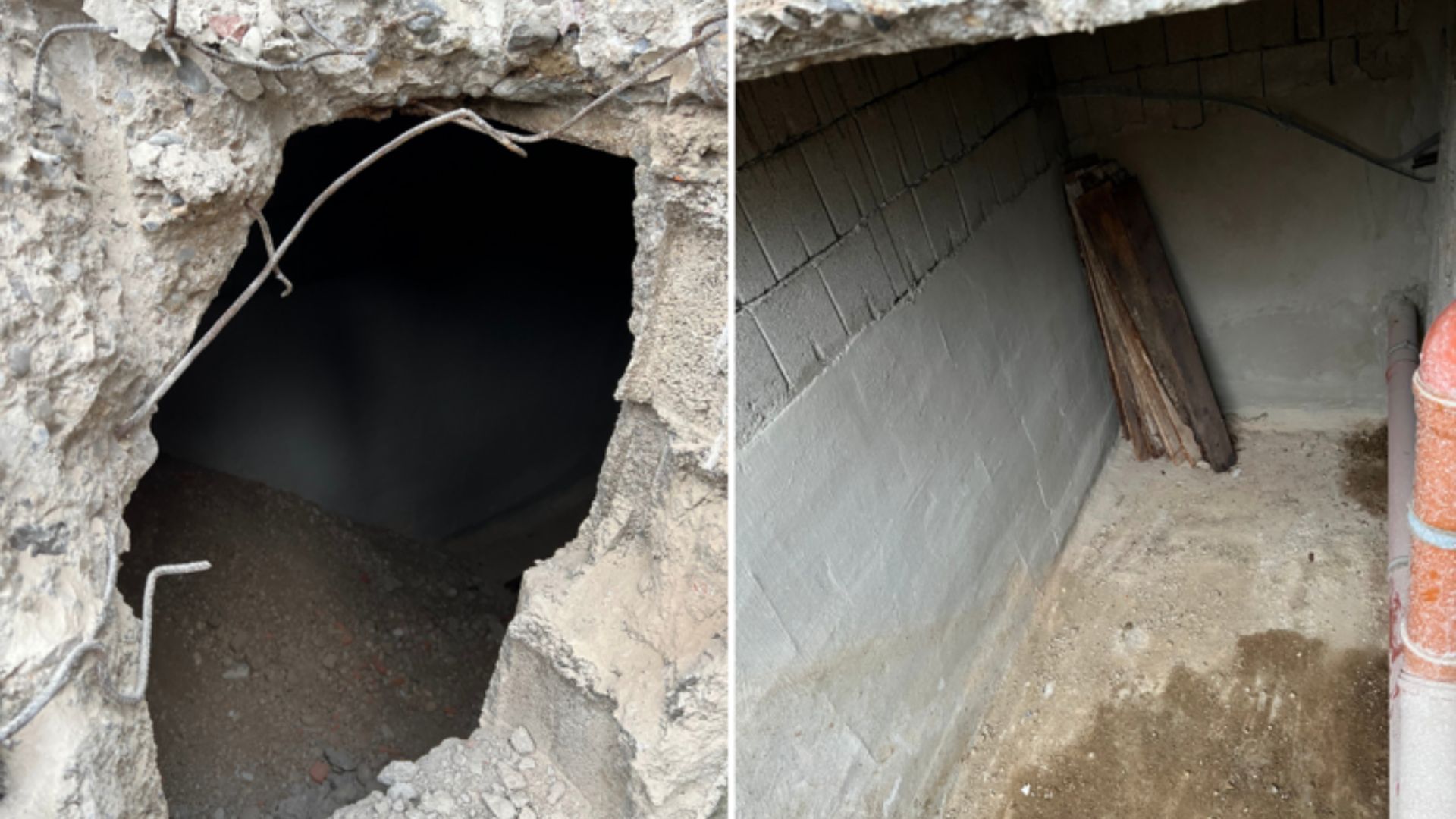

A homeowner in Munich was left stunned after uncovering a concealed space more than a decade after moving into their property. What began as routine repairs to deteriorating front stairs quickly turned into an unexpected architectural mystery. Construction workers noticed the stairs were not solid, revealing an empty void hidden beneath the structure and extending under the hallway.
The space measured roughly five feet by thirteen feet and appeared to have no clear purpose. According to the homeowner, nothing but a few old planks were found inside, and notably, the room was not included in the original building plans submitted to the city. Even the architect assisting with renovations admitted confusion, unable to determine why the space had been created.
With the original builder having passed away years earlier, any explanation may be permanently lost. The discovery highlights how older homes can still hold secrets, quietly embedded within their foundations and waiting for the right moment to be revealed.
Theories Surrounding the Room’s Purpose2
Without documentation or testimony from the builder, speculation has filled the gap left by uncertainty. The homeowner believes the hidden room may have been part of an unfinished plan that was ultimately abandoned. Structural limitations may have made it difficult to integrate access without major redesigns, leading to its quiet concealment.
Architectural anomalies like this are not entirely uncommon, particularly in homes that undergo multiple revisions during construction. Changes in design, budget constraints, or shifting priorities can result in unused spaces being sealed off rather than removed. Over time, these forgotten areas become part of the home’s hidden narrative.
The absence of intentional access points further deepens the mystery. Unlike secret rooms designed for storage or security, this one appears to have been left incomplete, raising questions about whether it was ever meant to be used at all.
From Mystery Space to Practical Use
Rather than letting the discovery remain a curiosity, the homeowners are already planning how to transform the space into something functional. Once properly insulated and secured, they intend to convert it into a utility room, freeing up space elsewhere in the house for future renovations.
This practical approach reflects a broader trend in modern homeownership, where even unconventional or unexpected spaces are repurposed to maximize efficiency. What was once a forgotten void can now contribute to the overall livability and organization of the home.
Beyond functionality, the discovery also offers a sense of creative opportunity. Turning an unexplained architectural quirk into a useful feature allows homeowners to reclaim control over their living space while adding a unique story to their property.
Added Value and an Eerie Premonition

The financial implications of the discovery are just as compelling as the mystery itself. In a high-demand housing market like Munich, even a modest increase in usable space can significantly boost property value. Estimates suggest the hidden room could add tens of thousands of euros to the home’s worth.
What makes the story even more intriguing is the homeowner’s claim of having dreamt about the extra room months before it was found. These recurring dreams reportedly placed the hidden space in the very area where it was eventually uncovered, adding an eerie layer to the already unusual discovery.
While the dreams may never be explained, they contribute to the narrative that homes are more than just physical structures. Sometimes, they carry stories, coincidences, and mysteries that blur the line between logic and the unexplained.