Woman Behind $250 Million Minnesota Feeding Fraud Scheme Sentenced to Nearly 42 Years
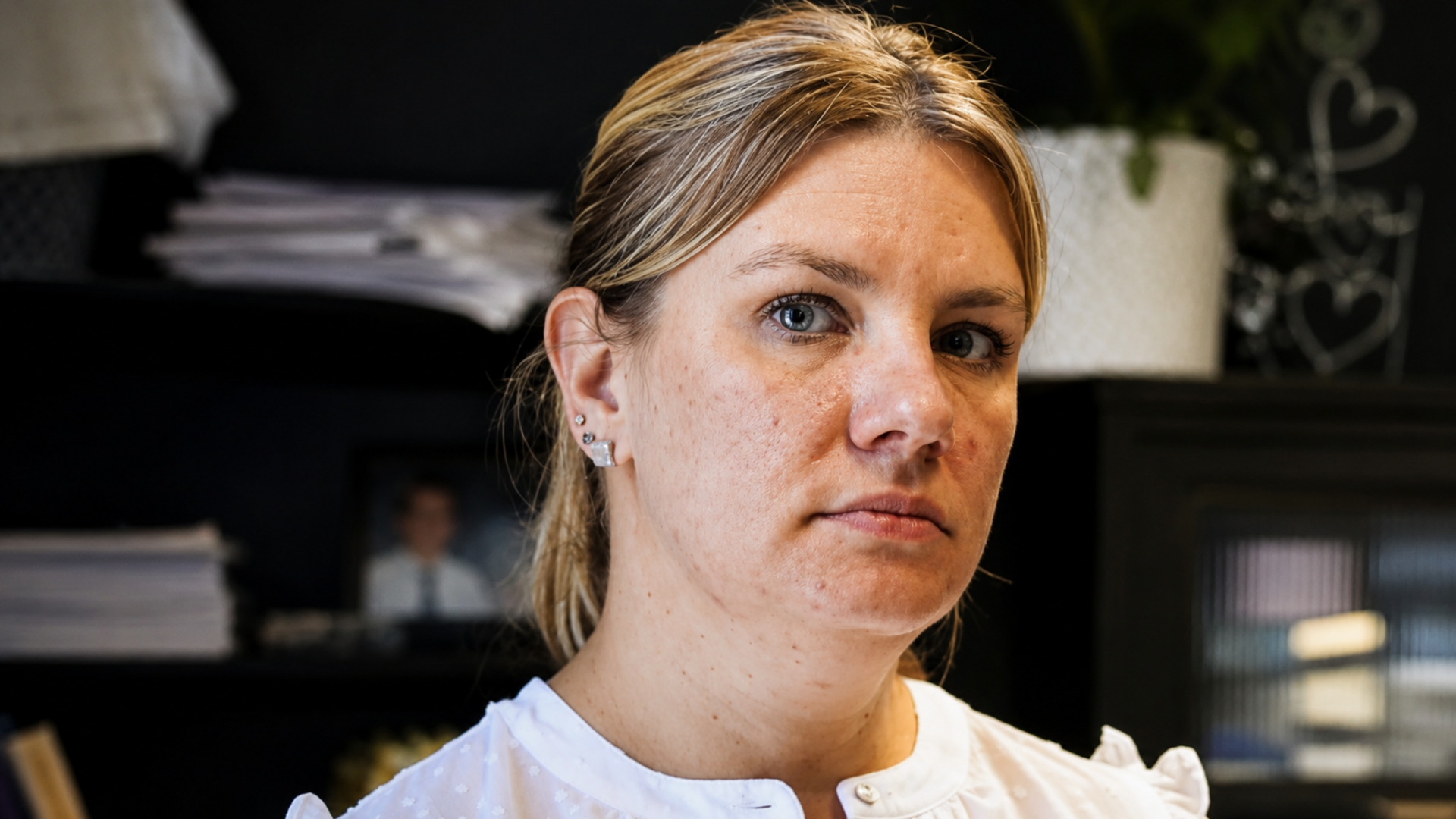

A nonprofit that claimed to feed hungry children during the pandemic was, according to federal prosecutors, actually the engine of the largest COVID-19 fraud scheme in American history. On May 21, 2026, a federal judge sentenced Aimee Bock, the founder and executive director of Feeding Our Future, to 500 months — nearly 42 years — in prison for her role in stealing roughly $250 million in government funds meant to nourish vulnerable children.
Bock, 45, of Apple Valley, Minnesota, was convicted in March 2025 on seven federal counts, including wire fraud, conspiracy, and bribery, following a six-week trial. A jury needed only five hours to reach its verdict. Judge Nancy Brasel also ordered Bock to pay more than $242 million in restitution to the federal government. With no parole available in the federal system, Bock faces the full weight of a sentence that prosecutors called historically significant for a case of this scale and audacity.
Bock had maintained her innocence throughout the investigation and trial, but the jury’s swift verdict told a different story. In court before sentencing, she spoke briefly, tearfully acknowledging the damage done. “I understand I failed. I failed the public, my family, everyone,” she told the courtroom. Those words, however measured, arrived years after investigators say she had signed check after check totaling millions of dollars — funds never intended to land in the hands of fraudsters, but to feed children in need.
A Pandemic Program Turned into a Money Pipeline

Federal child nutrition programs expanded dramatically during COVID-19, allowing restaurants and community sites outside traditional school settings to participate. Investigators say Bock seized on that expansion, building Feeding Our Future from a modest nonprofit receiving $3.4 million in federal funds in 2019 into an organization disbursing nearly $200 million in 2021 alone. That explosive growth raised no immediate alarm from regulators, giving the scheme time to metastasize.
At the center of the fraud was a sprawling network of fake food distribution sites, fabricated child rosters, and kickbacks funneled through shell companies. Feeding Our Future opened more than 250 program sites across Minnesota and helped recruit operators who submitted false invoices claiming to serve thousands of meals per day. Investigators found that many of those sites were parking lots or vacant commercial spaces. Prosecutors told the court that Feeding Our Future falsely claimed to have served 91 million meals to hungry children.
Bock personally controlled the flow of money, according to federal prosecutors, who wrote in their sentencing memo that she had “maintained complete control of Feeding Our Future from an administrative and financial perspective.” Scheme participants, they wrote, received “million dollar check after million dollar check — all signed by Aimee Bock.” The money, investigators found, did not go toward meals. Much of it was spent on luxury vehicles, real estate, international travel, and other lavish purchases, or sent overseas entirely.
A Sentence Built to Match the Crime

Judge Nancy Brasel presided over a packed Minneapolis federal courtroom when she handed down the 500-month term. She acknowledged that the sentence was extraordinarily long, but said anything shorter would not serve justice. “This was a vortex of fraud and you were at the epicenter,” Brasel told Bock. The judge also found that Bock had committed perjury during her own trial, having lied about her role in recruiting board members for Feeding Our Future, adding further weight to an already severe sentence.
Prosecutors had sought 50 years. Defense attorney Kenneth Udoibok argued for no more than three, insisting that Bock had provided information to investigators and had been miscast as the scheme’s architect. The jury and judge disagreed. Former lead prosecutor Joe Thompson, speaking outside the courthouse after sentencing, offered a blunt summary: “Aimee Bock did everything she could to earn this long sentence.” More than 65 other people have been convicted in related cases, with prior sentences reaching as high as 28 years.
Within hours of the sentencing, federal officials announced charges against 15 additional defendants in a separate but related wave of fraud targeting Minnesota social service programs. The new cases involved approximately $90 million across seven state-managed Medicaid programs, covering everything from fabricated autism therapy billing to housing subsidies for services that were never rendered. The Department of Human Services confirmed that payments to more than 600 providers had been halted since 2025 over fraud allegations, signaling the investigation was far from finished.
The Fallout That Reshaped a State
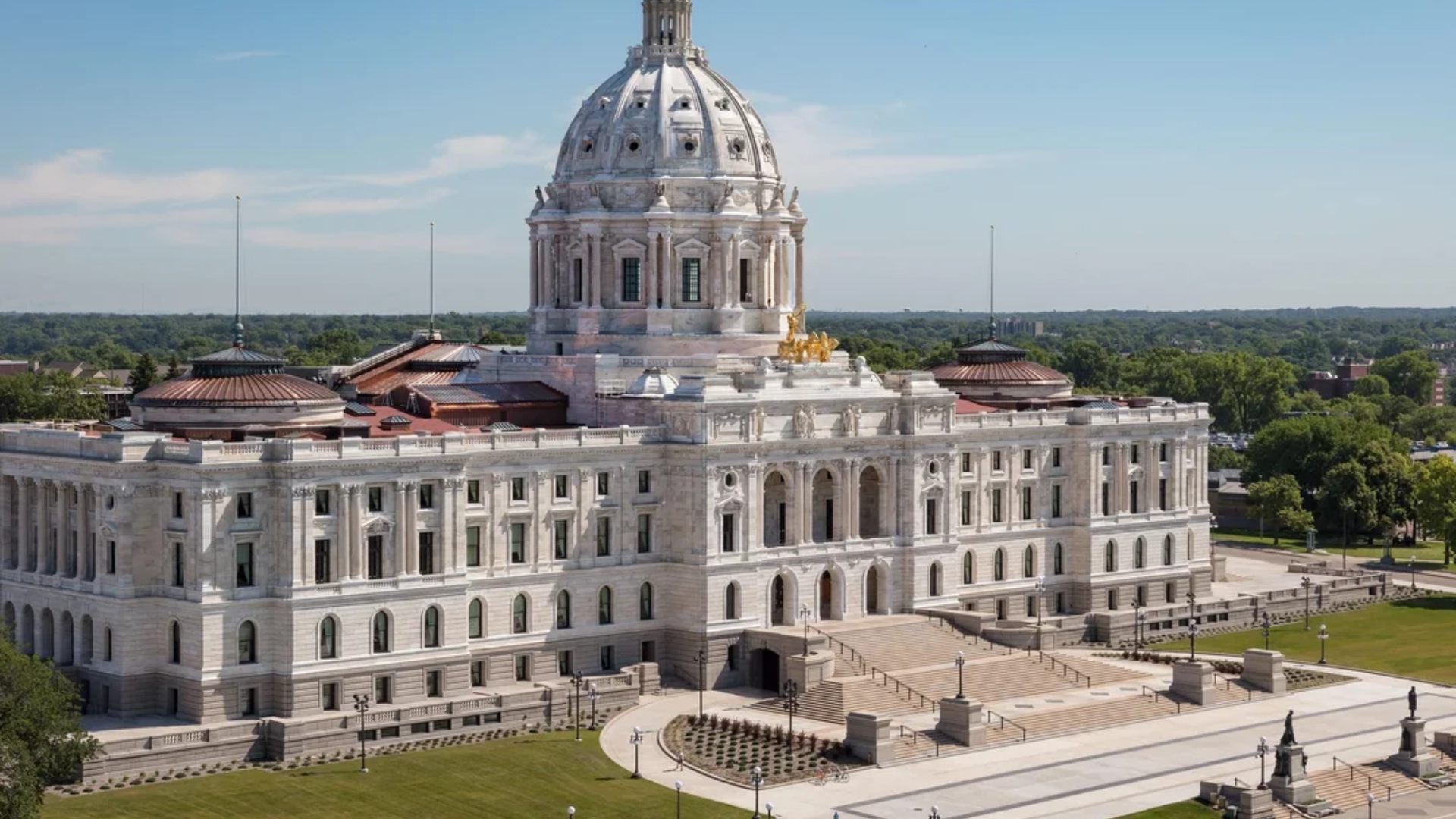
The Feeding Our Future case did not stay inside a courtroom. President Donald Trump cited the fraud to justify a surge of federal immigration agents into the Minneapolis-St. Paul area, targeting a region with a large Somali-American community. The U.S. Attorney’s Office noted that the overwhelming majority of defendants in these cases were of Somali descent, most of them U.S. citizens. Bock herself is white. The enforcement campaign led to public confrontations with residents and two deaths, deepening an already charged political environment.
State-level accountability also followed. Minnesota Governor Tim Walz announced he would not seek reelection after sustained attacks over the fraud’s scale and the government’s failure to stop it sooner. State auditors had found that the Minnesota Department of Education received repeated complaints about Feeding Our Future but often directed the organization to police itself. Political leaders later acknowledged that fears of accusations of racism may have discouraged regulators from acting with the aggression the situation demanded.
At its core, this was a case about a program designed for children in need, quietly gutted by people who treated federal funds as personal income. Of the roughly $250 million taken, only about $50 million has been recovered. The restitution order against Bock alone tops $242 million, a figure her defense attorney acknowledged prosecutors had not fully proven in court. Whether that money ever reaches the government depends on years of proceedings still ahead.