Wireless Industry Rattled After Elon Musk’s SpaceX Plots Aggressive Push Into Mobile Services

The U.S. wireless industry is facing growing uncertainty as SpaceX explores new ways to expand Starlink beyond satellite internet. Investors are increasingly watching the company’s next moves, as a direct push into mobile services could reshape competition and pressure established telecom providers. While major carriers insist satellite technology will complement existing networks, analysts believe the long-term impact could be far greater.
SpaceX Raises Concerns Across the Telecom Industry

The possibility of SpaceX becoming a direct mobile service provider has created fresh concerns across the telecommunications sector. Companies such as AT&T and Verizon are facing increased pressure from investors who worry that Starlink could introduce a new level of competition. Several market analysts believe traditional carriers may be underestimating how quickly satellite-based connectivity could evolve into a mainstream alternative.
Analysts Warn Satellite Technology Could Become a Bigger Threat
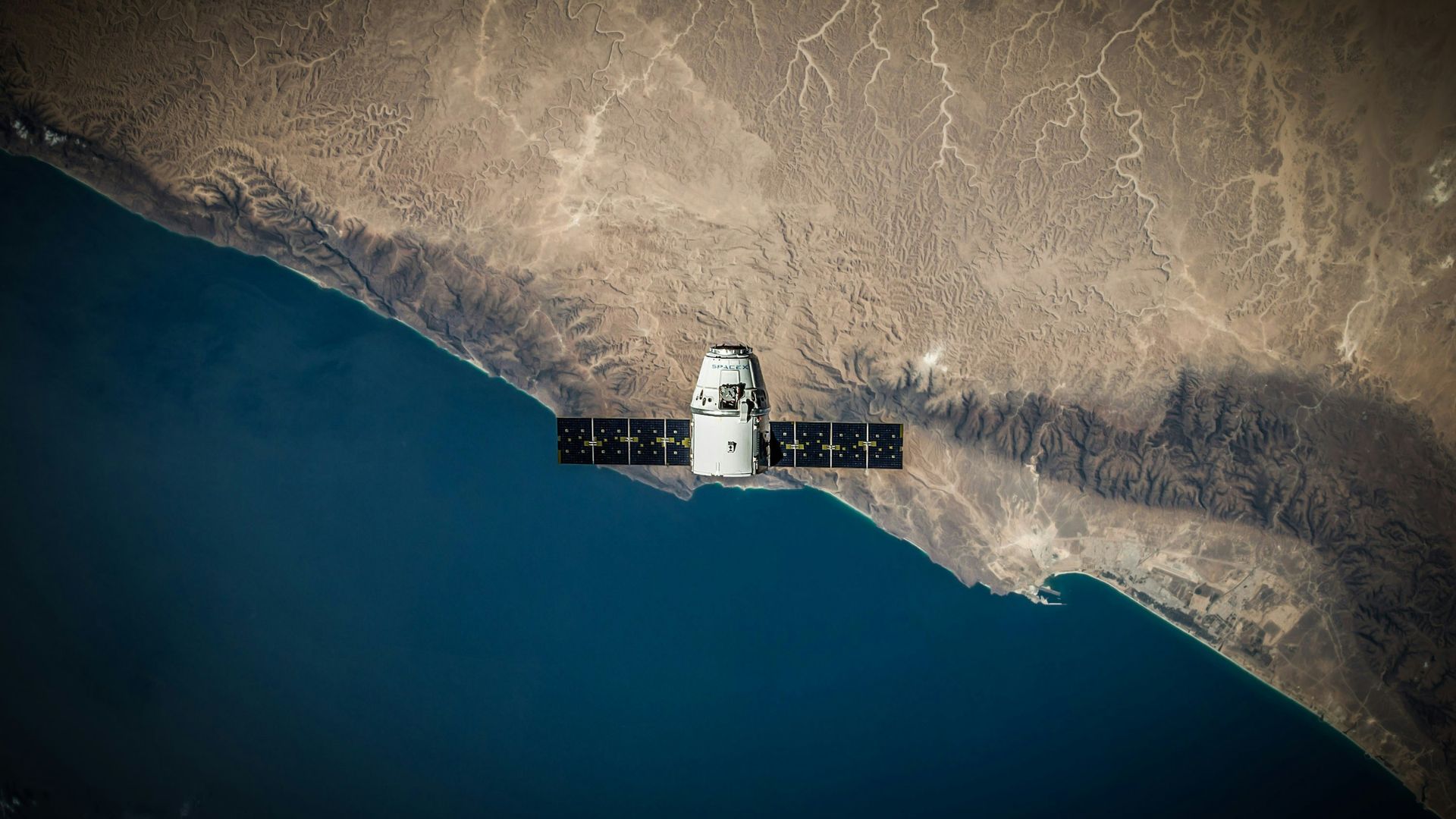
Some industry experts argue that satellite communications should no longer be viewed as a niche technology. Oppenheimer analyst Timothy Horan recently downgraded AT&T, saying the market may not fully appreciate the risks posed by satellite services. As satellite networks continue improving in speed and coverage, they could gradually attract more consumers seeking broader connectivity options.
Telecom Companies Continue to Describe Satellite as a Complement

Major wireless providers continue to present satellite connectivity as an extension of their existing networks rather than a replacement. T-Mobile has stated that only a tiny portion of its network traffic currently depends on satellite coverage, despite its exclusive agreement with SpaceX in the United States, which expires this month. Executives at AT&T and Verizon have also emphasized that satellite services mainly benefit remote areas where traditional infrastructure remains limited.
Starlink Appears Ready to Expand Beyond Internet Service
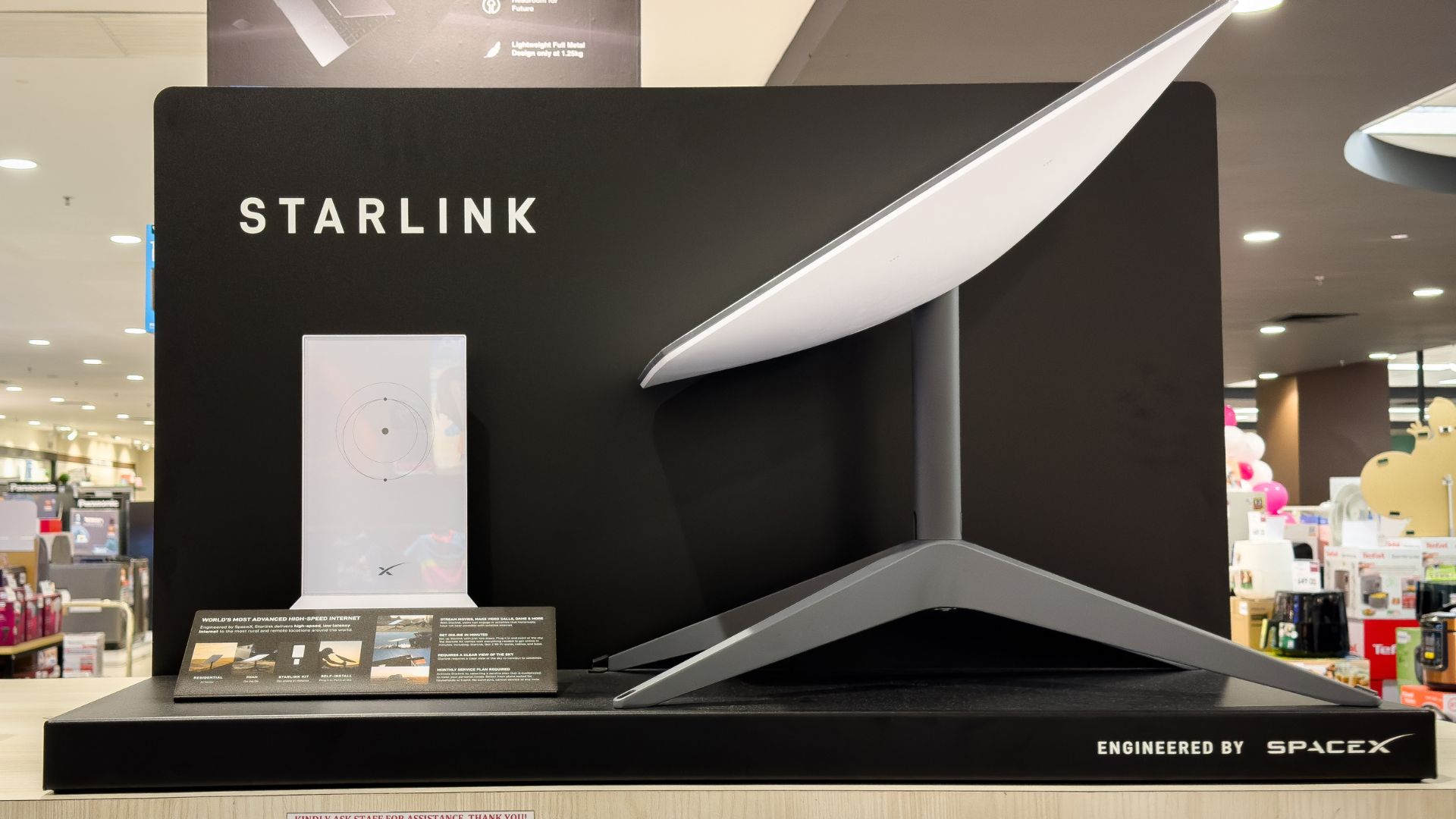
Starlink currently delivers broadband internet through thousands of satellites in low-Earth orbit, serving residential customers, businesses, and commercial operations. The company also supports mobile connectivity through partnerships with wireless carriers. However, reports suggest SpaceX is preparing to take a much larger role by offering mobile services directly to consumers.
Charter Partnership Could Expand Starlink’s Reach
According to industry reports, SpaceX has discussed a potential partnership with Charter Communications that could significantly broaden Starlink’s presence. Such an agreement could make satellite-powered mobile services available across millions of households and numerous public locations, giving the company access to a much larger customer base without building its own nationwide wireless infrastructure.
Telecom Stocks React to Growing Competitive Pressure
Investor concerns have already affected the stock market. AT&T recorded its weakest weekly performance since mid-2022 after shares dropped more than 9%, while Verizon experienced one of its largest weekly declines in recent years. T-Mobile recovered some losses with a modest gain, reflecting uncertainty over how future agreements with SpaceX could affect its competitive position.
Several Paths Could Bring SpaceX Into Mobile Services

Analysts at TD Cowen believe SpaceX has multiple options for entering the wireless business. The company could invest billions to develop its own mobile network, negotiate a mobile virtual network operator agreement with an existing carrier, or even acquire a wireless provider. Each strategy would allow SpaceX to expand its presence while leveraging its growing satellite infrastructure.
Carriers Are Working to Defend Their Position

Traditional telecom companies have publicly rejected the idea of launching mobile virtual network partnerships with Starlink. Instead, they have proposed joint investments focused on direct-to-device satellite technology to improve coverage in underserved regions. Many analysts view these initiatives as defensive efforts designed to reduce SpaceX’s competitive advantage before it expands further.
Spectrum Auctions Could Shape the Industry’s Future

Market observers believe uncertainty surrounding wireless companies could continue until the United States holds its next upper C-Band spectrum auction. Analysts estimate carriers may spend between $30 billion and $75 billion competing for valuable wireless frequencies. Future partnerships between SpaceX and major carriers could also influence investor confidence, particularly if new agreements reduce competitive tensions.
SpaceX Faces Competition From Other Satellite Companies

While SpaceX dominates much of the discussion, it is not the only company pursuing satellite-based mobile connectivity. Amazon has already launched enough satellites to begin offering initial services in 2026 through its Project Kuiper network. Meanwhile, AST SpaceMobile continues developing its own direct-to-device technology, adding even more competition to an industry already preparing for significant change.