Wildfire Smoke’s Hidden Ozone Threat May Be Linked to 2,000 U.S. Deaths a Year, Study Finds
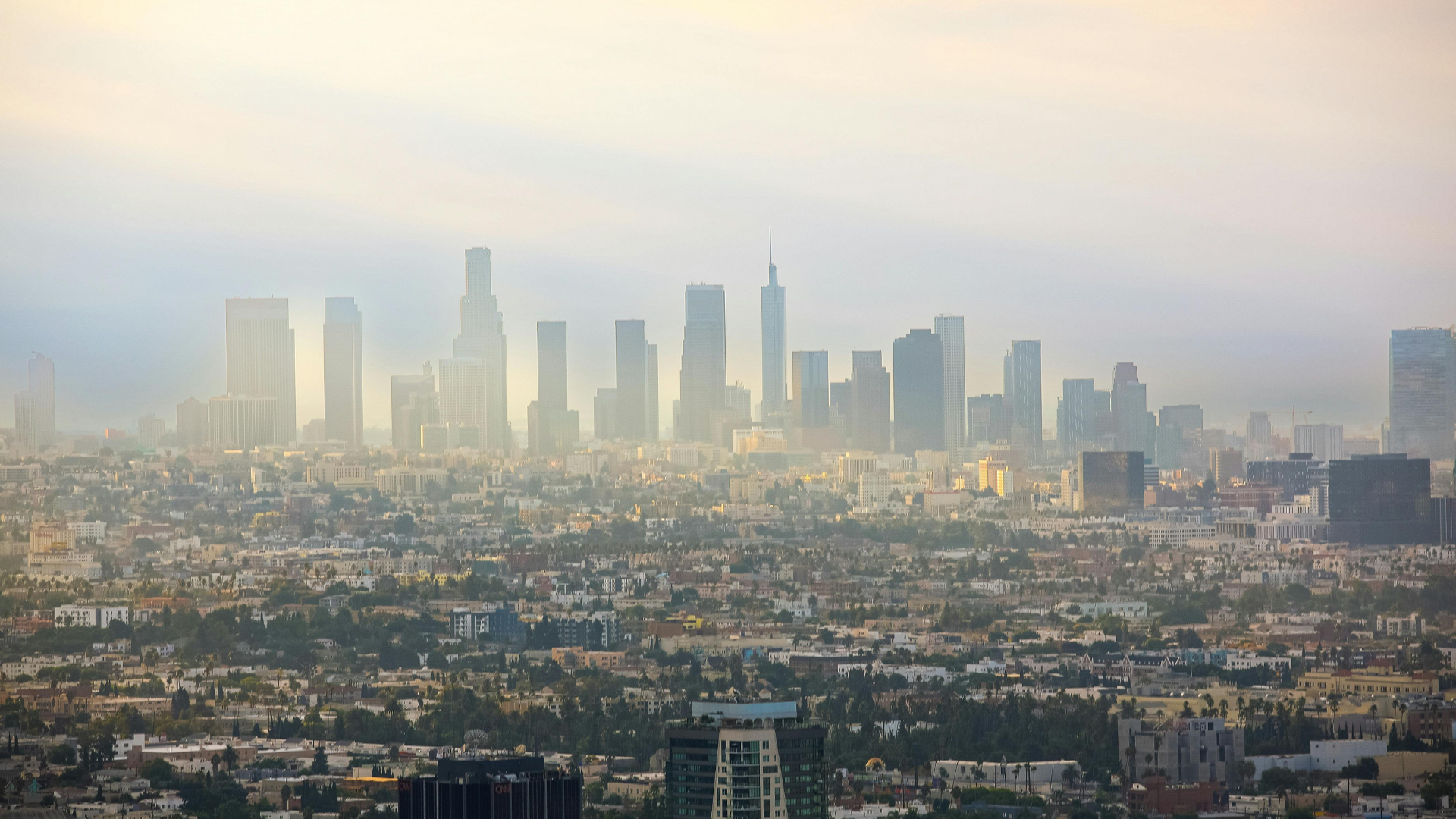

Wildfire smoke has long been associated with dangerous air pollution, but scientists now say an overlooked hazard inside that smoke may be causing thousands of additional deaths each year. A new study suggests ozone pollution created by wildfires could contribute to roughly 2,000 deaths annually across the United States, adding another layer of concern as wildfire seasons grow longer and more intense. Researchers warn that many people focus on visible smoke particles while failing to recognize the invisible ozone pollution lingering in the air even after skies appear clearer.
The Hidden Threat Isn’t Just Smoke Particles
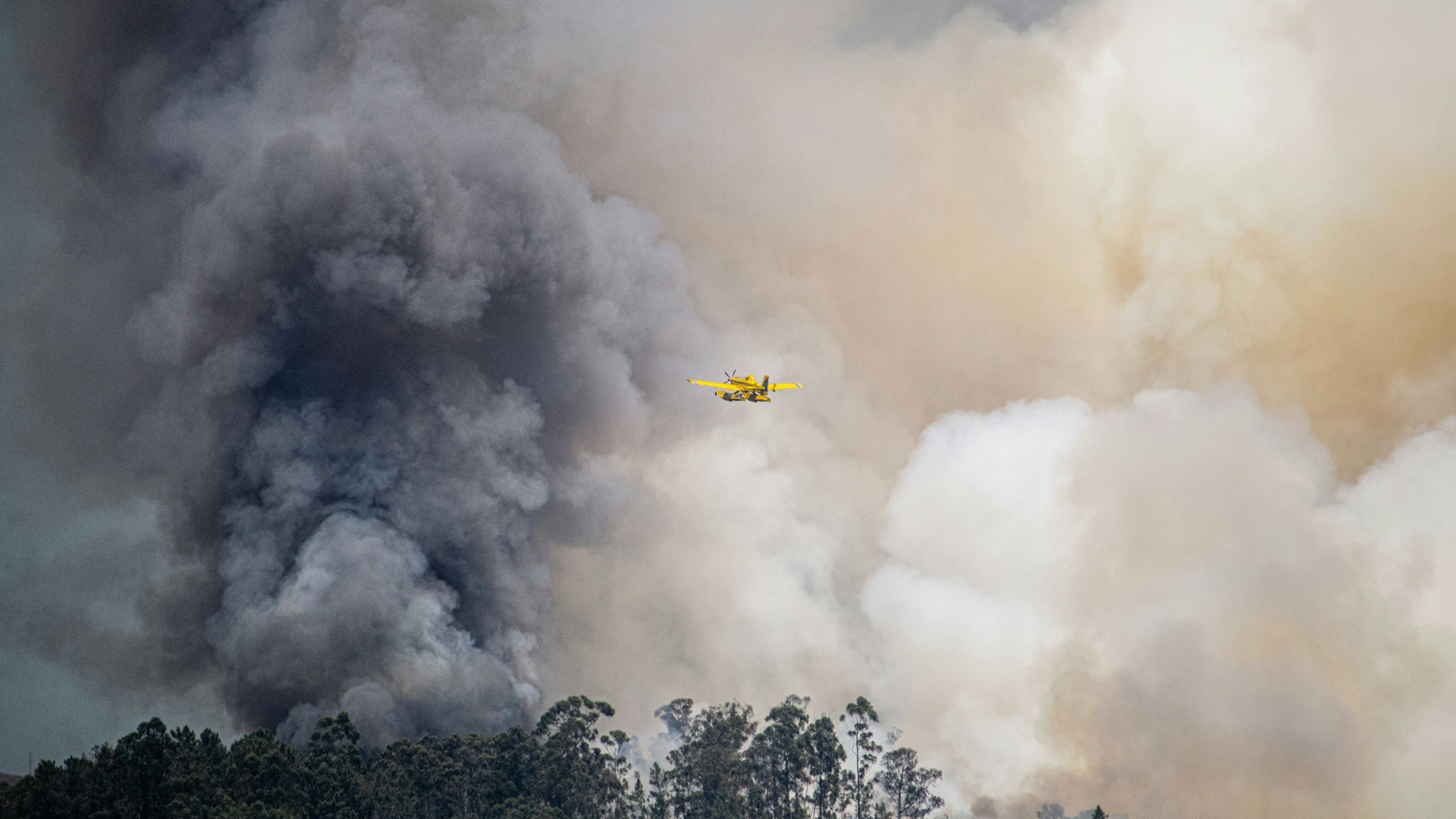
Most public warnings about wildfire smoke focus on fine particulate matter known as PM2.5, tiny particles that can enter the lungs and bloodstream. But scientists say wildfires also create ozone pollution through chemical reactions involving sunlight, nitrogen oxides, and volatile organic compounds released by fires. Unlike ash or smoke haze, ozone is invisible, making it much harder for people to recognize when they are being exposed.
Researchers Estimate 2,000 Annual Deaths
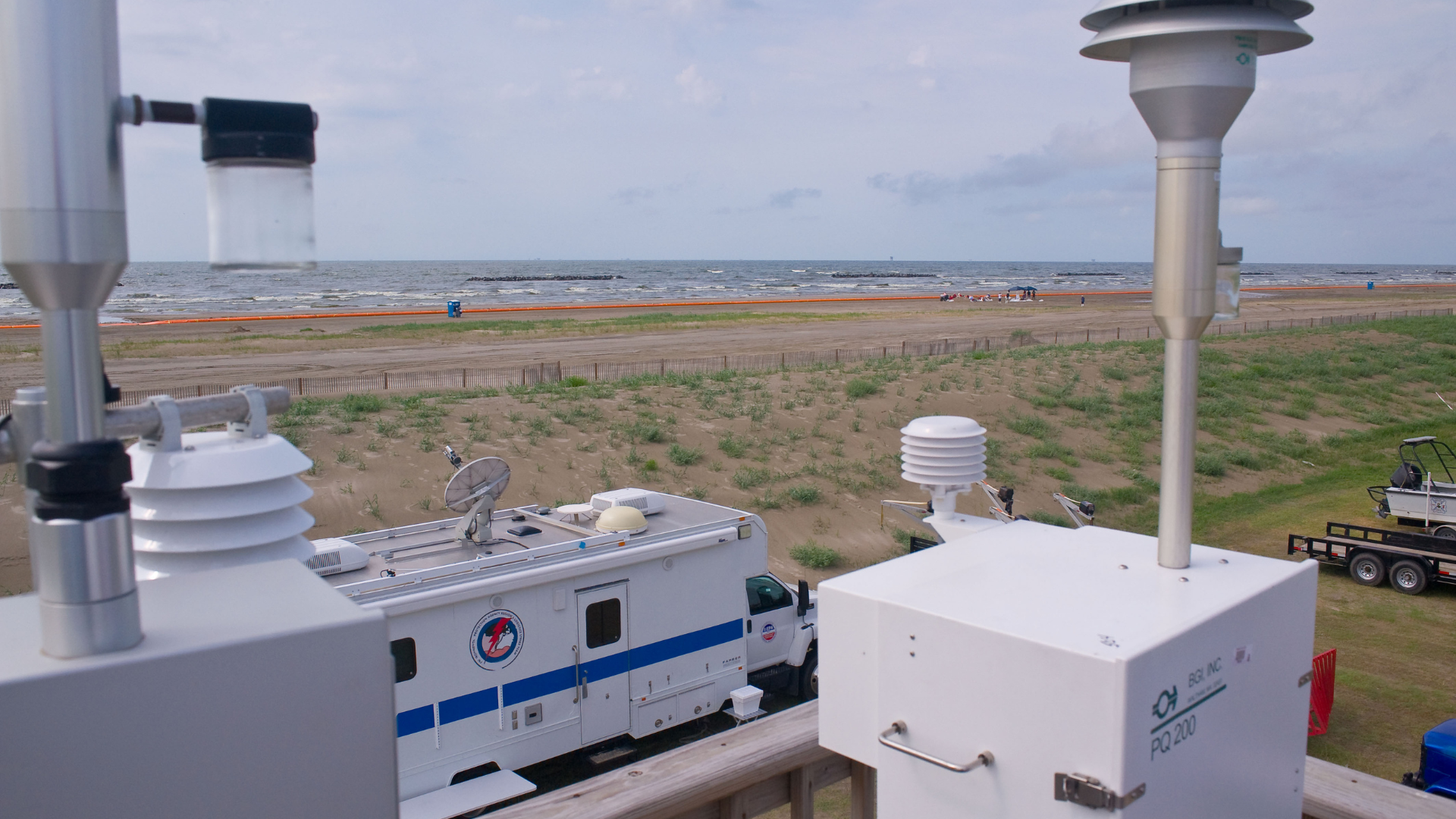
The new study found that ozone produced by wildfire smoke may contribute to approximately 2,000 deaths per year in the United States, particularly among adults ages 65 and older. Researchers say earlier studies likely underestimated wildfire-related health impacts because they focused mostly on particulate pollution while overlooking ozone exposure.
Ozone Pollution Can Linger After Smoke Clears
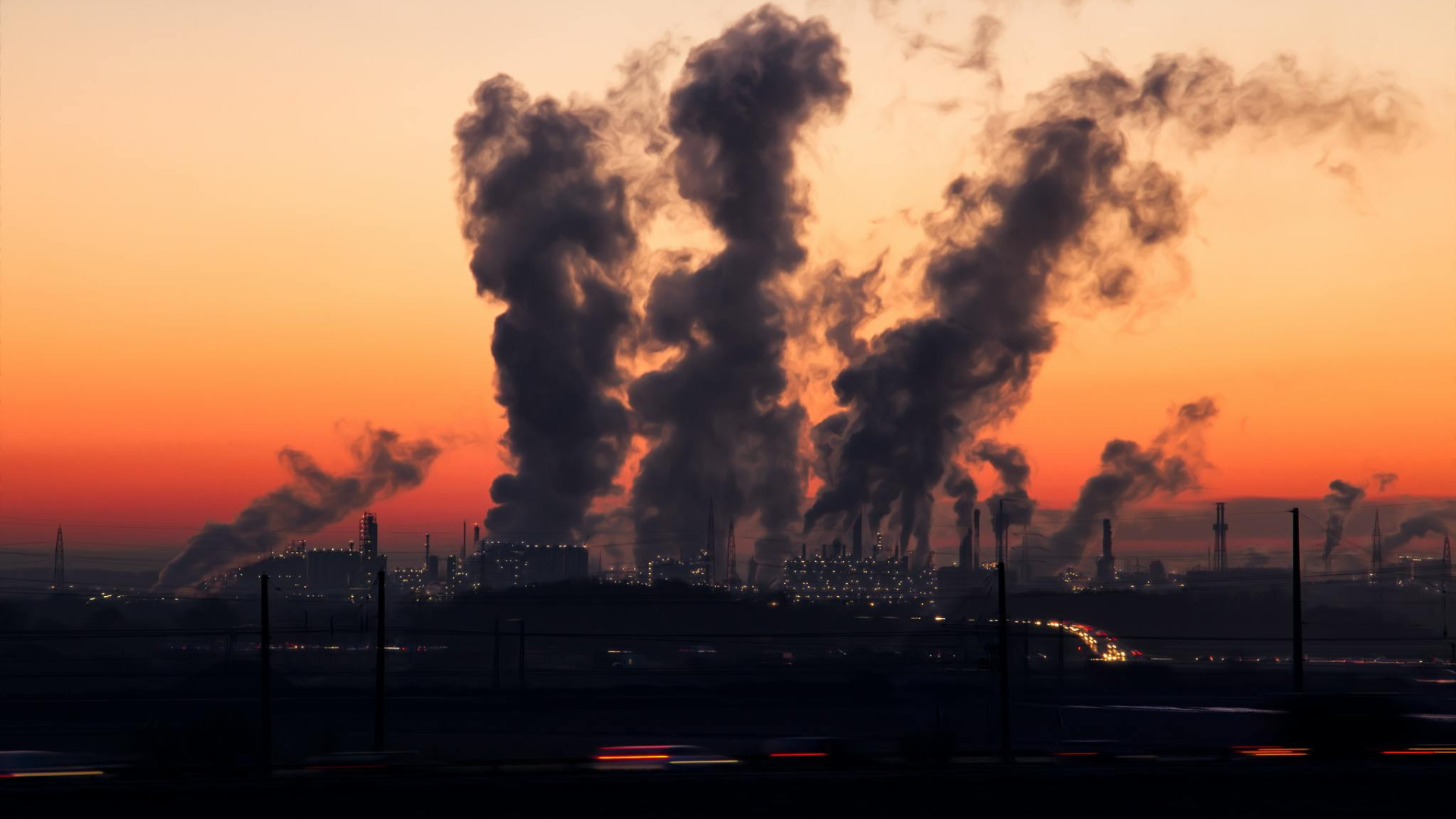
One of the most concerning findings is that dangerous ozone levels can remain even after visible smoke disappears. Scientists explained that particulate pollution and ozone pollution do not always overlap, meaning people may believe conditions are safe simply because the air looks clearer. In reality, ozone generated by wildfire smoke can continue harming respiratory health long after fires move away.
How Ozone Affects the Human Body

Ground-level ozone is known to irritate and inflame the lungs, making breathing more difficult and worsening conditions such as asthma, bronchitis, and chronic obstructive pulmonary disease. Long-term exposure has also been linked to increased cardiovascular and respiratory mortality. Scientists say repeated ozone exposure may permanently damage lung tissue over time, especially in vulnerable populations.
Wildfires Are Becoming More Frequent and Severe
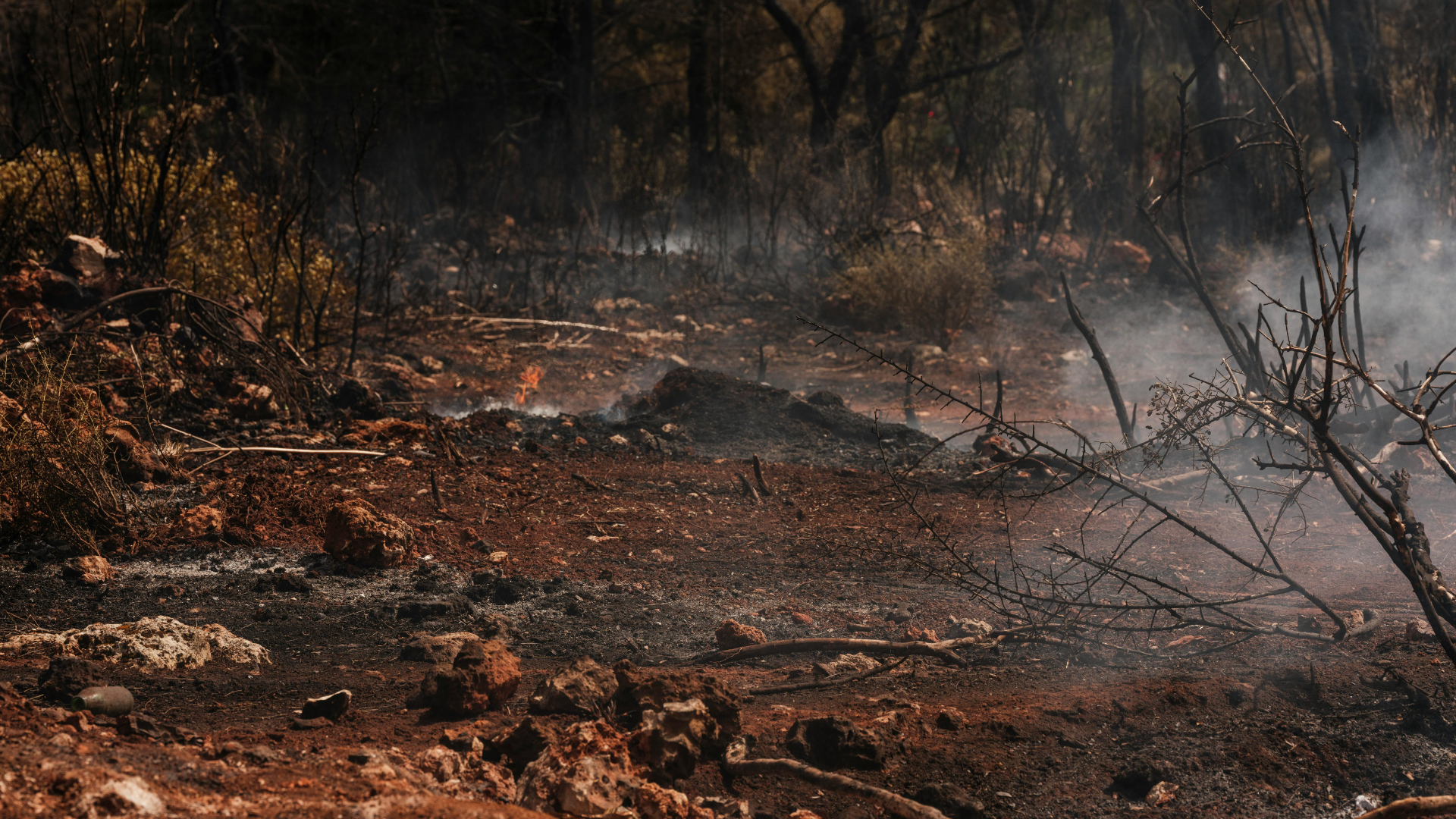
Researchers warn that the ozone problem may worsen because wildfires are increasing in both frequency and intensity across the United States. Climate change, prolonged droughts, and hotter temperatures have contributed to larger fires that produce enormous amounts of smoke and pollution capable of traveling across entire regions and even continents.
Smoke Can Travel Thousands of Miles
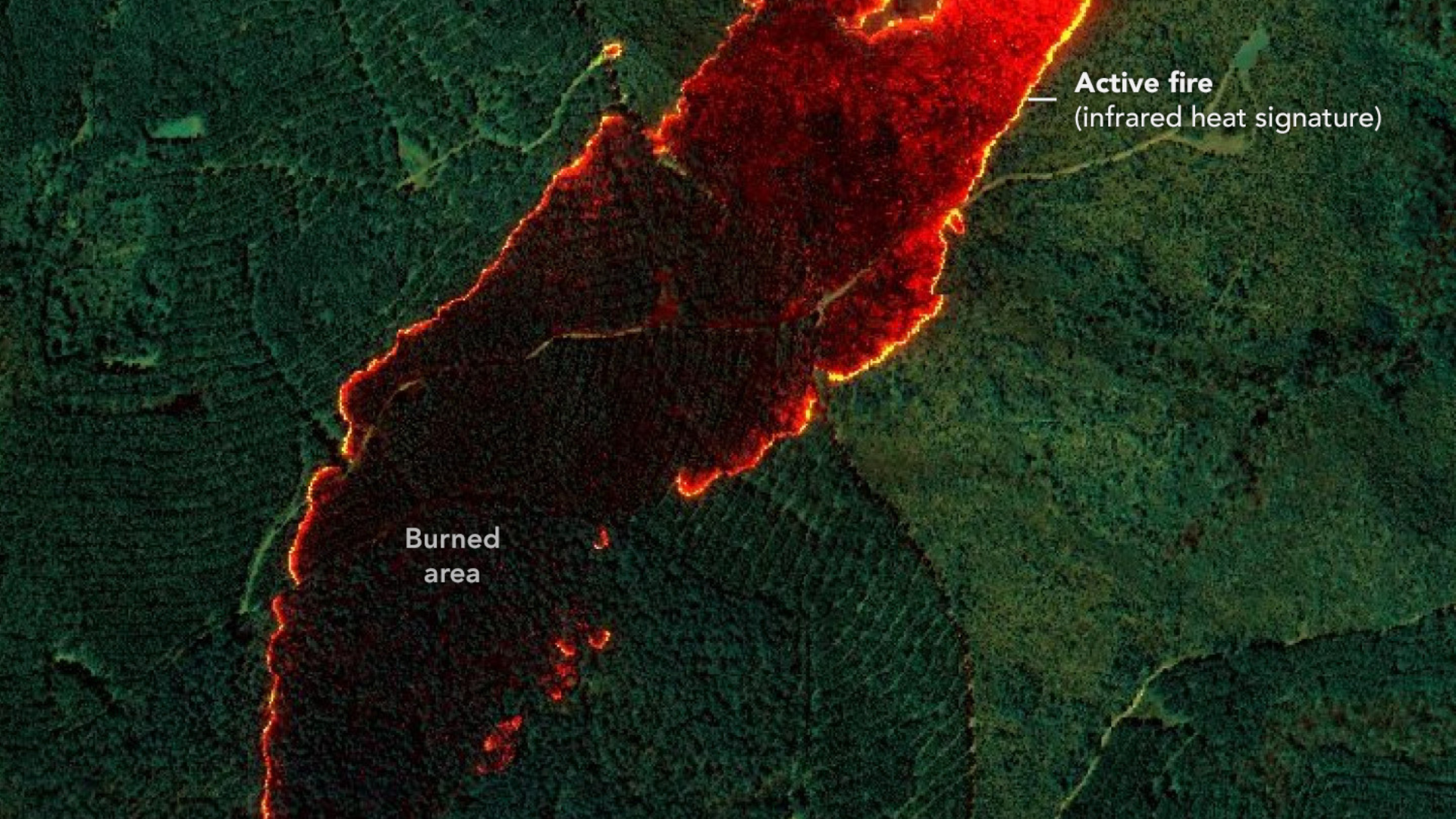
Wildfire smoke doesn’t stay near the flames. Atmospheric studies show smoke plumes can travel thousands of miles, exposing populations far from active fires to polluted air. In some cases, wildfire smoke from North America has even crossed oceans and affected air quality in Europe, demonstrating how widespread the health risks can become.
Older Adults Face the Highest Risk
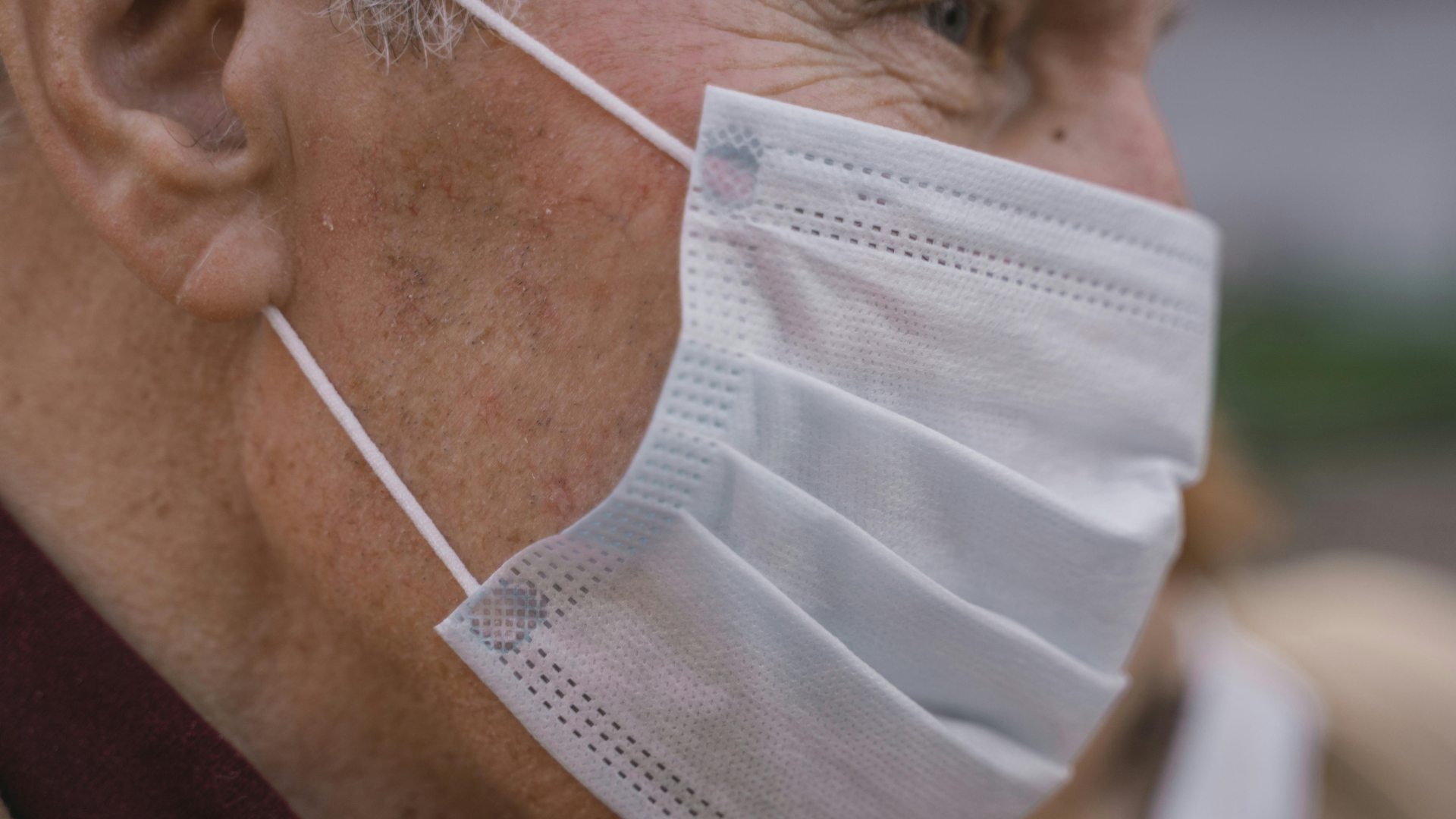
The study focused particularly on adults age 65 and older because this group appears especially vulnerable to ozone-related health complications. Seniors and people with existing heart or lung conditions are more likely to suffer severe effects during wildfire smoke events, including hospitalization and increased mortality risk.
Scientists Say Wildfire Health Costs Are Underestimated

Experts increasingly believe the health burden from wildfires is much larger than previously understood. Separate studies have already linked wildfire smoke PM2.5 exposure to tens of thousands of deaths annually in the U.S., and researchers now say adding ozone exposure reveals an even more serious public health crisis.
The Study Highlights a Growing Public Health Challenge
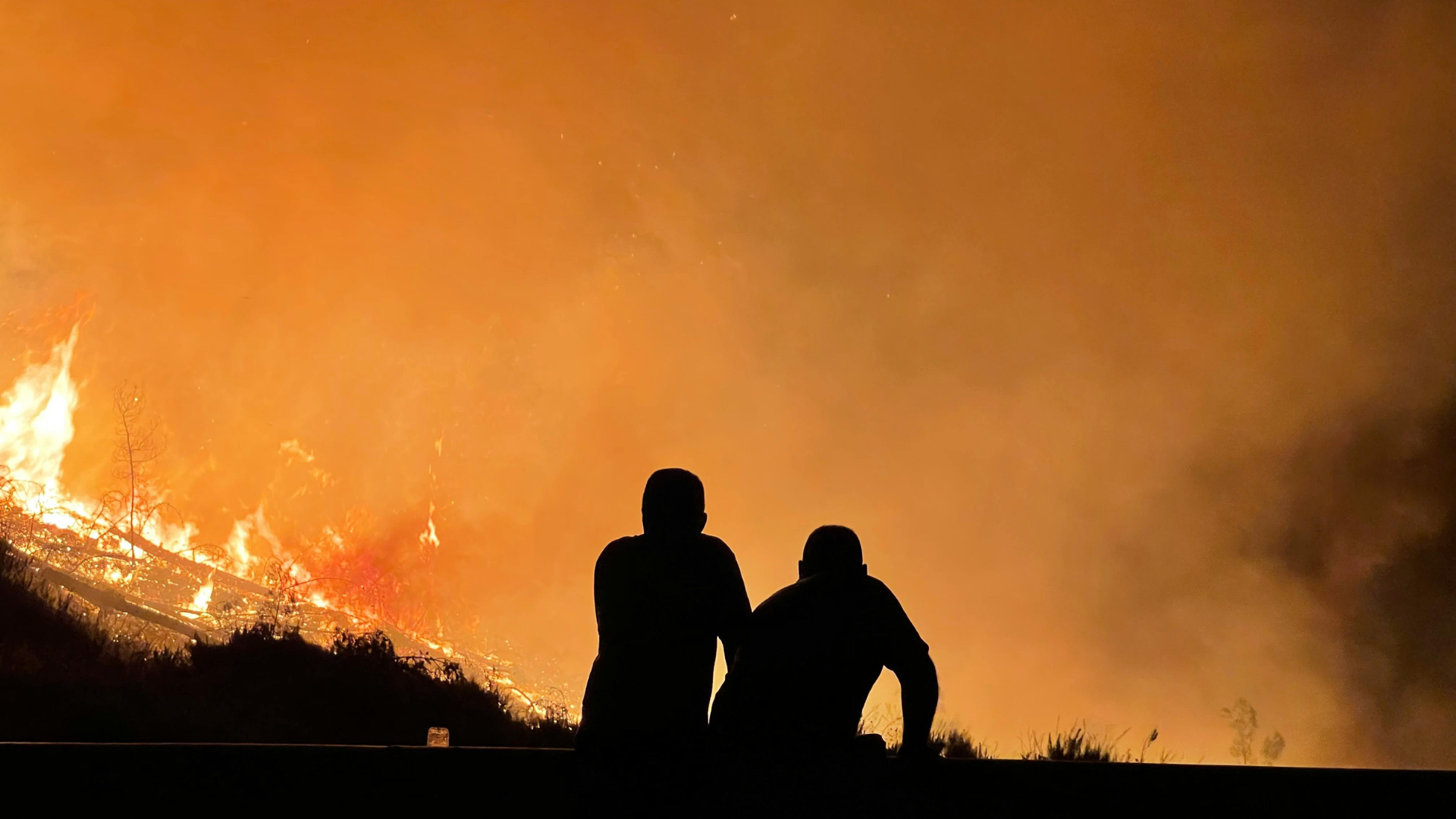
As wildfire seasons intensify, scientists warn that the combination of smoke particles and hidden ozone pollution could create a major long-term health challenge across the country. Researchers say improving public awareness, air quality monitoring, and emergency health guidance will become increasingly important as millions of Americans face more frequent exposure to dangerous wildfire-related pollution in the years ahead.