Why Your Fancy New Airplane Seat Might Be Sitting Empty
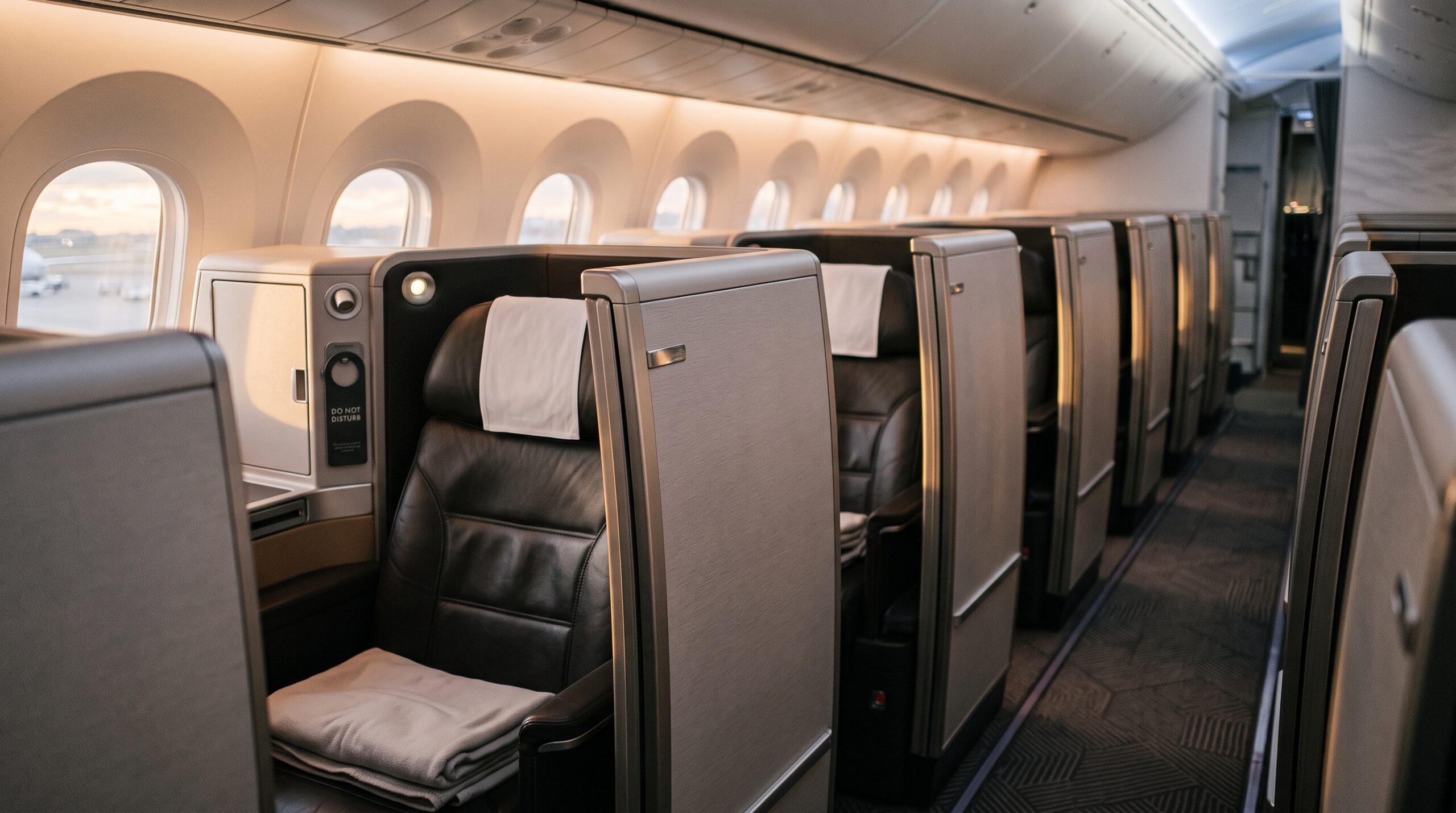

Airlines have poured billions into next generation business and first class cabins, complete with privacy doors, personal climate controls and giant touchscreens. But flagship carriers including American, Lufthansa, Riyadh Air and Singapore Airlines are all struggling to navigate the lengthy, multi-year approval process for bespoke cabins. The seats look finished on the outside, yet safety regulators have not signed off on them. That gap between manufacturing and certification means some of the most expensive seats on a plane can end up empty, even after passengers have already paid a premium fare hoping to sit in one.
How a Comfortable Bed Became a Regulatory Puzzle
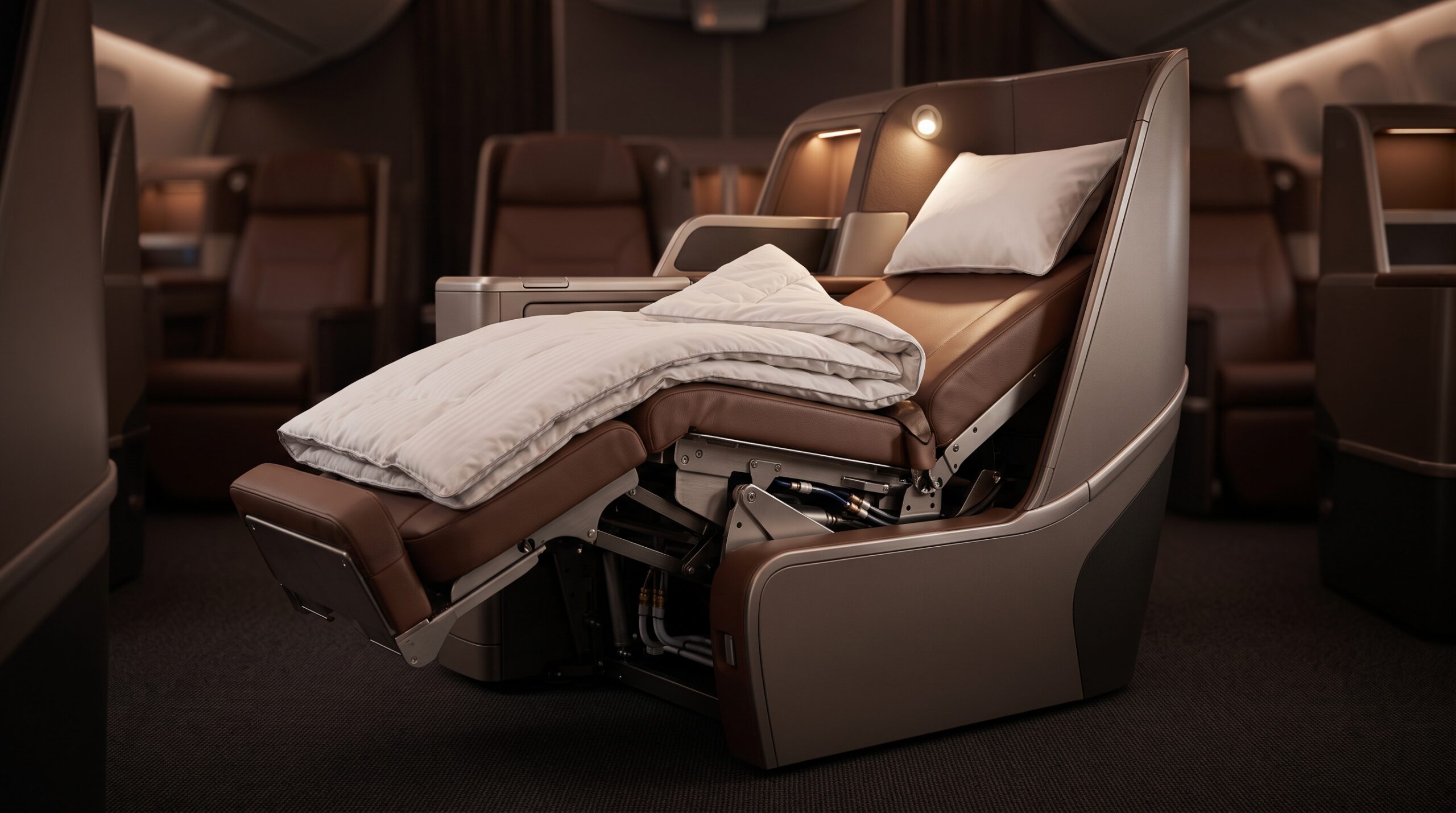
The trouble traces back decades to a simple design shift. As premium seats have become increasingly complex, getting regulatory clearance to fly them is harder than ever, creating a production bottleneck that is about to become visible in the sky. Lie-flat beds, once a novelty, are now standard on long-haul routes, and airlines keep adding features on top of them. Each new feature, from heated seats to sliding doors, needs its own safety review. What began as a comfort upgrade has turned into one of the more complicated approval chains in commercial aviation.
Every Added Feature Creates a New Hurdle
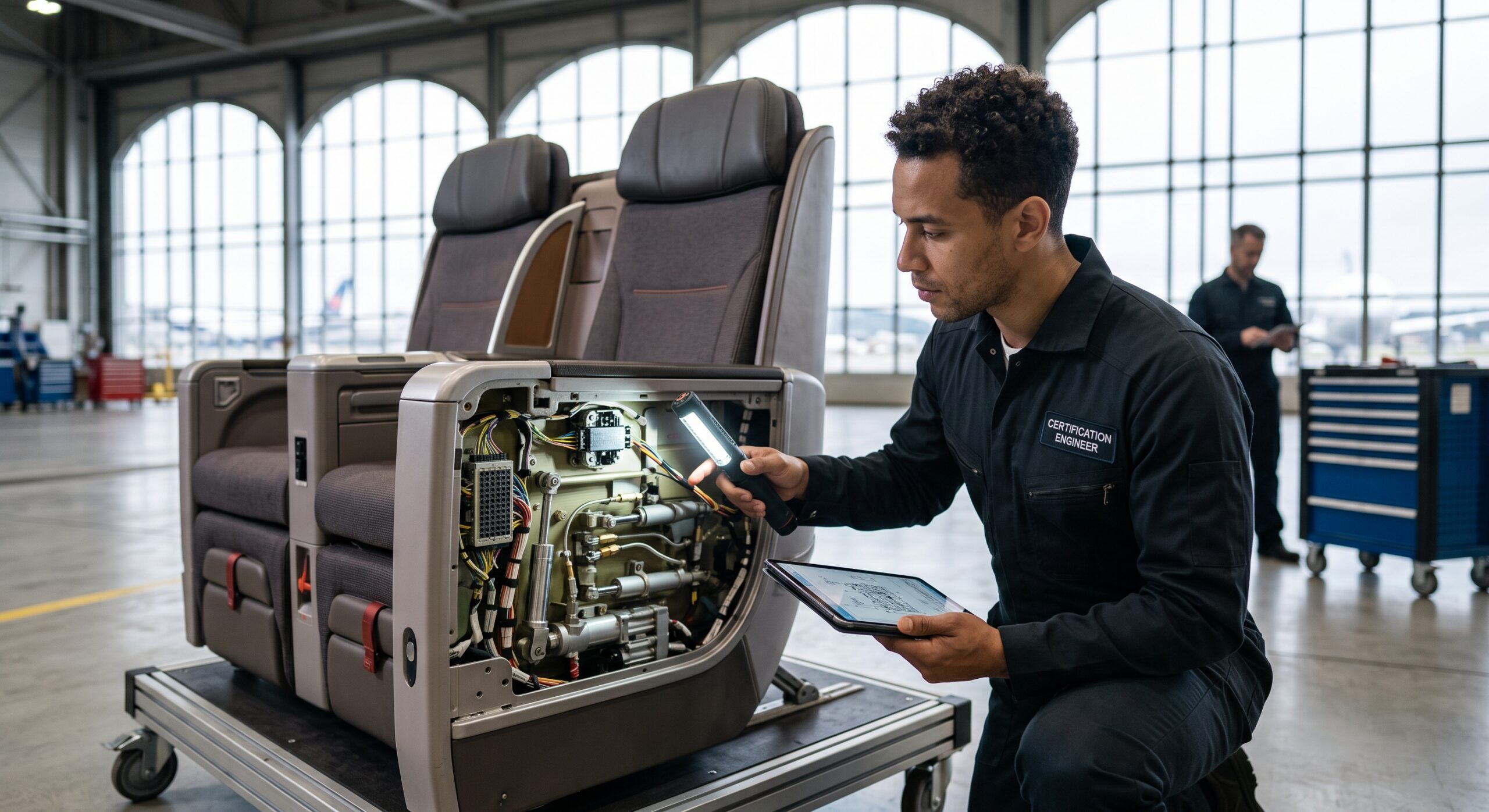
Take Lufthansa’s new premium Allegris suites and Senses, its sister carrier Swiss’s version. Both are a complete overhaul of their long-haul cabins, featuring seat heating, seat cooling and personal climate controls. Nice amenities, certainly, but every added feature introduces a fresh regulatory hurdle that engineers and regulators must work through individually. It is not just one big safety test. It is dozens of smaller ones stacked on top of each other, and each one takes time.
Certification Now Takes Six Months Longer Than Before
Experts estimate that certifying a new premium seat today takes at least six months longer than it did prior to the Covid pandemic, when lead times averaged one to two years. That means airlines are often ordering and installing seats years before they know for certain when passengers will actually be allowed to use them. Planning a cabin refresh has become as much a bet on regulatory timing as it is a design decision, and that bet does not always pay off on schedule.
One Airline Flew With Four Out of Twenty-Eight Seats Usable
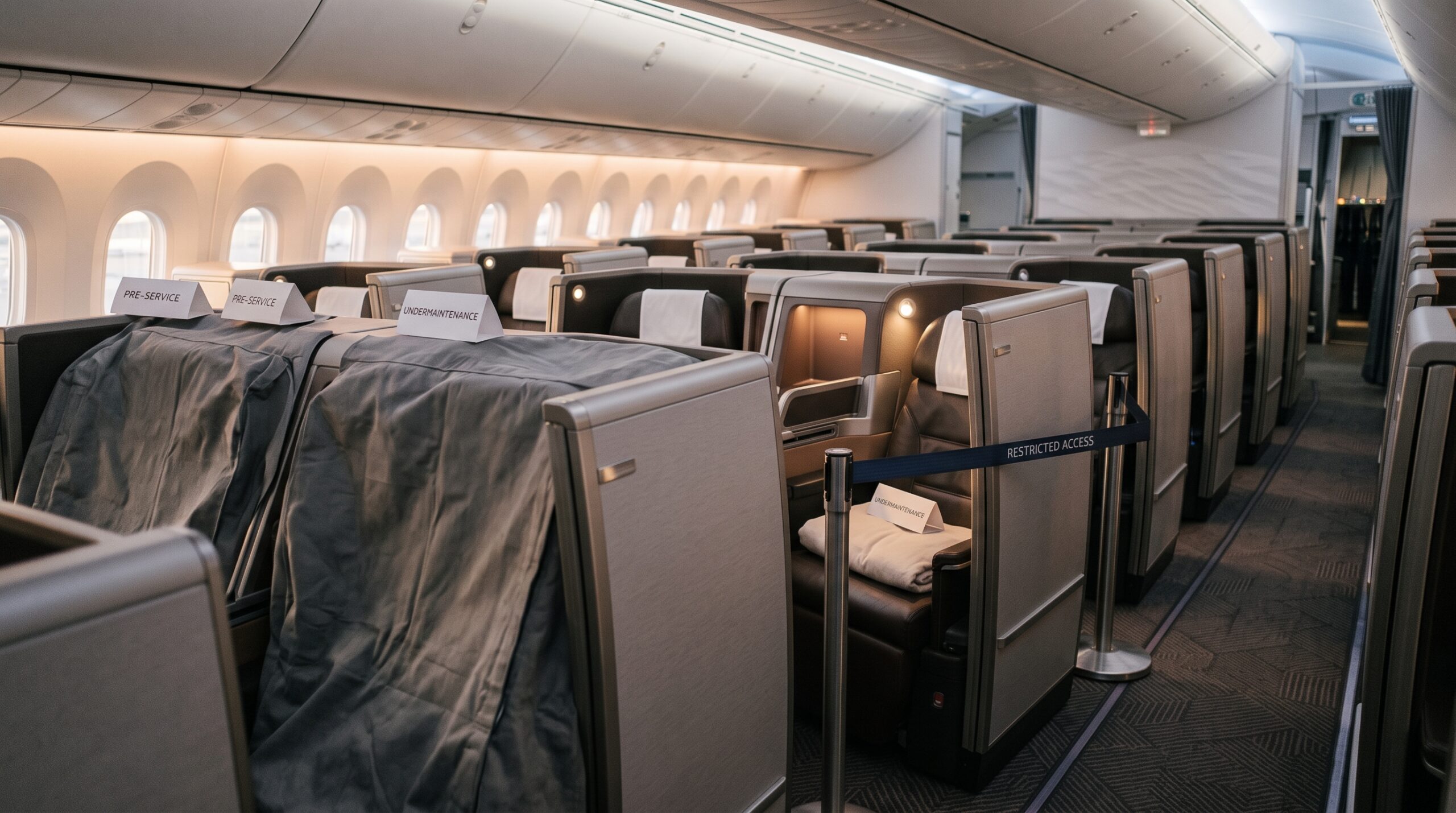
Lufthansa’s experience shows just how extreme the gap can get. Of the 28 Allegris business class seats installed on each aircraft, only 4 had received FAA clearance as of August 2025. The other 24 seats flew empty, generating no revenue, while Lufthansa absorbed the cost of operating new aircraft at a fraction of their designed yield. Passengers boarding those flights would have seen rows of brand-new suites, most of them completely off limits, simply sitting there while the airline waited for paperwork to catch up with hardware.
A Billion Dollar Cabin Upgrade Just Got Pushed to 2027
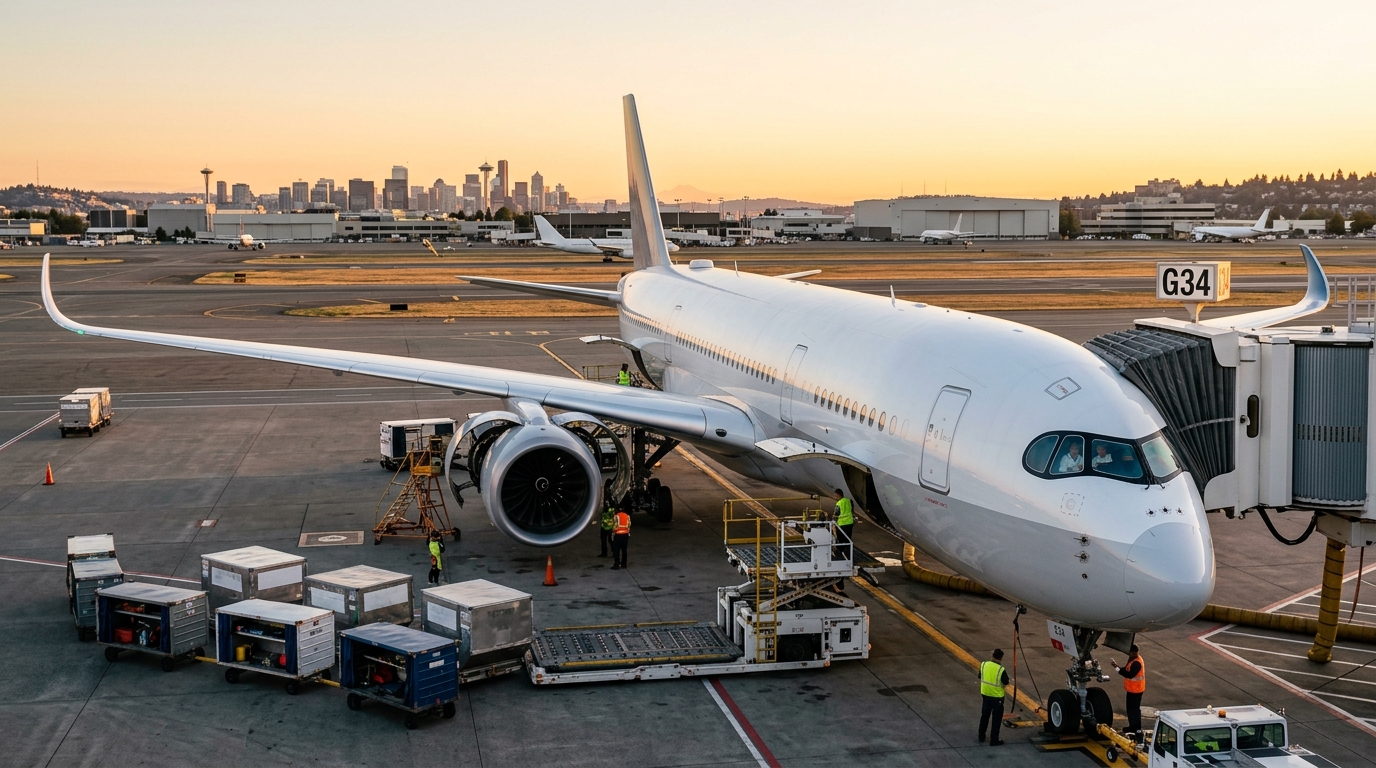
Singapore Airlines is facing a similar setback on a much larger scale. Singapore Airlines announced in May 2026 that its S$1.1 billion cabin retrofit program, which was supposed to bring new business and first class seats to 41 Airbus A350-900s in the second quarter of 2026, has been pushed back to early 2027 after certification delays. A project of that size involves dozens of aircraft, so even a modest certification slowdown can ripple into a delay measured in years rather than months.
Some Airlines Lock the Fancy Doors Shut Instead
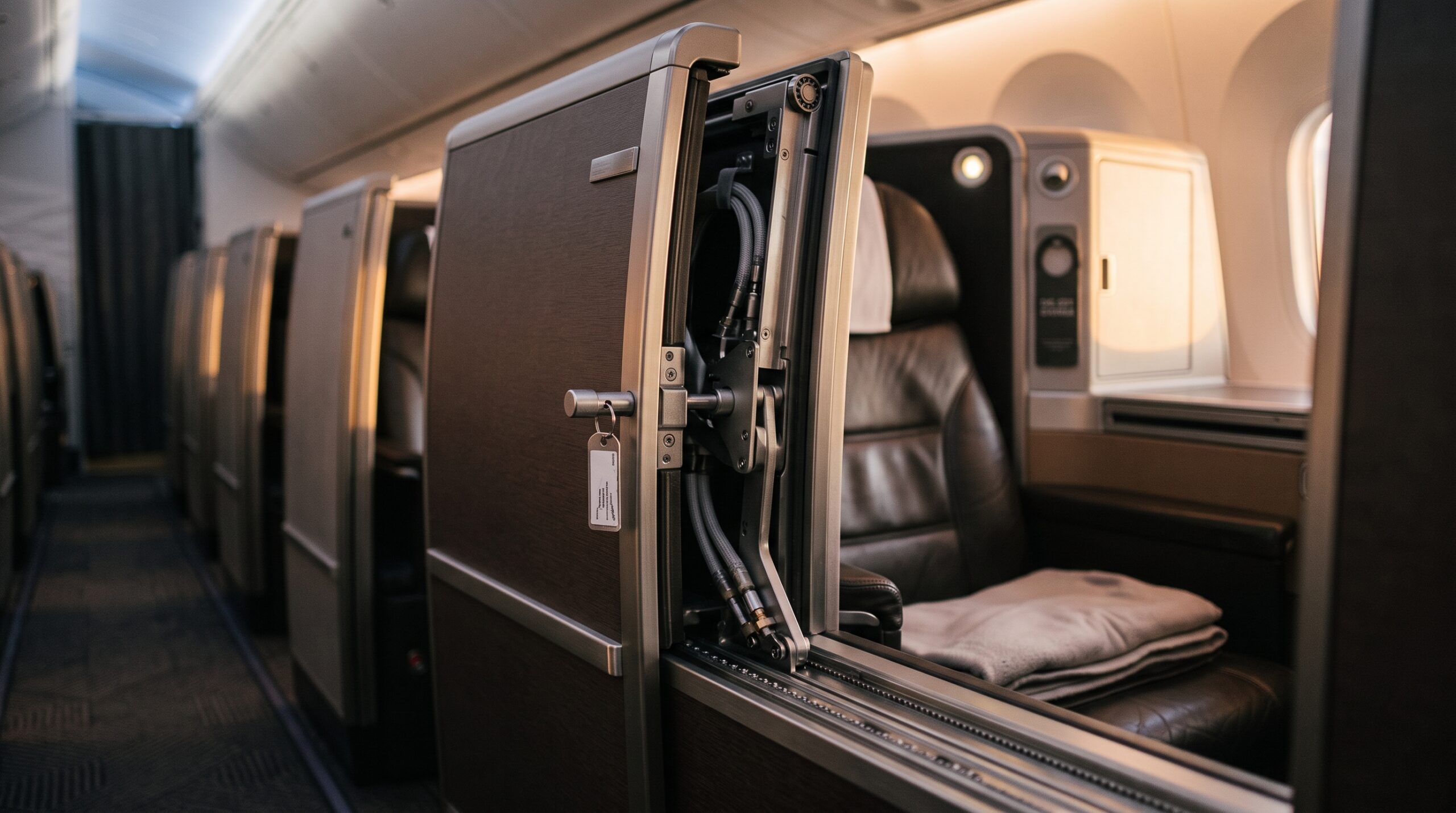
Rather than leave seats completely blocked, some carriers have chosen a middle ground. According to reporting on the industry trend, Lufthansa has been forced to operate affected 787-9 aircraft while selling only 4 of the 28 business class seats, leaving the remaining suites unavailable for booking despite being physically installed onboard, and other airlines have taken a similar approach by allowing passengers into new suites while the privacy doors themselves stay locked open. It keeps more seats sellable while regulators finish reviewing the moving parts that raise safety questions.
Why Regulators Are So Cautious About Fancy Seats
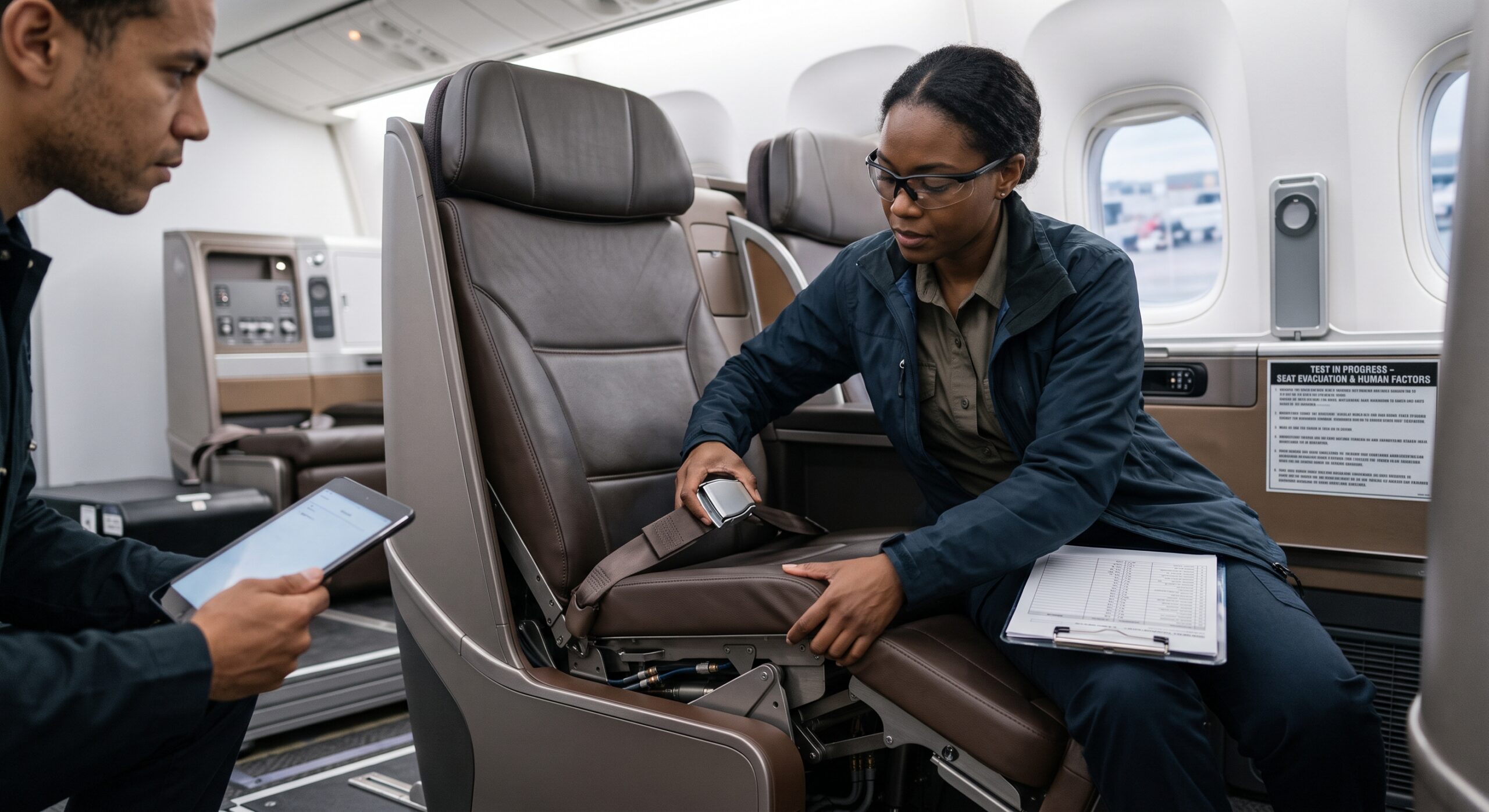
The concern is not about comfort. It is about what happens in an emergency. Federal Aviation Administration Administrator Bryan Bedford explained that seats and suites, especially in the premium section of the airplane, sometimes don’t pass human factors tests for impact. Details like where a seat is positioned, how a buckle is designed and how a privacy door swings open can all affect how quickly someone can get out of their seat and off the plane during an evacuation. Regulators would rather slow the rollout than risk getting that wrong.
Airlines Are Building Ahead of Approval on Purpose
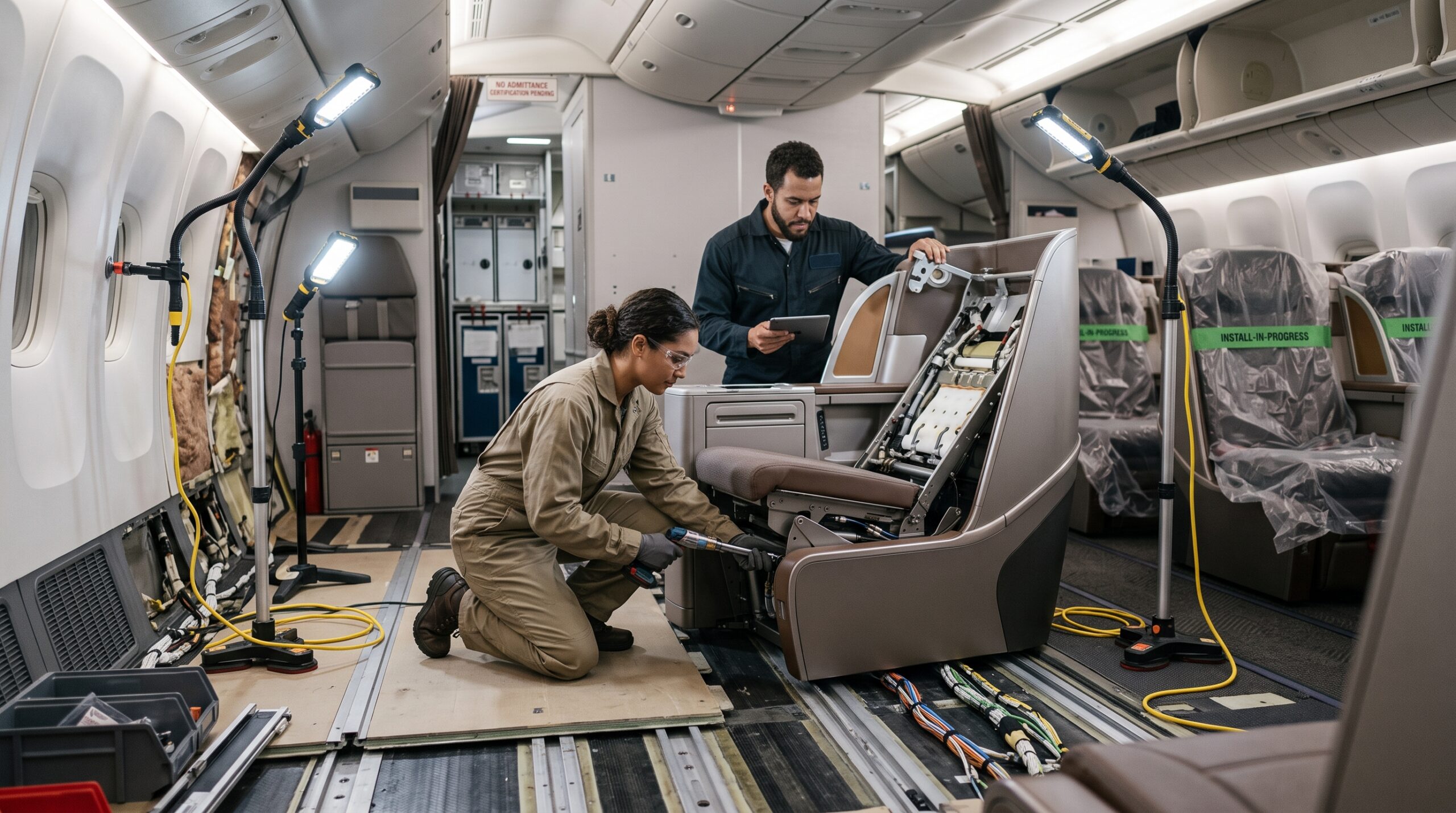
Part of the problem is timing. Regulators say cabin manufacturers and airlines need to loop them in earlier, but in practice aircraft are often built or retrofitted with new cabin designs before the FAA or other regulators have had the opportunity to fully certify them. That creates a choke point right when a plane is ready to enter service. Airlines are essentially betting that approval will arrive close to delivery day, and when it does not, the newest aircraft in the fleet ends up flying with some of its best seats unusable.
What This Means for Your Next Premium Ticket
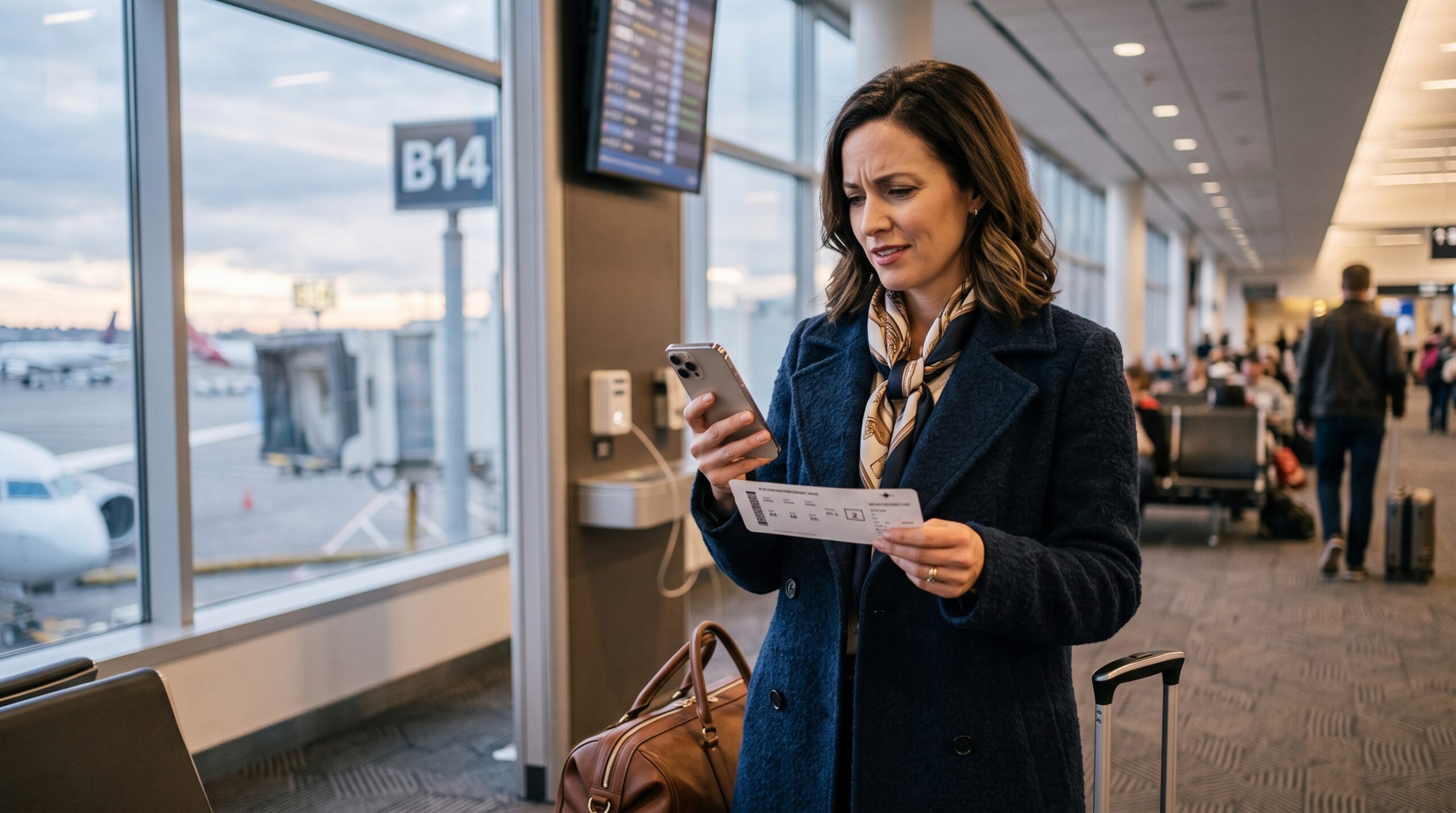
If you have booked a pricey suite on a newly launched route, it is worth checking recent reviews or airline notices before you fly, since seat maps do not always reflect which suites are actually certified for use. The bigger picture is a simple one. Cabin design has moved faster than the safety rules built to keep pace with it. Airlines are not cutting corners, they are running into a genuinely slower approval process, and the most surprising part is that a seat can be fully built, installed and gorgeous, and still not be allowed to hold a passenger.