Why Your Car Shakes and What It May Be Trying to Tell You


That shake in your steering wheel or seat is more than an annoyance. Cars vibrate a little by design, but a new or growing shake usually means something is out of balance, worn, or loose. The good news is that your car gives clues. When the shaking happens, how fast you are going, and where you feel it can point toward the cause long before a mechanic opens the hood. Some causes are cheap and quick to fix. Others can affect your safety if ignored. Let’s start with the most common culprit, which may be hiding right under your feet.
This article was created with the assistance of AI and reviewed by our editorial team for accuracy and clarity.
The Tire Problem Most Drivers Never See
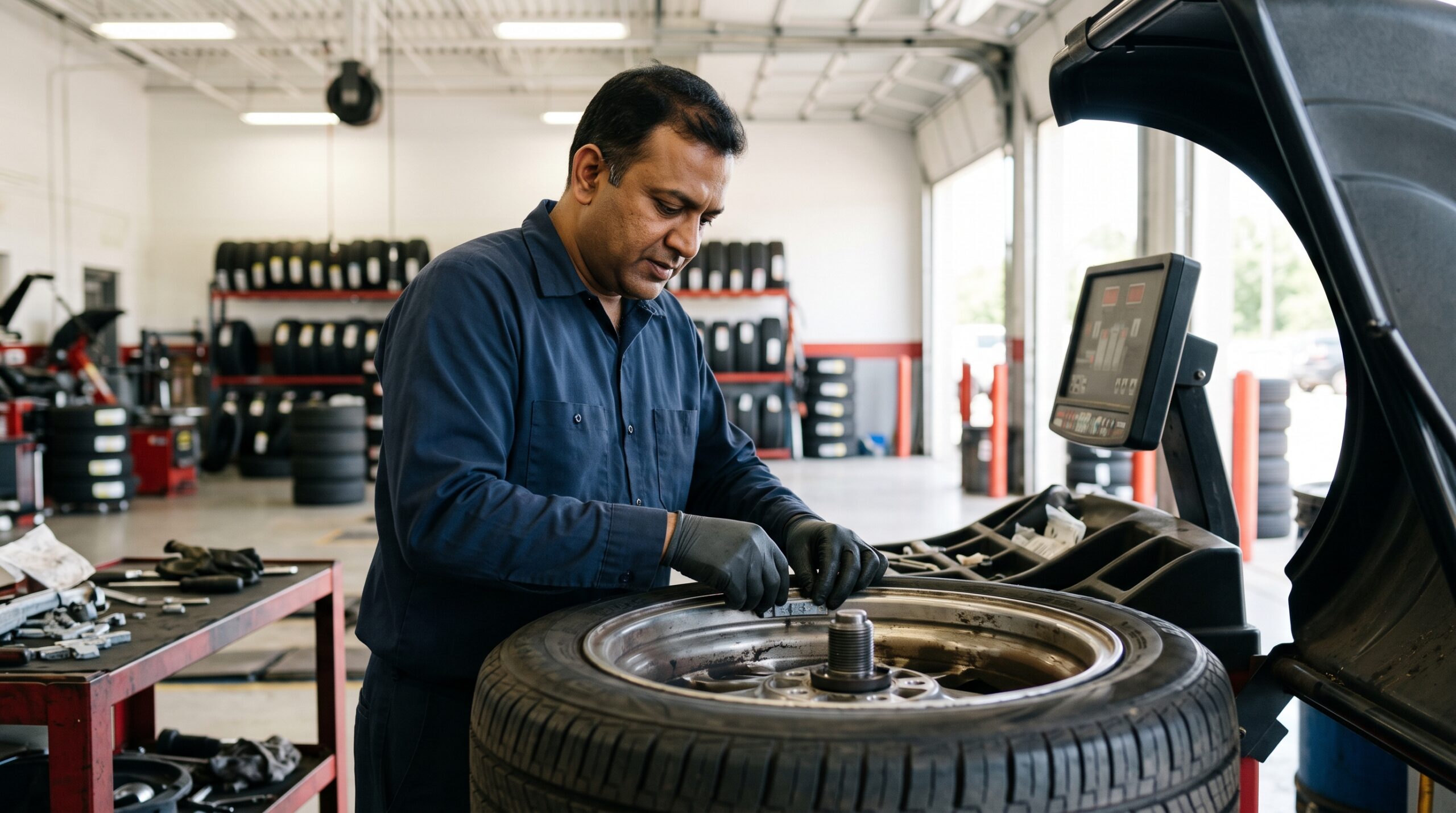
Each wheel and tire is weighed and balanced with small metal weights so it spins evenly. If a weight falls off, or a tire wears unevenly, the wheel can wobble as it rotates. Drivers often feel this as a steady shimmy in the steering wheel at highway speeds, commonly somewhere around 50 to 70 miles per hour. A balance check is usually one of the least expensive repairs on a car. It also protects other parts, because ongoing vibration can wear out suspension components faster. Still, balance is only one tire related possibility, and the next one is easy to overlook.
Your Tread Might Be Telling on You
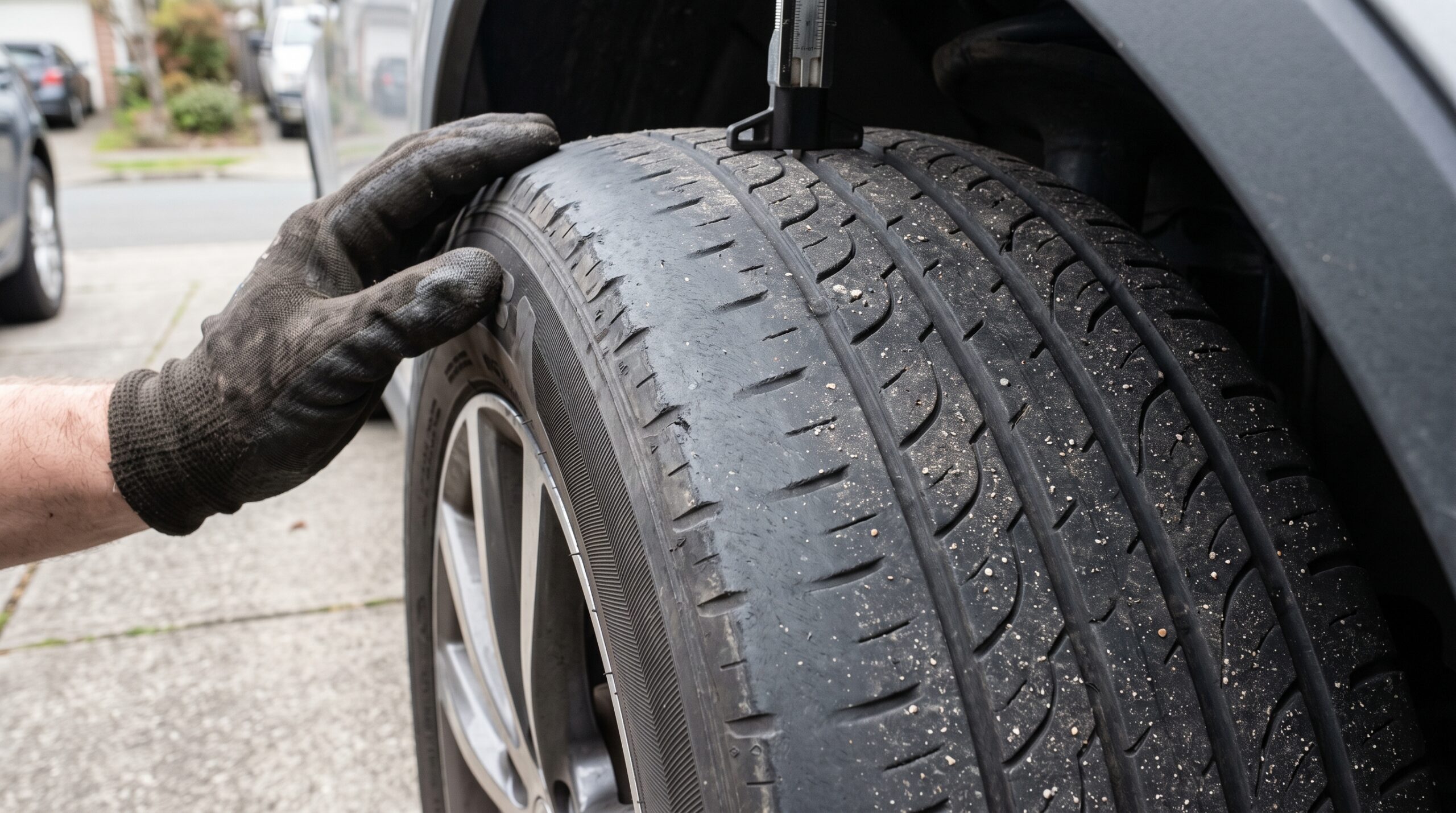
Take a close look at your tires. Wear that is heavier on one edge, or patchy in a scalloped pattern, can signal an alignment or suspension problem. Alignment simply means your wheels are pointed in exactly the right direction, and a deep pothole or a bump against a curb can nudge them out of position. A car that pulls to one side, or a steering wheel that sits crooked on a straight road, are common hints. Bulges on a tire sidewall deserve extra attention, since they can mean internal damage and should be checked right away. Tires are not the only round parts that can cause shaking.
When the Shaking Starts Only at the Brakes
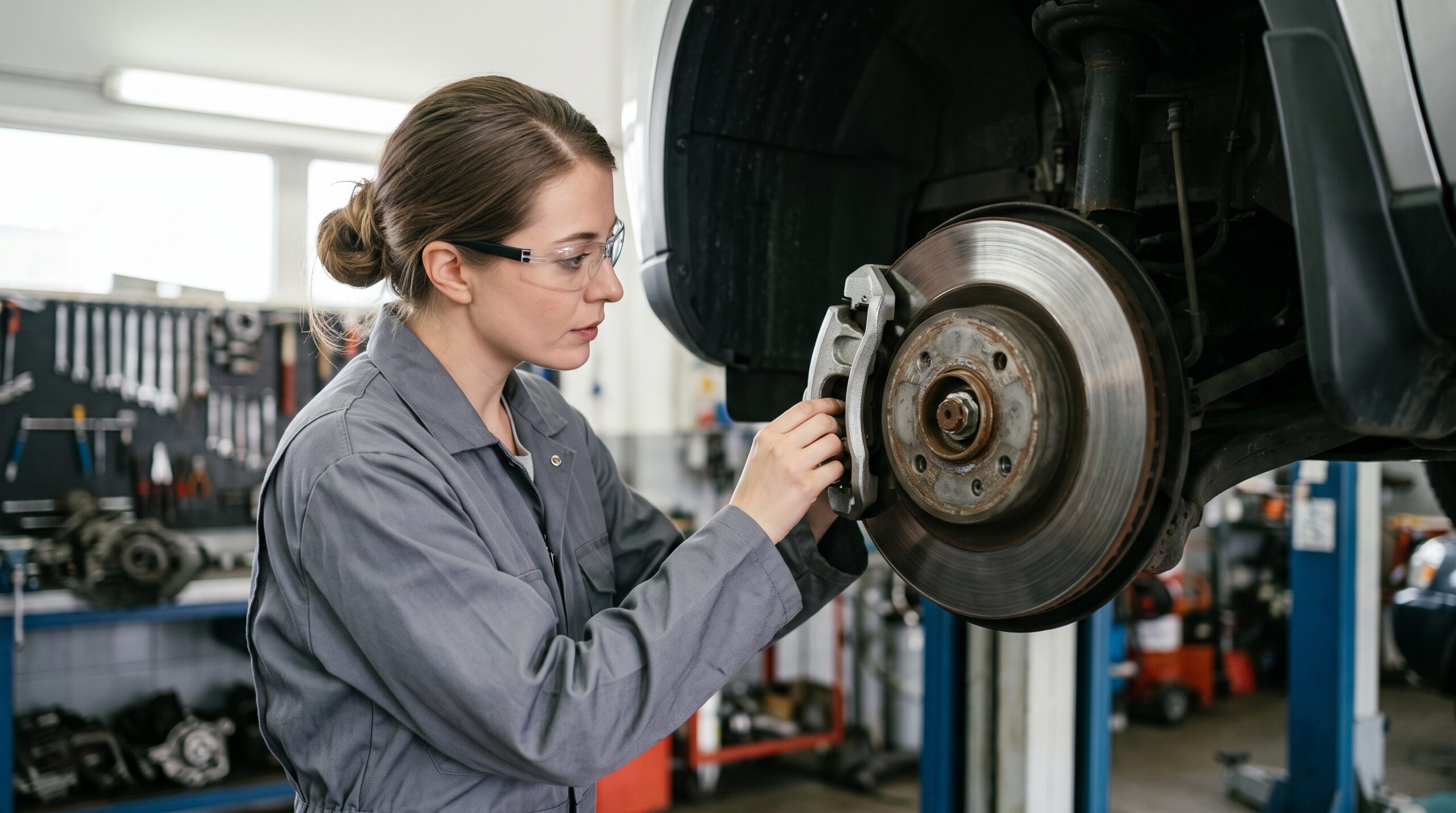
If the vibration shows up mainly when you slow down, your brakes are the likely source. Many people blame warped rotors, the metal discs your brake pads squeeze. In practice, uneven disc thickness or uneven pad material left on the surface can create a pulsing feeling in the pedal or steering wheel. It is often most noticeable when slowing from highway speed. A sticking brake caliper can also cause shaking, sometimes with a burning smell. Because brakes are a safety system, this symptom is worth having inspected soon. Your suspension also helps keep everything steady, and it has warning signs of its own.
Tired Suspension Parts Let the Shake In
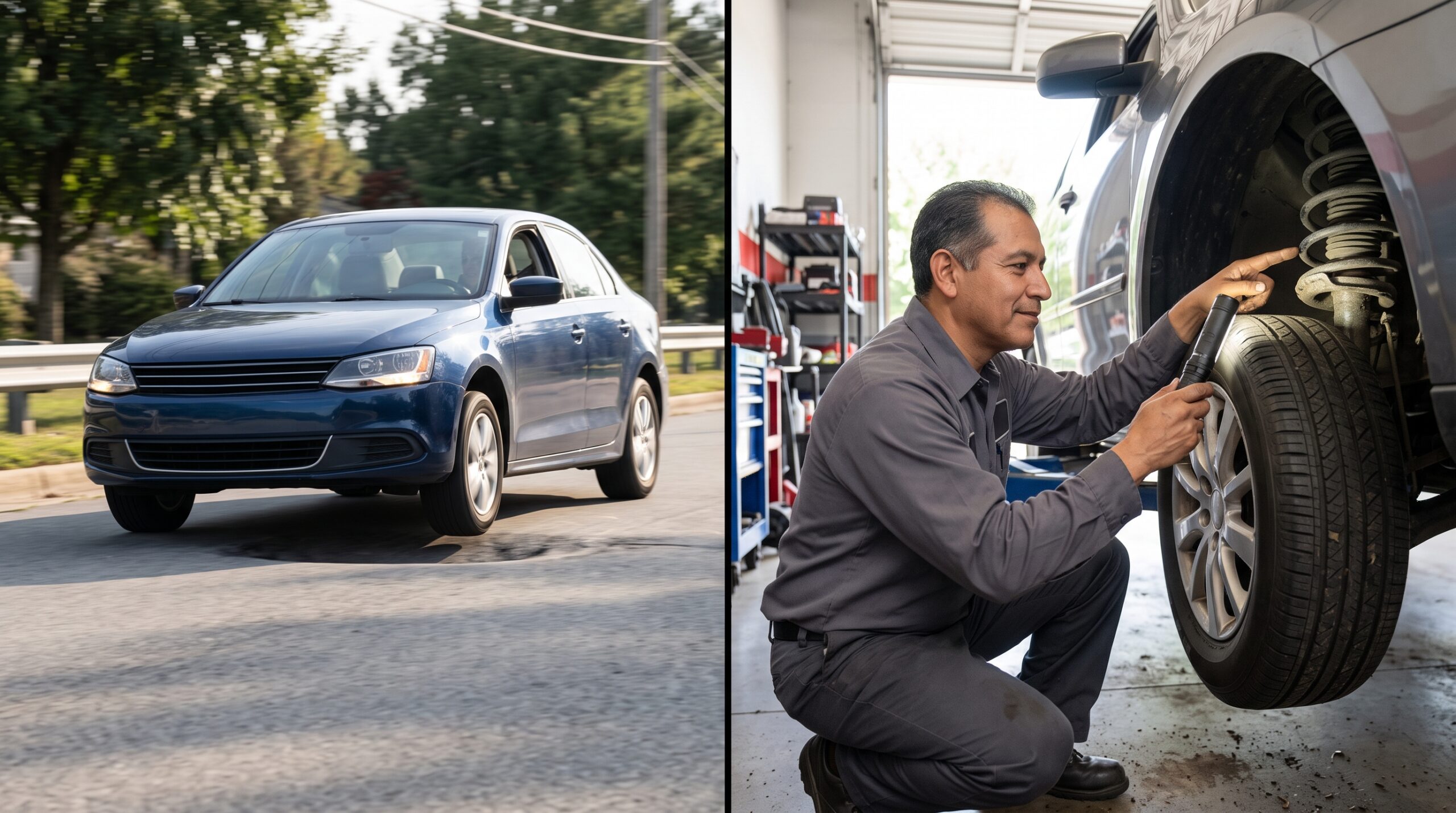
Shocks, struts, bushings, and ball joints work together to keep your tires planted on the road and your ride smooth. As they wear, the car may bounce more after bumps, feel loose in corners, or shake at certain speeds. A simple test is to notice how the car settles after a dip in the road. If it keeps bouncing, something may be worn out. Clunking sounds over bumps are another clue. Worn steering and suspension parts can affect how well you control the car, so they are worth checking, especially on higher mileage vehicles. Next is a part many drivers have never heard of.
The Small Part That Can Hum and Shake

A wheel bearing is a set of small metal balls or rollers that lets your wheel spin smoothly on its axle. When one wears out, you may hear a humming or growling sound that gets louder with speed. Sometimes the noise changes when you turn left or right, which can help narrow down which side has the problem. A worn bearing can also add a vibration you feel through the floor or steering wheel. Mechanics can check for looseness by lifting the wheel and giving it a wiggle. Bearings should not be ignored, because a badly failing one can eventually affect the wheel itself.
What a Rough Idle Could Really Mean

If your car shakes while idling at a red light, or feels rough as you accelerate, the engine may be the source. A misfire happens when one of the engine’s cylinders does not burn fuel properly. Worn spark plugs, faulty ignition coils, or fuel delivery problems can all be behind it. You may notice a stumbling feeling, poor fuel economy, or a check engine light. A flashing check engine light is especially important, since it can signal a misfire serious enough to damage the catalytic converter, an expensive part. If you see one, limit your driving and get it checked promptly.
The Rubber Supports Holding Your Engine in Place

Your engine and transmission sit on rubber and metal mounts that absorb movement and keep vibration out of the cabin. Over time the rubber can crack or soften. When that happens, you might feel extra shaking when you start the car, accelerate, or shift into drive or reverse. Some drivers also hear a thud or clunk during gear changes. Mounts are easy to ignore because the car still runs, but a failing one lets the engine move more than it should, which can stress nearby parts. A mechanic can usually spot a worn mount during a routine inspection.
How to Match the Shake to the Cause

Pay attention to the pattern. Shaking at highway speed often points to tires or wheels. Shaking only when braking suggests the brakes. Shaking while idling or accelerating can point to the engine or its mounts. A hum that changes when you turn may mean a wheel bearing. Shaking along with a loose feeling or extra bouncing may suggest suspension wear. Try to note the speed, the spot where you feel the vibration, and any sounds, then share those details with your mechanic. Clear notes can save diagnostic time. Of course, some situations call for more than notes, and knowing the difference matters.
When to Wait and When to Stop Driving

A light vibration at one speed is usually worth scheduling a check soon. Strong shaking, a flashing check engine light, a burning smell, trouble steering, or shaking paired with grinding noises are signs to slow down and have the car looked at right away. Regular habits help, including rotating tires as your owner’s manual recommends, keeping them properly inflated, and having brakes and suspension inspected during routine service. The most surprising lesson is that a small shake is often an early warning, and early fixes tend to be simpler and cheaper than waiting. Your car is communicating, and listening early pays off.