Why Skipping Shorts and Skirts on a Plane Could Be a Smart Move
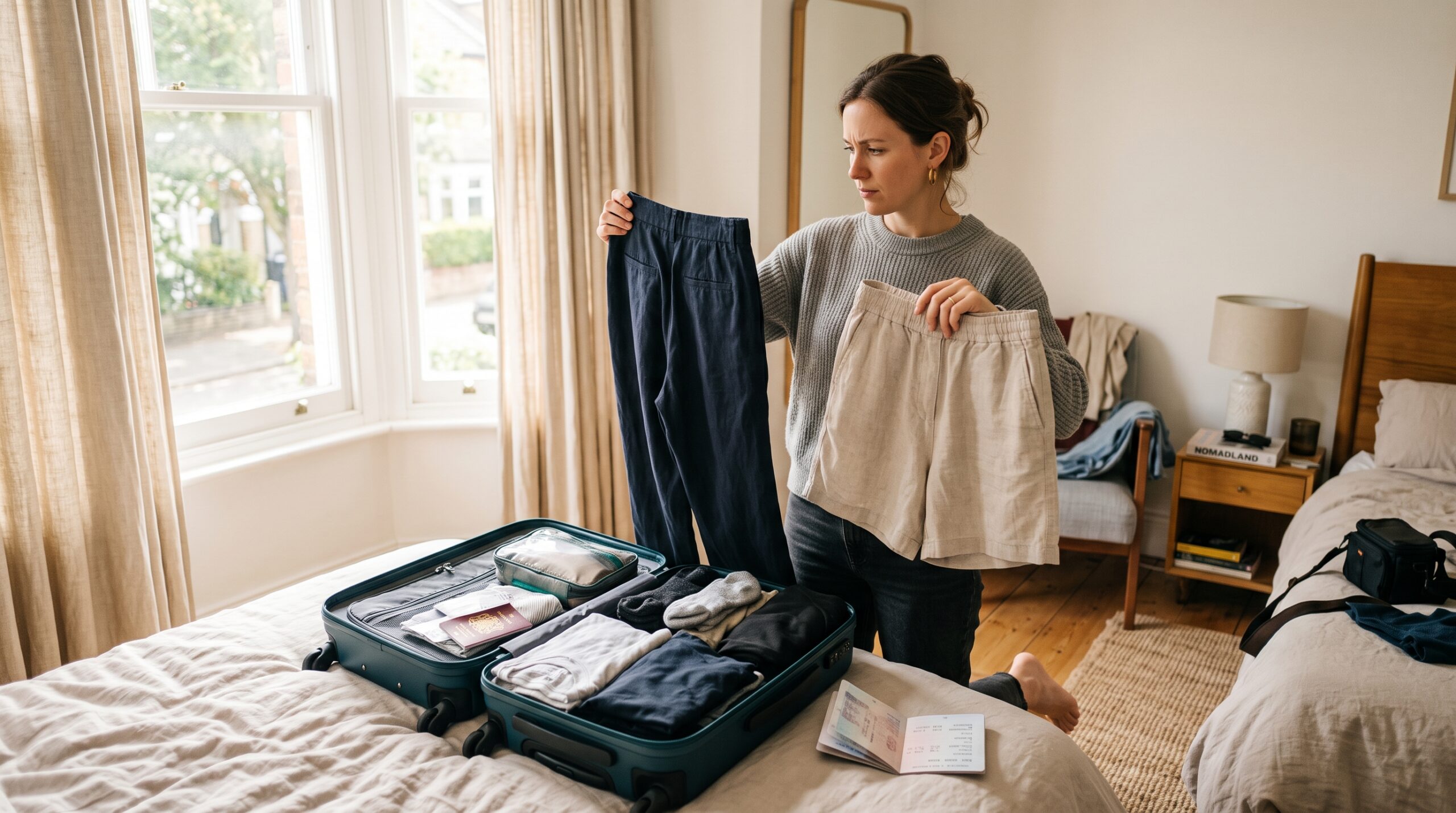

Air travel puts your skin in contact with surfaces that rarely get a deep clean between flights. Tray tables, armrests, seatbelts, and seat fabric all see hundreds of passengers pass through in a single day. Wearing shorts or a skirt means more bare skin touching these surfaces directly. Longer pants and looser leggings create a simple barrier between your skin and whatever germs are lingering on the seat. It is a small wardrobe choice, but frequent flyers and even flight attendants have pointed to it as an easy way to reduce unnecessary contact during a flight.
This article was created with the assistance of AI and reviewed by our editorial team for accuracy and clarity.
The Reason Airplane Fabric Choices Matter More Than You Think
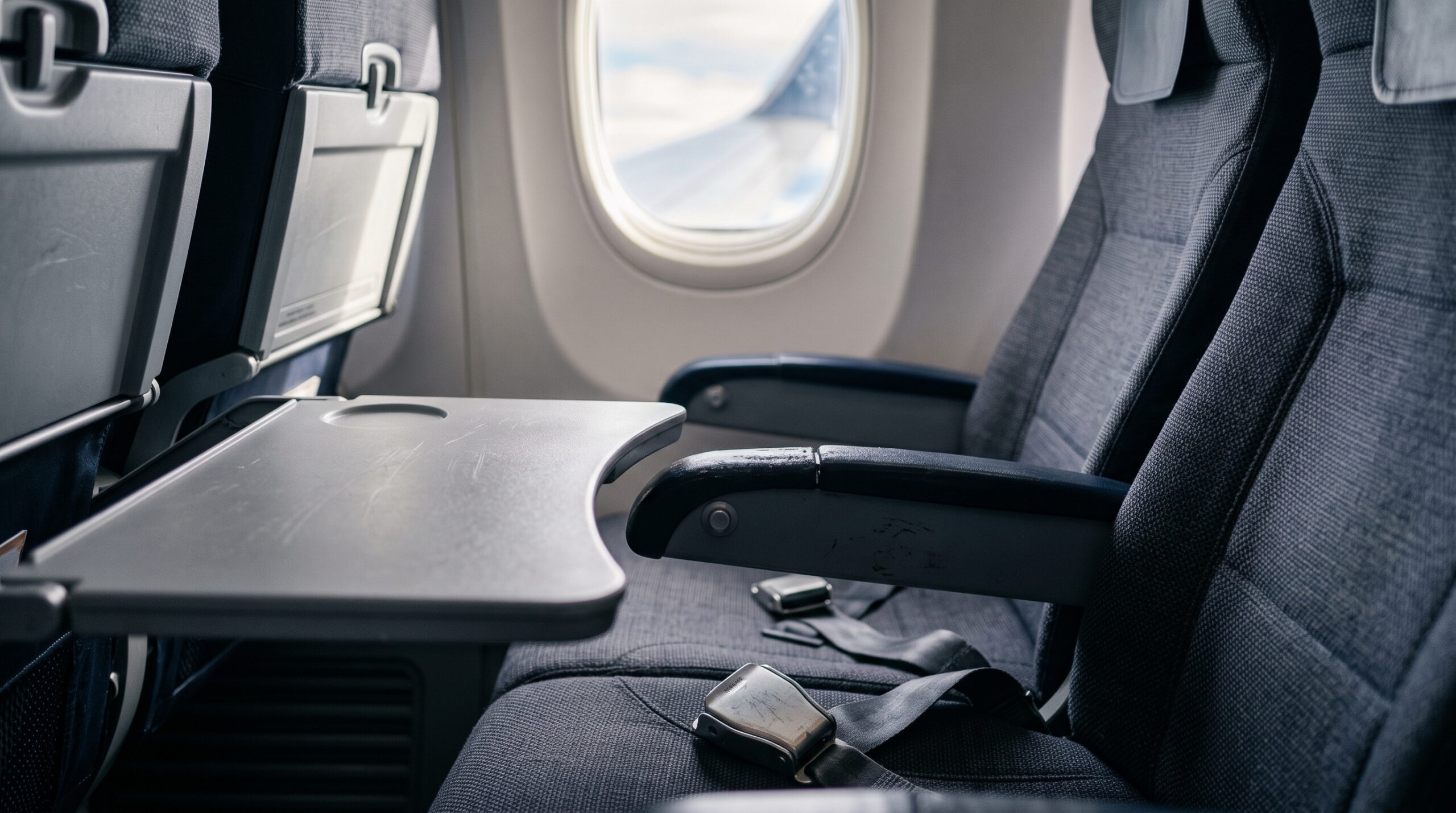
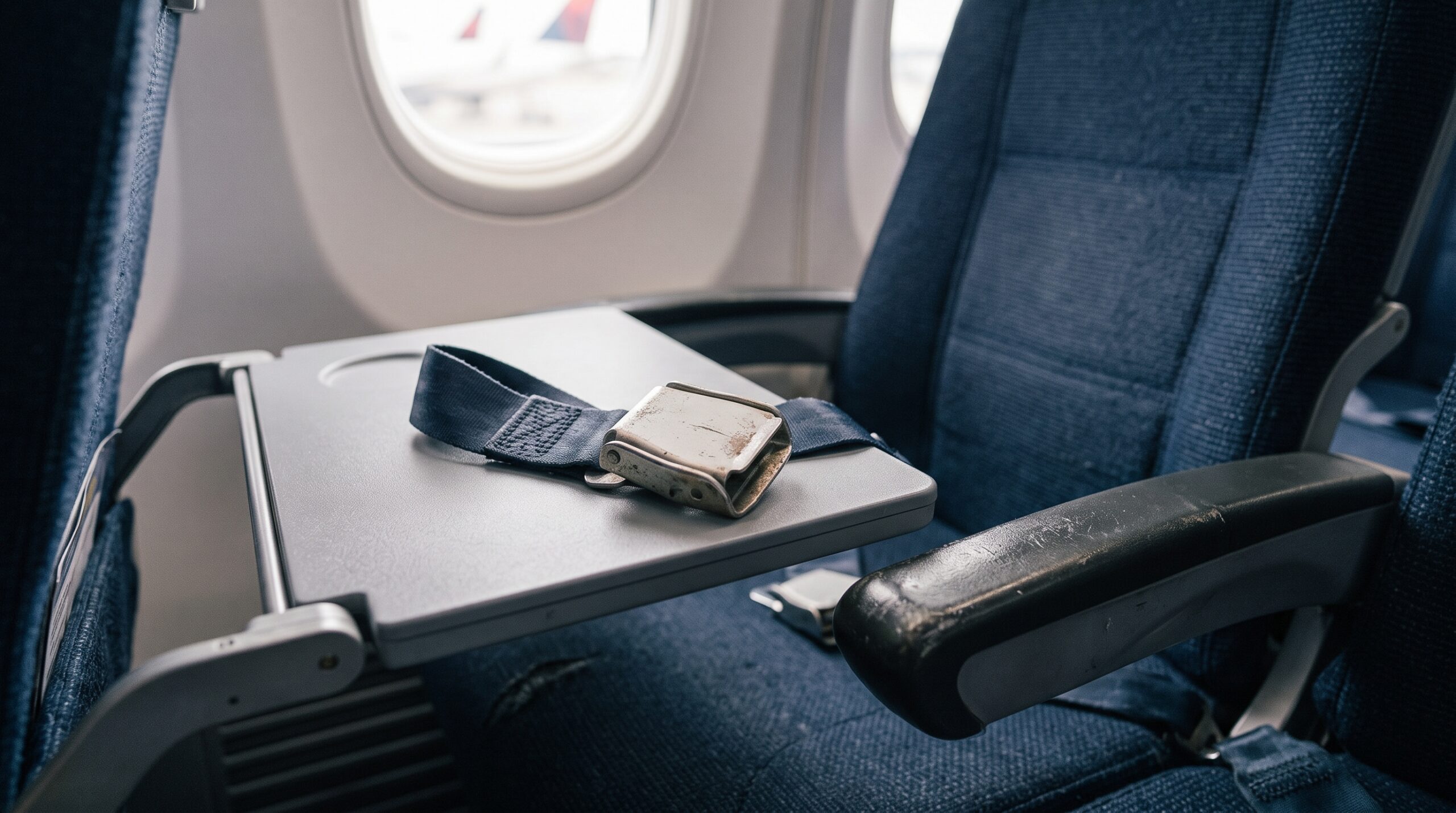
Air travel puts your skin in contact with surfaces that rarely get a deep clean between flights. Tray tables, armrests, seatbelts, and seat fabric all see hundreds of passengers pass through in a single day. Wearing shorts or a skirt means more bare skin touching these surfaces directly. Longer pants and looser leggings create a simple barrier between your skin and whatever germs are lingering on the seat. It is a small wardrobe choice, but frequent flyers and even flight attendants have pointed to it as an easy way to reduce unnecessary contact during a flight.
Cabin Air Gets Surprisingly Cold at Cruising Altitude
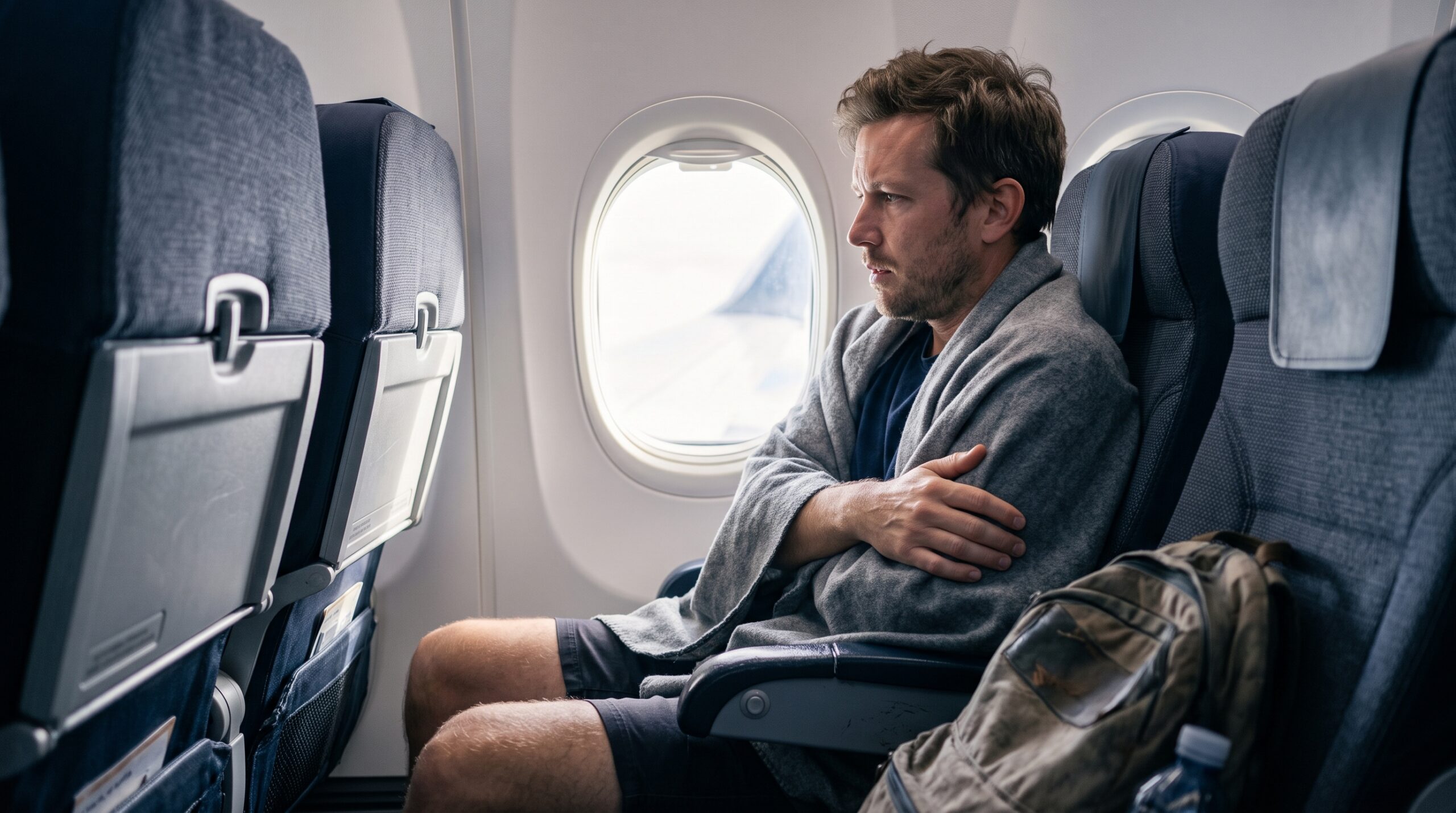
Once the doors close and the plane reaches cruising altitude, cabin temperatures often drop noticeably. Airlines keep the air conditioning running to manage the aircraft’s systems and keep passengers comfortable in a sealed environment, but that setting rarely matches what feels good to the average traveler. Shorts and skirts leave you with little protection against that chill, especially on longer flights. Bringing pants or packing a light layer means you can adjust as needed instead of shivering for hours. It is one of the simplest fixes for a more comfortable trip.
Emergency Slides Are Not Forgiving to Bare Skin
In the rare event of an emergency evacuation, passengers may need to use an inflatable slide to exit the aircraft quickly. These slides can generate friction, and bare legs are far more likely to suffer scrapes or burns than legs covered by fabric. Flight safety experts have noted that certain clothing materials also melt or stick to skin in extreme heat, which is why some experts also caution against synthetic leggings. Full length pants made from natural fibers like cotton offer a reasonable middle ground between comfort and protection if the unexpected happens.
Dress Codes Have Gotten Passengers Removed From Flights
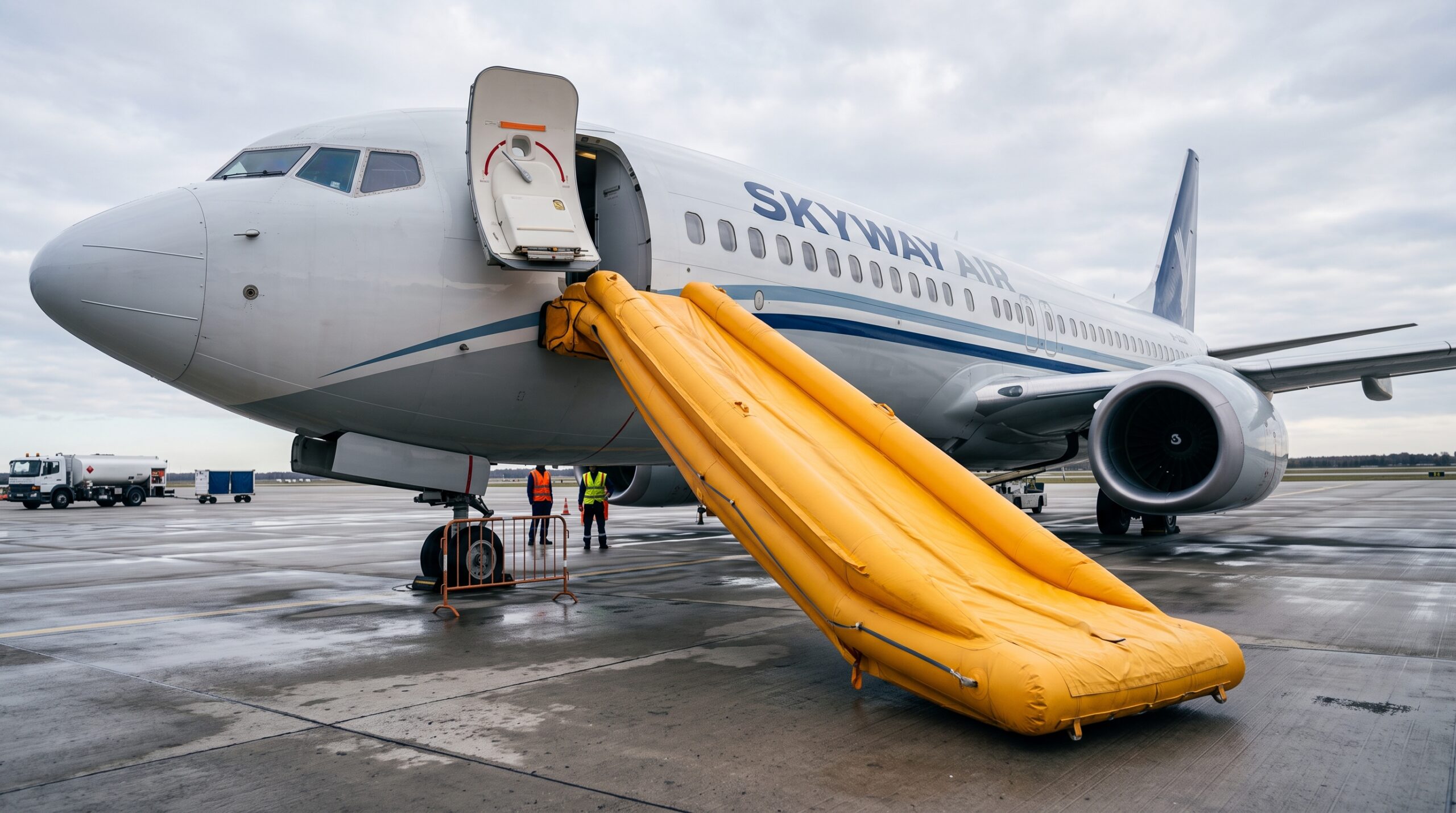
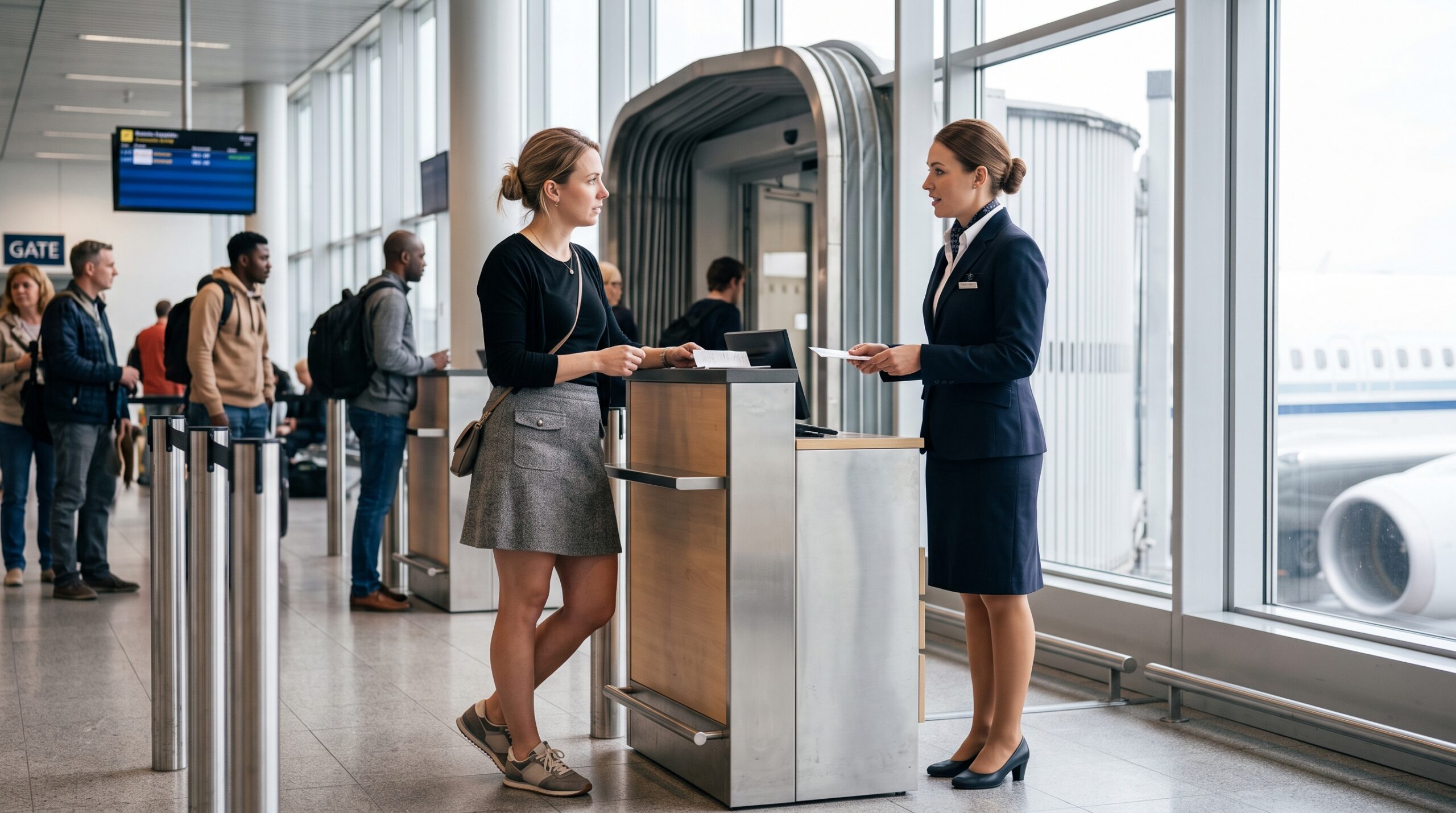
Over the years, several travelers have been asked to change clothes or leave a flight because crew members felt their shorts or skirts were too short. Cases involving major airlines have made headlines, with passengers describing the experience as embarrassing and confusing since there is rarely a clear written standard. Airlines generally reserve the right to deny boarding for clothing they consider inappropriate, and the final call often rests with the flight crew or captain. Choosing longer clothing removes any chance of an uncomfortable conversation at the gate.
Airports and Planes Are Full of Contact Points You Cannot See
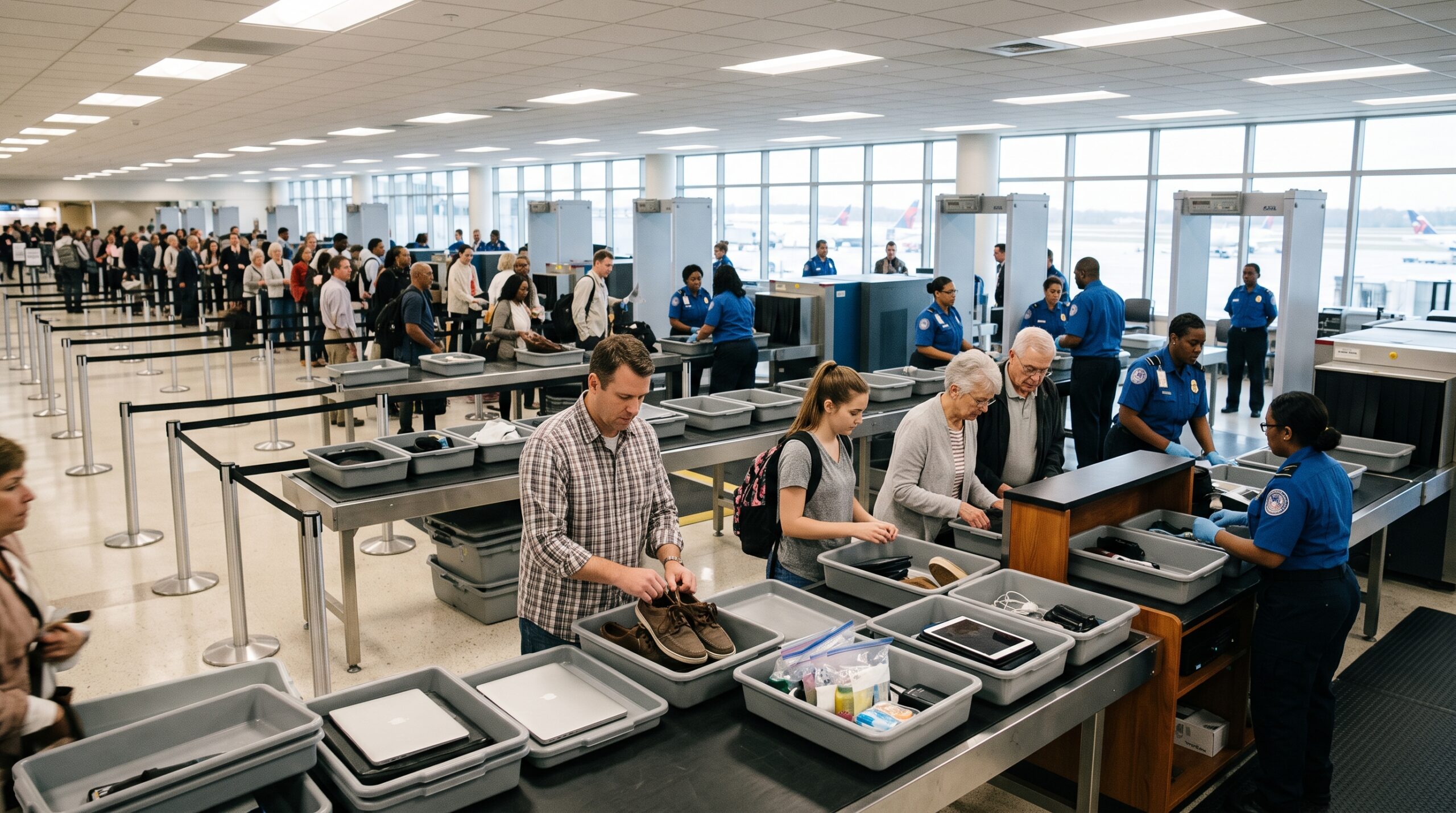
Security bins, boarding gates, and airplane seats accumulate contact from thousands of travelers before you even step on board. Studies on airport hygiene have consistently found bacteria on trays, armrests, and tray tables at levels higher than many public restrooms. Exposed skin from shorts or skirts means more direct contact with these surfaces during boarding, taxiing, and the flight itself. Packing a small hand sanitizer and choosing pants can go a long way toward reducing exposure without changing anything else about your travel routine.
Comfort During Long Haul Flights Depends on More Than Looks
Frequent travelers often say the biggest wardrobe regret on long flights is prioritizing style over comfort. Shorts and skirts can ride up during hours of sitting, leave skin stuck to vinyl or leather seats, and offer no warmth if the flight runs late into the night. Loose, breathable pants allow for more movement, better circulation, and an easier time adjusting your position over several hours. Comfort focused dressing does not mean sacrificing style, since many travel brands now design pants specifically for flying.
Blood Flow and Circulation Deserve More Attention Than Most Travelers Give Them
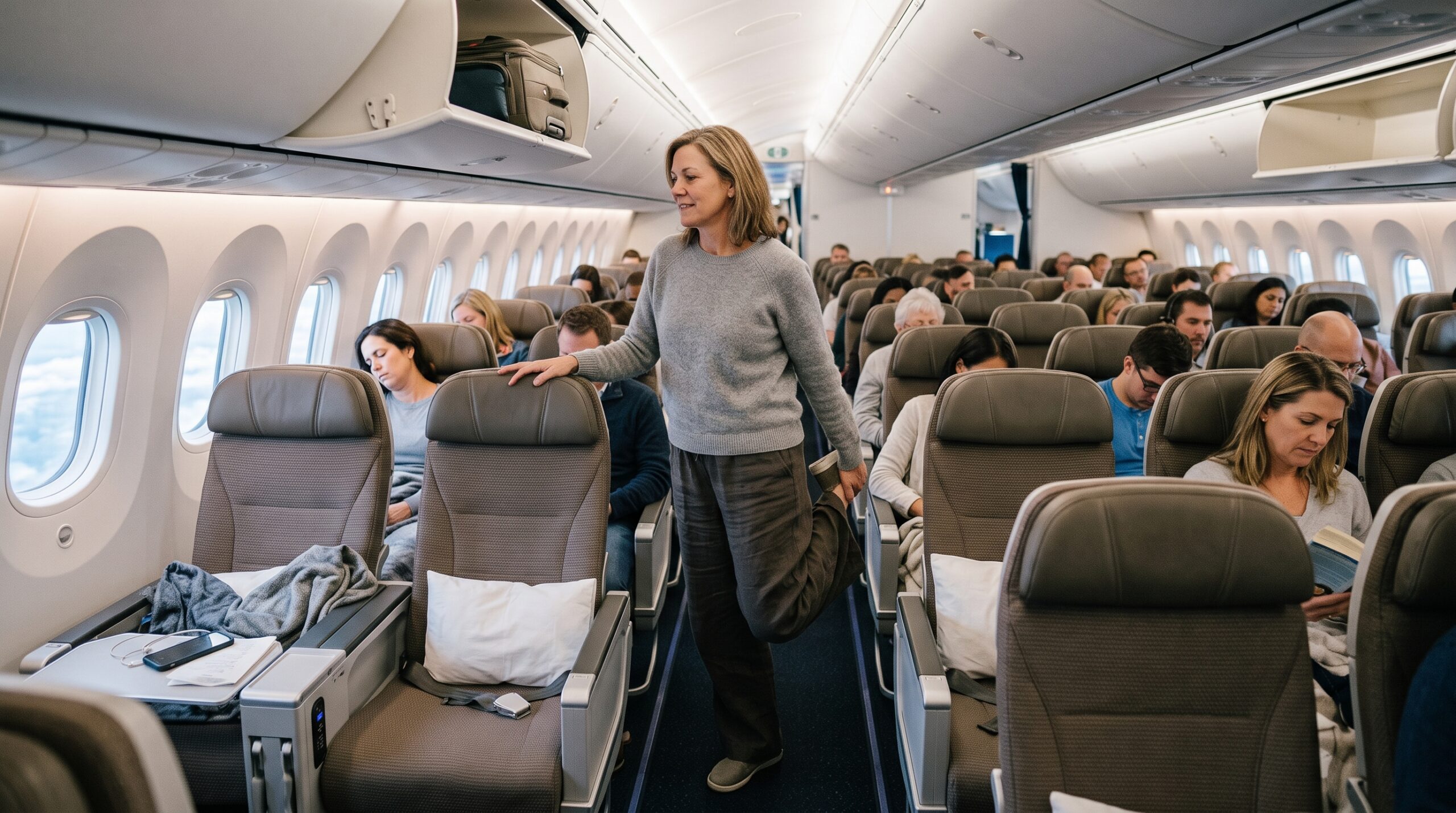
Sitting still for extended periods restricts blood flow in the legs, which can raise the risk of swelling and, in rare cases, blood clots known as deep vein thrombosis. Tight or restrictive clothing can make this worse, but so can leaving legs completely exposed in a cold cabin, since your body works harder to stay warm. Loose, breathable pants paired with occasional stretching or short walks down the aisle support healthier circulation. This is especially worth considering on flights longer than four hours.
Airlines Are Not Always Consistent With Their Own Rules
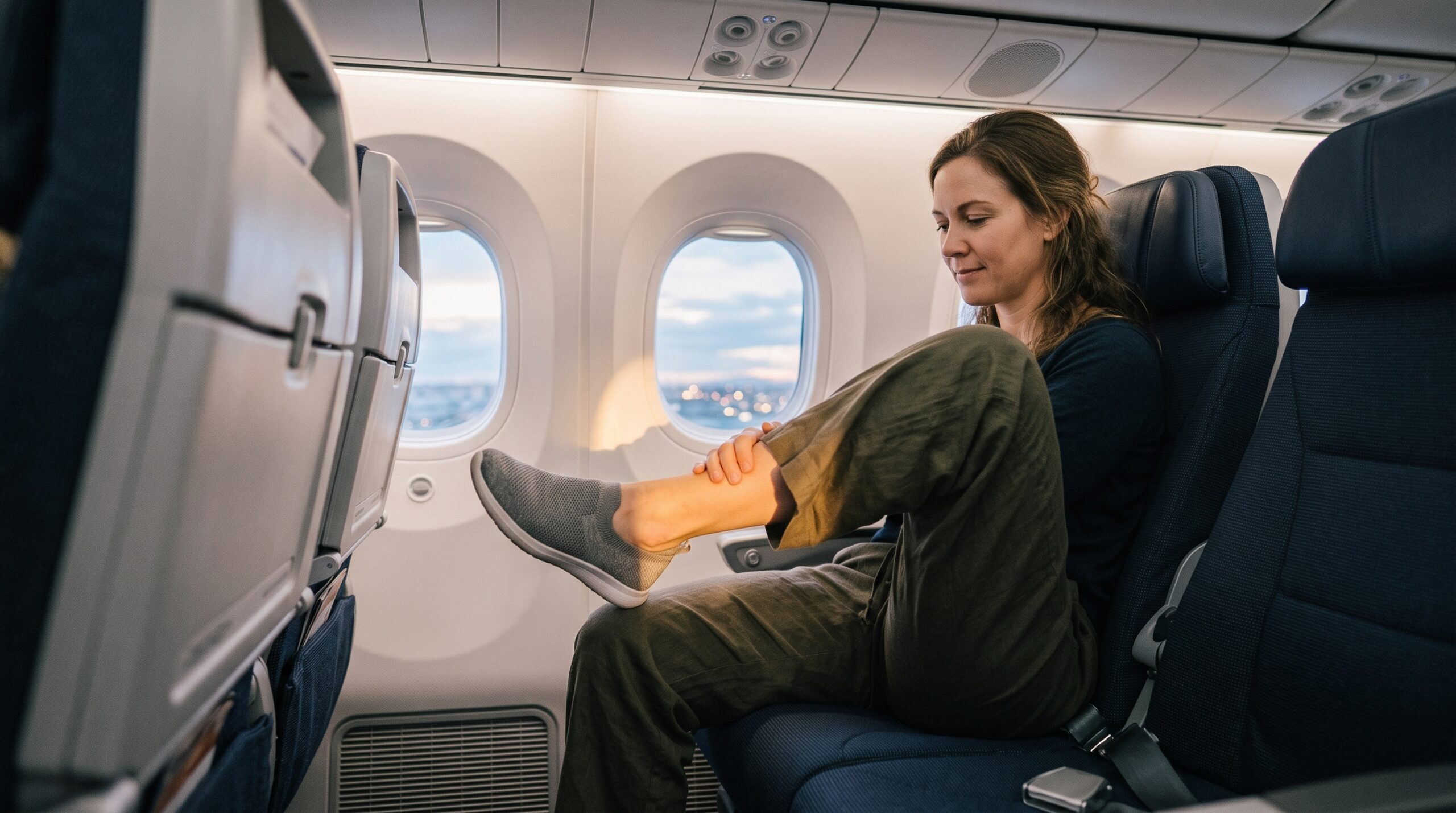
Despite the occasional headline about a passenger turned away for their outfit, most airlines do not publish specific dress code rules for economy passengers. This leaves plenty of room for interpretation, and travelers with similar outfits have had very different experiences depending on the crew and airline. Because there is no universal standard, it can be safer to simply dress conservatively and comfortably for the flight rather than risk a subjective judgment call at the gate.
Small Wardrobe Choices Can Make a Real Difference in the Air
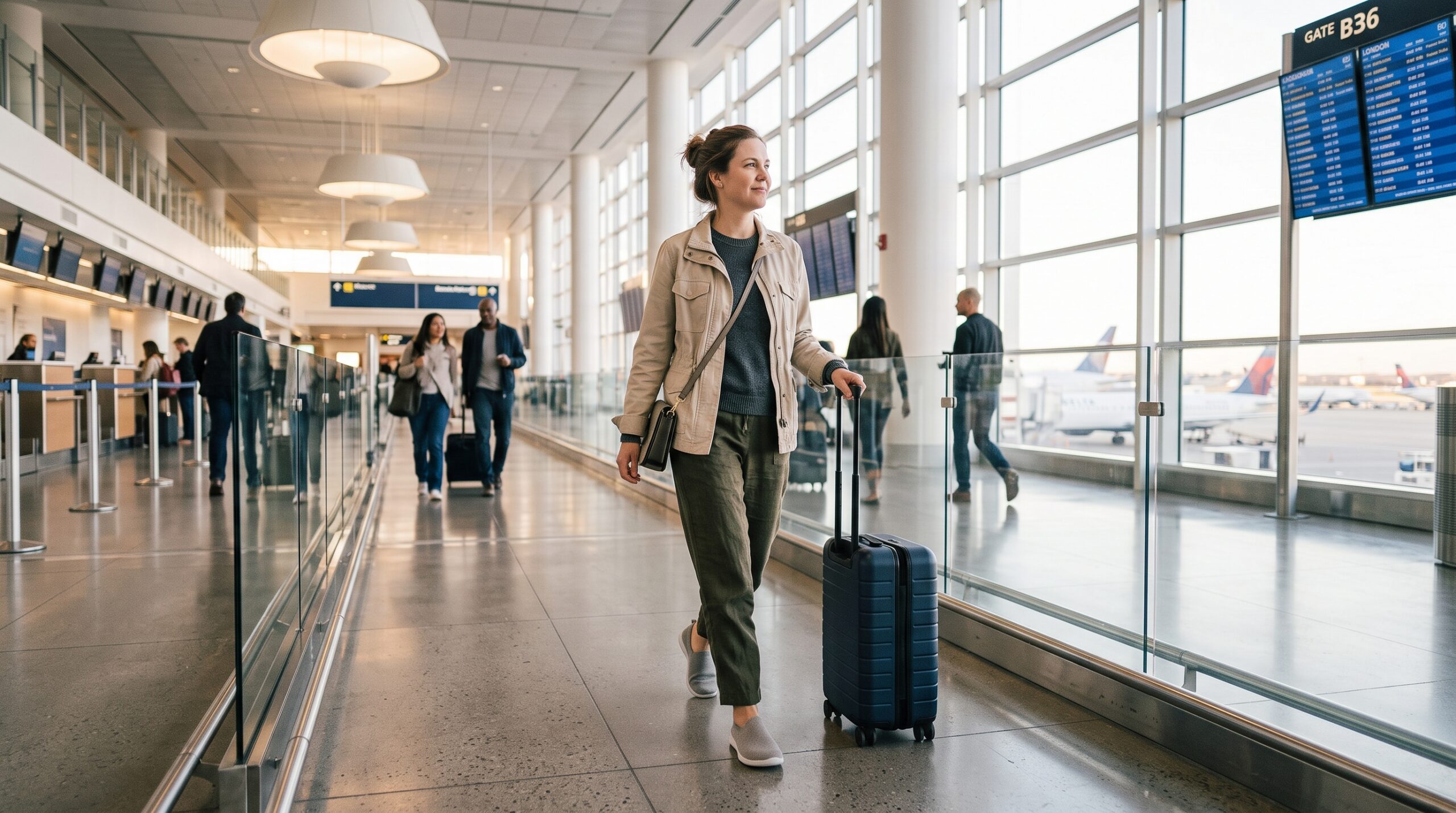
None of this means shorts or skirts are banned from air travel, but the combination of germs, cold cabins, potential clothing rules, and rare emergency situations adds up. Choosing breathable, full length pants and a light layer is a simple way to stay comfortable, avoid unnecessary questions from crew, and reduce contact with shared surfaces. The next time you pack for a flight, a few minutes spent rethinking your outfit could mean a smoother, more comfortable trip from takeoff to landing.