Here’s Why Smart Seniors Are Stocking Up on These Dollar Tree Finds
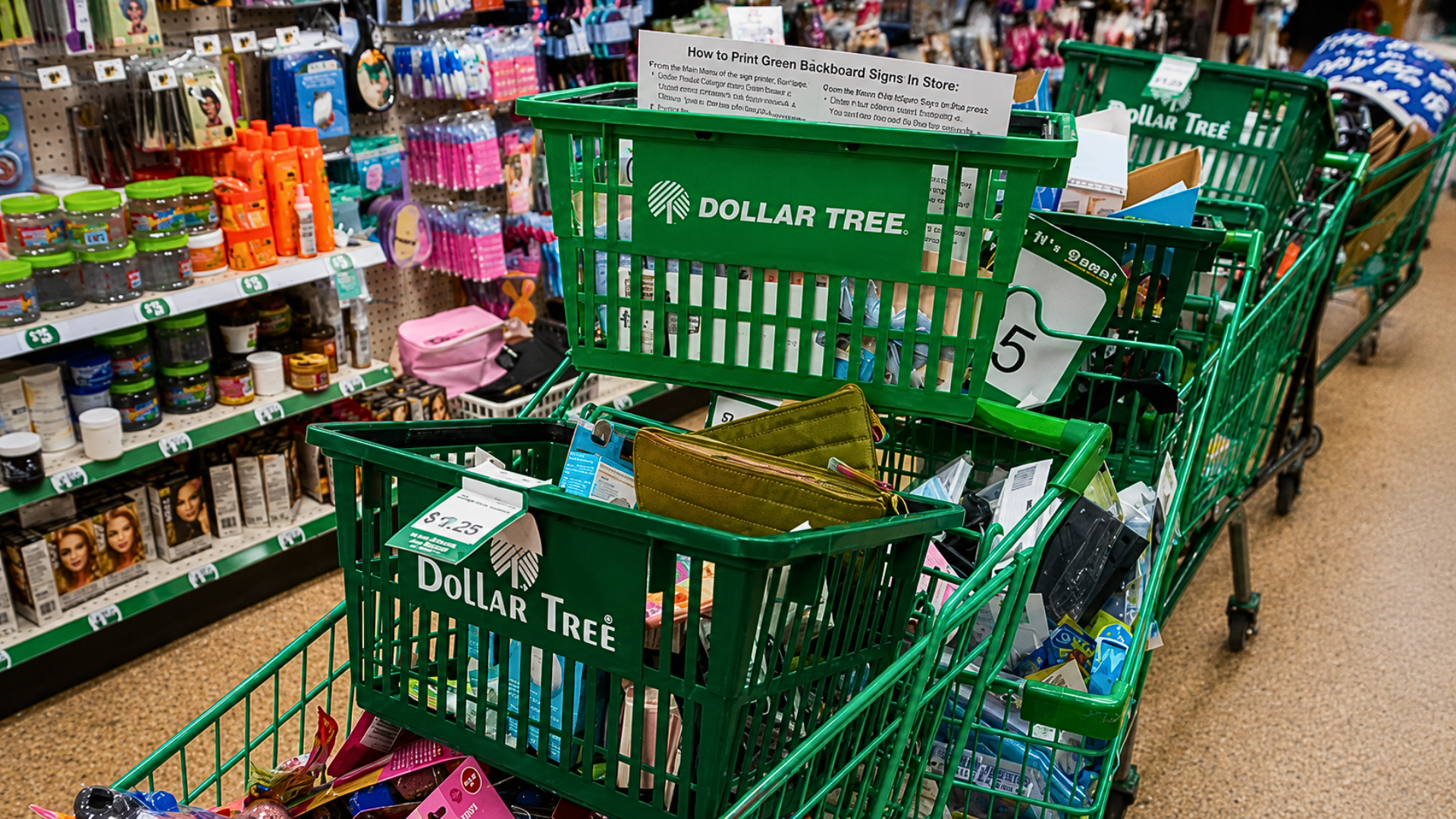

Reaching into your kitchen cabinet for a morning cup of coffee or a daily health supplement should be a simple routine, but soaring grocery inflation is turning basic necessities into luxury items. Fixed income seniors are actively combating this financial strain by hoarding specific discount retail goods to secure their households through 2026. This sudden wave of strategic stockpiling represents a major defense mechanism for vulnerable consumers, proving that elderly citizens are systematically altering their shopping habits to survive a volatile retail economy.
Financial Research Firm Validates Massive Discount Pricing Advantages
This shifting consumer phenomenon is verified by comprehensive retail price tracking data compiled by GOBankingRates, a prominent national financial research platform. Market analysts conducted systematic pricing audits across the official inventory of major nationwide discount chains to isolate the most cost effective household items. By executing these precise, item by item marketplace comparisons, the research organization has established a reliable consumer dataset that proves why specific discount purchases yield substantial long term cash savings for cash strapped households.
Consumer Cost Comparison Highlights Mass Retail Price Discrepancies
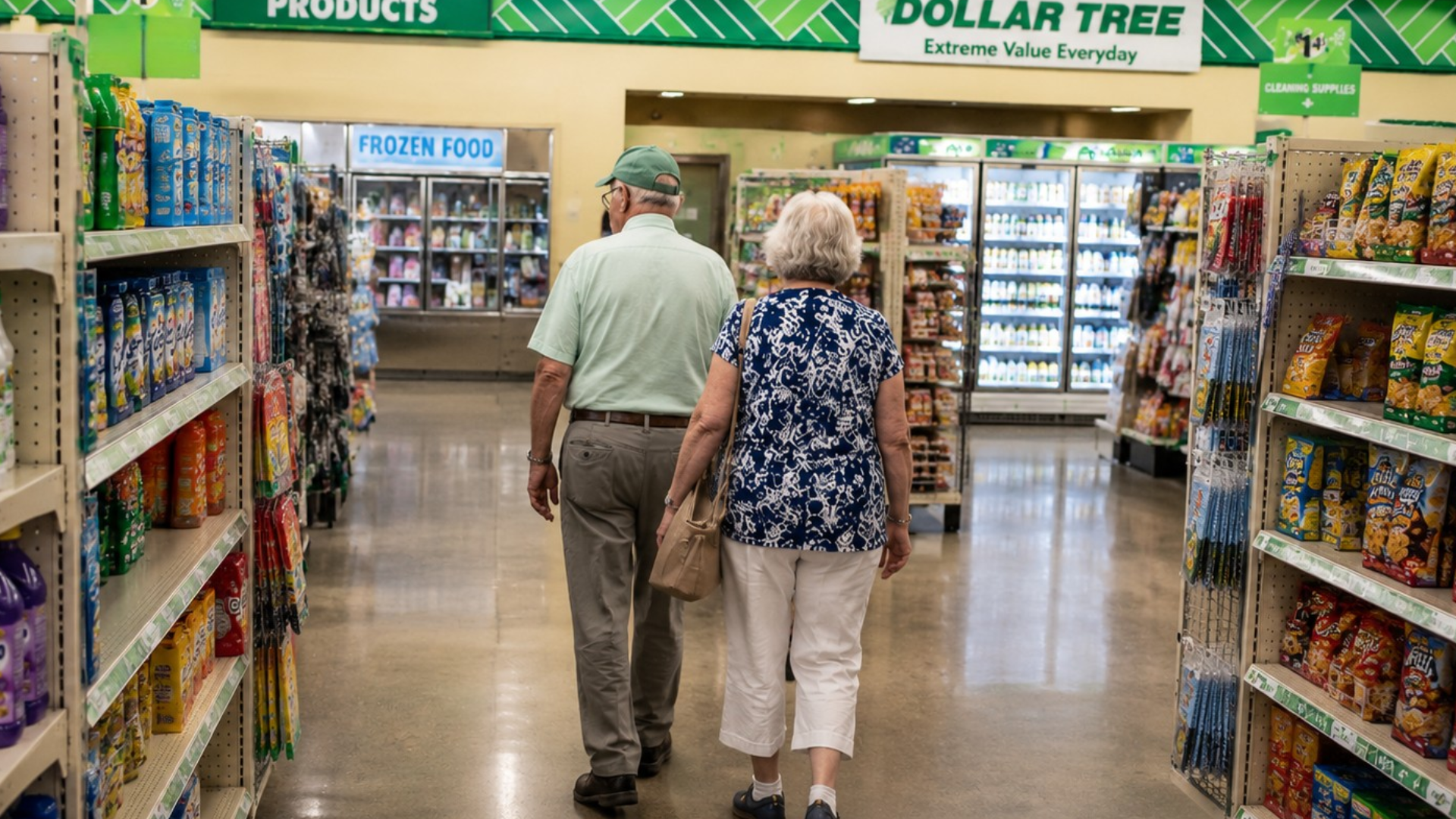
The empirical evidence details immense pricing gaps on major name brand items when comparing discount inventories against dominant global e commerce platforms. For example, a standard box of sixty protective plastic bandages costs exactly 1.25 dollars at the discount retail location, while the identical medical item sells for 3.30 dollars on Amazon. This represents a pricing markup of over one hundred sixty percent for the exact same medical necessity, demonstrating the deep financial penalties regular consumers face when buying from traditional digital giants.
Rising Agricultural Commodity Crises Upend Standard Supermarket Pricing

These stark retail pricing discrepancies completely caught economic forecasters by surprise, defying traditional agricultural market projections. Conventional supply models assumed that global grocery costs would stabilize gradually following recent logistical disruptions. Instead, severe environmental weather patterns have devastated international coffee and cocoa crops simultaneously, causing wholesale trading prices to skyrocket. This environmental shock creates immediate price friction at standard supermarkets, driving seniors to seek refuge in fixed price retail alternatives before regional inventories disappear entirely.
National Discount Chain Expands Essential Name Brand Selections
The primary corporate entity driving this protective retail shift is Dollar Tree, which operates thousands of localized discount storefronts across the United States. Executive management has intentionally expanded the company’s inventory of essential name brand goods, including high protein nutritional drinks and concentrated laundry detergents, specifically targeting low cost household maintenance. This inventory strategy positions the discount retail chain as a critical neighborhood utility for elderly shoppers who must preserve every single dollar of their fixed monthly income.
Financial Analysts Confirm Substantial Year Round Household Savings

“Dollar Tree’s price on this drink is lower than you’ll find elsewhere, and if it’s something you drink regularly, you could see substantial savings across the course of the year.” Retail research specialists with GOBankingRates delivered this specific operational assessment during their comprehensive national evaluation of the chain’s specialized senior nutritional inventory.
Extreme Weather Fractures Global Wholesale Food Supply Lines
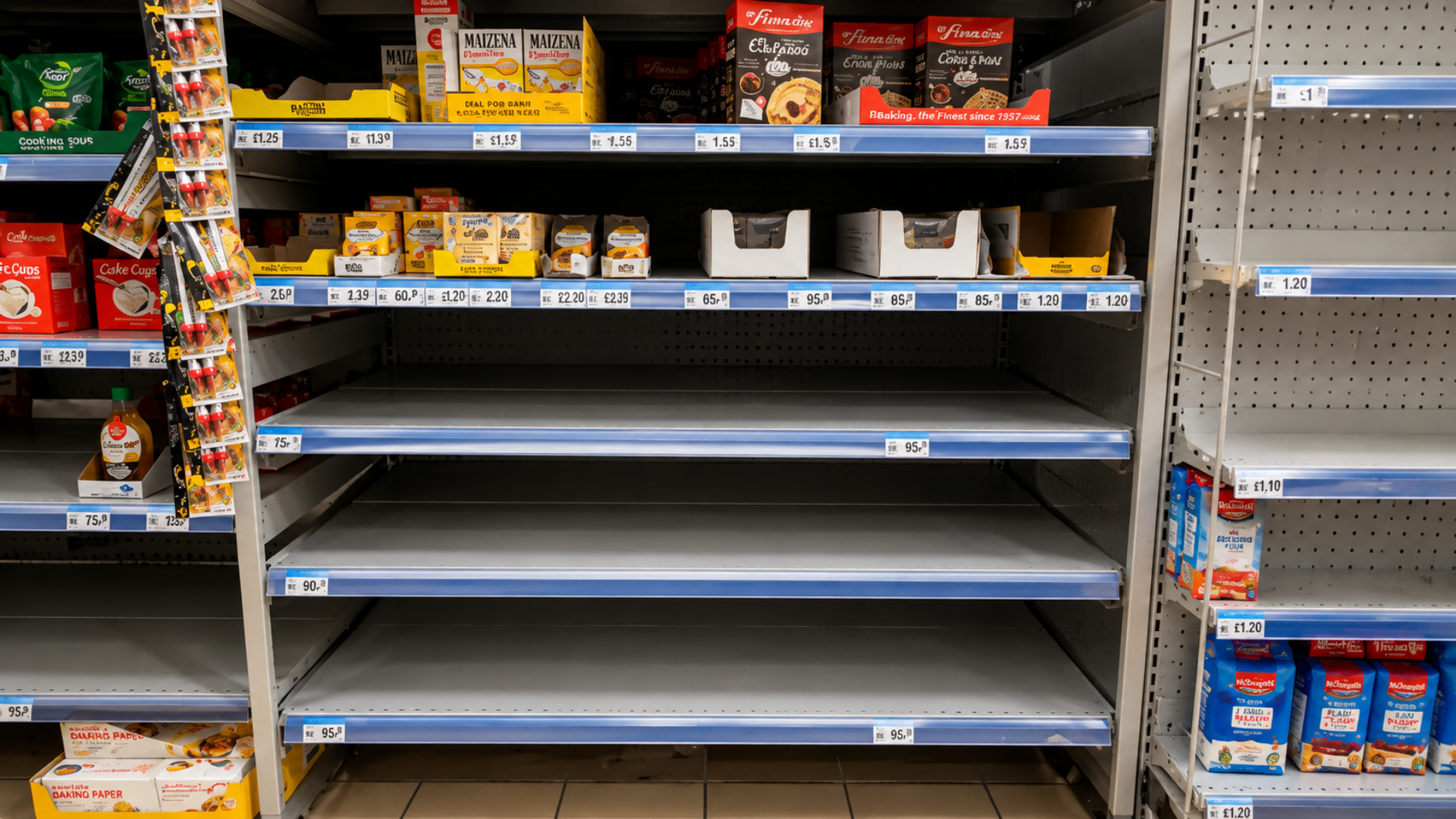
The sudden surge in discount hoarding creates immediate procurement friction, clashing directly with the logistical capacities of international food production networks. Global supply chains are struggling against localized climate disruptions that have restricted the output of raw commodities like premium Arabica beans. This macro economic contraction prevents traditional grocers from maintaining stable shelf pricing, forcing independent retail operators to ration or reconfigure their packaging sizes to keep essential everyday items under rigid consumer price thresholds.
Decadelong Inflation Trends Erosion Triggers Massive Savings Drain

This localized shopping shift fits into a much larger, decade long pattern of diminishing purchasing power for retired American workers. Long term economic tracking profiles compiled by federal labor agencies show that standard Social Security cost of living adjustments continuously lag behind the real world costs of medical care, energy, and daily nutrition. This persistent economic gap has slowly eroded the value of traditional retirement nest eggs, forcing older demographics to adopt strict, highly calculated budgeting methods just to maintain basic domestic health standards.
Retired Citizens Squeeze Daily Budgets for Mandatory Health Care

For ordinary senior citizens living on fixed monthly checks, these mounting pricing imbalances translate into immediate personal health risks. When a bottle of antiseptic mouthwash or a nutritional protein beverage doubles in price at a standard supermarket, elderly consumers are often forced to choose between proper daily hygiene and mandatory prescription medication copays. Finding identical health assets for under two dollars allows these vulnerable households to preserve their physical well-being without slipping into catastrophic personal debt.
Impending Supply Disruptions Redefine National Retail Affordability

This widespread discount stockpiling serves as an alarming prologue to a highly complex era of national retail instability. As fluctuating weather patterns and shifting corporate distribution models continue to reshape the global supply chain, the availability of low cost household essentials will become increasingly unpredictable. Long after current summer pricing cycles conclude, the escalating struggle to protect fixed income households from predatory consumer inflation will permanently redefine how older Americans manage their daily domestic survival.