Why One Tech Company Thinks Space Could Solve the Data Center Crisis
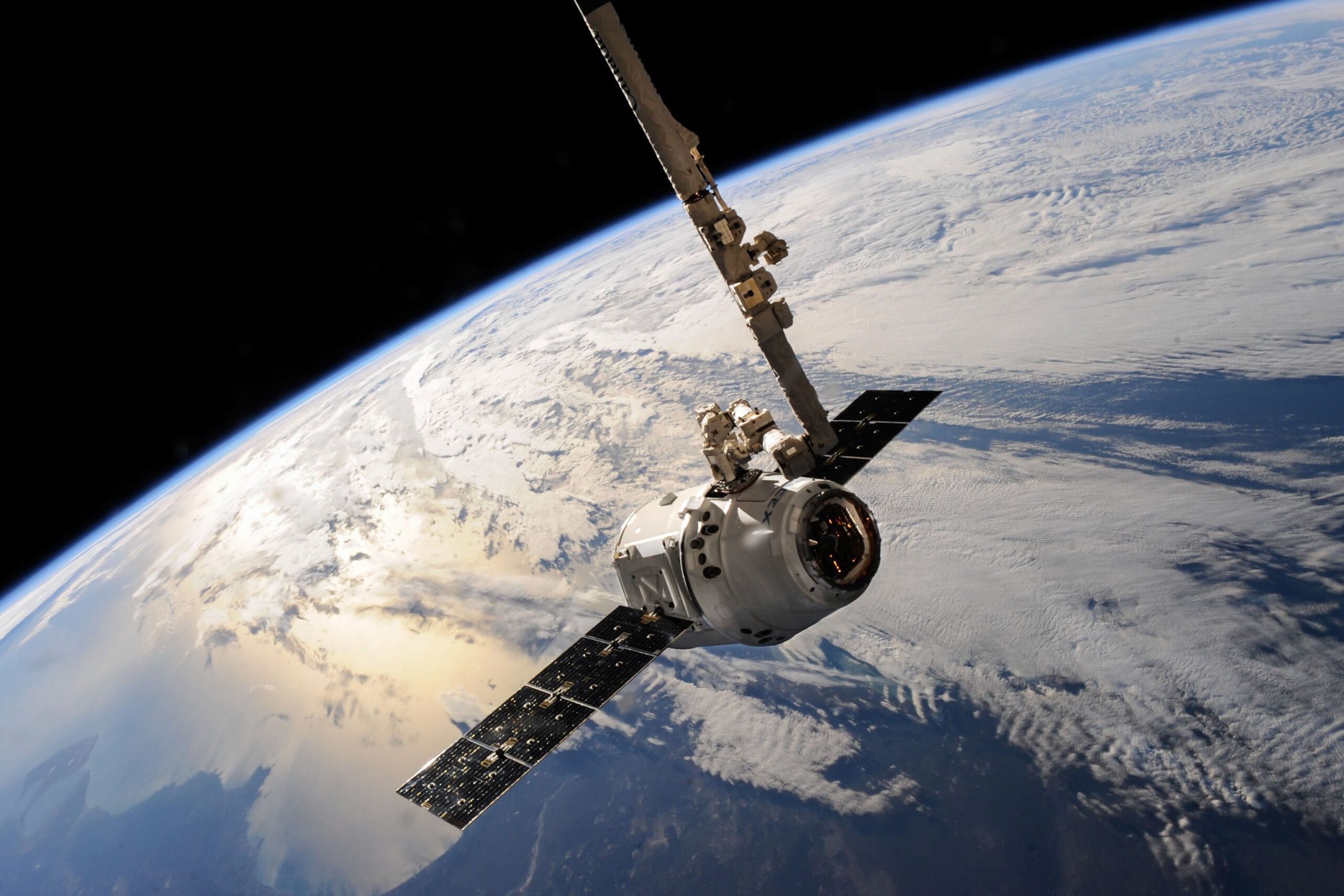


Artificial intelligence is consuming electricity at an unprecedented pace, making it increasingly difficult to build enough traditional data centers on Earth. As communities push back against new facilities over concerns about energy use, water consumption, and land development, several technology companies are exploring a once science fiction idea: moving AI computing into space.
Why Data Centers Have Become a Growing Challenge

Modern AI models require enormous computing power, and that means massive data centers packed with specialized chips operating around the clock. Finding enough electricity has become one of the industry’s biggest bottlenecks, while permitting delays and local opposition have slowed many new projects. Some experts argue these constraints could worsen as AI demand continues to climb.
Space Offers One Major Advantage

The biggest attraction is energy. Solar panels in orbit receive sunlight almost continuously and can generate five to eight times more electricity than comparable panels on Earth because they avoid clouds, weather, and nighttime. For companies struggling to secure reliable power on the ground, that continuous energy supply could become a significant advantage.
SpaceX, Google, and Others Are Already Exploring the Idea

SpaceX has proposed deploying large numbers of AI satellites that would function as orbital data centers, while Google is developing its own Project Suncatcher prototypes scheduled for launch in 2027. Startup Starcloud has already demonstrated an Nvidia H100 GPU operating in orbit, showing that AI workloads can technically run in space even if only at a small scale today.
Building a Data Center in Space Is Far More Difficult Than Launching One

Power is only part of the equation. Servers generate tremendous amounts of heat, but unlike on Earth, space has no air or water to carry that heat away. Instead, orbital data centers would require enormous radiator panels, while radiation, micrometeoroids, and routine hardware failures create additional engineering challenges that researchers are still working to solve.
The Economics Still Don’t Add Up

Even if the technology works, launching thousands of satellites remains extremely expensive. Researchers estimate that orbital data centers currently cost roughly four times more per watt than conventional facilities, and some analyses suggest launch costs must fall to around $200 per kilogram before space-based computing becomes economically competitive with Earth-based infrastructure.
The Race Extends Beyond SpaceX

SpaceX is far from alone. Google, Blue Origin, Planet Labs, Rocket Lab, and startups including Starcloud and Rendezvous Robotics are all exploring different pieces of the orbital computing ecosystem, from satellite construction to in-space assembly and communications. Although their approaches vary, they share the belief that AI’s long-term growth could eventually justify moving some computing beyond Earth.
Scientists Warn There Could Be New Consequences

Astronomers caution that filling low Earth orbit with thousands or even millions of computing satellites could interfere with scientific observations. The European Southern Observatory has warned that growing satellite constellations already produce light pollution and image streaks, and larger orbital networks could make some telescope observations significantly more difficult.
Experts Say Earth-Based Data Centers Aren’t Going Anywhere Yet

Many researchers believe orbital computing will initially serve specialized missions rather than replace conventional facilities. Applications such as processing satellite imagery, military operations, or space exploration could benefit first, while everyday cloud computing will likely remain on Earth until launch costs, maintenance, and reliability improve substantially.
The Future May Depend on Which Costs Fall Faster

Whether orbital data centers become commonplace will likely depend on two competing trends: how quickly launch costs decrease and how expensive it becomes to keep expanding AI infrastructure on Earth. For now, the concept remains experimental, but the growing pressure on power grids has transformed space-based computing from a futuristic fantasy into a serious long-term possibility that major technology companies are beginning to pursue.