“WHY?!” Gas Pumps Are Asking for Your ZIP Code Before You Fill Up. Here’s the Reason
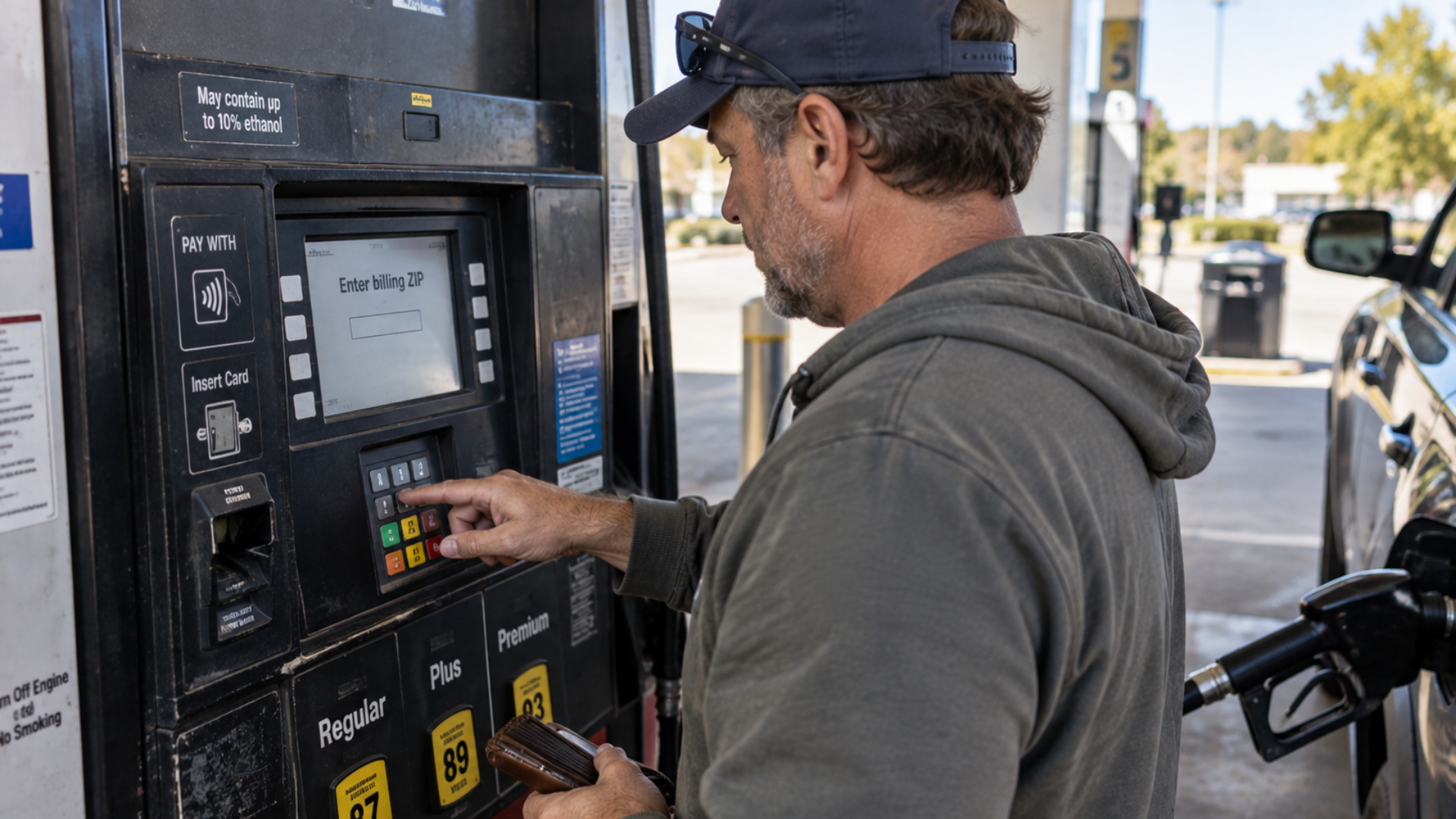

Have you experienced it? Getting stopped by a ZIP code prompt before a gas pump will even start dispensing fuel feels like an odd extra hurdle for an errand. There’s a specific, well-established reason behind it. That ZIP code gets checked through something called Address Verification Service, the exact same fraud-prevention system used whenever someone enters their billing address for an online purchase, and it exists specifically to catch stolen or cloned cards before they can be used.
Thieves Usually Know Your Card Number, Not Your ZIP Code
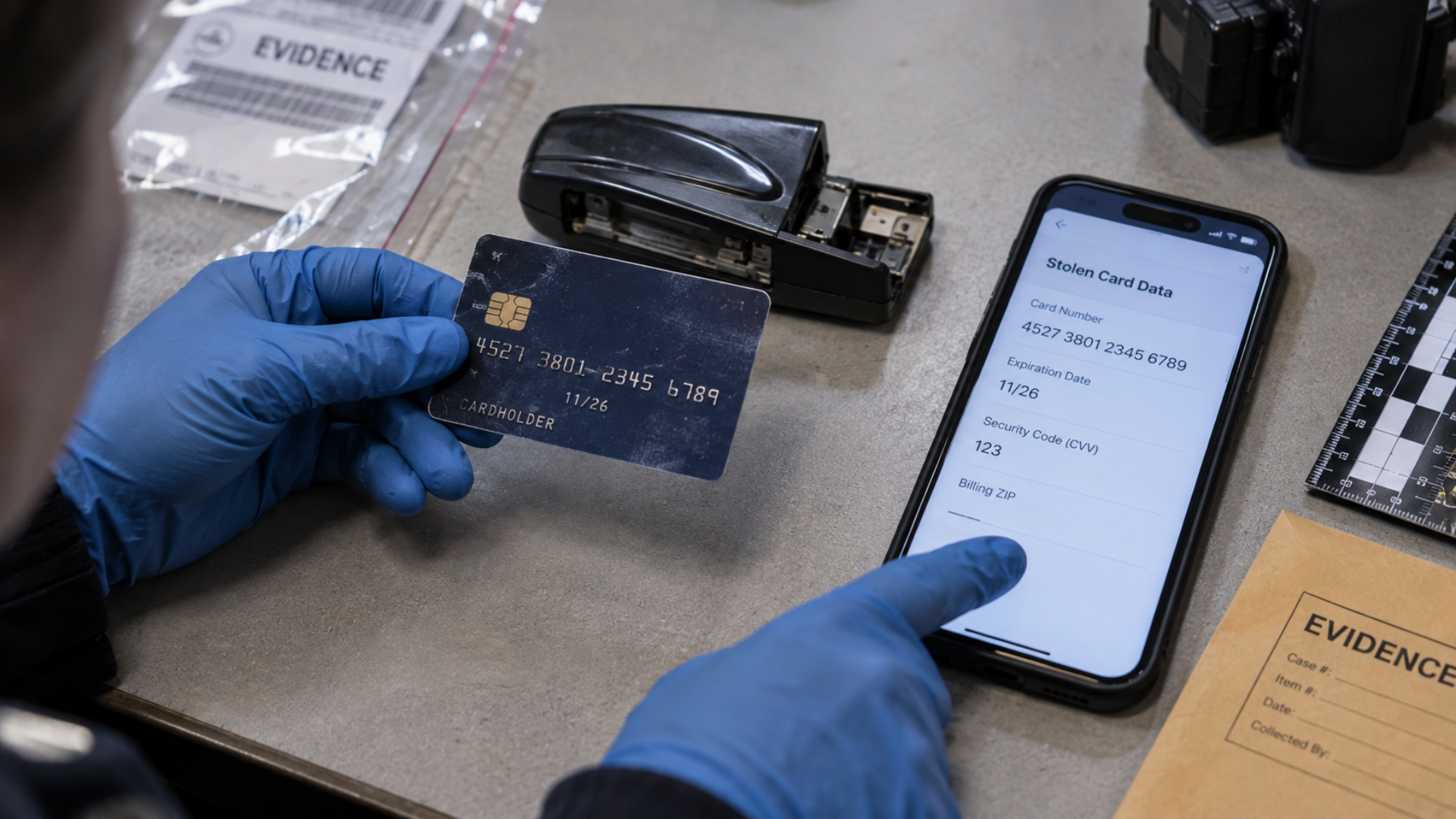
The logic behind AVS comes down to what a thief actually has access to versus what they don’t. Someone using a stolen or cloned card typically knows the card number, expiration date, and security code, since those details are easy to capture through skimming devices or data breaches. What they usually don’t know is the cardholder’s actual billing ZIP code, making it a surprisingly effective filter against fraudulent transactions.
Visa and Mastercard Actually Pay Gas Stations to Ask
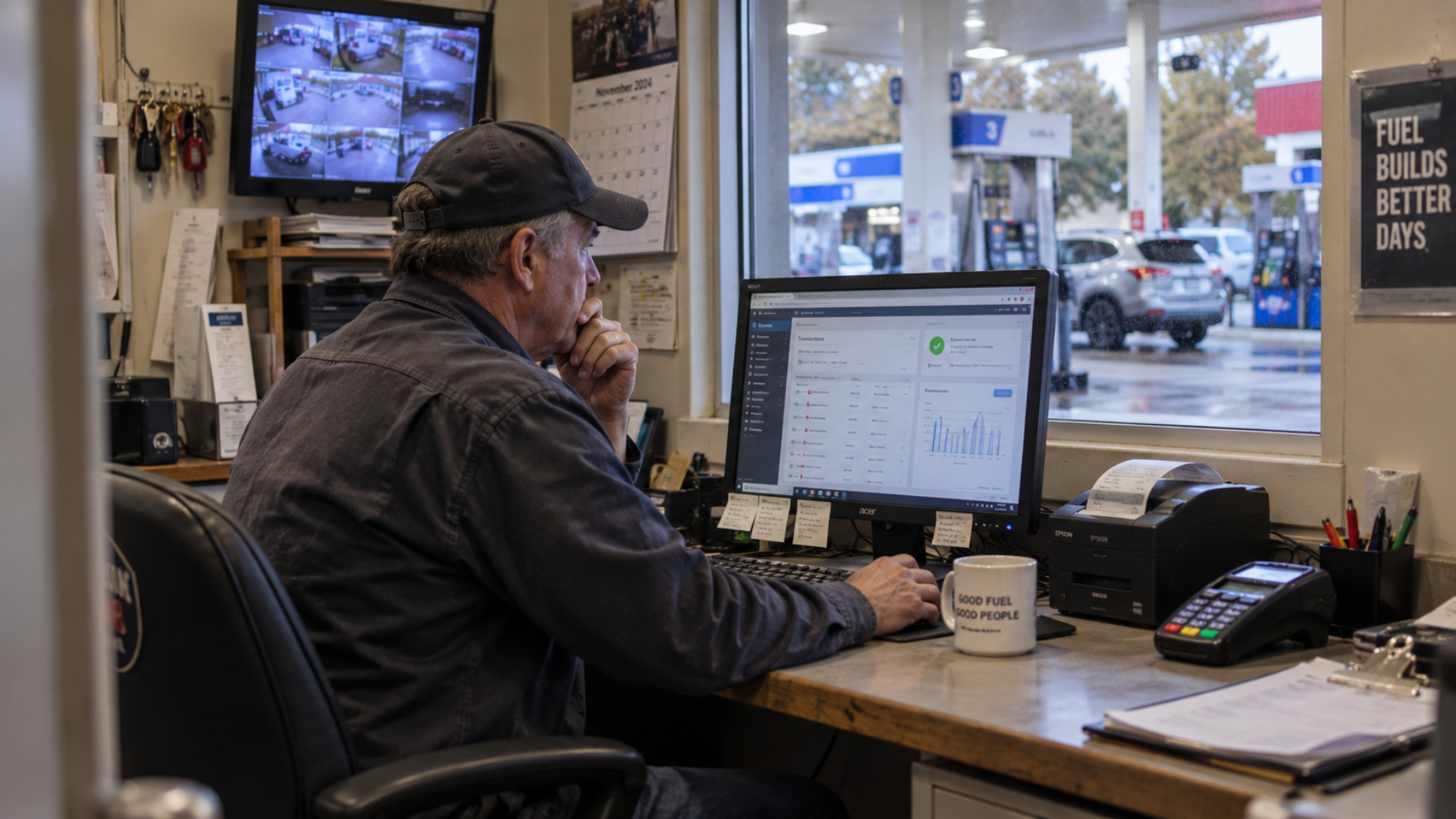
That small filter carries real financial weight for both banks and the gas stations requiring it. Entering a ZIP code adds only a few seconds of friction to a transaction, but it helps banks flag suspicious activity and freeze a compromised card before serious damage accumulates. Card networks like Visa and Mastercard also offer gas stations reduced processing fees specifically as an incentive for requiring ZIP verification at the pump.
Small Fee Discounts Add Up Fast at High-Volume Pumps
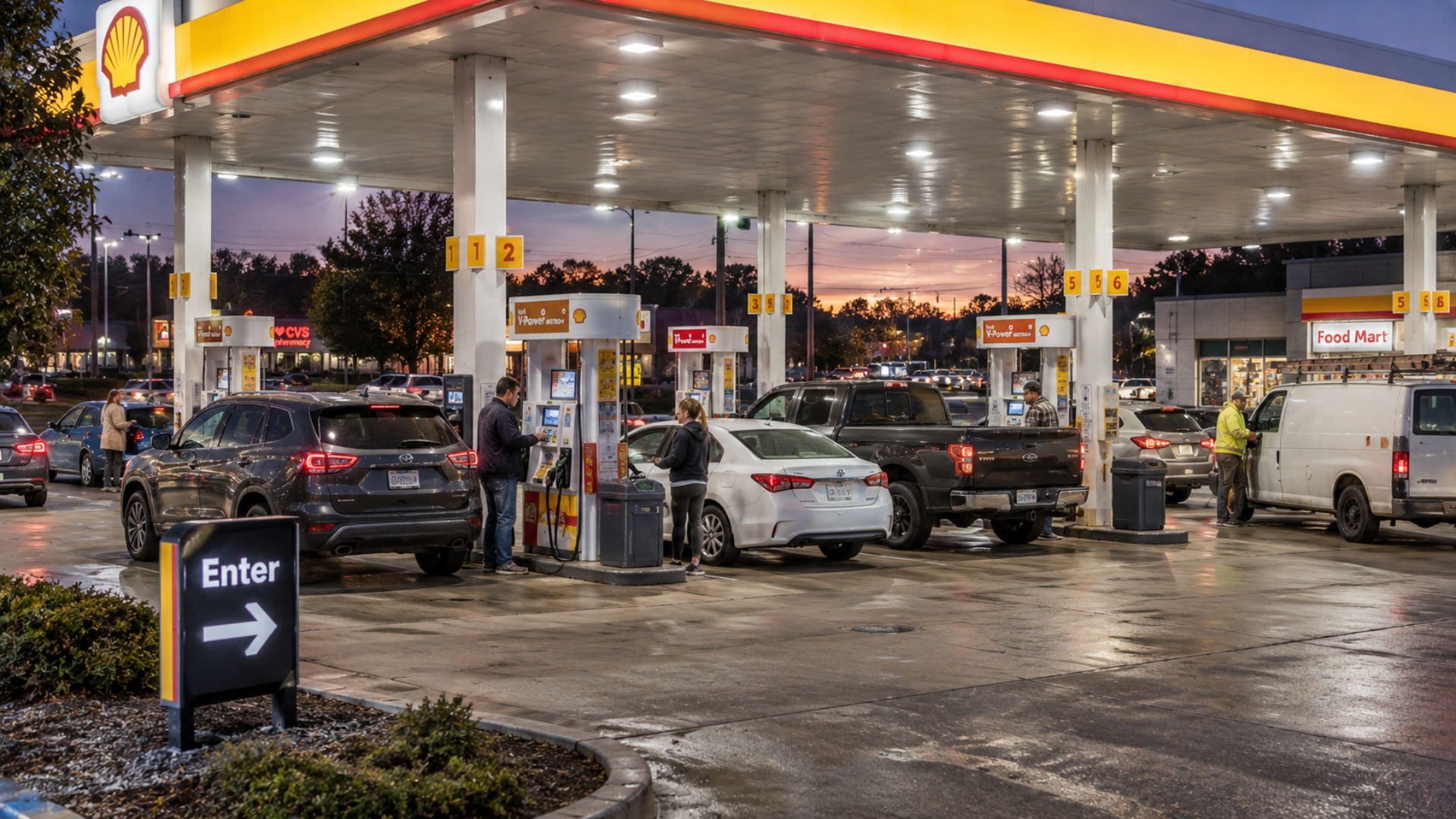
Given how many transactions a busy gas station processes daily, even a modest per-transaction fee discount can add up to real money over time. That financial incentive helps explain why ZIP code prompts became so widespread at pumps specifically, rather than just at standard point-of-sale terminals inside the station itself, where card verification methods can look noticeably different from one retailer to the next.
Debit Cards Come With Their Own Separate Pump Problem
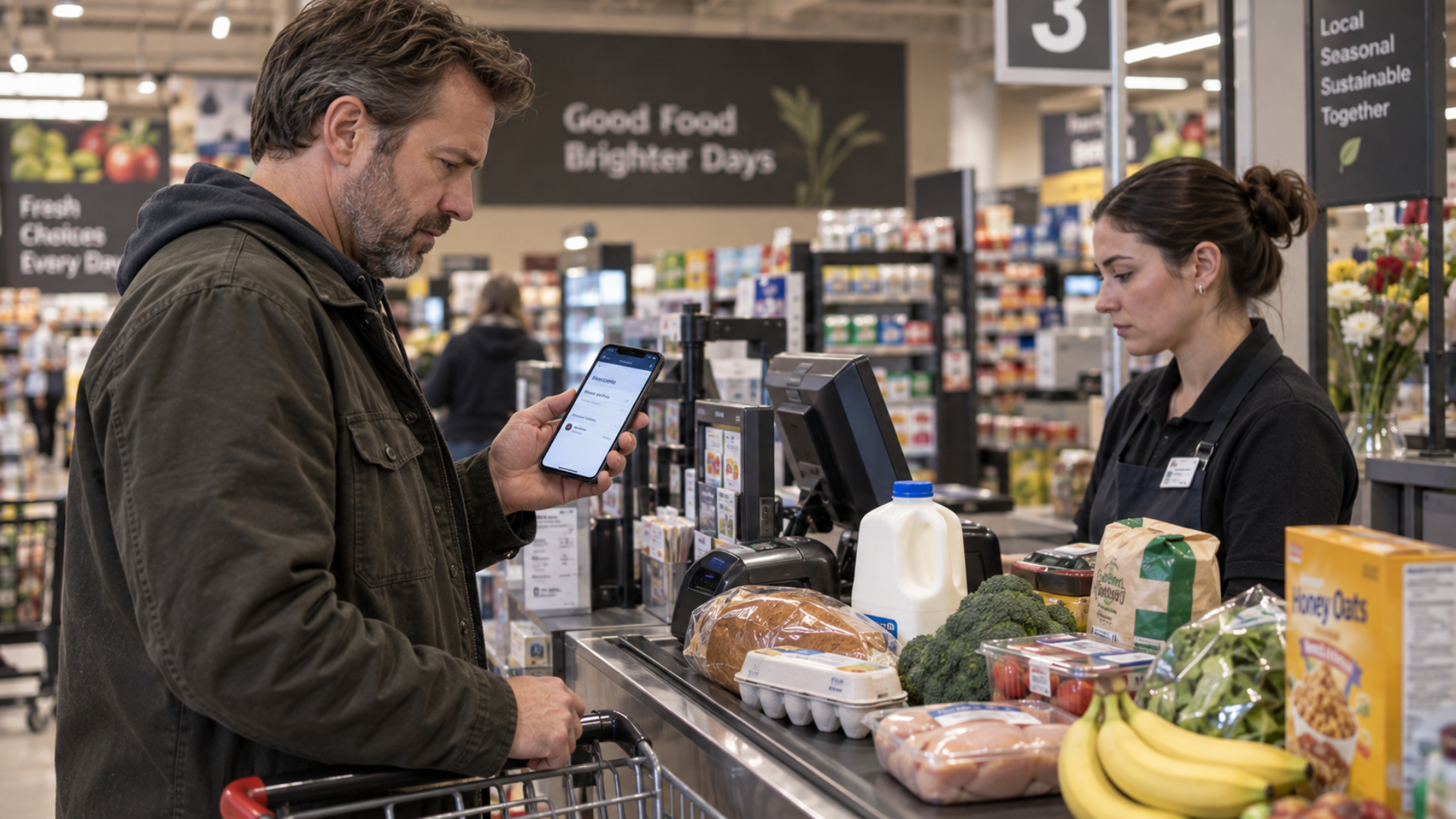
Payment method matters here too, beyond just the ZIP code prompt itself. Many drivers specifically prefer paying for fuel with a credit card rather than a debit card, since debit transactions at gas stations can trigger a temporary hold on funds that sometimes takes several days to fully release. That hold can tie up real cash in a checking account even after the actual purchase amount has been finalized.
Yes, Entering Your ZIP Code at the Pump Is Safe
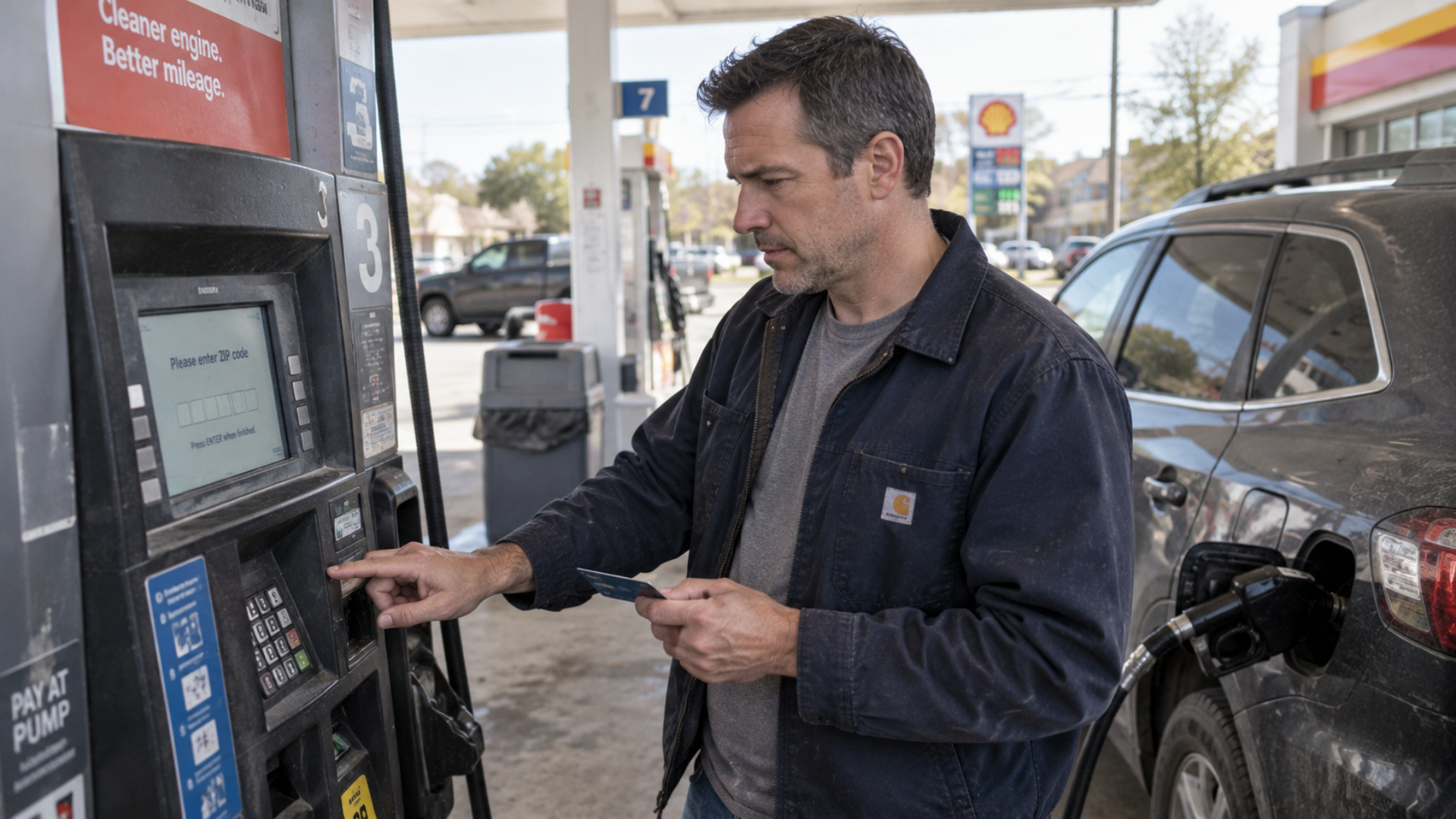
Entering a ZIP code at the pump is generally considered safe specifically because of what the information gets used for. The data feeds directly into that same AVS fraud-check system rather than getting broadly shared or sold, and its narrow, specific purpose is precisely why regulators in states with strict privacy laws have carved out exceptions allowing gas stations to request it in the first place.
California Actually Bans This Everywhere Except Gas Pumps
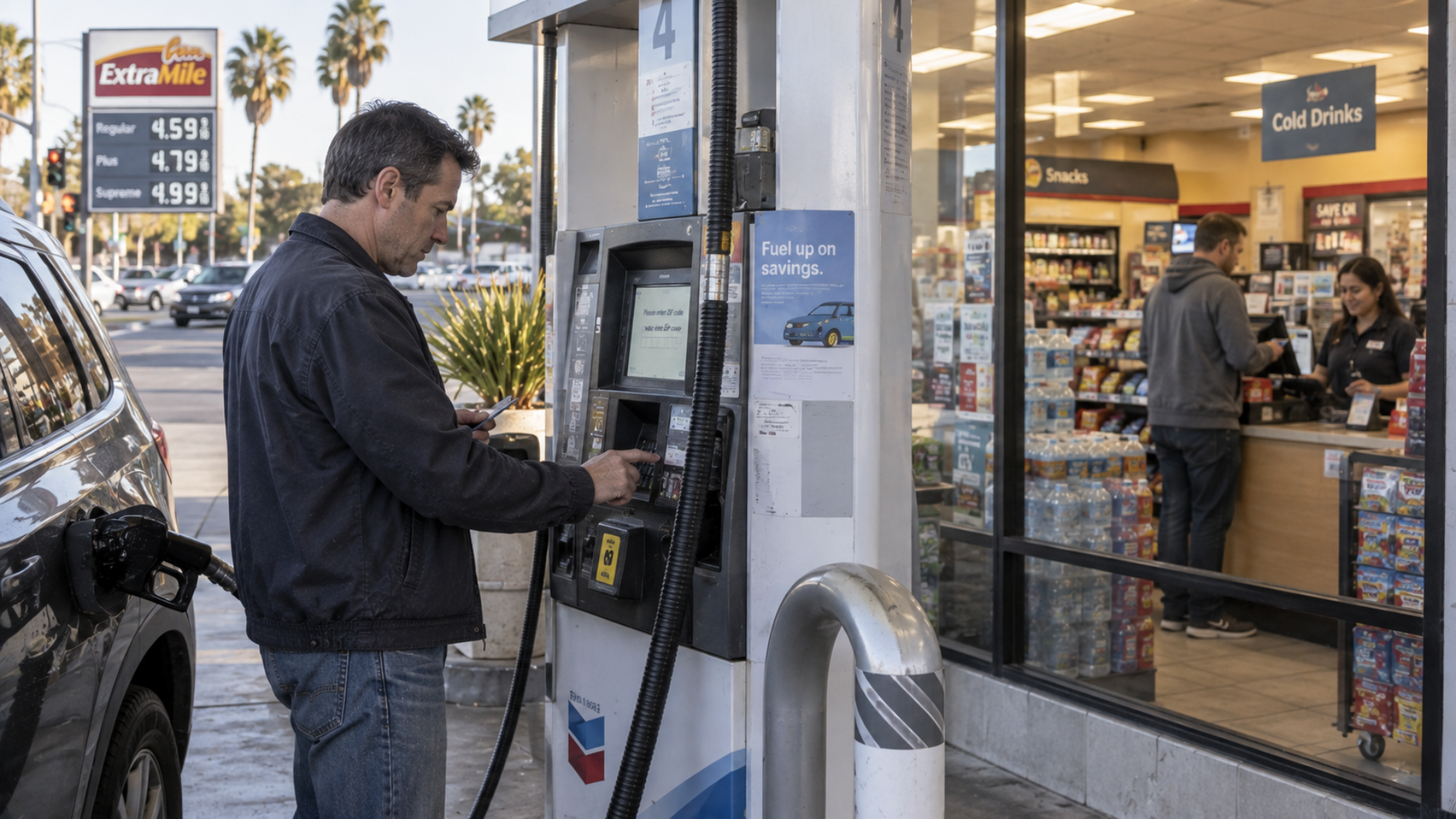
California offers a clear example of that kind of carve-out in action today. State law generally bars retailers from requesting a customer’s ZIP code or other personal information during credit card transactions. Gas pumps specifically remain exempt from that broader restriction, though, since state lawmakers determined the fraud-prevention benefit outweighed the privacy concern in this particular narrow context.
Texas Takes a Different Approach: Limiting How Long Data Is Kept
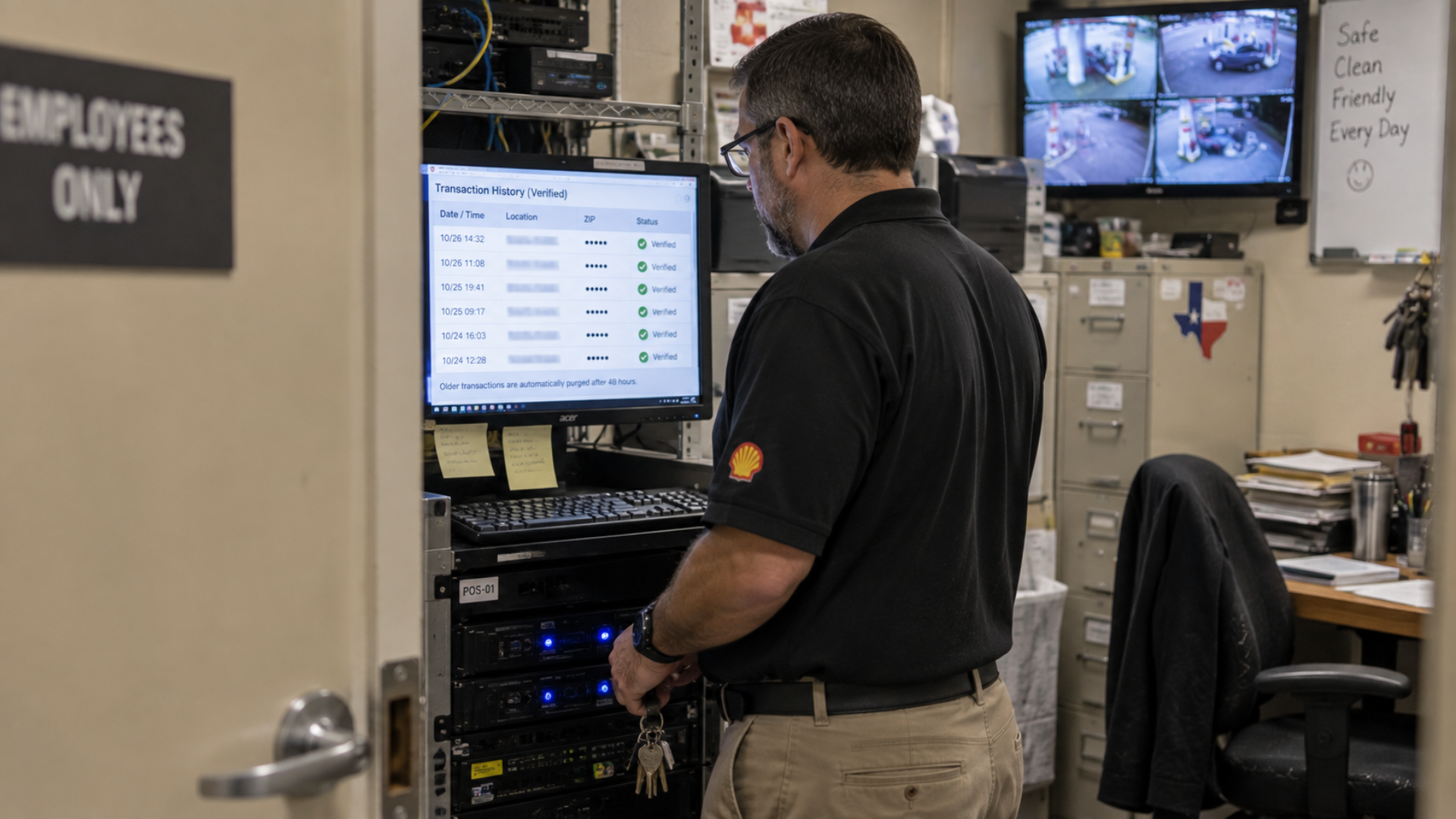
Other states have taken a somewhat different regulatory approach to the same underlying issue. Texas, for example, strictly limits how long businesses can retain a customer’s ZIP code information once someone’s identity has actually been verified through the AVS check. That kind of retention limit adds an extra layer of consumer protection beyond simply restricting who can ask for the ZIP code in the first place.
The Real Danger Is a Hidden Camera, Not the ZIP Code Itself
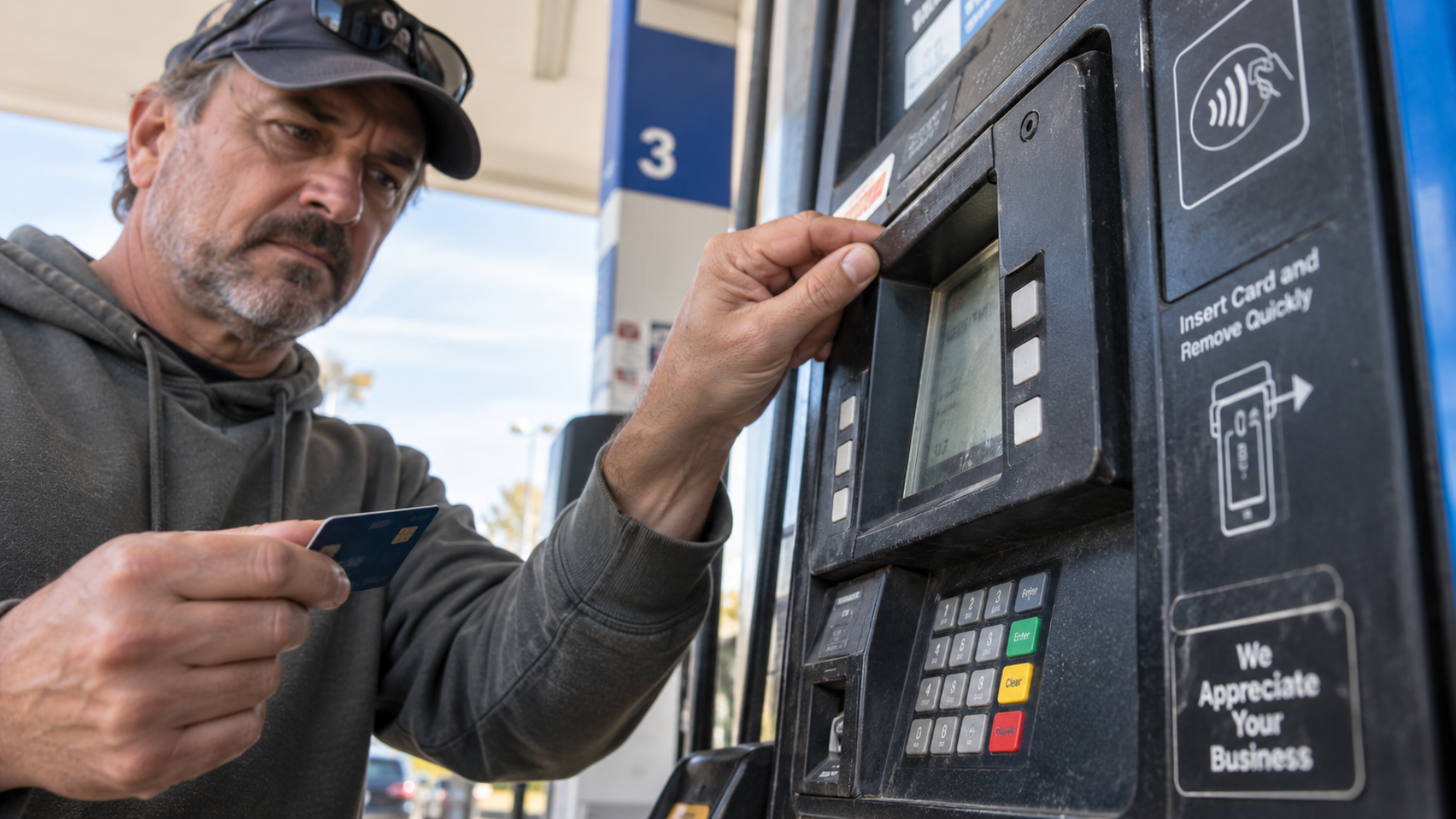
The real security risk at a gas pump usually isn’t the ZIP code prompt itself, it’s the possibility of a hidden card skimmer capturing both a card number and the ZIP entered right alongside it. Covering the keypad with your other hand while entering a ZIP code, along with visually checking the pump for anything that looks tampered with or unusual, remains a practical, low-effort habit worth keeping.
Contactless Payment Cuts the Risk Even Further
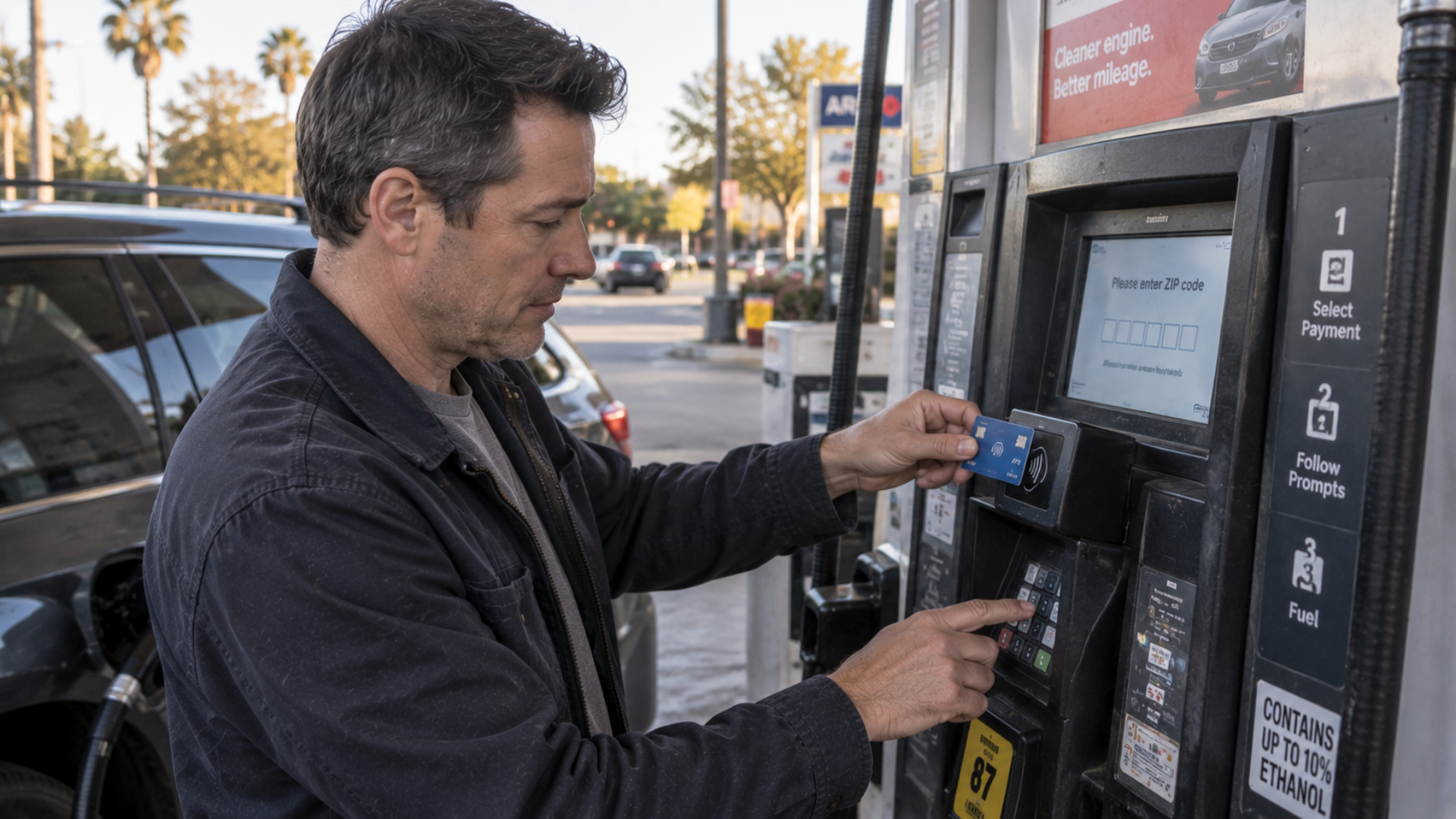
A growing number of pumps now support contactless payment as an added layer of protection against this specific risk. These pumps may still request a ZIP code for AVS purposes, but tapping a card or phone significantly reduces the odds of the card details themselves getting skimmed in the first place. That precaution matters increasingly beyond gas stations too, as card skimmers have started turning up inside grocery stores as well.