Whooping Cough Surge Follows Vaccine Rule Rollback; Baby Death Reported


It didn’t look dramatic at first. Mississippi adjusted its long-standing vaccine policy in 2023, allowing religious exemptions for schoolchildren after a federal court ruling. For decades, the state had some of the highest vaccination rates in the country. That reputation came from strict rules that left little room for opt-outs.
The change introduced a new variable. Families now had more flexibility, and some chose to use it. Overall vaccination rates remained high on paper, but early signs showed a dip among younger children, especially those entering school for the first time.
That small shift carried weight. Public health systems rely on consistency, not just high averages. When coverage begins to slip—even slightly—it can open the door for diseases that had stayed largely under control for years.
Cases Rise and a Tragedy Follows

The numbers began to move quickly. Mississippi recorded 146 whooping cough cases in a single year, marking the highest level in 16 years. At the same time, health officials tracked 115 cases in 2025 alone, more than double the total from the year before.
Then came the moment that shifted the tone of the story. An infant under two months old died from whooping cough, becoming the state’s first recorded death from the disease in over a decade.
The child had not yet reached the age for vaccination. That detail matters because infants depend on protection from the people around them. When exposure increases, they face the highest risk. Even recommended precautions had been followed. The child’s mother received a booster during pregnancy, but it was not enough to prevent the outcome.
A Narrow Gap With Big Consequences

At first glance, Mississippi’s vaccination rates still appear strong. The state reported about 99.5% coverage among students overall. The more telling number sits with younger children. Kindergarten vaccination rates dropped closer to 97%, a noticeable shift from previous levels.
That difference may look small, but it carries impact. Public health experts often point to herd immunity as a threshold system. Once coverage dips below certain levels, diseases can spread more easily, especially in close-contact environments like schools.
Doctors have warned about this pattern for years. When vaccination numbers decline, cases tend to rise. When cases rise, vulnerable groups—especially infants—face the consequences first. The situation also reflects a broader change. Pediatricians report more frequent conversations with parents who feel uncertain or conflicted about vaccination decisions, signaling a shift in public confidence as much as policy.
What This Means Moving Forward
This story reaches beyond one state. The legal decision in Mississippi has already drawn attention from groups looking to expand similar policies elsewhere, turning a local change into part of a national conversation. At the same time, public health officials continue to emphasize prevention.
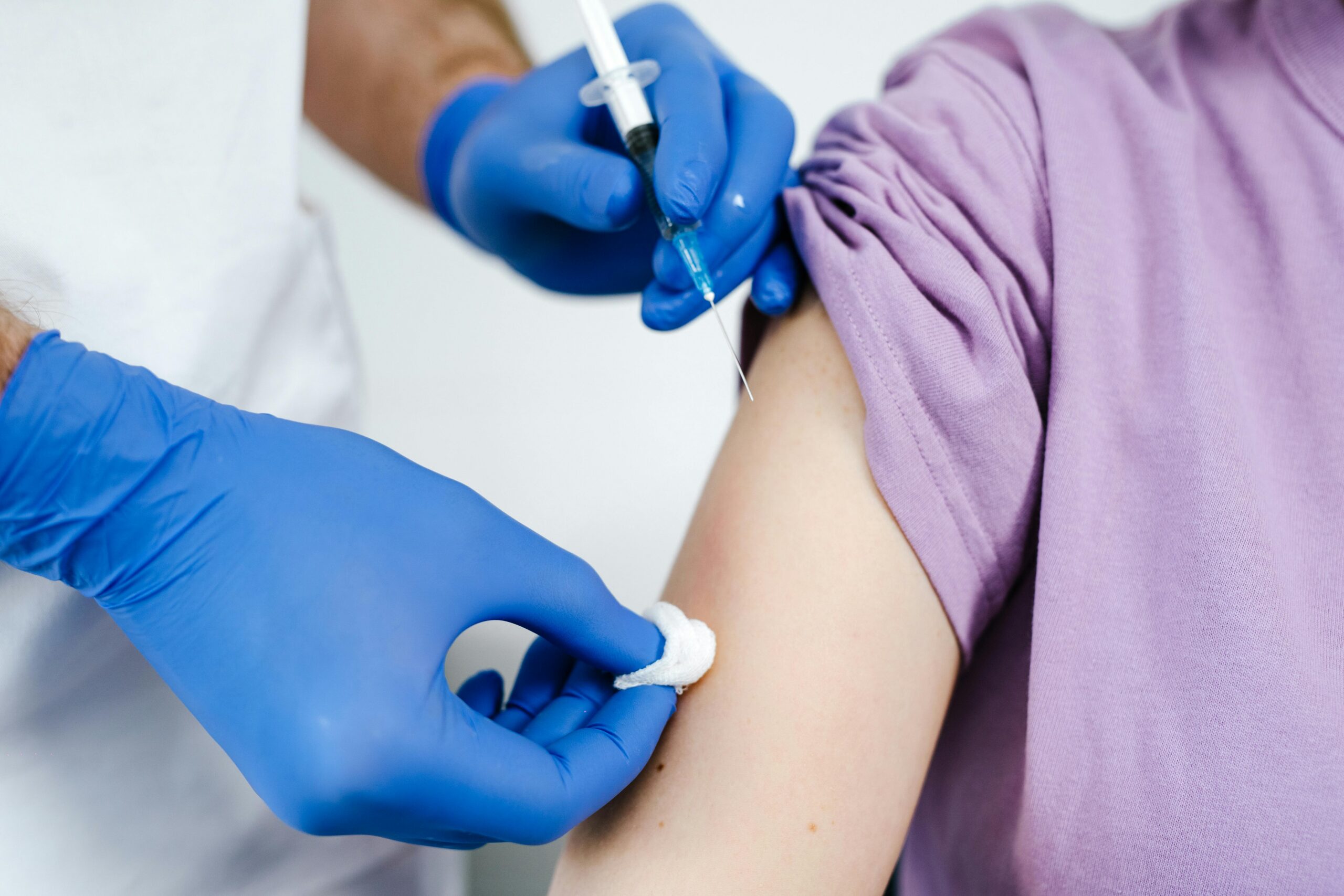
Vaccination remains the primary tool to reduce severe outcomes, especially for diseases like whooping cough that pose the greatest risk to infants and young children. The takeaway isn’t about a single event. It’s about how small shifts can create measurable effects over time.
Mississippi’s experience shows how quickly conditions can change when long-standing systems adjust, even slightly. What happens next will depend on how policy, public trust, and health practices evolve together.