White House Quietly Adds Fifth Statue, but Questions Remain Over Who Paid
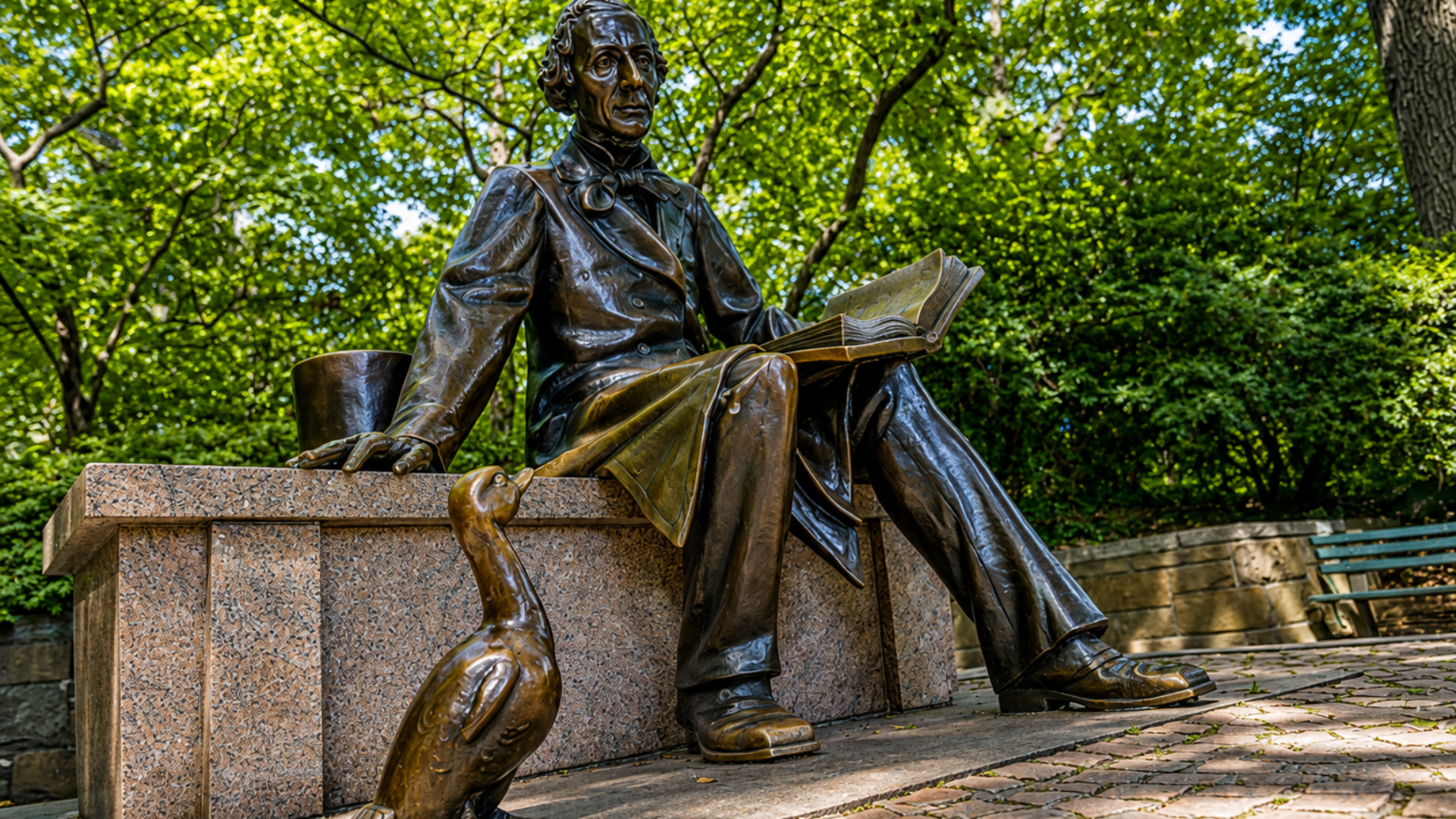

Under cover of darkness, workers hauled a life-size bronze statue of Thomas Jefferson onto the White House lawn. No press release. No photo op. Just a quiet installation while the country slept. It marks the fifth statue President Trump has added to the Rose Garden, joining Founding Fathers already standing among what used to be grass. Behind the bronze sits a murkier question: who actually paid for it, and why won’t the White House say?
The statue’s journey began in secrecy. It arrived at the executive mansion at the end of June, where security experts whisked it away for screening before its midnight debut, according to the Daily Beast. Two anonymous sources told the Washington Post the piece went up last week. The White House still has not formally acknowledged the addition, leaving reporters to piece the timeline together from leaks and photographs taken by staff arriving for work.
The bronze depicts Jefferson seated with a draft of the Declaration of Independence resting in his lap. It was sculpted by 77-year-old George Lundeen, the same artist behind the seven-foot “Defiance” statue of Trump raising his fist after the 2024 Butler, Pennsylvania assassination attempt. Trump personally called Lundeen to thank him. “I just wanted to thank you. The sculpture looks really beautiful,” he told the sculptor, according to audio Lundeen shared with reporters.
A Rose Garden Turned Sculpture Row, One Founder at a Time
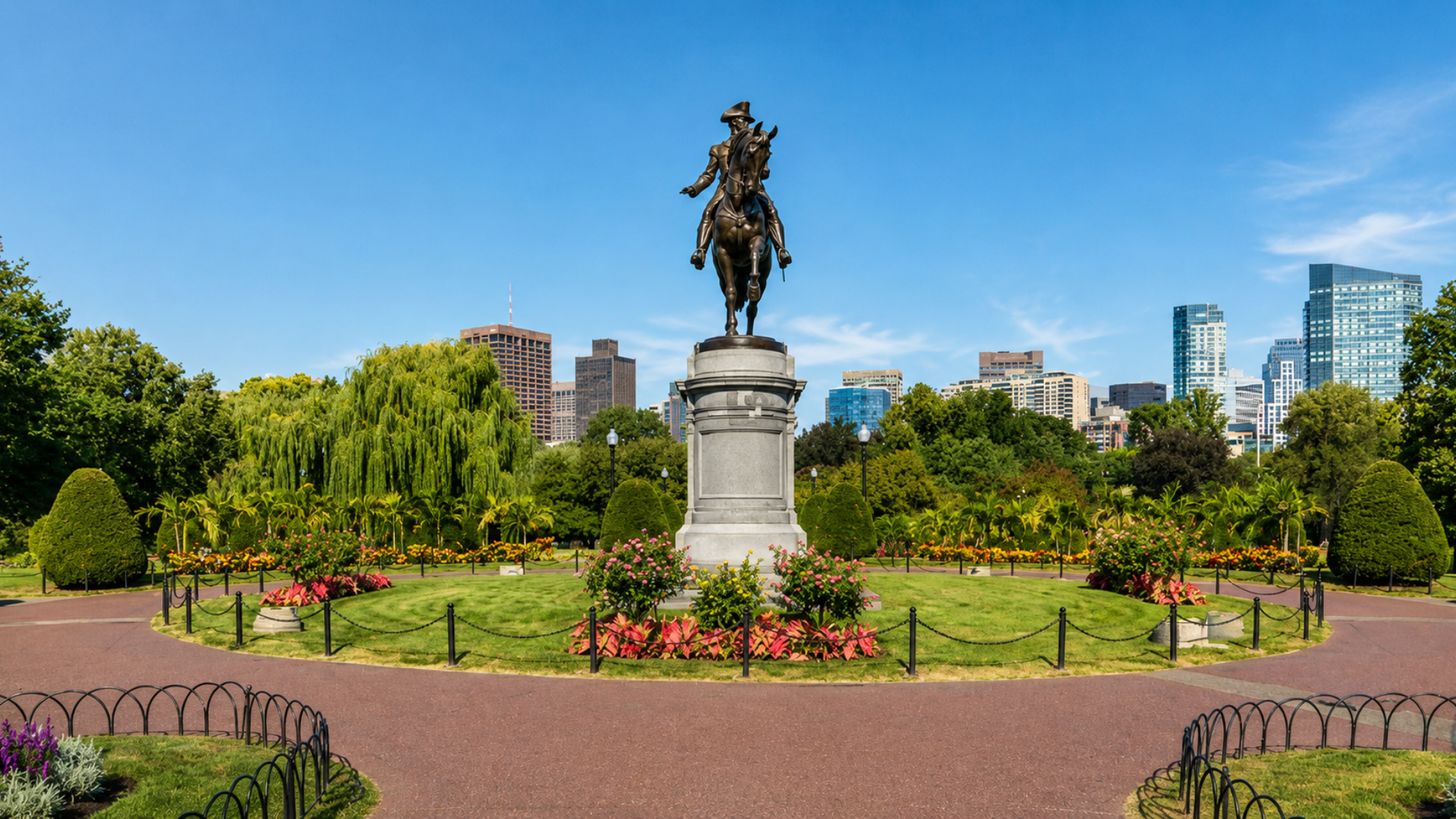
Jefferson now joins George Washington, Benjamin Franklin, Alexander Hamilton and a Revolutionary War tribute called “Freedom’s Charge.” The collection grew in stages. Washington arrived first, in October, followed by Franklin and Hamilton in March. Freedom’s Charge came sometime after. Each addition landed on the same paved-over stretch where a grass lawn once sat, now facing the Oval Office windows so the statues are visible from inside the West Wing.
The Washington statue stands apart from the rest. It is government property, a bronze cast owned by the National Park Service and moved from its longtime post at the Washington Monument during a government shutdown. No private money changed hands for that one. It replaced a marble original by French sculptor Jean-Antoine Houdon, cast from a life mask of Washington himself, and had drawn roughly 250,000 visitors a year at its old location.
Franklin, Hamilton and Freedom’s Charge tell a different story. All three are on loan from Harlan Crow, a billionaire real estate developer and major Republican donor. Crow is best known for showering Supreme Court Justice Clarence Thomas with luxury vacations and yacht trips, disclosures that triggered a Senate ethics inquiry. His personal collection reportedly includes Nazi memorabilia and documents bearing Christopher Columbus’s signature, details that have shadowed the loan arrangement since it became public in March.
The White House Calls Them Gifts From “Patriots.” The Paper Trail Says Otherwise
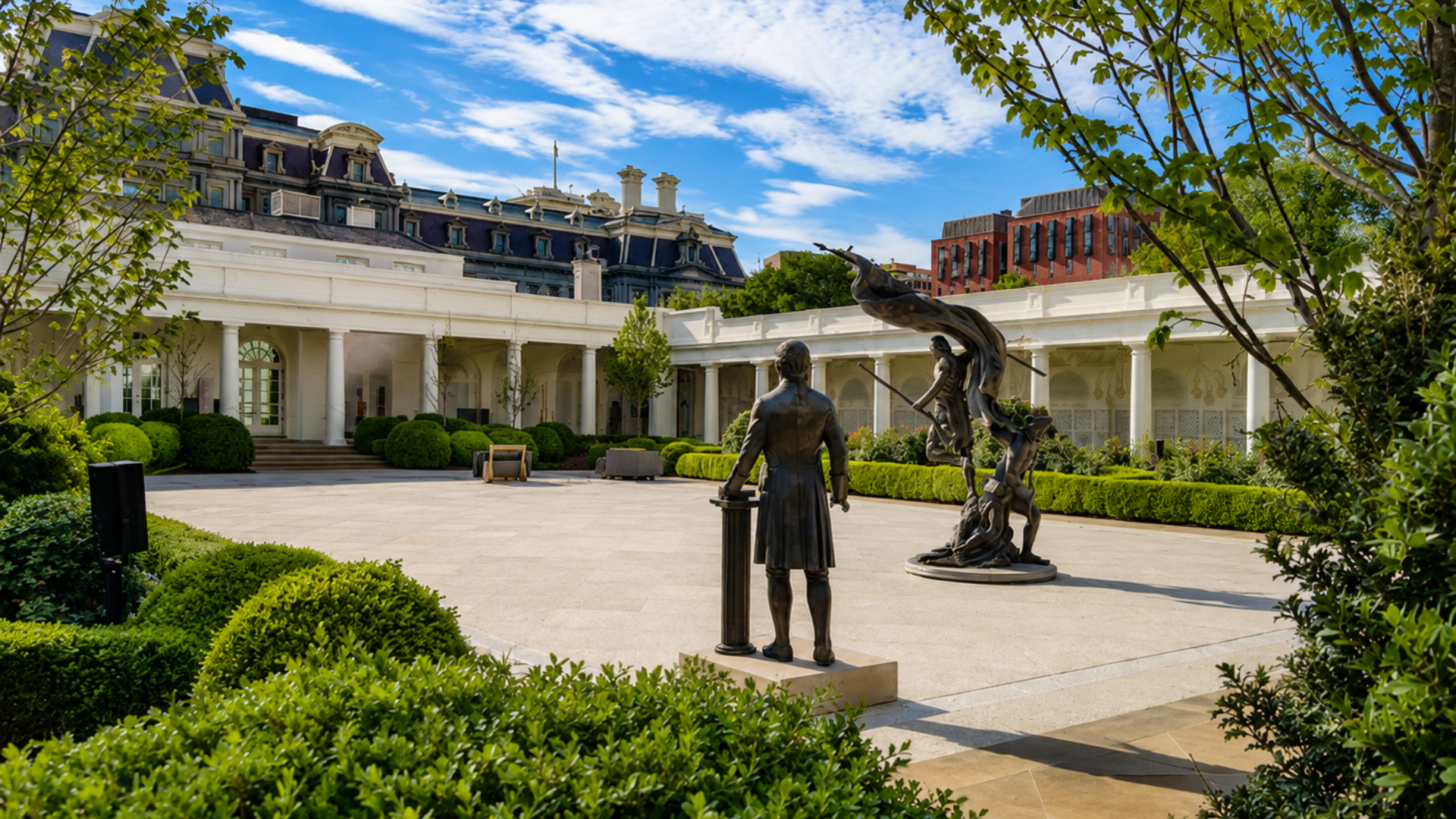
Asked about the statues’ origins, the White House has offered one line: they come from “generous private American patriots.” That phrase covers three very different arrangements. One statue belongs to taxpayers already. Three are borrowed from a single wealthy donor with a controversial history. The newest, Jefferson, was not loaned at all. Sculptor George Lundeen gave it outright, a distinction the White House has not volunteered.
That gift status matters for what happens next. A White House official told USA Today that because Jefferson was a donation rather than a loan, the National Archives could eventually transfer it to Trump’s future presidential library in Miami. From there, the library could loan it back to the White House, or donate it outright, in which case ownership would shift permanently to the federal government under the Usher’s Office and Park Service.
Art historians have not been kind to the project. Maxwell Anderson, former president of the Association of Art Museum Directors, told the Washington Post that Trump’s embrace of a classical statuary style “finds its closest equivalent in authoritarian regimes.” The criticism echoes past flashpoints. Trump previously installed a replica Christopher Columbus statue after protesters tore down the original in Baltimore, part of a broader pattern of resurrecting monuments that became contested symbols during 2020’s racial justice protests.
A Garden Built for an Audience That Rarely Sees It
Filmmaker Steven C. Barber, who brokered the arrangement between Lundeen and the White House, could not contain his excitement before the reveal. “He’s going to put it in the frigging Rose Garden!” he told reporters weeks before the statue arrived. The addition fits a broader pattern of spending tied to the nation’s 250th anniversary, including a new White House ballroom under construction and a proposed 250-foot arch planned for the banks of the Potomac.
Few members of the public will ever see the statues up close. The Rose Garden sits inside a secure perimeter, accessible mainly to staff, visiting dignitaries and reporters covering official events. That limited audience has not stopped the project from becoming a recurring flashpoint, with each new addition triggering fresh scrutiny over funding sources the Washingtonian and other outlets have had to piece together themselves.
Five statues now line a garden that used to grow roses, funded by three different arrangements the White House has folded into a single vague phrase. One belongs to the public already. Three are on loan from a donor whose own collection has drawn scrutiny for years. One was a personal gift that may eventually pass into permanent government ownership through a presidential library built in Trump’s name. The paperwork, unlike the bronze, was never meant to be looked at closely.