Which Side of Aluminum Foil Should Face Up?
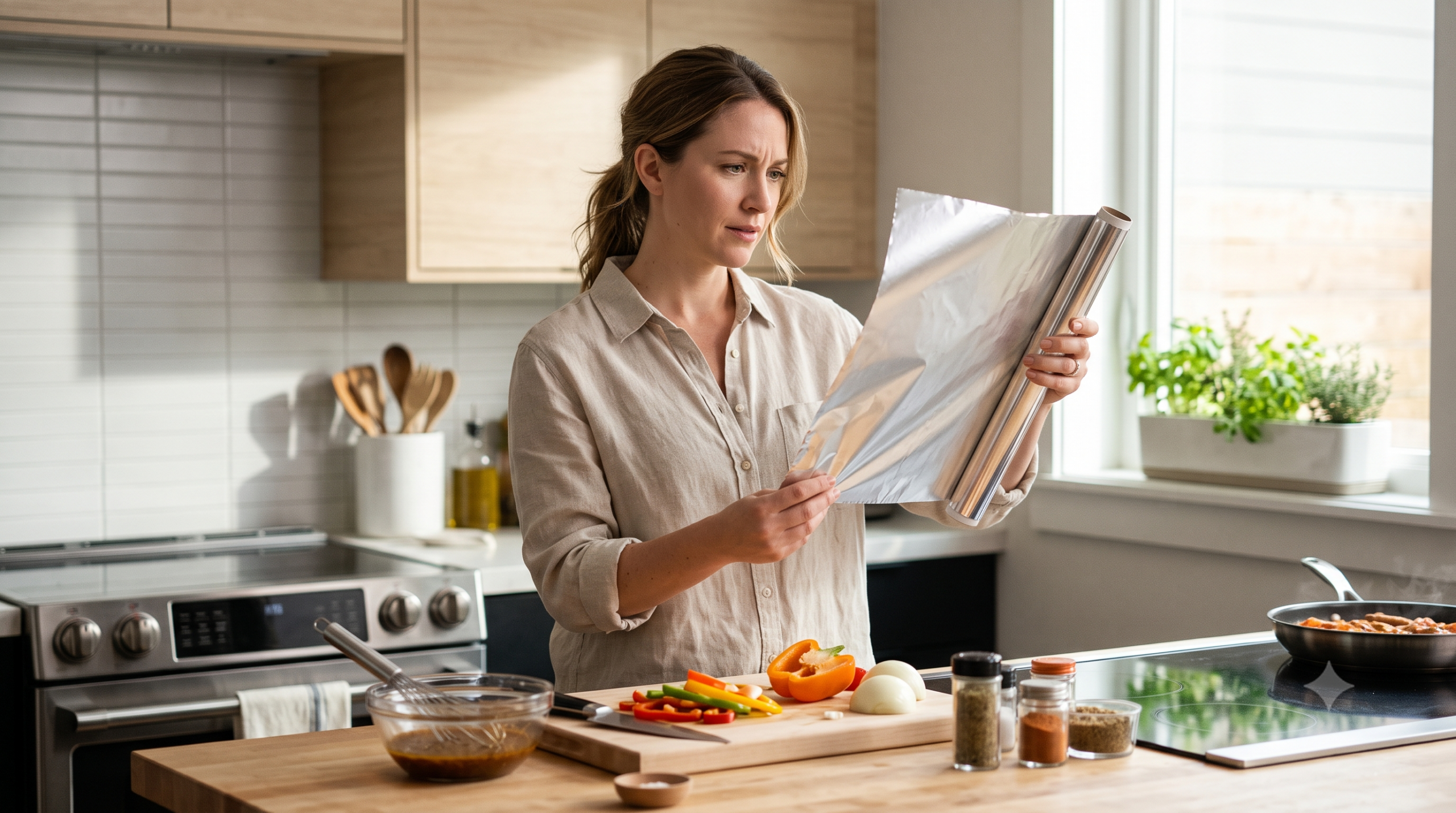

Almost every home cook has paused before wrapping a dish, wondering whether the shiny side or the dull side of aluminum foil should face out. It seems like a simple question, yet it has sparked decades of kitchen debate and plenty of conflicting advice passed down through families. Some people swear the shiny side keeps food warmer. Others insist the dull side works better for freezing. The truth behind this everyday mystery actually traces back to how foil is manufactured, not to any special property of either surface. Once you understand that process, the debate becomes much easier to settle for good.
This article was created with the assistance of AI and reviewed by our editorial team for accuracy and clarity.
How Aluminum Foil Actually Gets Its Two Different Looks
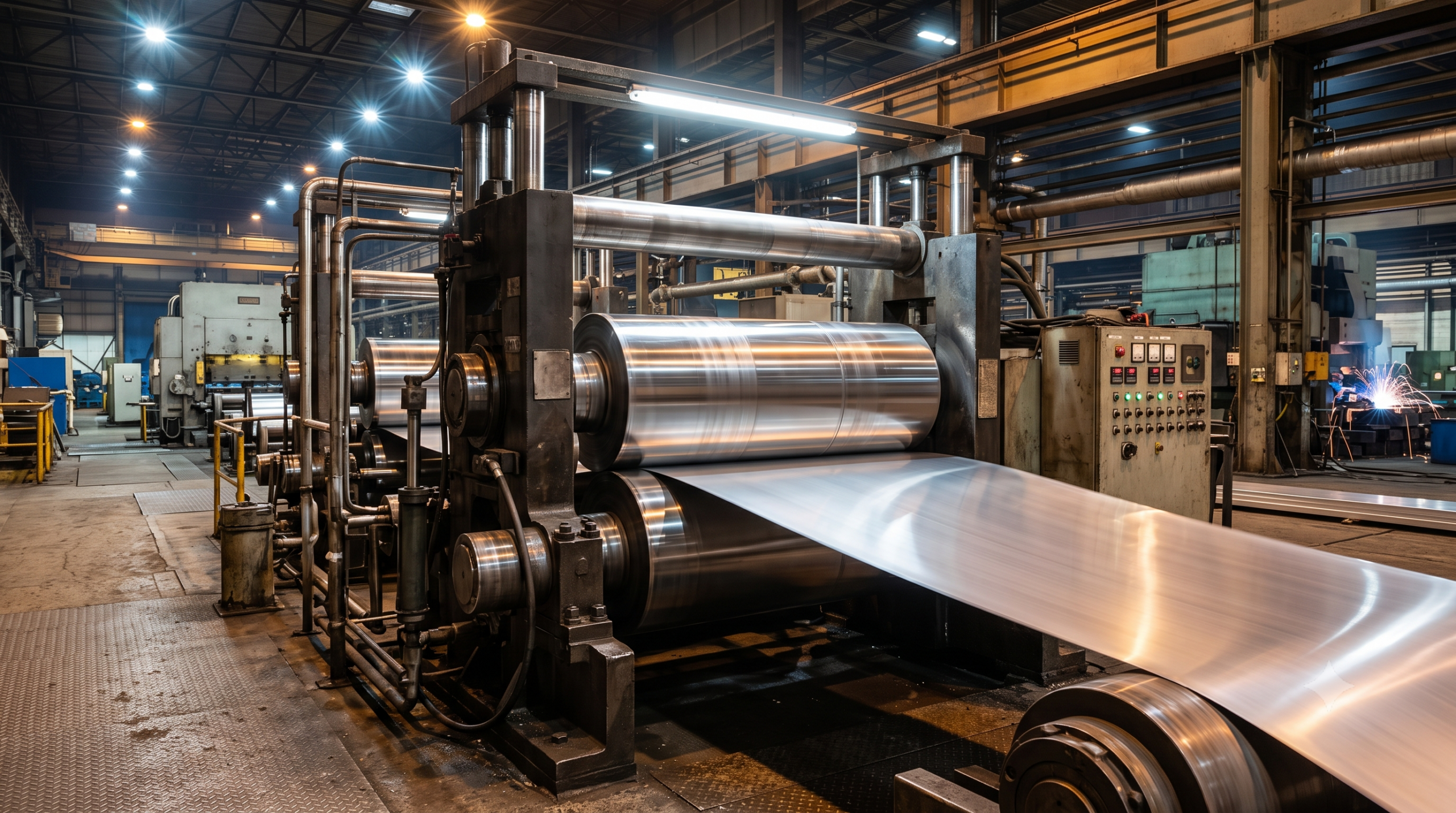
Foil starts as aluminum that gets melted, cooled into slabs, and then pressed between heavy metal rollers until it becomes extremely thin. At a certain point in production, the sheet is so delicate that a single layer would tear under the pressure of the rollers. To prevent that, manufacturers run two layers through together at once. The surface that touches the polished steel rollers comes out shiny, while the surface pressed against the other sheet of foil comes out with a dull, matte finish. Once the rolling is finished, the two layers are separated and wound onto the rolls sold in stores.
What Reynolds Says About Choosing a Side
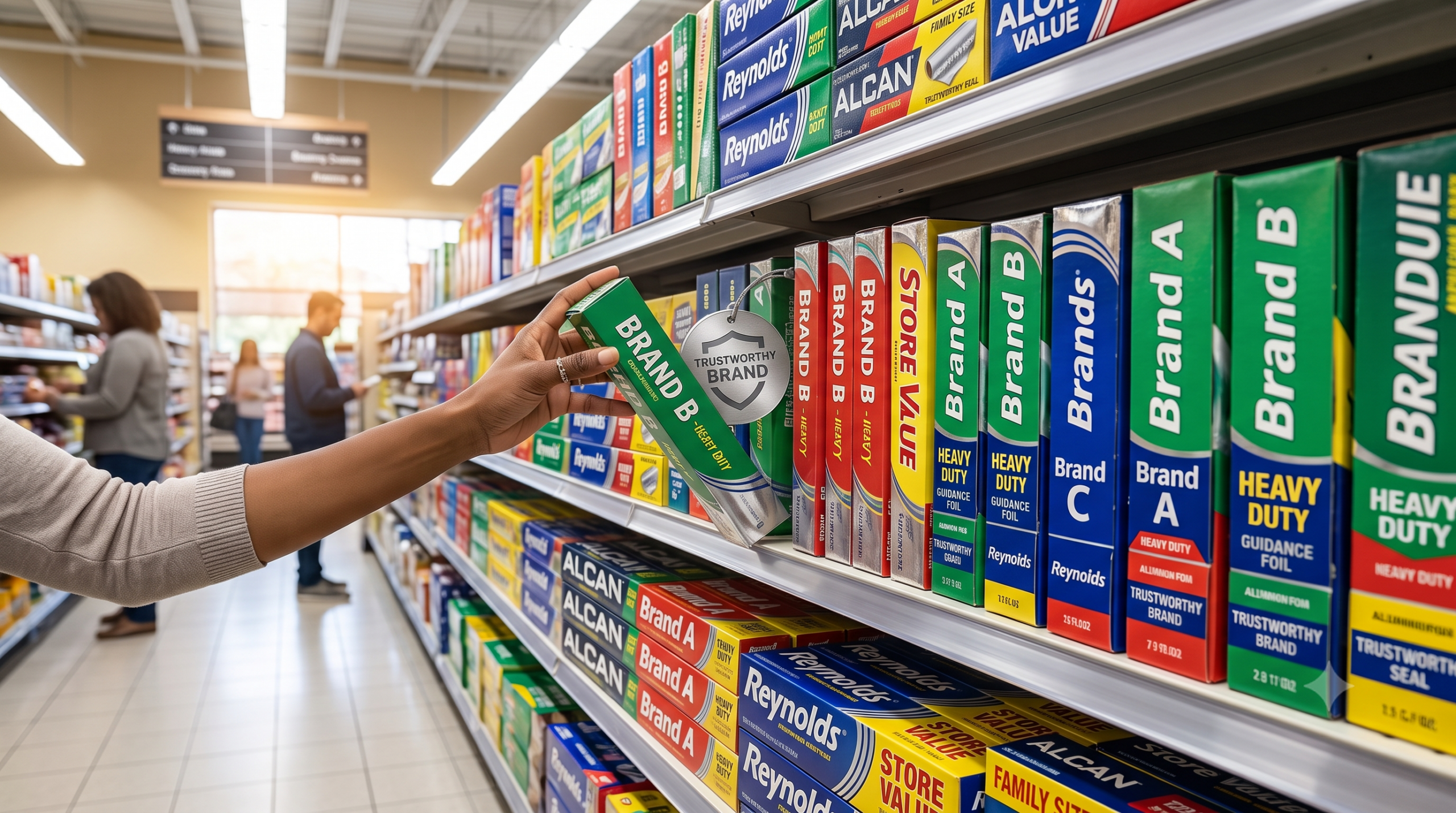
Since Reynolds Wrap is one of the most recognized foil brands in American kitchens, its guidance carries real weight. According to the company, both sides perform identically for cooking, freezing, and storing food. The appearance difference is purely cosmetic and comes entirely from that manufacturing step, not from any difference in the metal itself. Reynolds has confirmed this directly on its own website and through company spokespeople in interviews with several food and lifestyle publications. In other words, there is no hidden rule about which side belongs facing your casserole or your leftovers.
The Persistent Myth About Heat and Reflection
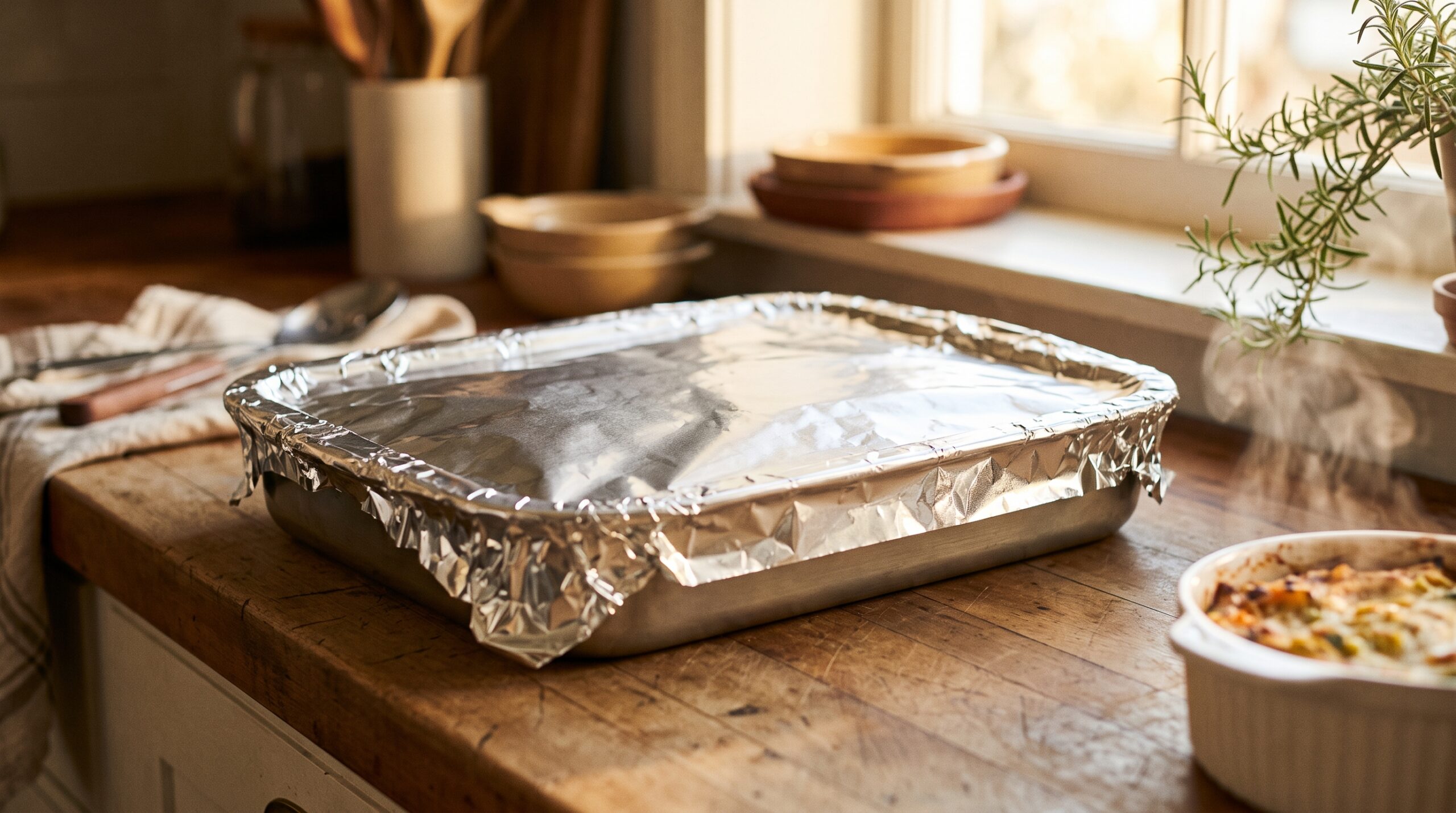
One popular belief holds that the shiny side reflects heat better, so it should face outward to keep food cold or inward to trap warmth. It sounds logical, which is part of why the idea has spread so widely. However, experts who have studied the material confirm that any difference in heat reflection between the two sides is negligible at most. The aluminum composition is identical on both surfaces, and the shine is only a surface texture created during rolling. Functionally, foil behaves the same no matter which side faces the food or the heat source.
The One Type of Foil Where Side Really Counts
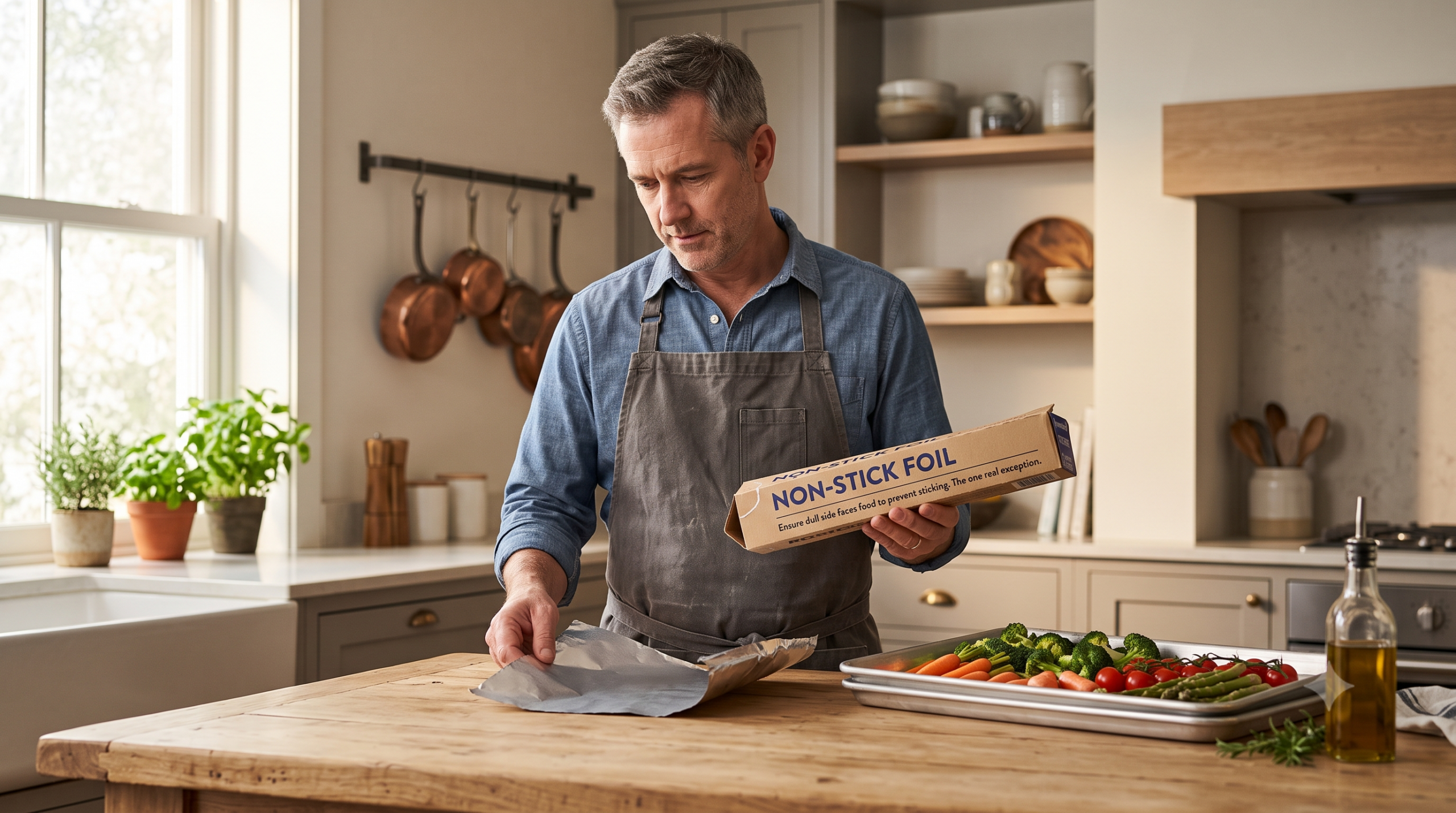
There is a genuine exception to this rule, and it is worth remembering. Non-stick aluminum foil, sold by several brands including Reynolds, has a special coating applied during manufacturing to only one side, which is typically the dull side. That coating is what keeps food from sticking during baking or roasting. If you use non-stick foil but place food on the wrong side, you lose the benefit entirely and may end up scrubbing a stuck-on mess. Always check the packaging, since most non-stick foil is clearly labeled to show which side should face your food.
Why This Small Detail Still Confuses So Many Cooks

Part of the reason this myth has lasted so long comes down to human perception rather than science. A shiny, reflective surface simply looks like it should perform differently from a dull one, even when the underlying material is identical. Cooking traditions also get passed down informally, often without anyone questioning where the advice originated. Once a family member or a recipe card states a rule with confidence, it tends to stick around for years. This is a common pattern with kitchen folklore, where a simple visual cue gets turned into a functional rule that never actually existed.
Foil Safety Rules That Matter More Than Which Side

While the shiny versus dull debate turns out to be a non issue, there are genuine foil safety guidelines worth knowing. Lining the bottom of an oven with foil is not recommended, since it can block proper airflow and interfere with heat circulation, potentially affecting cooking results or damaging the appliance over time. Foil should also never go in the microwave, since it can spark and create a fire hazard. These are the details that actually affect your cooking outcomes and your kitchen safety, unlike the harmless cosmetic difference between the two sides of the sheet.
Surprising Ways Foil Helps Outside of Cooking
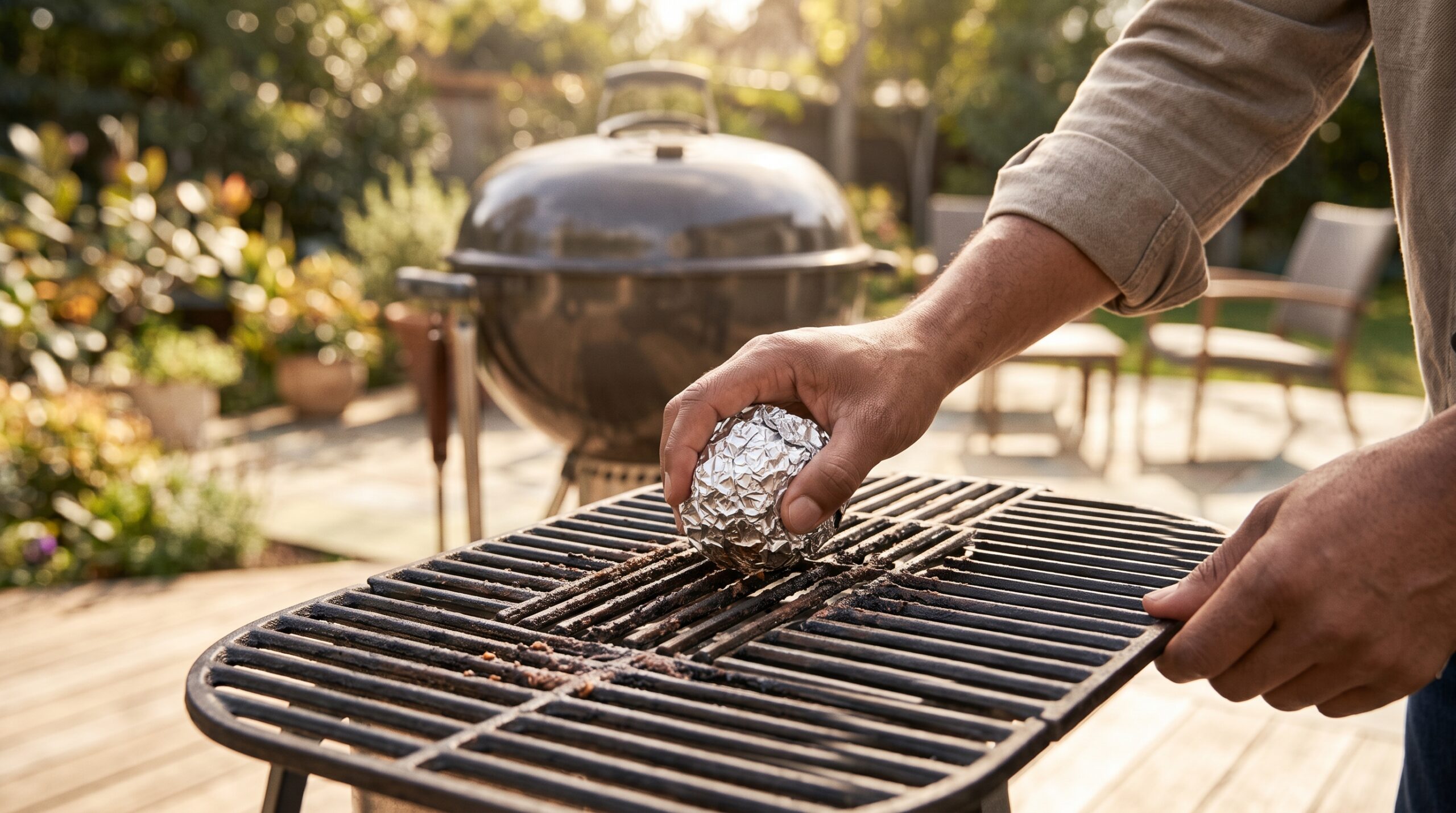
Aluminum foil earns its reputation as a kitchen essential partly because its usefulness extends well beyond wrapping food. Balling up a piece of foil and rubbing it on a grill grate can help loosen baked on residue before a proper cleaning. Foil can also be used to sharpen dull scissors by cutting through a folded sheet several times, and a crumpled piece placed in the dryer can sometimes help cut down on static cling. None of these tricks depend on which side faces out, reinforcing the idea that the shiny and dull surfaces genuinely behave the same way.
Getting the Most Out of Your Foil for Storage
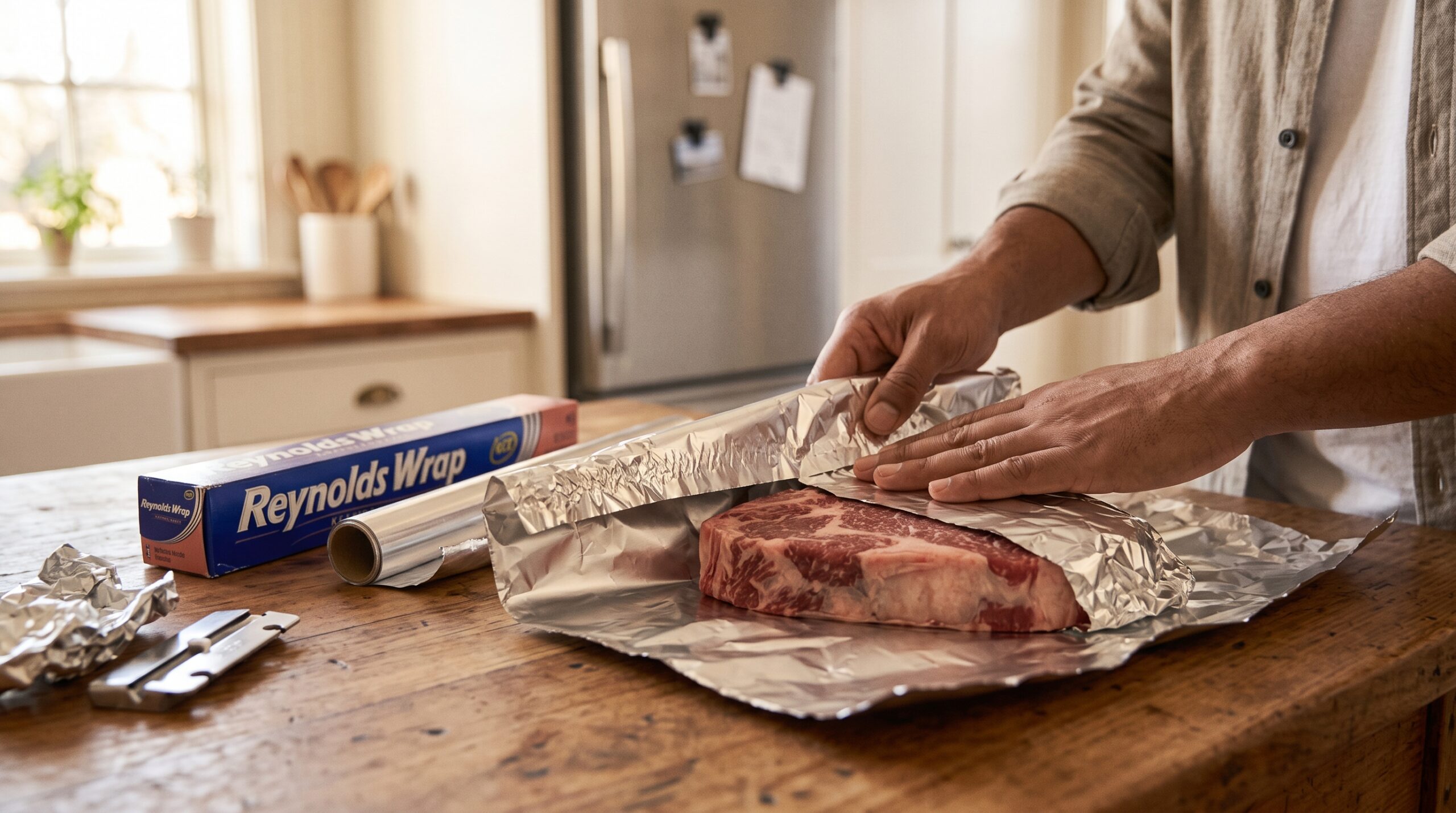
When it comes to wrapping and freezing food, technique tends to matter far more than which side of the foil you choose. Pressing out excess air before sealing helps prevent freezer burn, and using heavy duty foil for items with sharp edges, like bones or hard vegetables, helps avoid tears. For foods with strong odors, double wrapping can help keep flavors from mixing with other items in the freezer. These small habits make a noticeable difference in how well food holds up over time, far more than worrying about the surface facing your dish.
The Simple Truth Worth Remembering Next Time
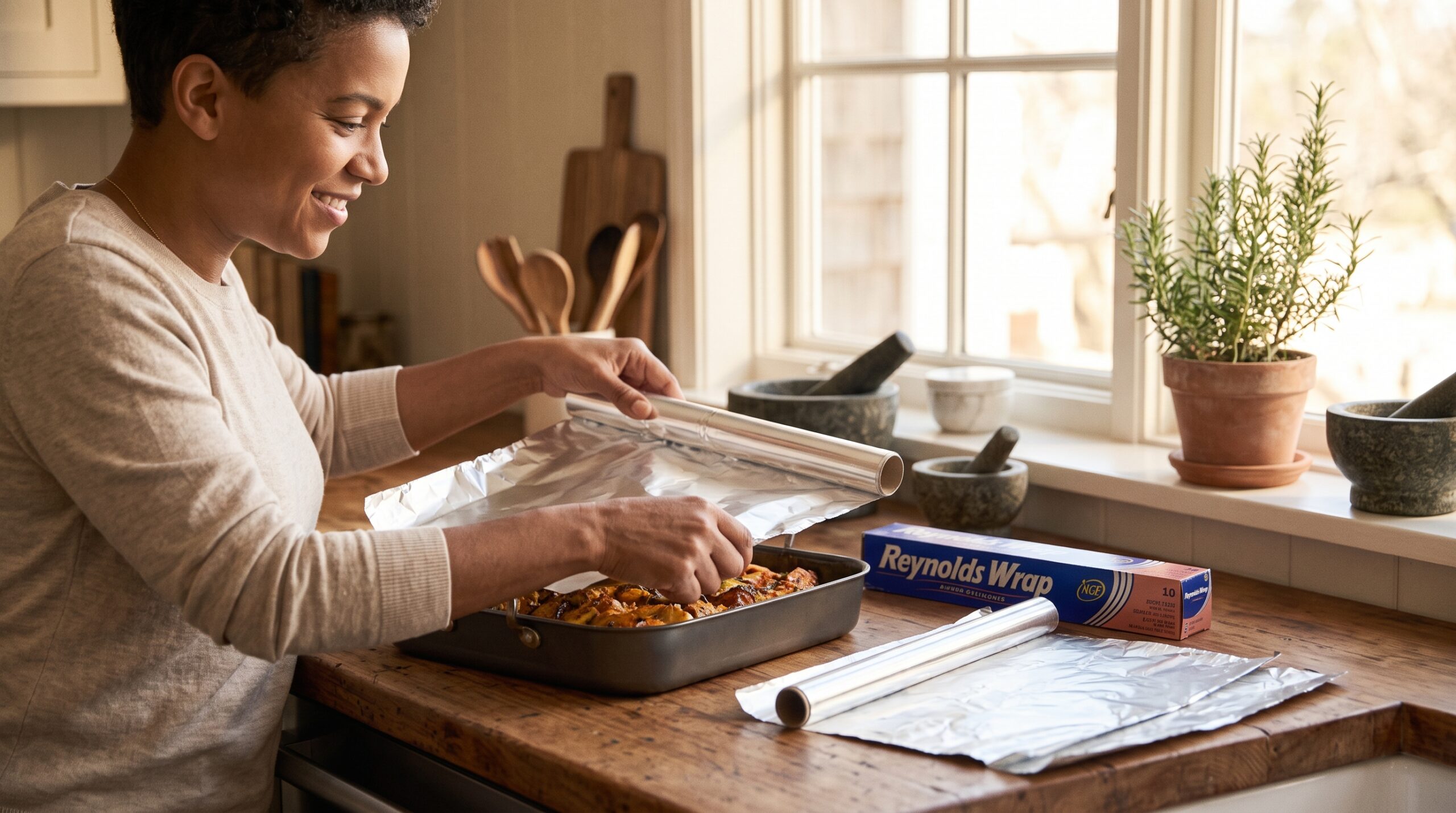
After decades of kitchen folklore, the science is clear and consistent across manufacturers and food experts alike. The shiny and dull sides of standard aluminum foil are simply a byproduct of the rolling process, with no real difference in performance for cooking, freezing, or storing food. The only exception worth remembering is non-stick foil, where the coated side should always face your food. Beyond that, feel free to grab your foil without a second thought about which side is up. Sometimes the most useful kitchen knowledge is simply knowing which myths are safe to let go of.