When the Weather Turns Bad, This Is One Car Feature You Should Turn Off
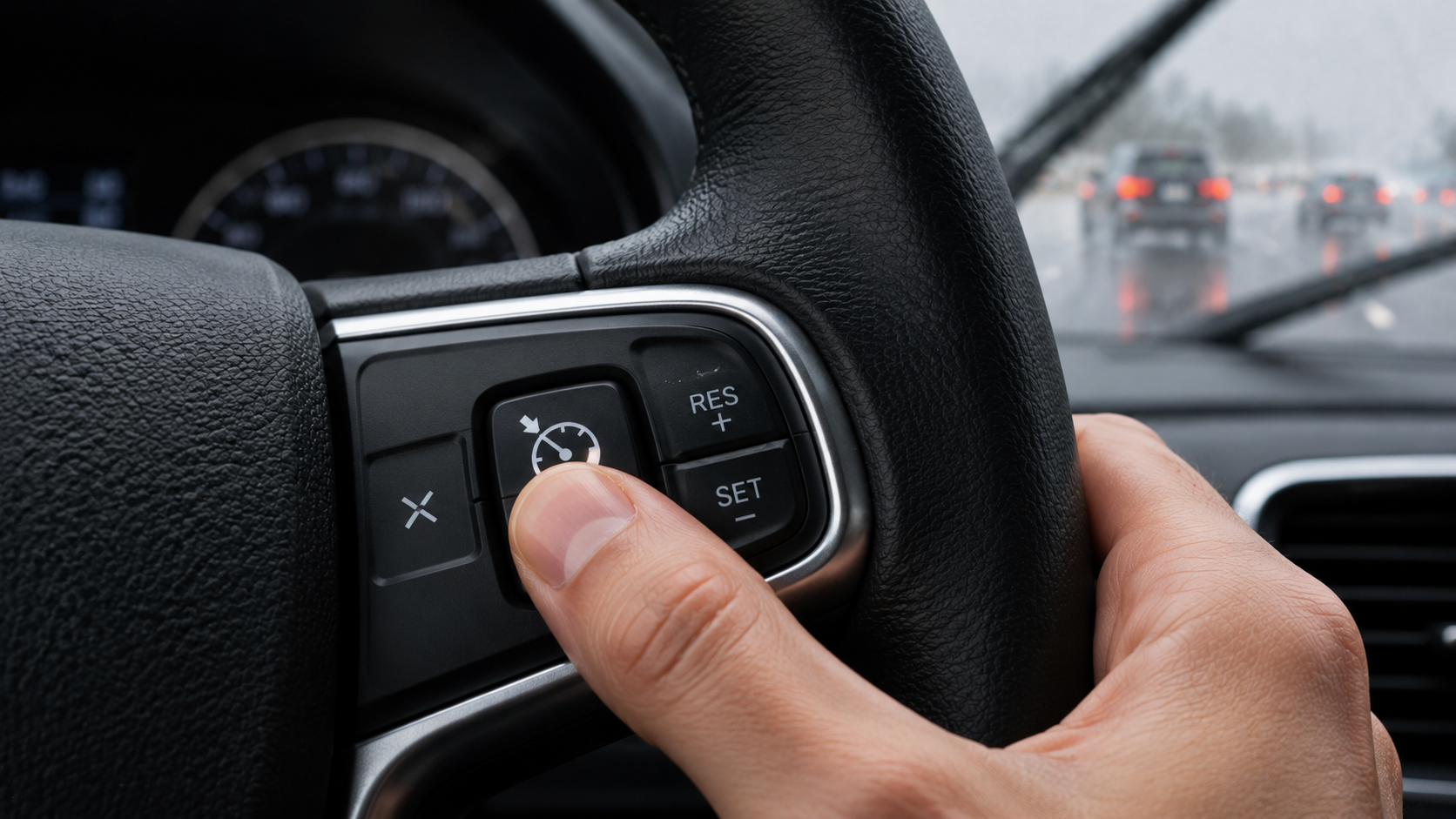

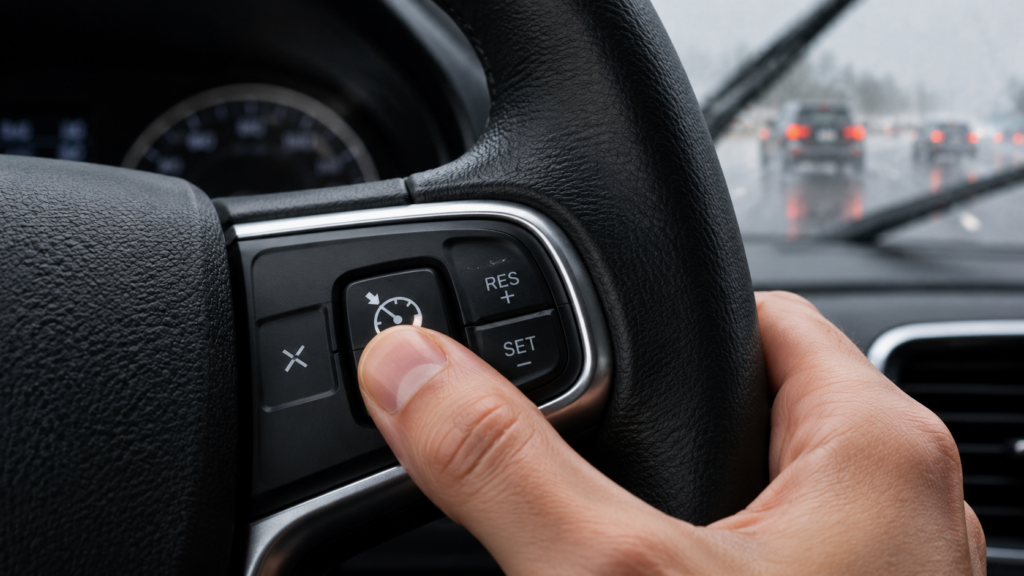
Rain starts pounding the windshield, so you slow down. But did you remember to turn off cruise control? It is an easy detail to overlook, especially if you use the feature almost automatically on long drives. Cruise control is great at holding a steady speed when the highway is clear. Once rain, snow, ice or thick fog rolls in, however, that convenience can work against what you need most: direct control over how your car responds.
This article was created with the assistance of AI and reviewed by our editorial team for accuracy and clarity.
Cruise Control Is Great Until The Road Stops Cooperating
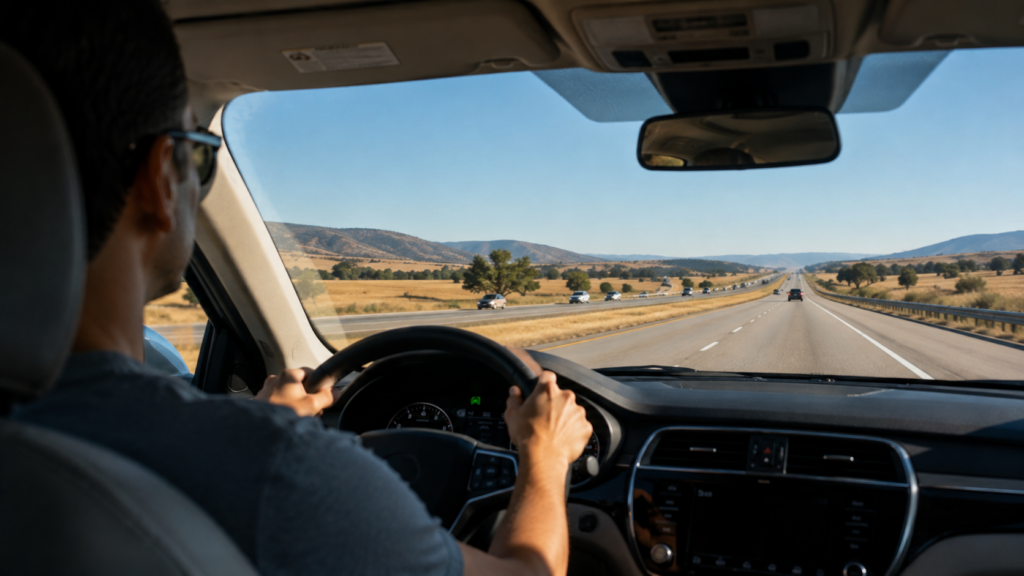
There is a reason drivers love cruise control. Set your speed on an open highway and your right foot finally gets a break. It can keep your pace consistent and may help with fuel efficiency and accidental speeding. Some drivers practically live by it. “I use cruise control at every opportunity,” one Reddit user wrote. Another said they use adaptive cruise whenever they expect to stay on the same road for more than five minutes. The trouble starts when conditions stop being predictable.
Rain Changes What You Need From The Car
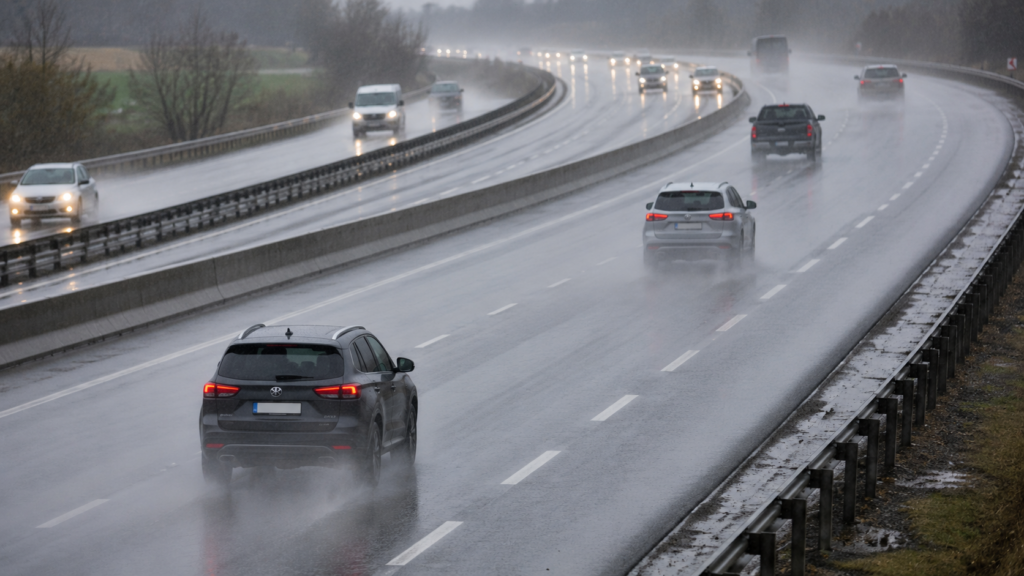
On a dry highway, holding one speed can be exactly what you want. On a wet one, your priorities change. Drivers should slow down, leave more room behind other vehicles and avoid abrupt acceleration or braking. Cruise control, meanwhile, is still trying to maintain the speed you selected. Unwanted acceleration could contribute to hydroplaning or sliding, although experts consider that scenario unlikely. The bigger point is simpler: when grip becomes unpredictable, you want your foot making the decisions.
The First Few Minutes Of Rain Can Be Sneakily Slippery
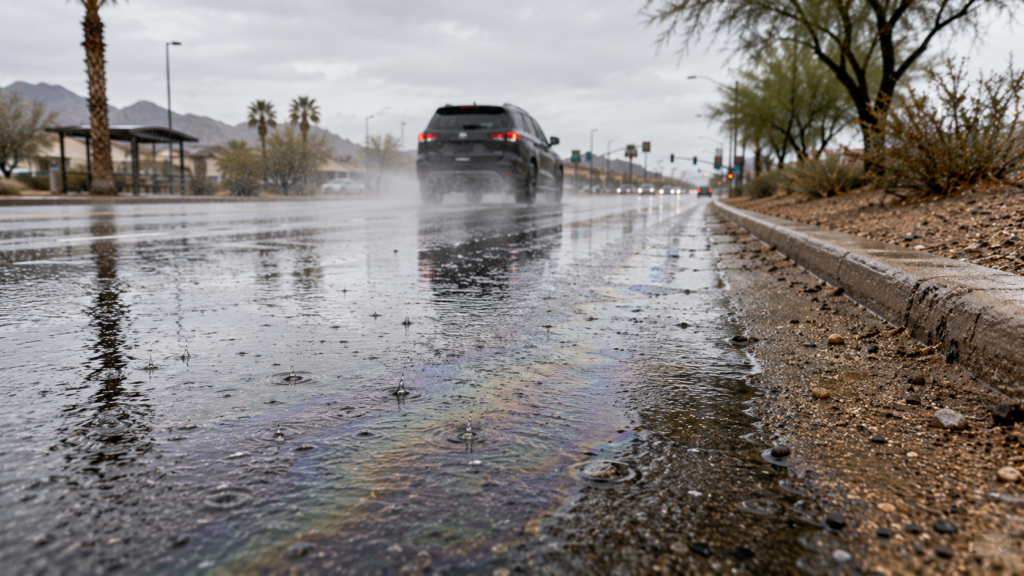
Here is something drivers in dry climates may recognize: sometimes the road feels slickest just after rain begins. Reddit commenters pointed out that oil, dirt and other residue can accumulate during dry stretches. When the first rain arrives, water meets that buildup before continued rainfall can wash some of it away. One former Washington resident who later lived in desert areas said they “nearly died in Phoenix” after encountering just how slick roads could become following a long dry spell.
Hydroplaning Is When Things Get Scary Fast
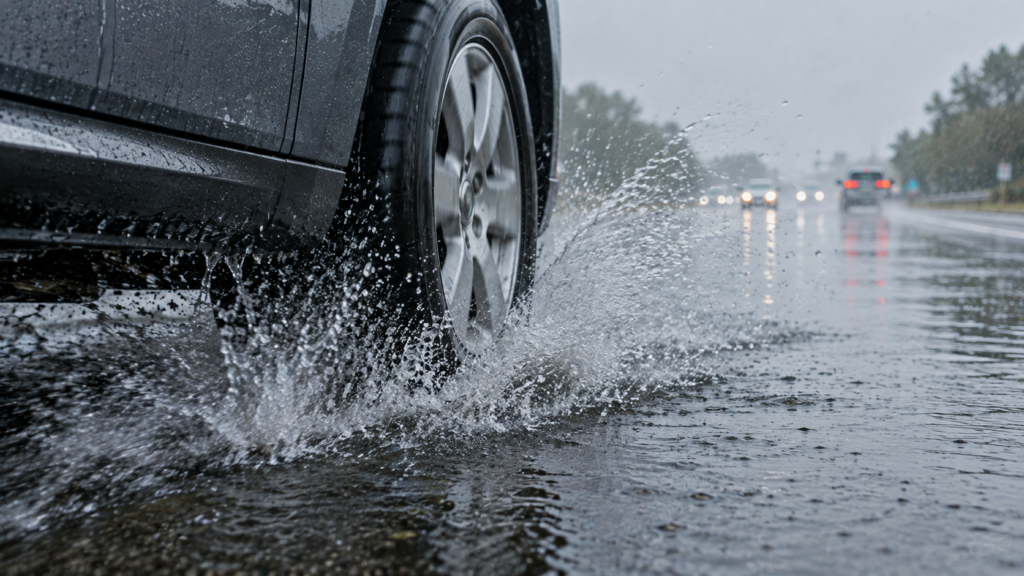
Hit enough standing water and your tires can lose effective contact with the road. Suddenly, steering and braking may not feel the way they did seconds earlier. That is exactly the sort of moment when you do not want a system focused on maintaining a preset speed. Cruise control could potentially accelerate while a vehicle is sliding or hydroplaning, though experts say this is unlikely. Turning it off beforehand is about removing one more variable when traction gets questionable.
Ice Can Turn Normal Driving Into A Helpless Feeling

Anyone who has unexpectedly hit ice knows how quickly confidence disappears. One Reddit driver described braking on a snowy highway and feeling the car simply continue forward. Another remembered trying to turn onto a street during their first experience driving on ice and instead continuing straight. “It’s like nothing else you experience in the car,” they wrote. Cruise control cannot create traction where none exists. Snow, slush and black ice are clear signs to leave the feature off.
But My Car Has Adaptive Cruise Control

Fair question. Newer adaptive cruise systems are smarter than the old set-it-and-forget-it versions. They can detect traffic ahead and adjust speed without waiting for you to tap the brake. But “adaptive” does not mean all-weather autopilot. Snow and fog can interfere with the sensors these systems depend on, according to SlashGear. Your car may be good at noticing another vehicle slowing ahead. That does not mean it can judge every slick patch the way an attentive driver should.
Sometimes Traffic Is Enough Reason To Turn It Off
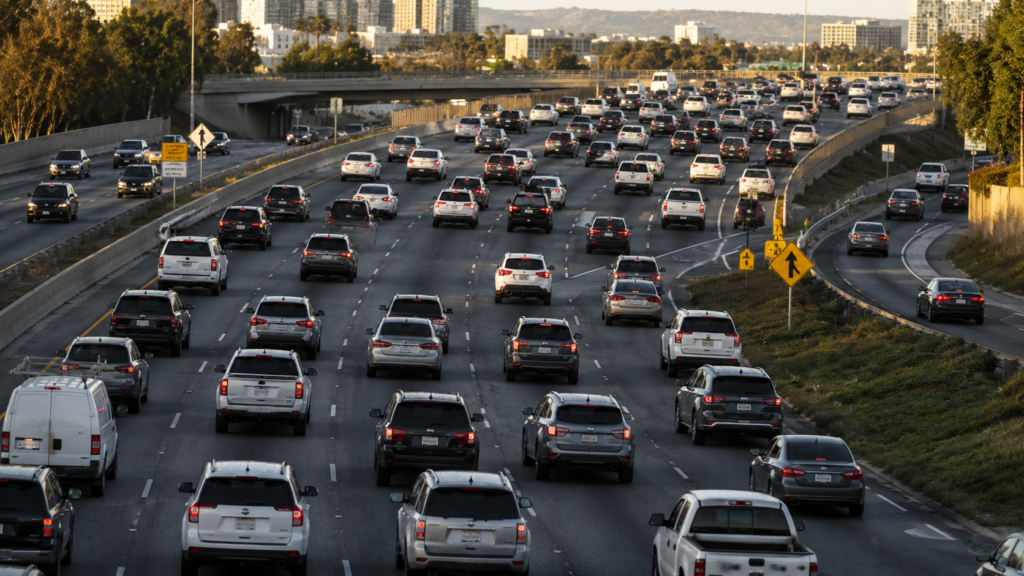
You do not need a thunderstorm to make cruise control more trouble than it is worth. Stop-and-go traffic can do that by itself. One Reddit driver summed up the problem neatly: “There’s too many times I need to adjust my speed on my way to work, I prefer having my foot on the pedal.” Adaptive cruise can handle changing traffic better than traditional systems, but it may still produce a jerky ride as it repeatedly reacts to slowing and accelerating vehicles.
And Please Do Not Use It Because You Are Tired
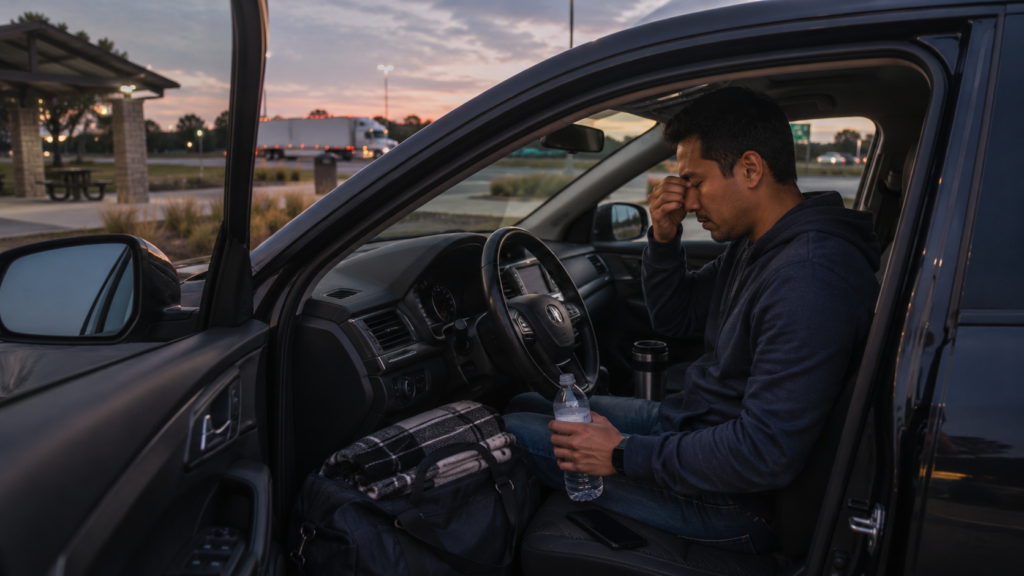
Cruise control gives your foot a rest. It should never become an excuse for your attention to take one, too. The supplied reporting warns against using it when you are sleepy or distracted because the reduced workload can make it easier to become complacent and slower to respond when something suddenly goes wrong. And no, setting cruise control does not create a convenient opportunity to check your phone. You are still driving, even when the car is handling the accelerator.
The Best Cruise Control Feature Is Knowing When To Cancel It
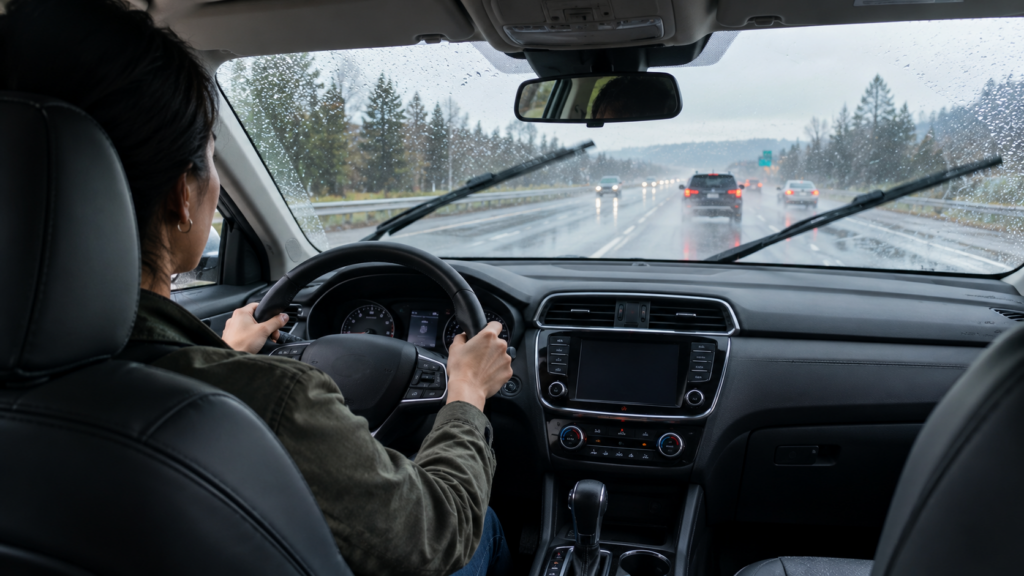
Cruise control is not the villain here. On a clear, open highway, it can make a long drive noticeably more comfortable. The trick is recognizing when conditions have changed enough that convenience should take a back seat. Rain, snow, ice, fog and unpredictable traffic are all good reasons to switch it off and manage your speed yourself. So the next time the weather turns ugly, remember the windshield wipers, slow down, leave more space and give that cruise-control button a break.