That Wheat Penny in Your Change Could Be Worth More Than One Cent
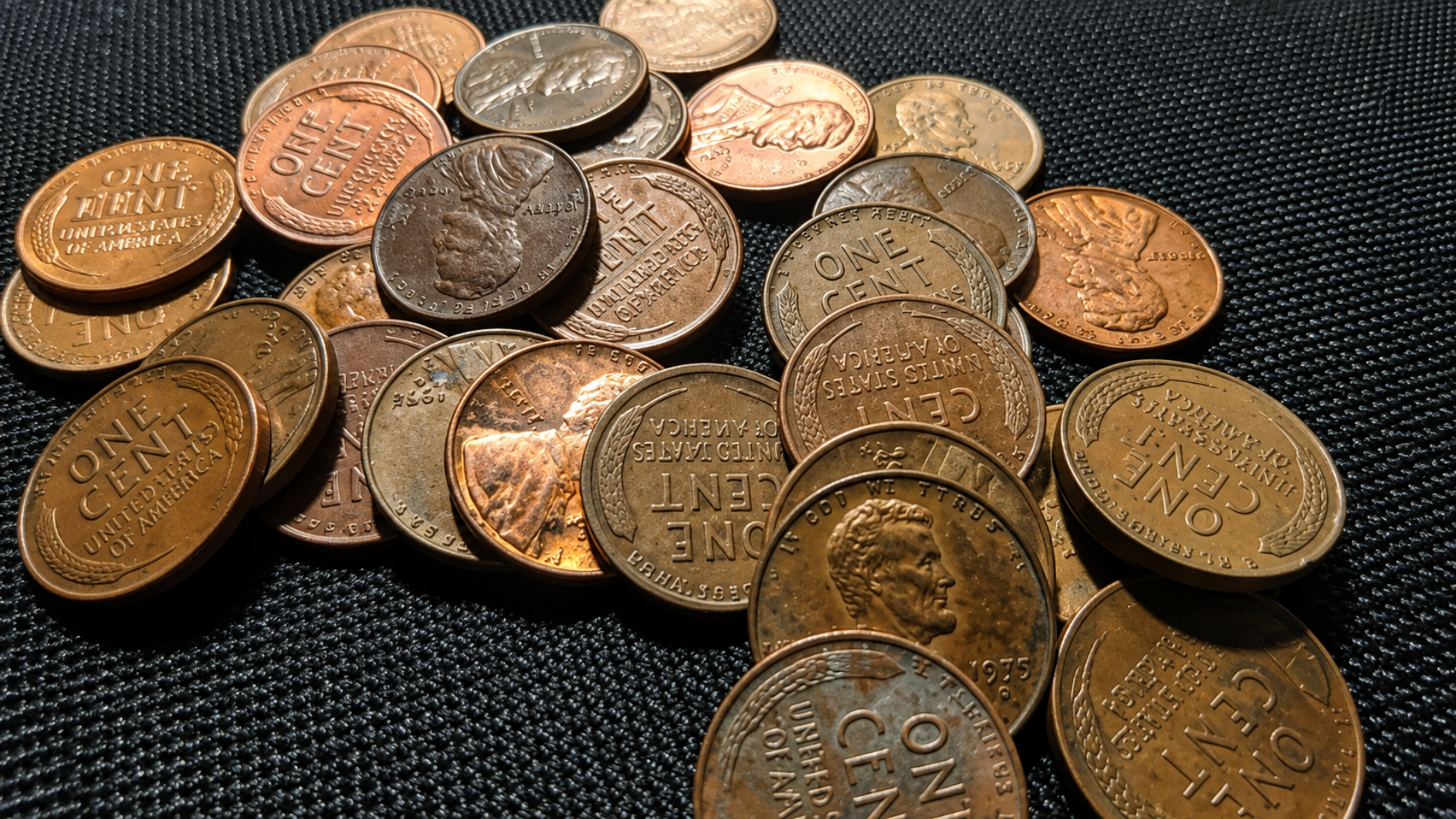

Most people who find an old penny in a coat pocket or a junk drawer don’t think twice before dropping it into a parking meter. For a Lincoln Wheat Penny, that reflex could cost real money. Minted from 1909 to 1958 and instantly recognizable by the two wheat stalks framing “ONE CENT” on the back, this coin has quietly become one of the most valuable pieces of pocket change in America. Spending it without a second look might be one of the costliest accidents a person makes.
A Wartime Mix-Up Turned Into the Rarest Penny Ever Struck
In 1943, the Mint switched penny production to zinc-coated steel to save copper for the war effort. A small number of leftover copper blanks slipped through anyway, creating an error coin now considered one of the most legendary in American numismatics. Only around 40 were ever struck, and just 26 to 27 are confirmed to still exist. One Denver example, the only one of its kind, sold for $840,000 at Heritage Auctions.
The Magnet Test That Could Reveal a Six-Figure Coin
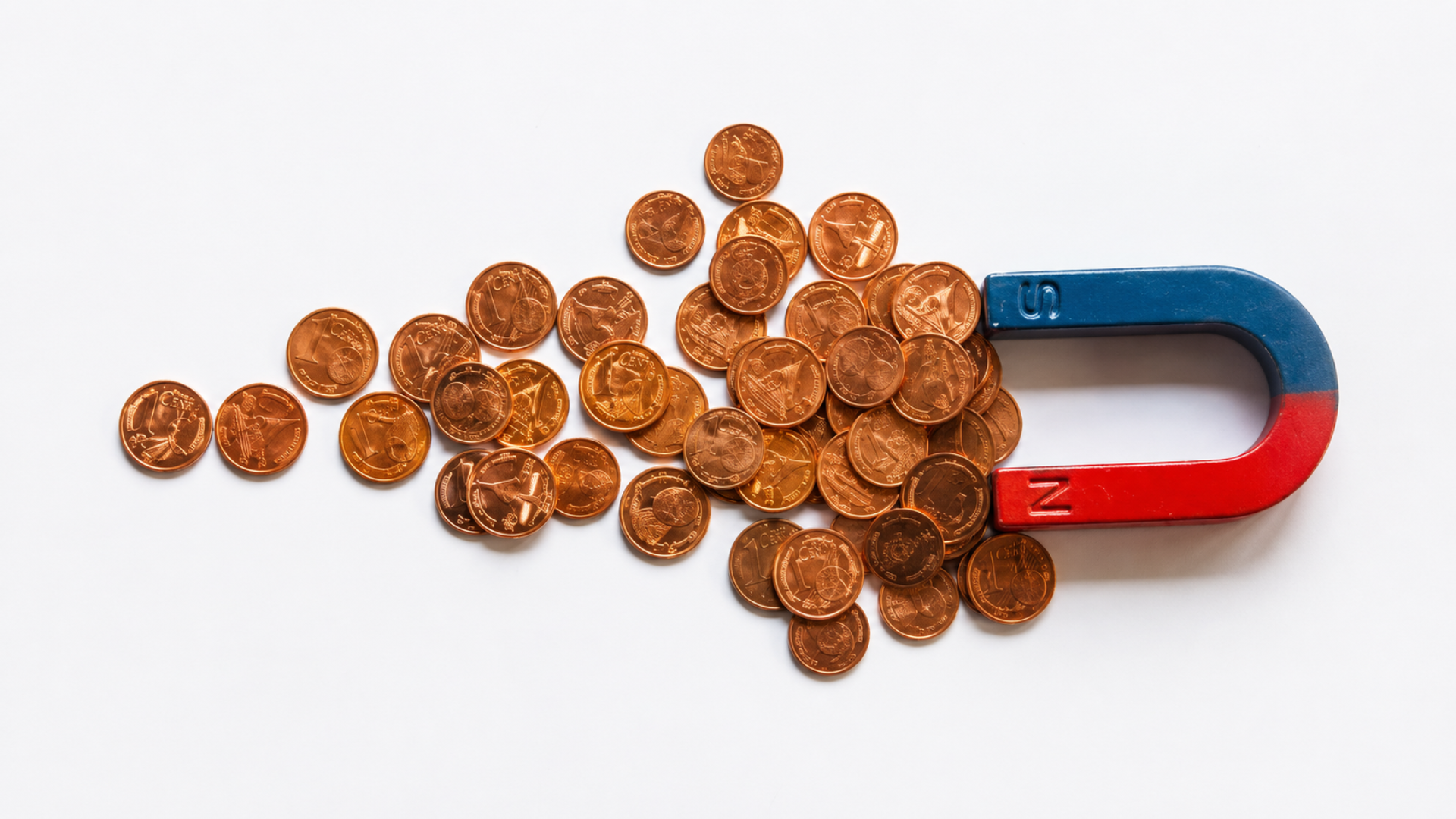
Telling a genuine 1943 copper penny from an ordinary steel one takes seconds. Hold a magnet to the coin: if it sticks, it’s steel, worth face value. If it doesn’t stick, the coin is very likely bronze, and potentially worth six figures or more. Genuine copper 1943 cents also weigh 3.11 grams compared to a steel penny’s lighter 2.7 grams, giving collectors a second way to confirm what they’re holding before getting too excited.
A Removed Signature Made This 1909 Penny a Legend

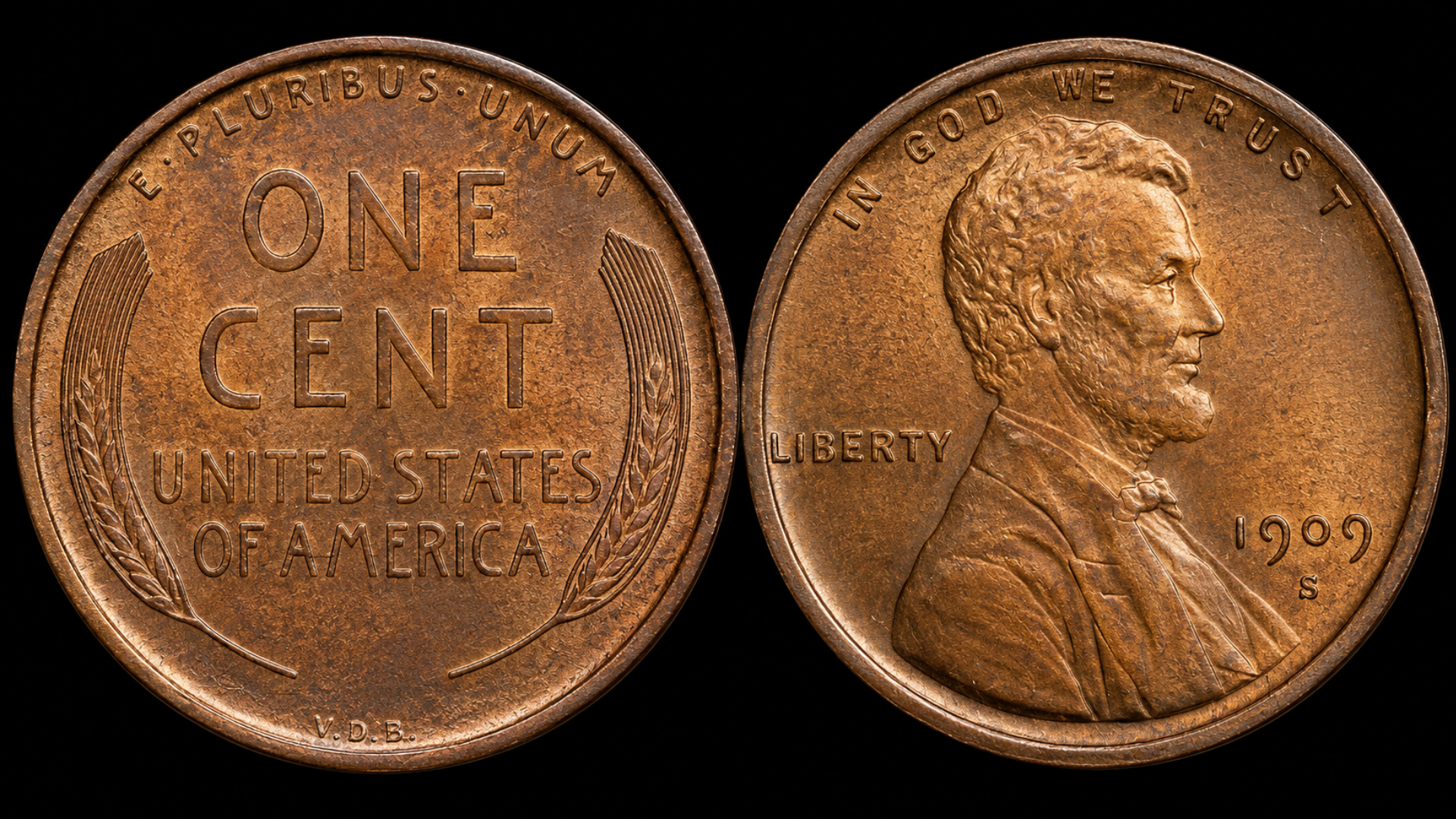
When the Lincoln Wheat Penny debuted in 1909, designer Victor David Brenner’s initials, VDB, appeared prominently on the reverse. Public backlash over the perceived self-promotion forced the Mint to remove them almost immediately, but not before San Francisco struck 484,000 coins with the initials intact. That tiny mintage turned the 1909-S VDB into the most famous key date in the entire series, with a top graded example selling for $168,000 at auction in 2022.
One Missing Letter Separates a Common Penny From a $159,000 One
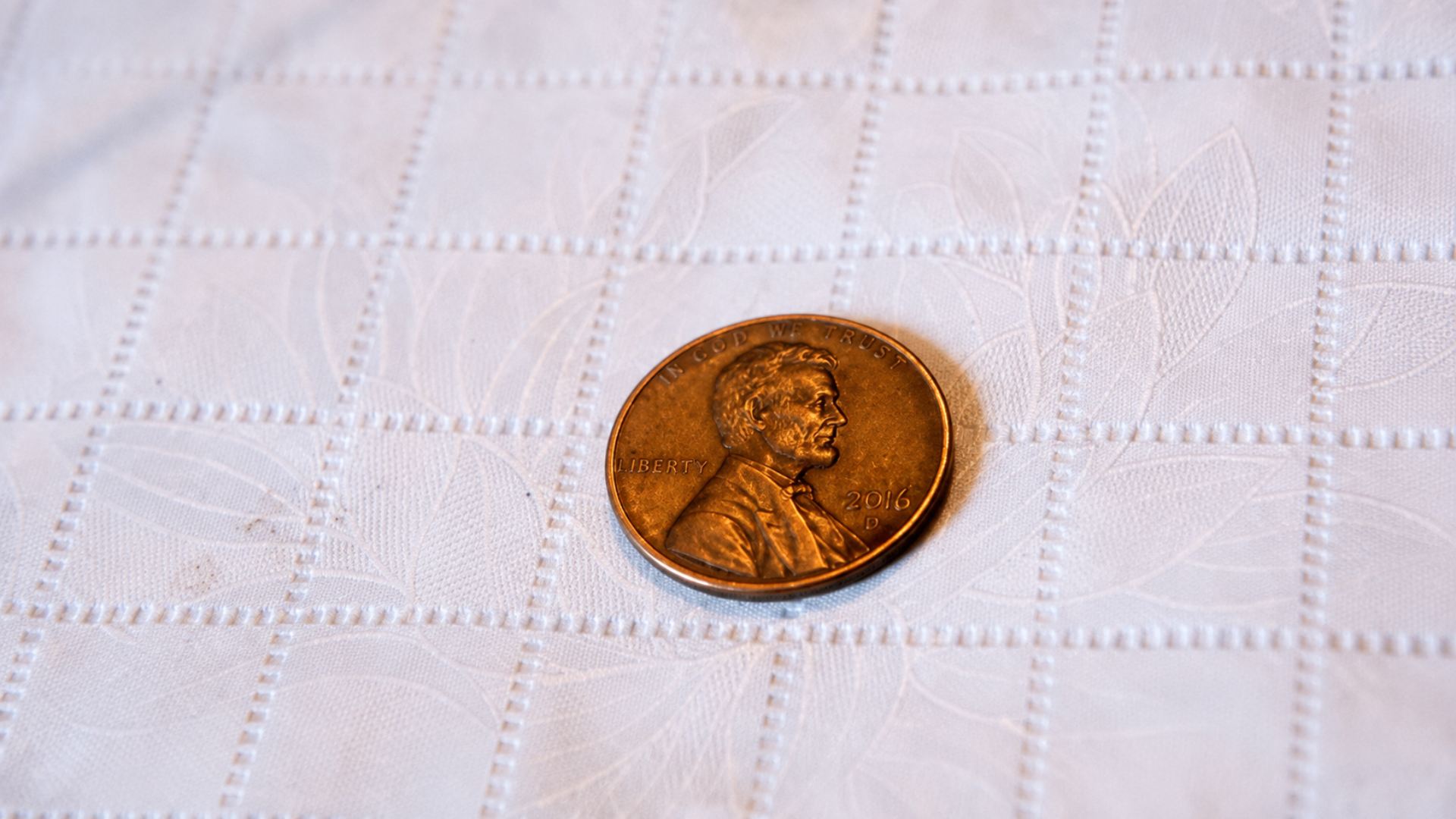
The 1914-D looks like an ordinary Lincoln cent at first glance, and that’s exactly the trap. Philadelphia struck more than 70 million pennies that year, while Denver’s mint mark run totaled only about 1.2 million, invisible unless someone checks for a tiny “D” beneath the date. That scarcity has driven the coin’s top auction price from roughly $50,000 a decade ago to $159,000 by 2023, a climb collectors don’t expect to slow down.
A Doubling Error Recently Became the First Lincoln Cent to Cross $1 Million

The 1955 Doubled Die is famous because its flaw doesn’t require a magnifying glass. Letters in “LIBERTY” and the date show unmistakable doubling visible to the naked eye, and even worn examples fetch four-figure sums. Its far rarer cousin, the 1958 Doubled Die Obverse, exists in only three known specimens. The finest of them sold at auction in January 2023 for $1.136 million, making it the first Lincoln cent in history to top seven figures.
The Same Year and Mint Can Still Mean Wildly Different Values
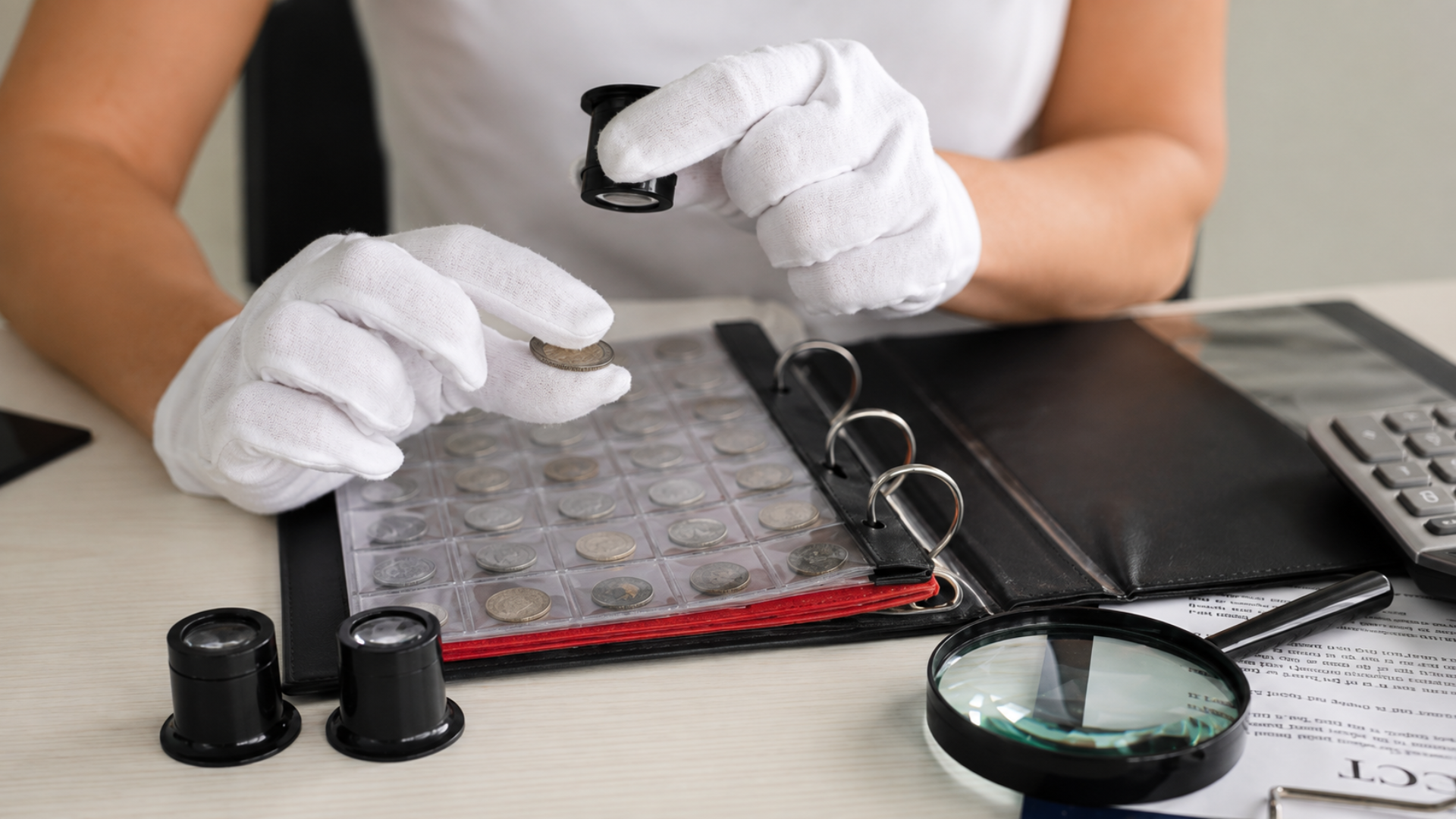
Two wheat pennies struck in the exact same year, at the exact same mint, can be worth dramatically different amounts depending purely on preservation. Grading services use color designations, Red, Red-Brown, and Brown, to track how much original mint luster survives, and a full Red coin in top condition can sell for five to ten times more than a Brown example holding the same grade otherwise.
Cleaning a Dirty Old Penny Can Destroy Its Value Instantly

The instinct to make a grimy old coin shine again feels natural, but in the collector world it’s one of the fastest ways to torch its worth. Abrasive cleaning leaves microscopic hairlines that professional graders flag as “Details,” a label that can slash resale value by thirty to seventy percent on the spot. The original surface, however dull or dark it looks, is part of what serious buyers are actually paying for.
A Small Letter Under the Date Can Mean the Difference Between Cents and Thousands
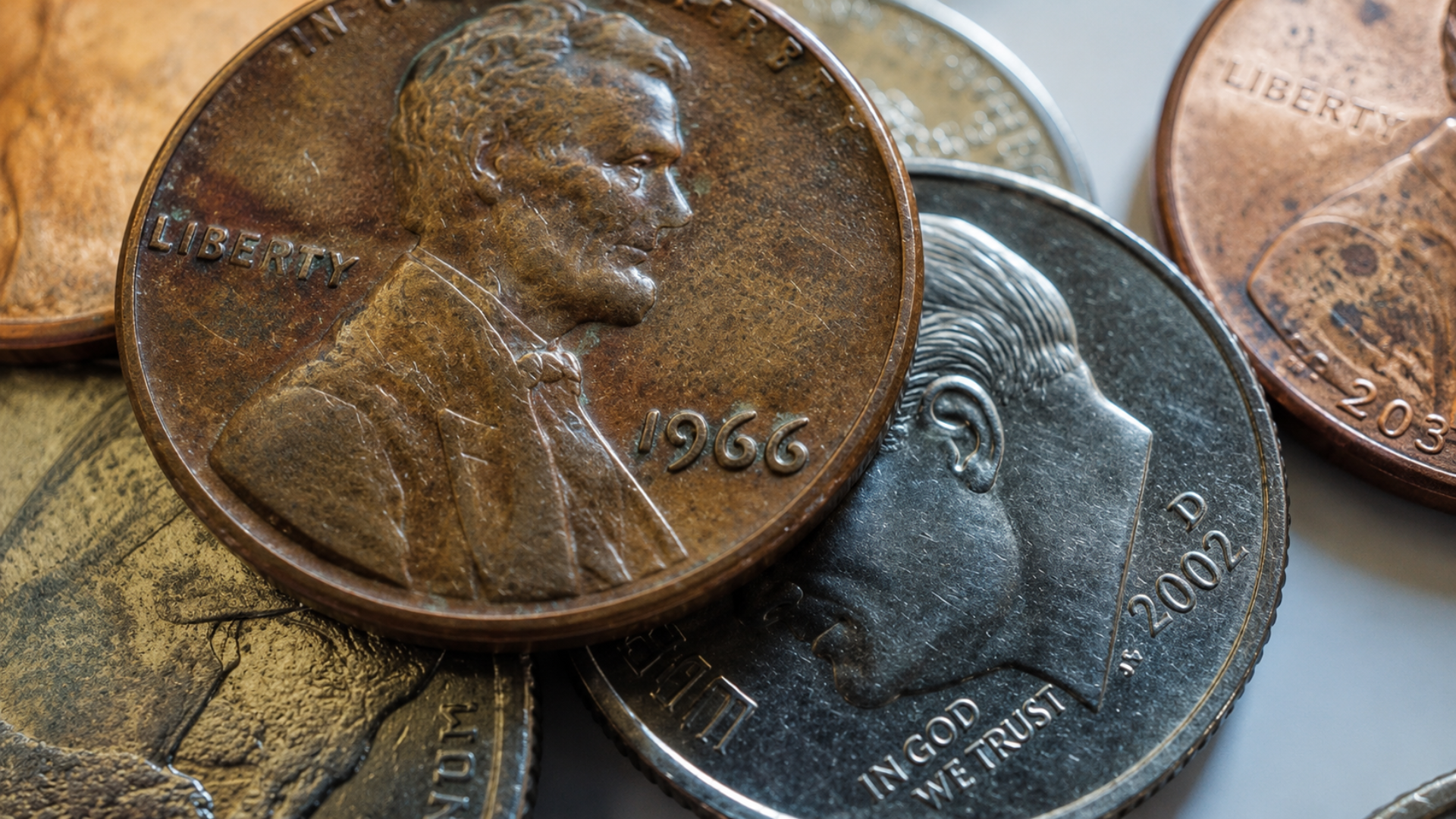
Checking a wheat penny’s mint mark takes seconds and can completely change its story. A “D” means Denver, an “S” means San Francisco, and no mark at all means Philadelphia. Getting a promising coin professionally graded by NGC or PCGS removes the guesswork entirely, and certified key dates posted an average 6.8% year-over-year price increase in major auction sales through early 2025.
The Penny’s Discontinuation Is Making Every Wheat Cent More Valuable
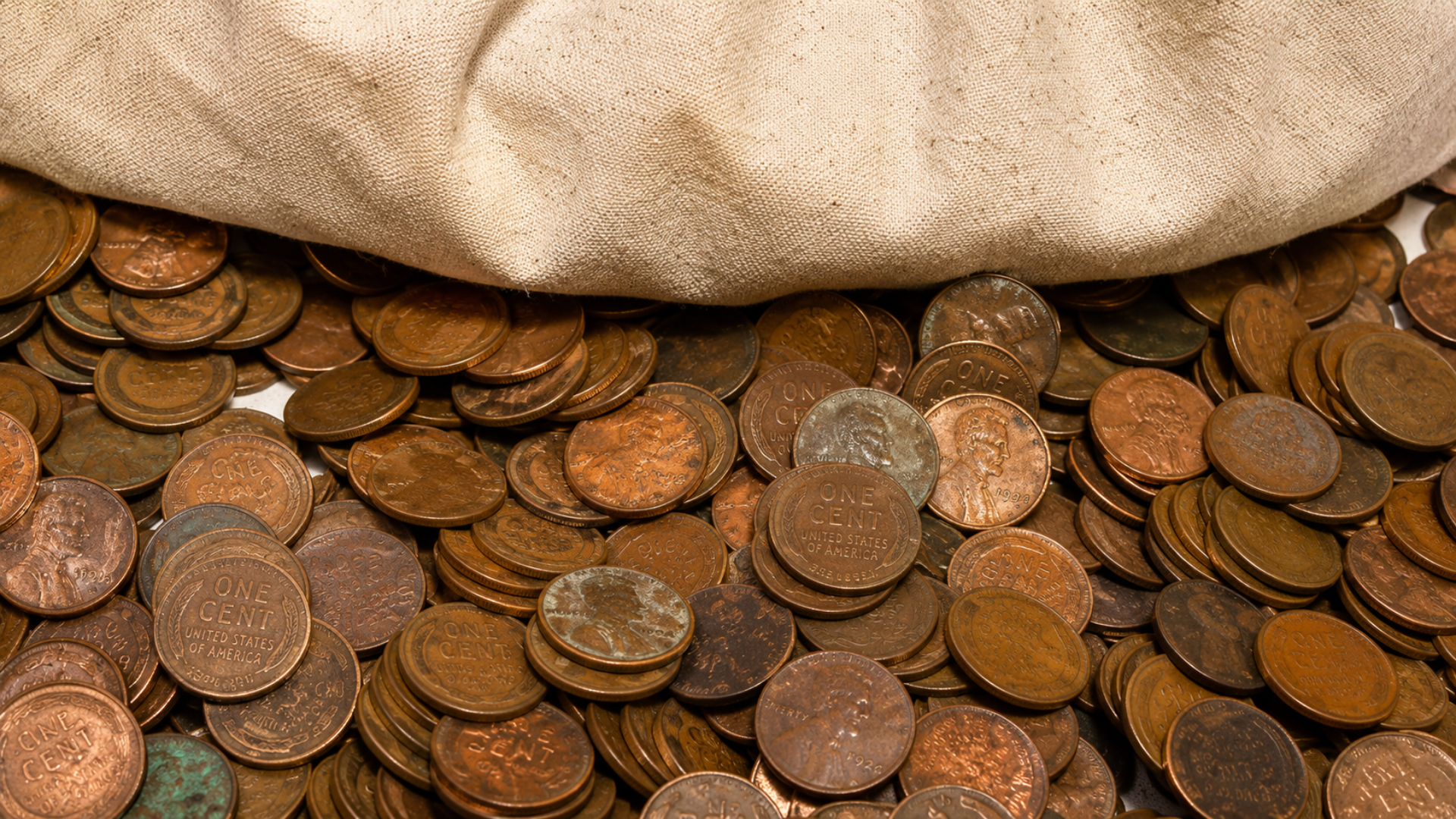
In February 2025, the Trump administration ordered an end to new penny production, and the U.S. Mint struck its final circulating cent on November 12, 2025, in Philadelphia, closing out 232 years of continuous minting. With no new pennies ever entering circulation again, collector interest in the entire Lincoln cent family is only expected to deepen. That old coin sitting in a jar or drawer isn’t just history anymore. It’s a shrinking asset.