WhatsApp Is Introducing Usernames so You Can Chat Without Sharing Your Phone Number


WhatsApp users will have a new way to connect without giving out their personal phone numbers. The messaging platform is rolling out usernames, a feature designed to improve privacy while making it easier to start conversations. Although phone numbers will still be required to create an account, users will soon be able to chat simply by exchanging unique usernames.
WhatsApp Introduces a New Way to Connect
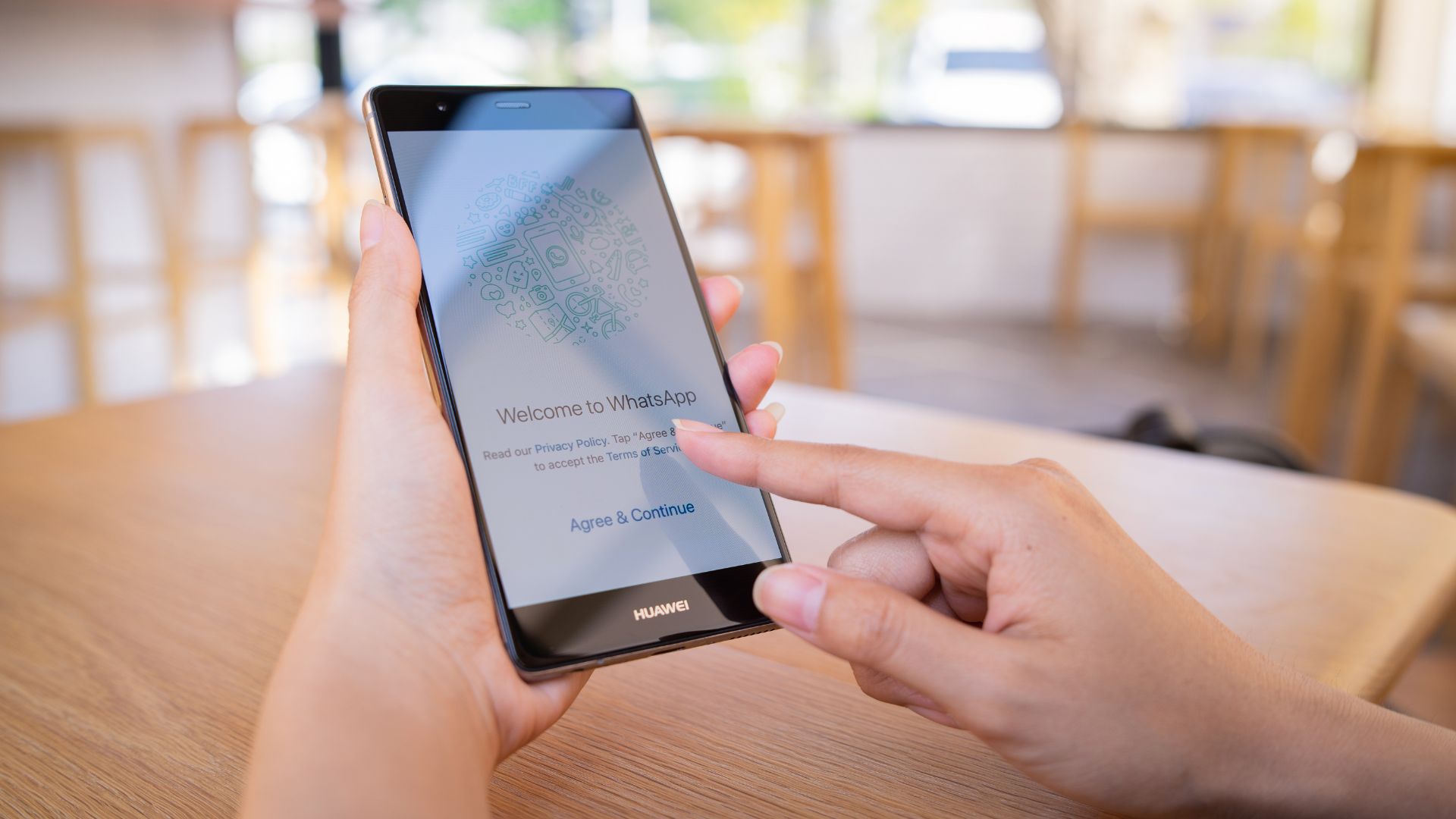
WhatsApp is launching usernames for its more than three billion users worldwide, allowing people to communicate without sharing their phone numbers. The rollout will happen gradually over the coming months, and using a username will be optional. Users will also be free to change or remove their chosen name whenever they wish.
How Usernames Will Work
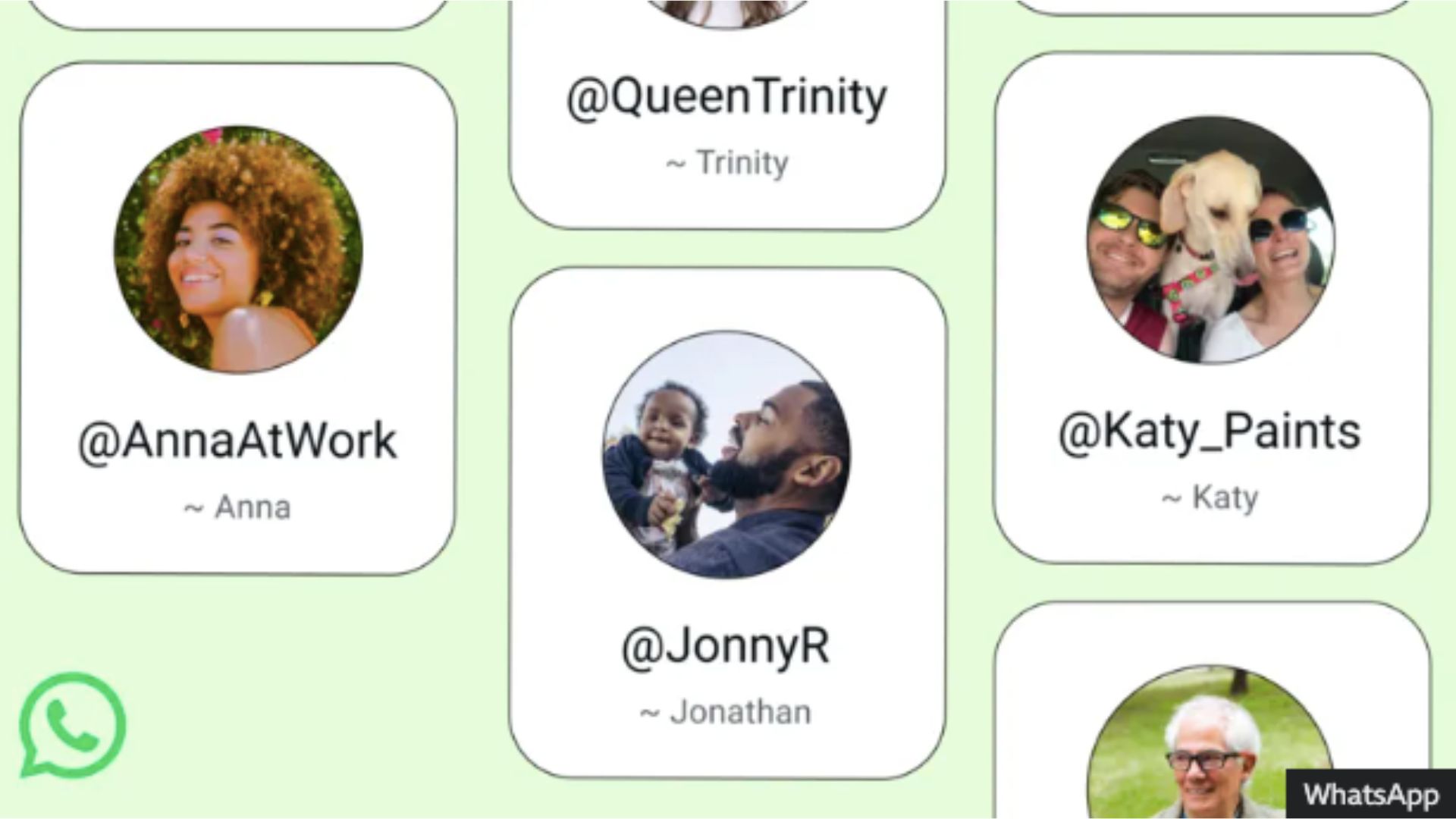
Once the feature becomes available, people will be able to find and message one another using usernames instead of phone numbers. Existing safety features, including blocking and reporting unwanted contacts, will continue to work as they do today. The goal is to provide another layer of privacy without changing the overall messaging experience.
Rules for Choosing a Username

Each username can contain up to 35 characters and must be unique. While most names will be available, WhatsApp plans to reserve certain names linked to well-known public figures and celebrities to reduce impersonation. This means users will not be able to claim protected high-profile identities.
Why WhatsApp Is Adding This Feature

According to WhatsApp, the new system responds to feedback from people who wanted a safer way to stay in touch, especially in group conversations where sharing a phone number may not feel comfortable. The company says usernames are intended to give users more control over how they present themselves while using the app.
How to Reserve Your Username
The option to reserve a username will appear inside the account or profile settings as the feature reaches individual users. WhatsApp is enabling access in stages, so not everyone will receive it at the same time. Reservations can only be completed through the mobile app, not through WhatsApp Web or the desktop application.
Connecting Usernames Across Meta Apps

Creators, businesses, and organizations will have the option to claim the same username they already use on Instagram or Facebook. Other users who want matching usernames across Meta services will need to connect their accounts through the Accounts Center. Doing so allows certain account information to be shared across Meta platforms such as Messenger and Threads.
Why Some Users Cannot See the Feature Yet
Many people have noticed that the username option has not appeared in their app yet. WhatsApp says this is expected because the rollout is gradual. Users are encouraged to update to the latest version of the app and wait until the feature becomes available on their account.
Privacy Benefits and Ongoing Concerns

Privacy experts acknowledge that hiding phone numbers can help reduce the amount of personal information shared with strangers. However, some also point out that WhatsApp is owned by Meta, a company that has faced criticism over its data collection practices. While message content remains protected by end-to-end encryption, Meta still collects certain account information and usage data to support its advertising business.
Scam Protection and Security Measures

Some users have questioned whether usernames could make it easier for scammers to contact people. WhatsApp says it has built multiple safeguards into the system, including technology that detects abusive behavior. Users will also be able to enable optional username keys, short numeric codes that require someone to have both the username and the matching key before making contact.
What Changes and What Stays the Same
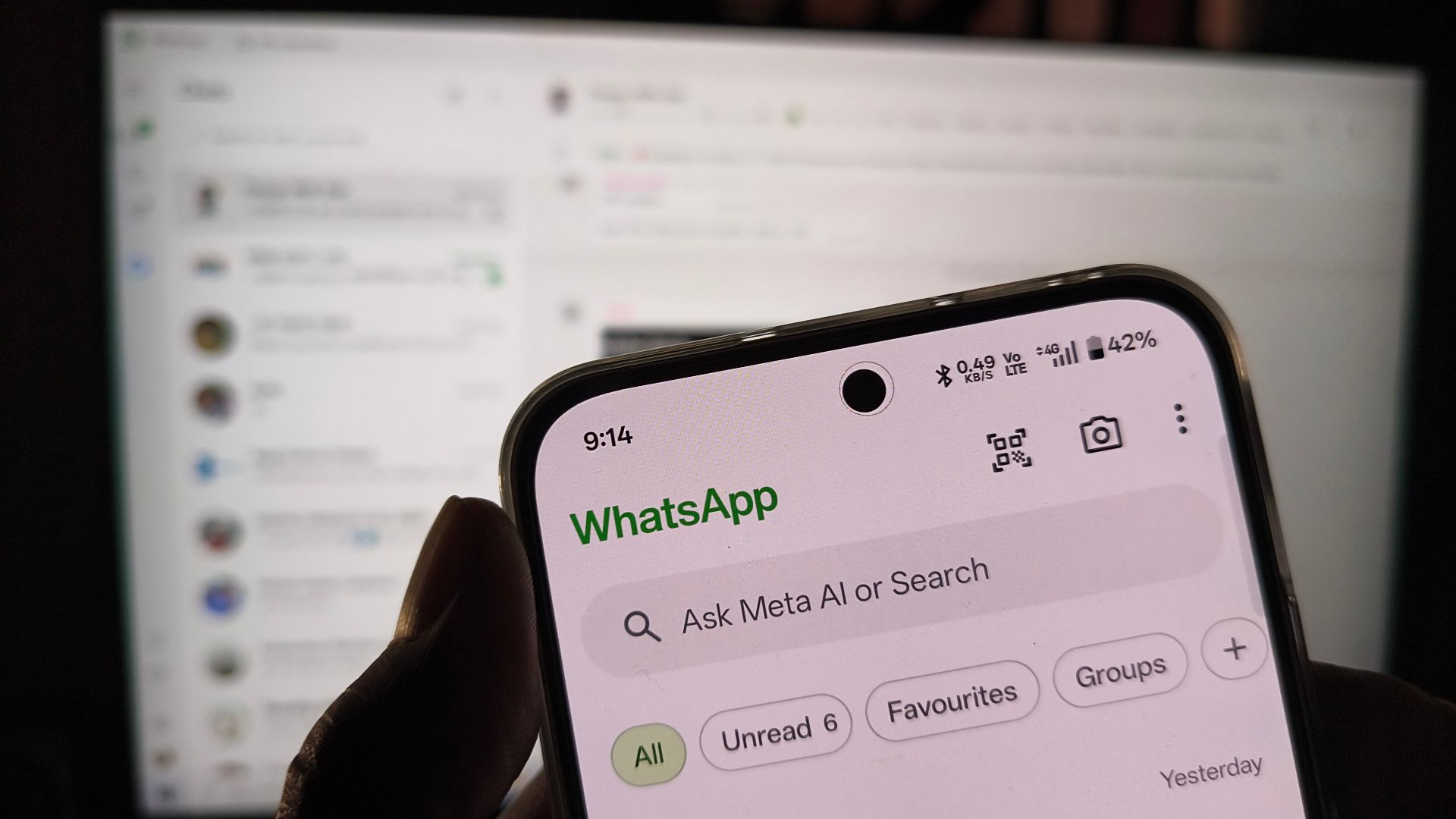
Even after usernames become widely available, phone numbers will still be required to register a WhatsApp account. The platform also says there will not be a public directory where usernames can be searched. The update is designed to give users greater privacy while preserving the security features and account structure that already exist on the messaging service.