What Would Really Happen if Yellowstone’s Supervolcano Erupted?
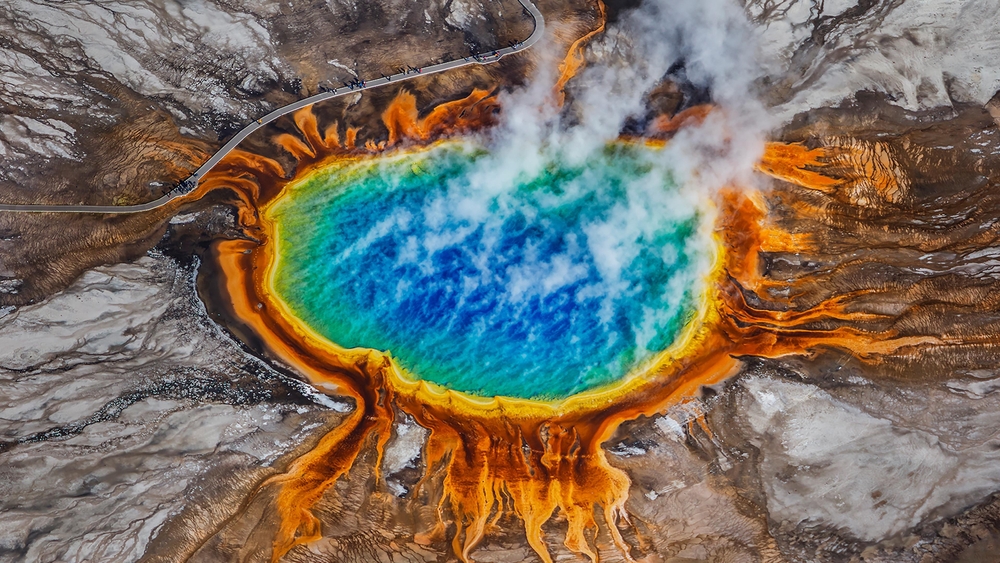

Few geological features have captured the public’s imagination like Yellowstone’s supervolcano. Movies and television have portrayed it as a ticking time bomb capable of destroying civilization overnight, leading many people to wonder whether such a catastrophe could really happen. Scientists say a Yellowstone supereruption would indeed be one of the most powerful natural events Earth can produce, but the reality is more complex than many fictional portrayals suggest.
This article was created with the assistance of AI and reviewed by our editorial team for accuracy and clarity.
Yellowstone Is More Than Just a National Park
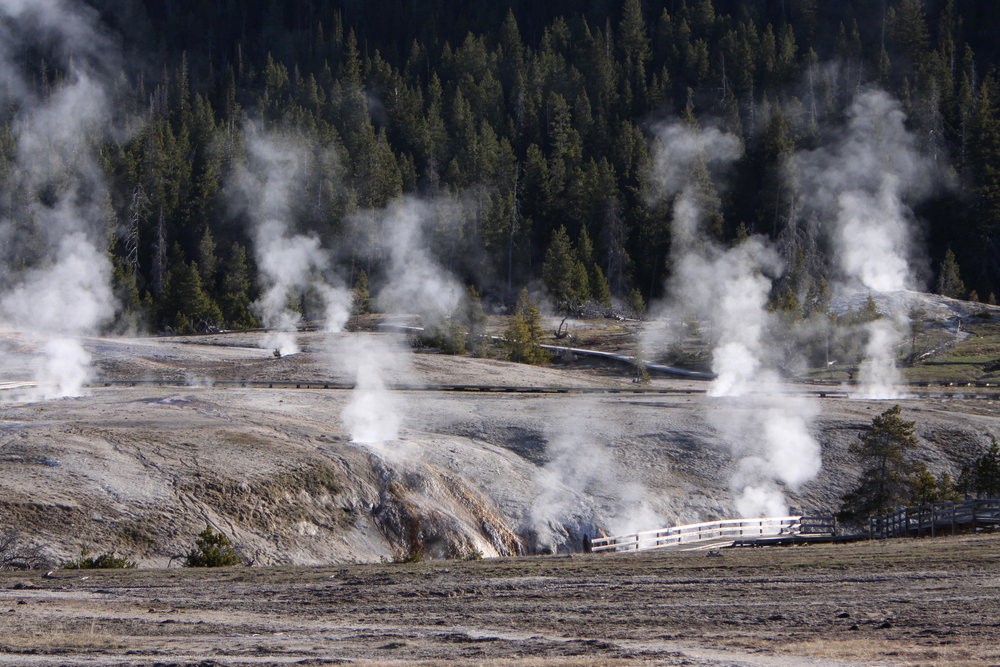
Beneath Yellowstone National Park lies a vast volcanic system that has shaped the region for millions of years. The park’s famous geysers, hot springs, mud pots, and steam vents all exist because heat from magma continues to rise beneath the surface. Yellowstone has experienced three supereruptions over the past 2.1 million years, with the most recent occurring about 631,000 years ago and creating the enormous caldera that exists today.
A Supereruption Is Not the Most Likely Scenario
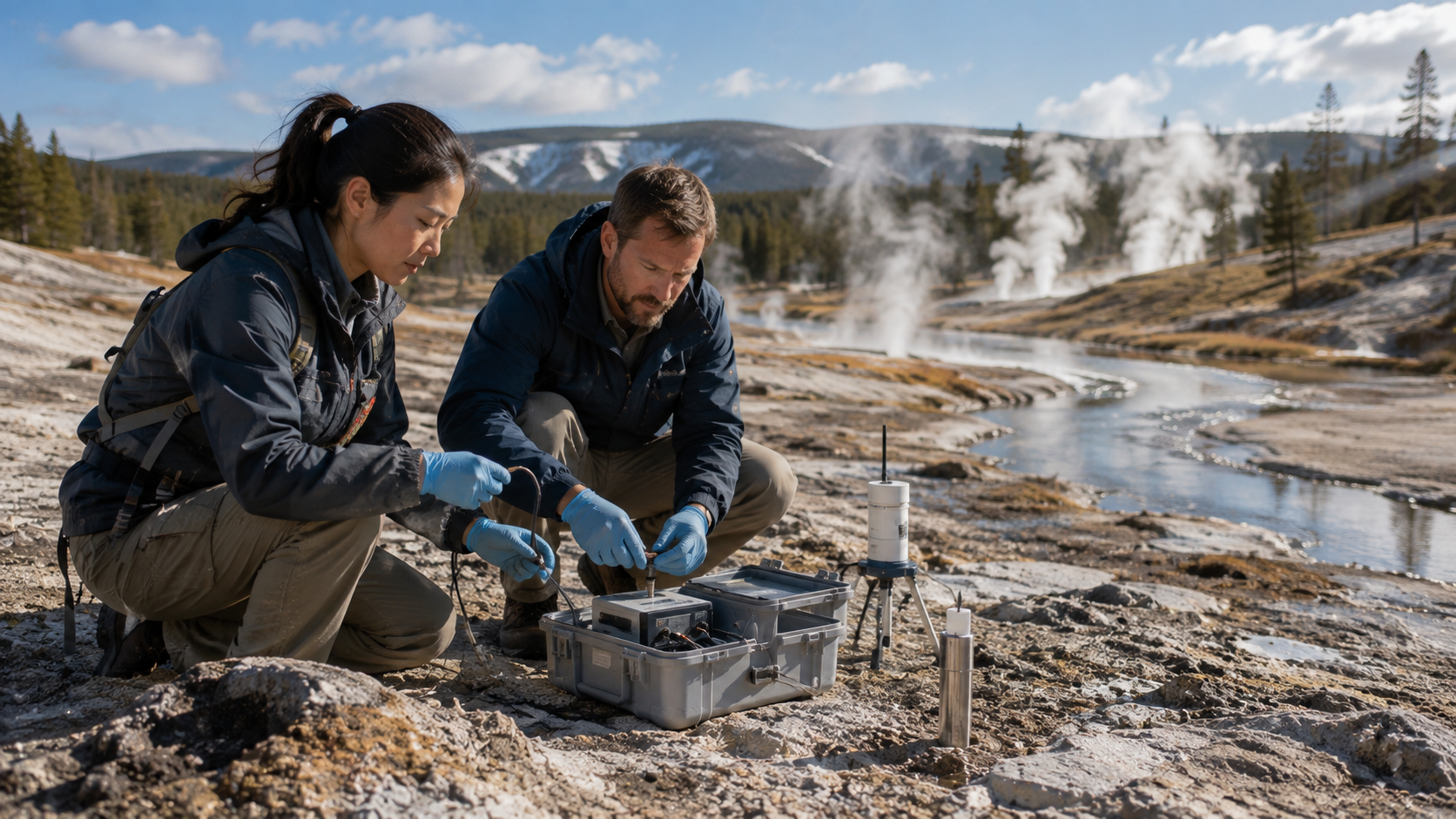
One of the biggest misconceptions is that Yellowstone’s next eruption would automatically be another supereruption. According to the U.S. Geological Survey, the volcanic system has produced many smaller lava flows and hydrothermal explosions since its last massive eruption, and scientists consider those types of events far more likely than another supereruption. There is also no evidence that Yellowstone is building toward a catastrophic eruption in the foreseeable future.
The Greatest Danger Would Be Near the Volcano
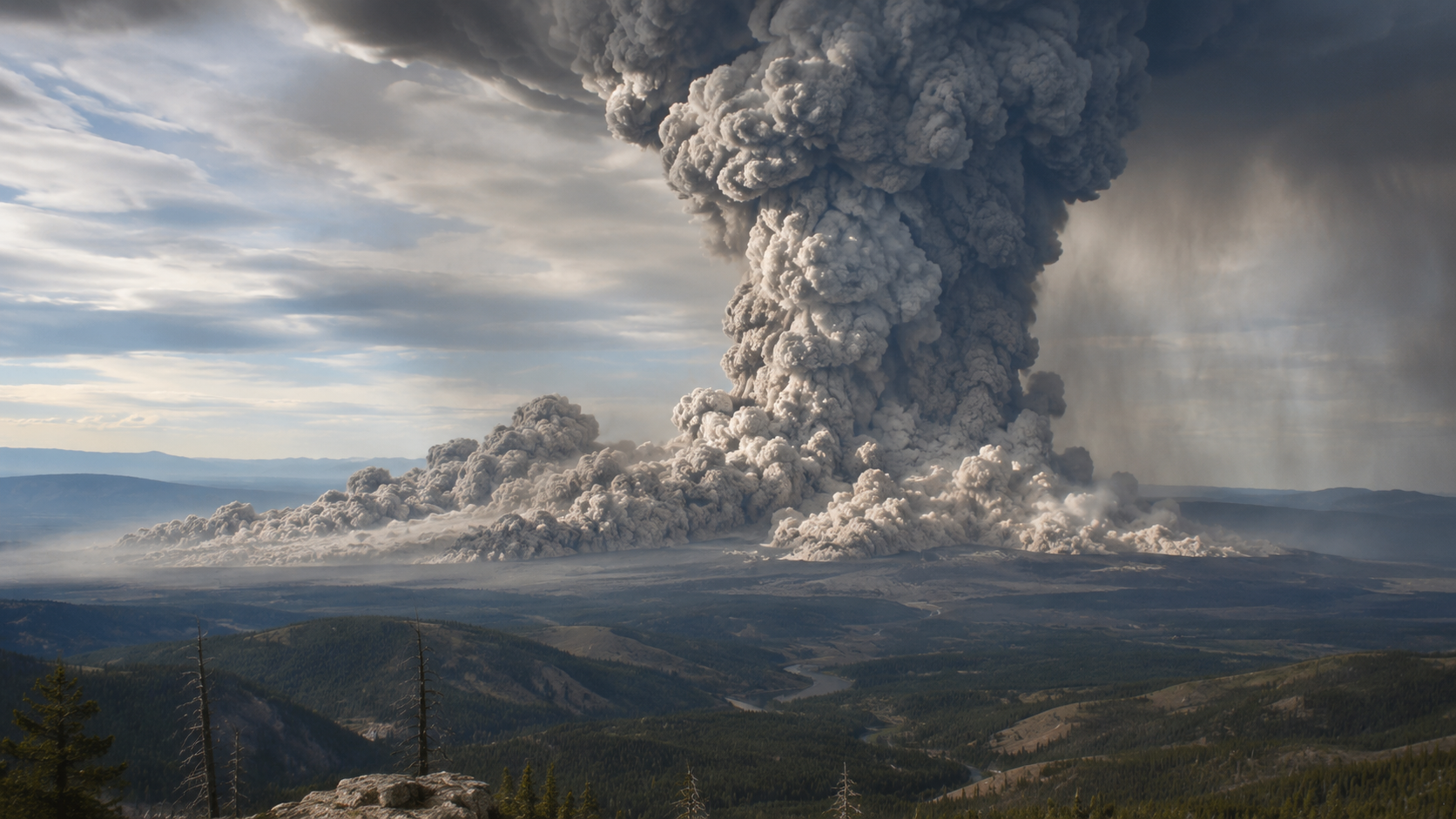
If Yellowstone did experience a supereruption, the areas closest to the volcano would face the most devastating consequences. Massive pyroclastic flows, extreme heat, and enormous volumes of volcanic material would make much of the surrounding region uninhabitable. Entire landscapes could be buried beneath volcanic deposits, and nearby communities would have little chance of escaping the immediate effects of such a large eruption.
Volcanic Ash Would Spread Across Much of the Country
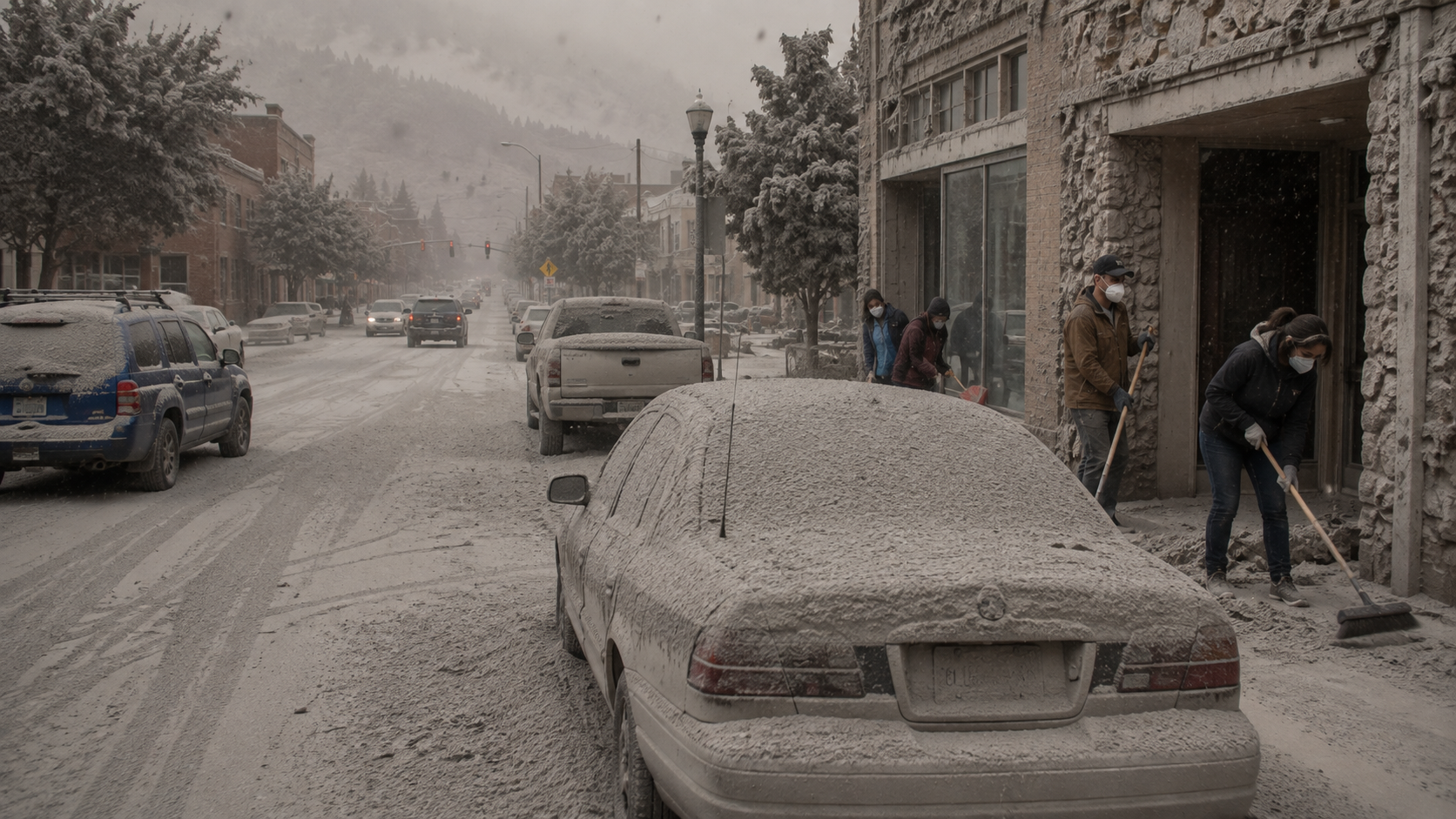
The effects would not stop at Yellowstone’s borders. Powerful eruptions can send volcanic ash high into the atmosphere, where winds carry it hundreds or even thousands of miles. Areas closest to Yellowstone could receive heavy ashfall capable of collapsing roofs, contaminating water supplies, damaging crops, and disrupting transportation, while lighter ash could spread across much of North America depending on weather conditions.
Global Temperatures Could Temporarily Fall
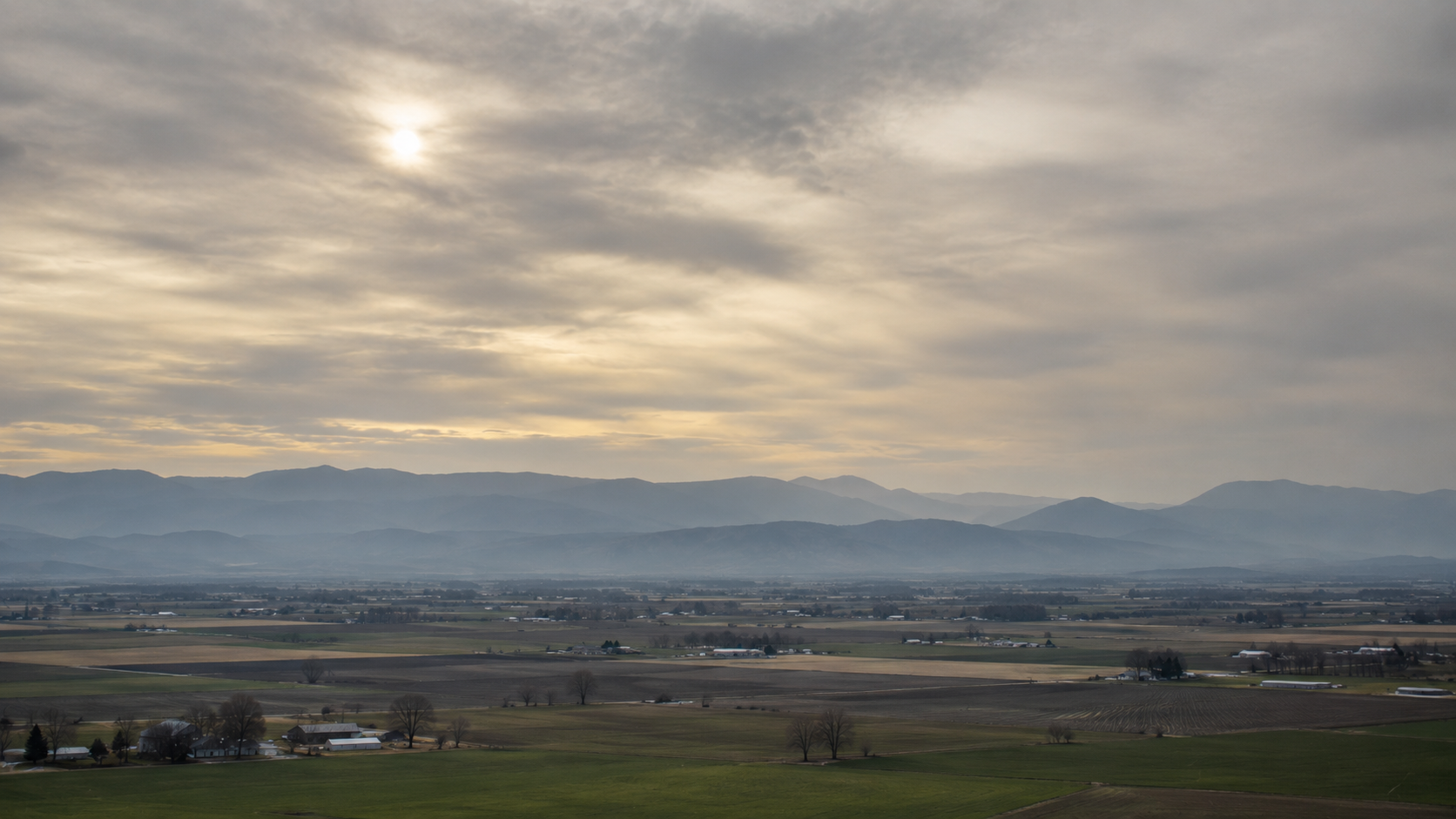
One of the eruption’s biggest worldwide effects would come from gases rather than lava. Large volcanic eruptions release sulfur dioxide into the stratosphere, where it forms tiny particles that reflect some of the Sun’s energy back into space. According to the MIT Climate Portal, this process can cool global temperatures for several years, but scientists say the effect would be temporary and would not permanently alter Earth’s climate or reverse long-term human-caused warming.
It Would Not Mean the End of Humanity
Because Yellowstone is often described as a supervolcano, many people assume an eruption would wipe out life on Earth. Scientists say there is no evidence to support that claim. While a supereruption would be an extraordinary global disaster with severe environmental, economic, and humanitarian consequences, it would not destroy the planet or make human survival impossible. The greatest impacts would vary depending on distance from the eruption and the scale of the event.
Scientists Watch Yellowstone Around the Clock
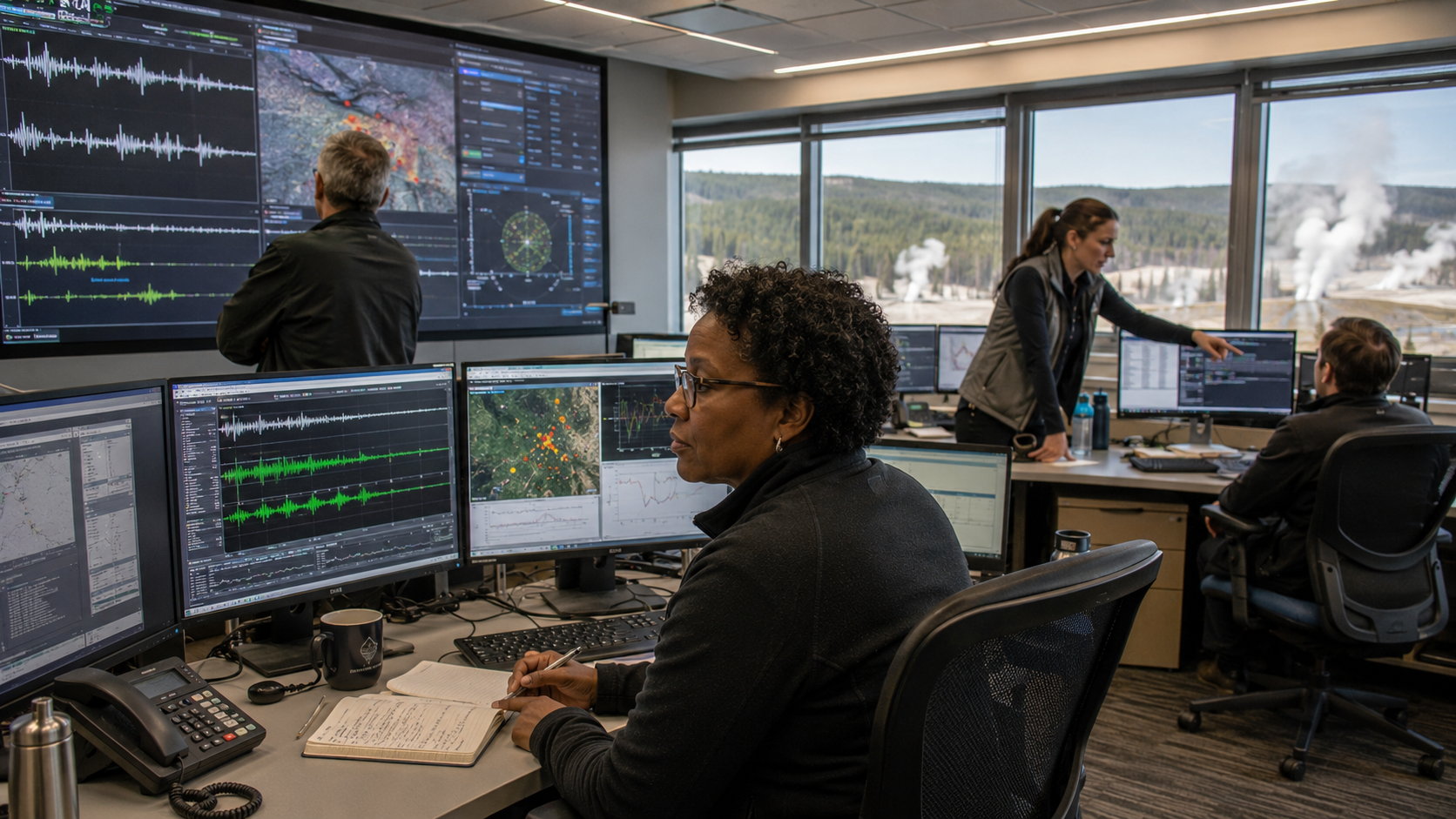
Yellowstone is one of the world’s most closely monitored volcanic systems. The Yellowstone Volcano Observatory continuously tracks earthquakes, ground movement, volcanic gases, and changes in underground activity using a network of scientific instruments. These observations help researchers understand how the volcanic system behaves and provide early warning if unusual activity begins to develop.
There Is No Sign an Eruption Is Imminent
Despite periodic headlines and online speculation, scientists emphasize that Yellowstone is not showing signs of an impending supereruption. Small earthquakes, gradual ground uplift, and geothermal changes are all normal parts of how the volcanic system functions and do not necessarily indicate that magma is rising toward the surface. The USGS says there is currently no evidence suggesting a catastrophic eruption is approaching.
Understanding the Science Matters More Than Fearing the Unknown
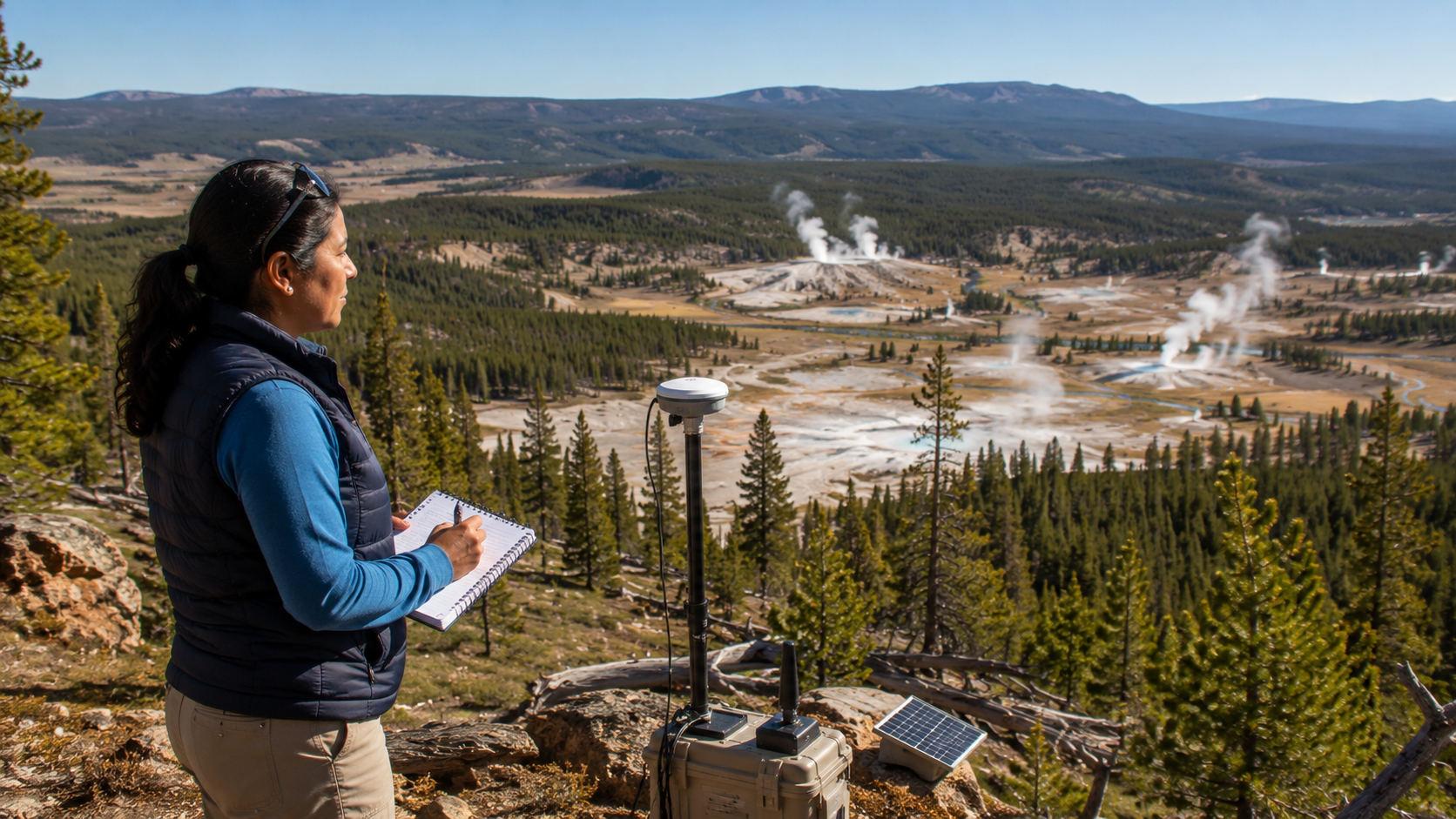
Yellowstone’s supervolcano remains one of Earth’s most fascinating geological systems because it offers scientists a rare opportunity to study how massive volcanic systems evolve over time. While the possibility of a future eruption cannot be ruled out, current research shows there is no reason for public alarm. Rather than focusing on worst-case scenarios, experts say the better approach is to understand what the science actually shows, how Yellowstone is monitored, and why evidence, rather than speculation, should guide our understanding of one of the world’s most famous volcanoes.