What Sleeping With a Fan On Really Does to Your Body
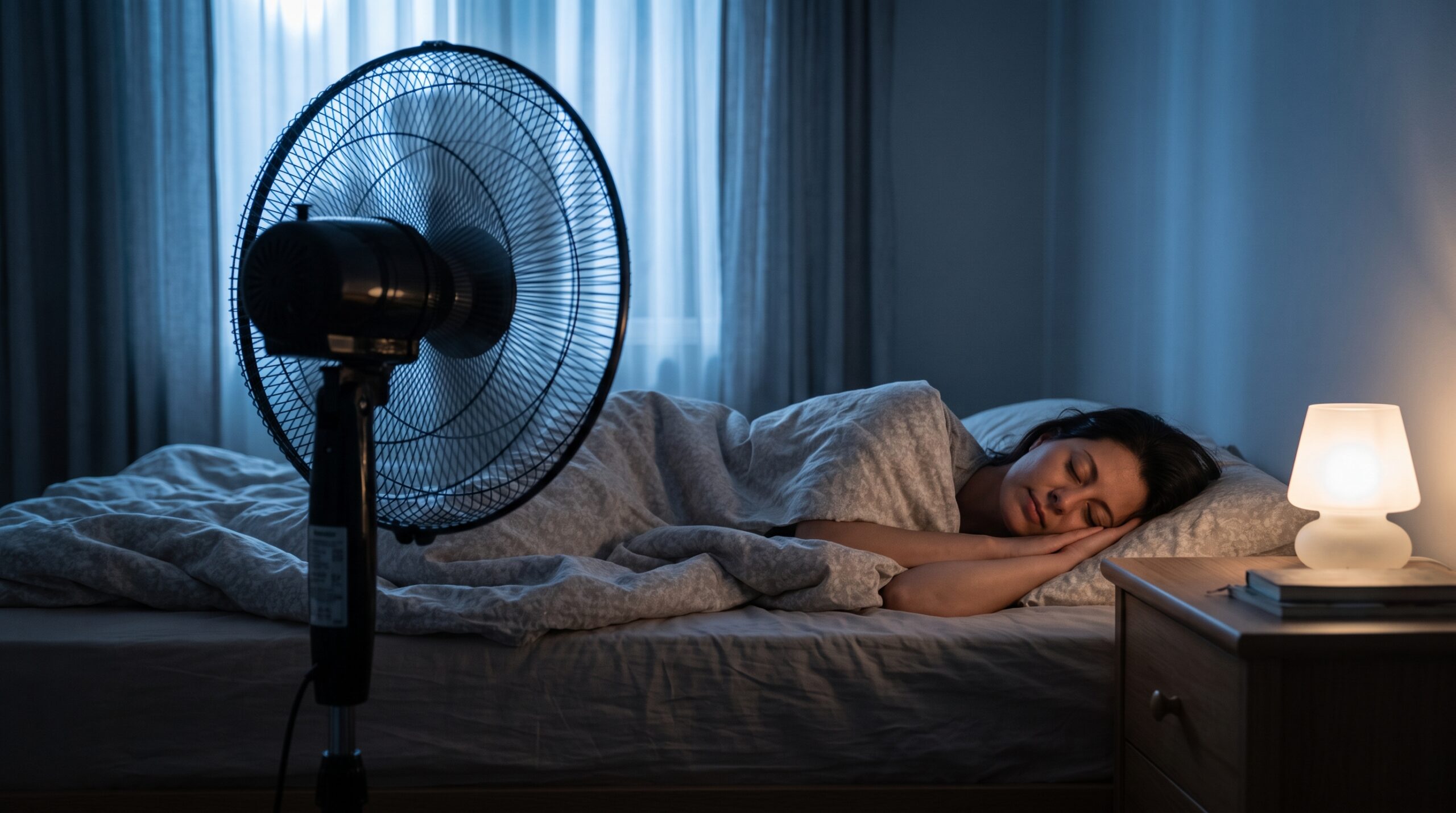

When summer nights turn sticky, a fan feels like the easiest fix. It is cheaper than air conditioning and does not leave your skin feeling like paper the way a blasting AC unit can. But doctors say that steady stream of air is not entirely harmless. A fan running for six to eight hours straight interacts with your body in ways most people never consider, from your sinuses to your muscles. None of it is dangerous for most healthy sleepers, but understanding what is actually happening while you sleep can help you get the cooling benefit without waking up feeling worse than when you went to bed.
This article was created with the assistance of AI and reviewed by our editorial team for accuracy and clarity.
That Breeze Is Also Stirring Up Dust And Pollen
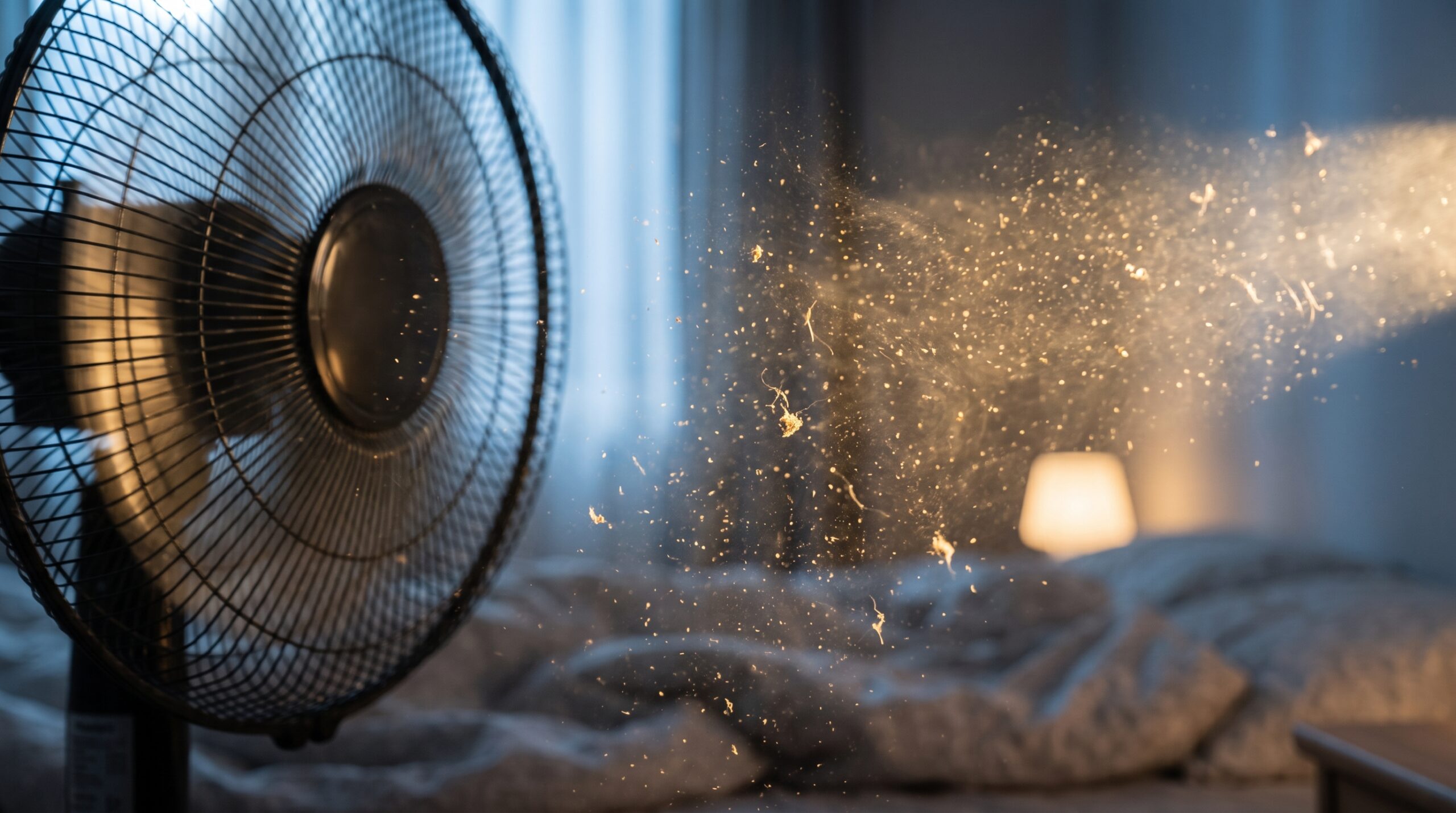
A fan does not just move cool air around your room. It also stirs up whatever is already floating in it, including dust, pollen and pet dander. For people with allergies, hay fever or asthma, that constant circulation can make nighttime symptoms noticeably worse. Sleep experts note that when airways are already sensitive, the combination of circulating allergens and drier air can lead to more coughing, wheezing or congestion overnight. It is one reason some people wake up sneezing before they have even had breakfast, without realizing their bedroom fan played a role in it.
The Fan Itself May Be Part Of The Problem
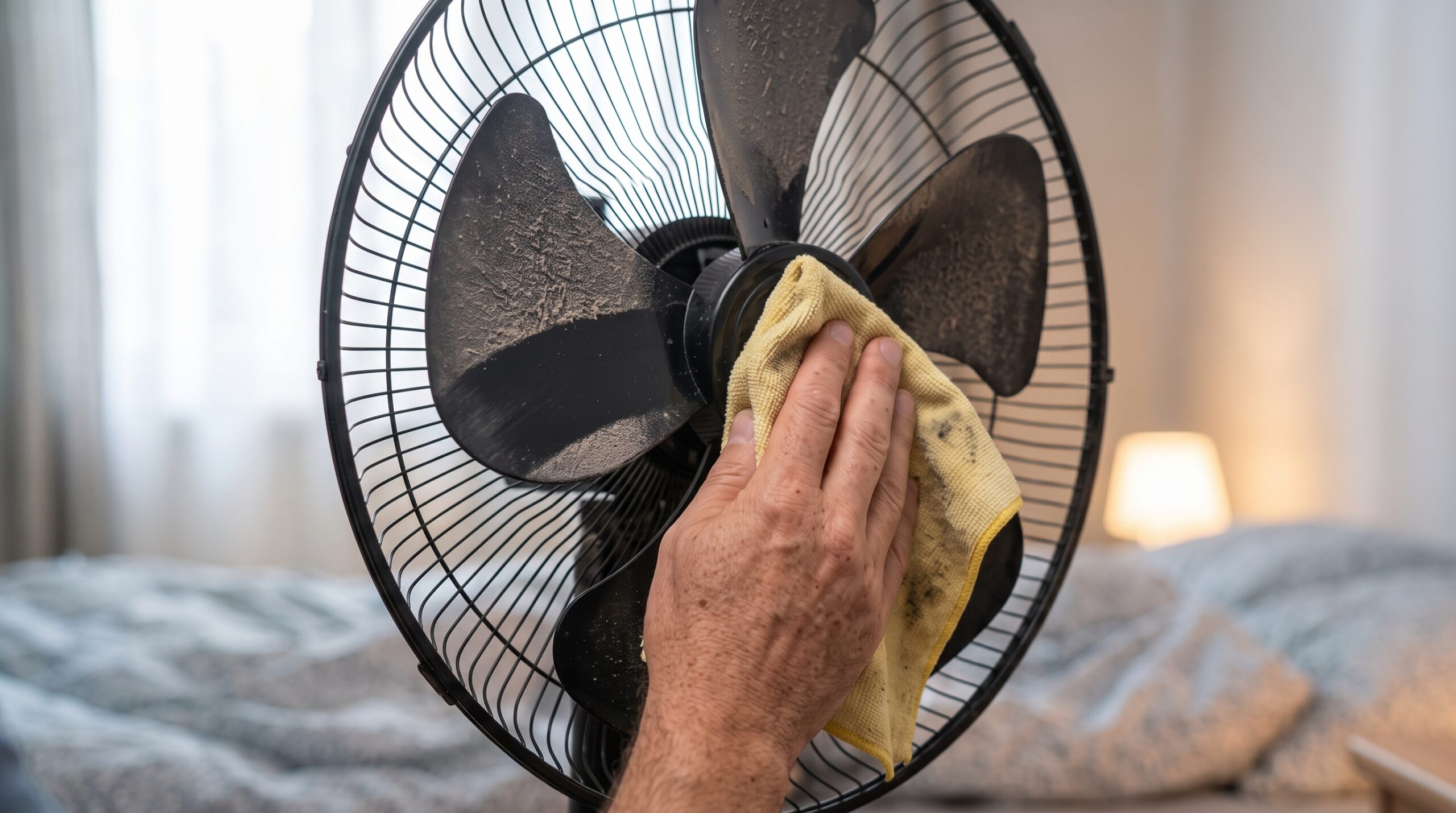
Here is something few people think about: the fan blades themselves collect dust over time. Every rotation sends a small amount of that buildup back into the air you are breathing all night. Combined with whatever allergens were already in the room, this creates a steady low level source of irritation. The fix is simple and often overlooked. Wiping down fan blades regularly, along with general dusting and vacuuming in the bedroom, can meaningfully cut down on what gets circulated while you sleep, especially during allergy season when pollen counts are already high.
Why You Might Wake Up Congested Every Morning
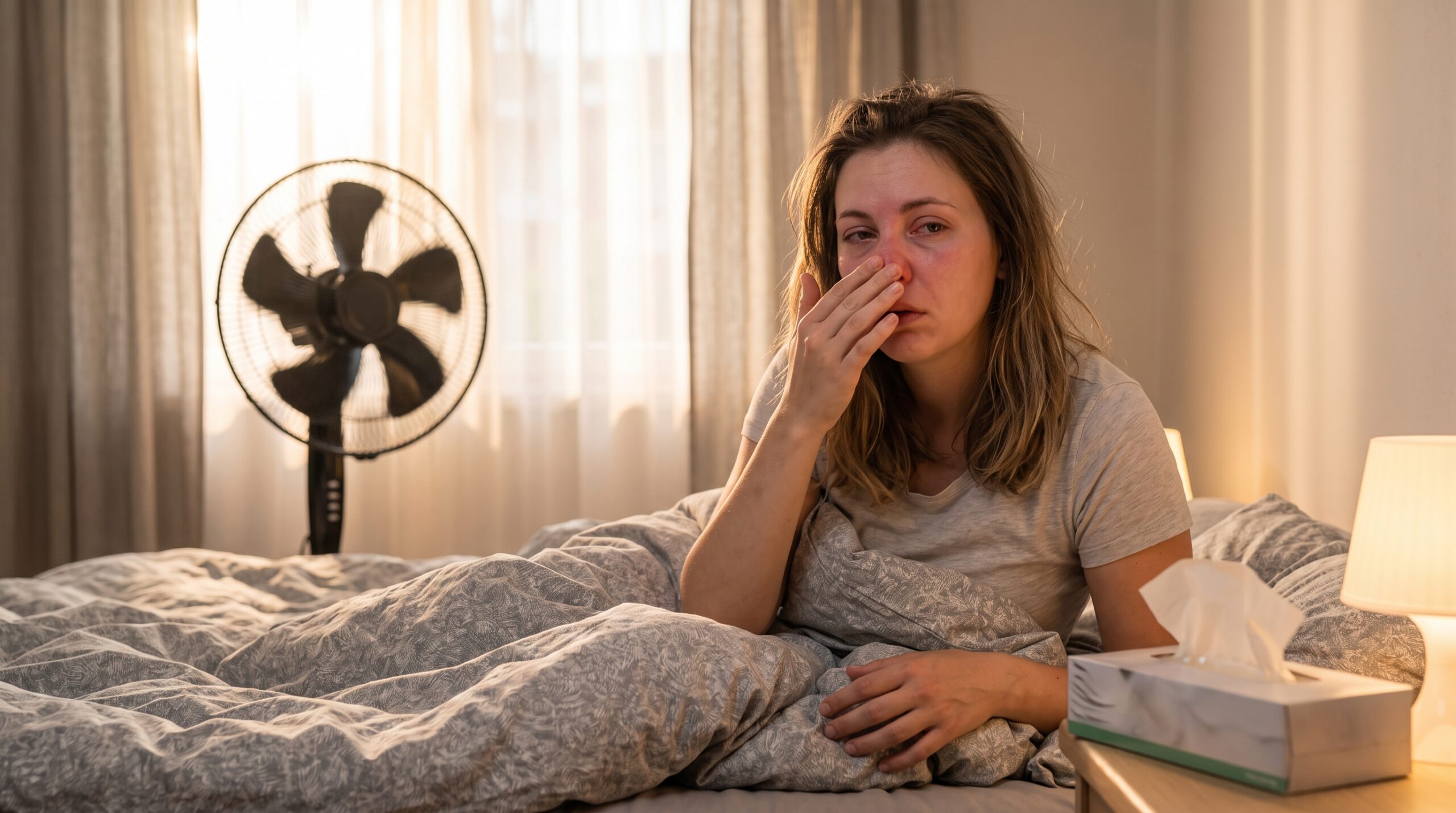
Constant airflow across your face can dry out your nose, mouth and throat over the course of a full night. Your body responds by producing extra mucus to compensate for that dryness. The overproduction can lead to a stuffy nose, sore throat, coughing or even a mild sinus headache by morning. It is not an infection, it is an irritation response, but it can feel remarkably similar to the start of a cold. People who sleep with their mouths open tend to notice this effect even more strongly, since airflow reaches the throat directly.
Your Nose Has A Cleaning System, And Dryness Breaks It
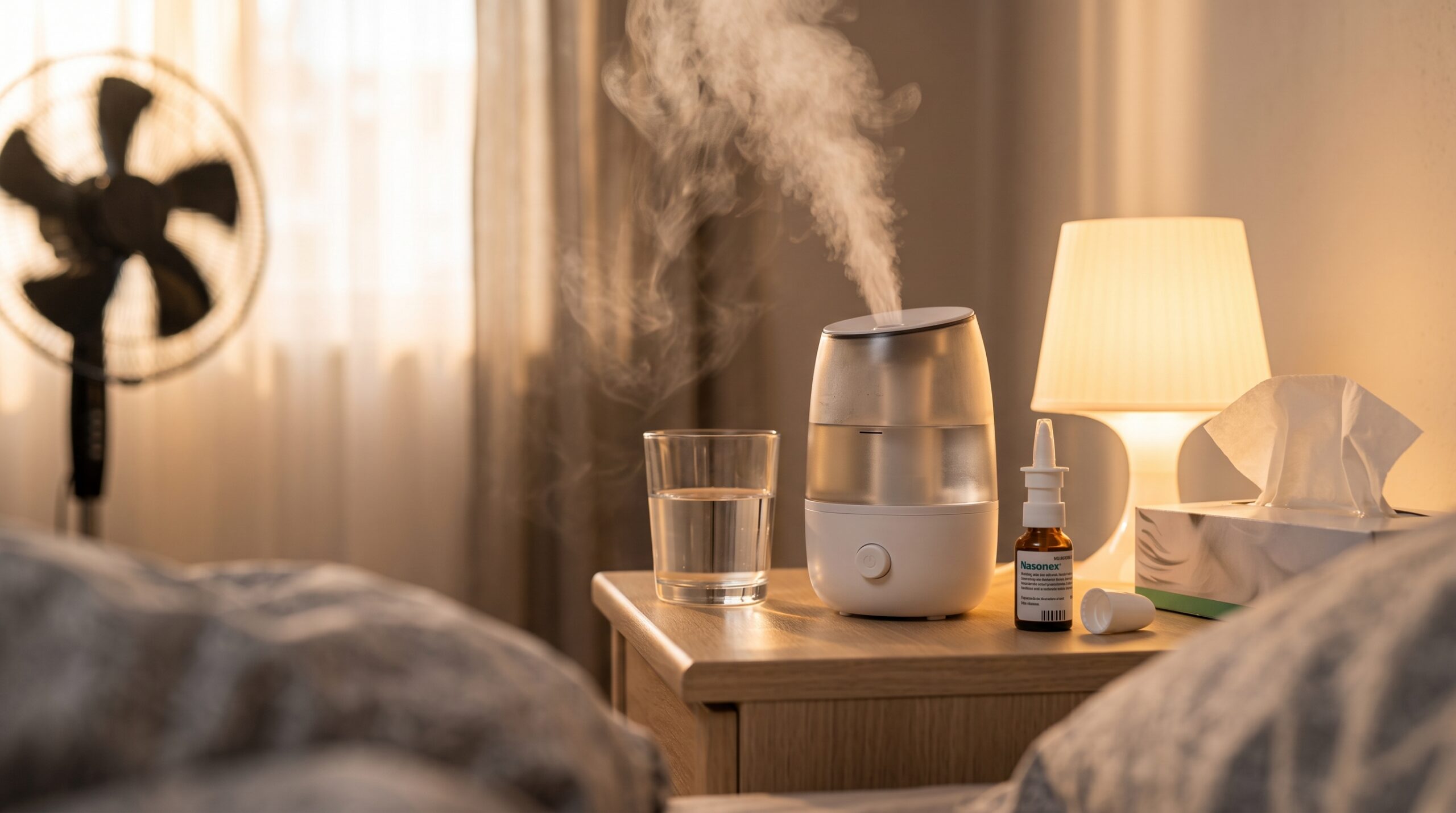
Inside your nasal passages are microscopic hair like structures called cilia, which sweep mucus and allergens out as part of your body’s natural defense system. That system depends on moisture to function properly. When a fan dries things out, the cilia cannot do their job as effectively, so allergens and irritants tend to linger longer than they normally would. ENT specialists point to this as a key reason fan use can worsen allergy symptoms specifically, rather than just causing general dryness. Keeping some humidity in the room can help this system keep working as intended.
Dry Skin And Eyes Are More Common Than You Think

A steady stream of air pulls moisture from your skin and eyes throughout the night, similar to the dry feeling many people get during a long flight. This can leave skin feeling tight or flaky by morning and eyes feeling gritty or irritated. The effect is more pronounced for anyone who already deals with eczema, psoriasis or chronic dry eye, since their skin barrier or tear film has less moisture to spare in the first place. Simple habits like moisturizing before bed or keeping eye drops nearby can offset a lot of this discomfort.
The Real Reason Behind Fan Related Neck Pain

If you have ever woken up with a stiff neck after a night with the fan running, there is a physical explanation. Cool air concentrated on one spot for hours can cause localized blood flow changes that make muscles tense up or cramp. Since your body naturally stays fairly still during sleep, that one muscle group never gets the chance to loosen back up. The result is soreness or stiffness, often in the neck or shoulders, that some people jokingly call fan neck. It usually resolves on its own within a day.
Fans Do Not Actually Cool Your Room
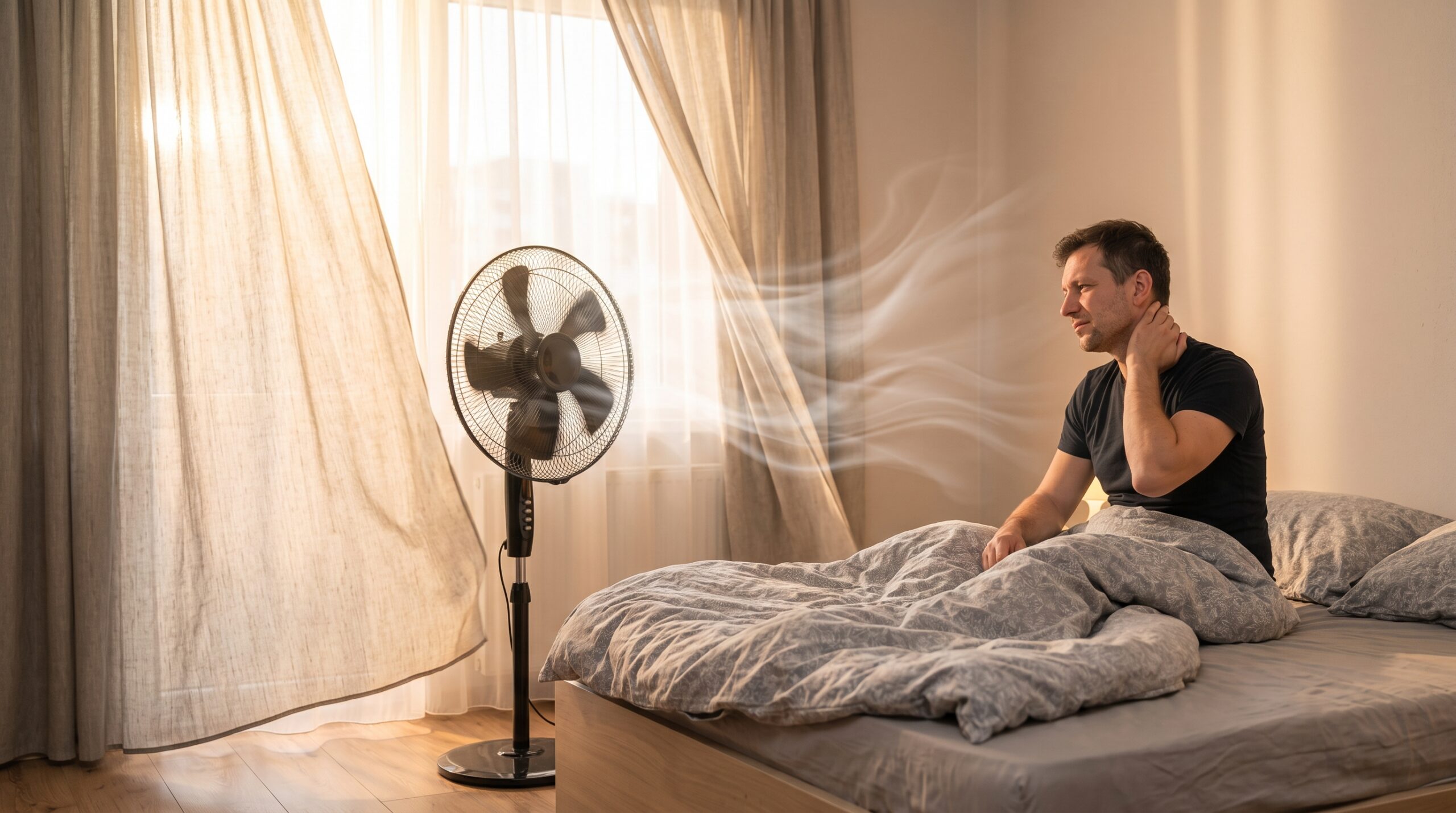
This surprises a lot of people: a fan does not lower the temperature of a room at all. It simply moves air across your skin, which speeds up the evaporation of sweat and creates a cooling sensation on your body. That is why a fan can feel refreshing even on a night when the thermometer has not moved. It also explains why fans work better paired with an open window or a slightly cooler room, since they are amplifying an existing temperature difference rather than creating one from scratch.
The Underrated Benefit Hiding In All That Noise
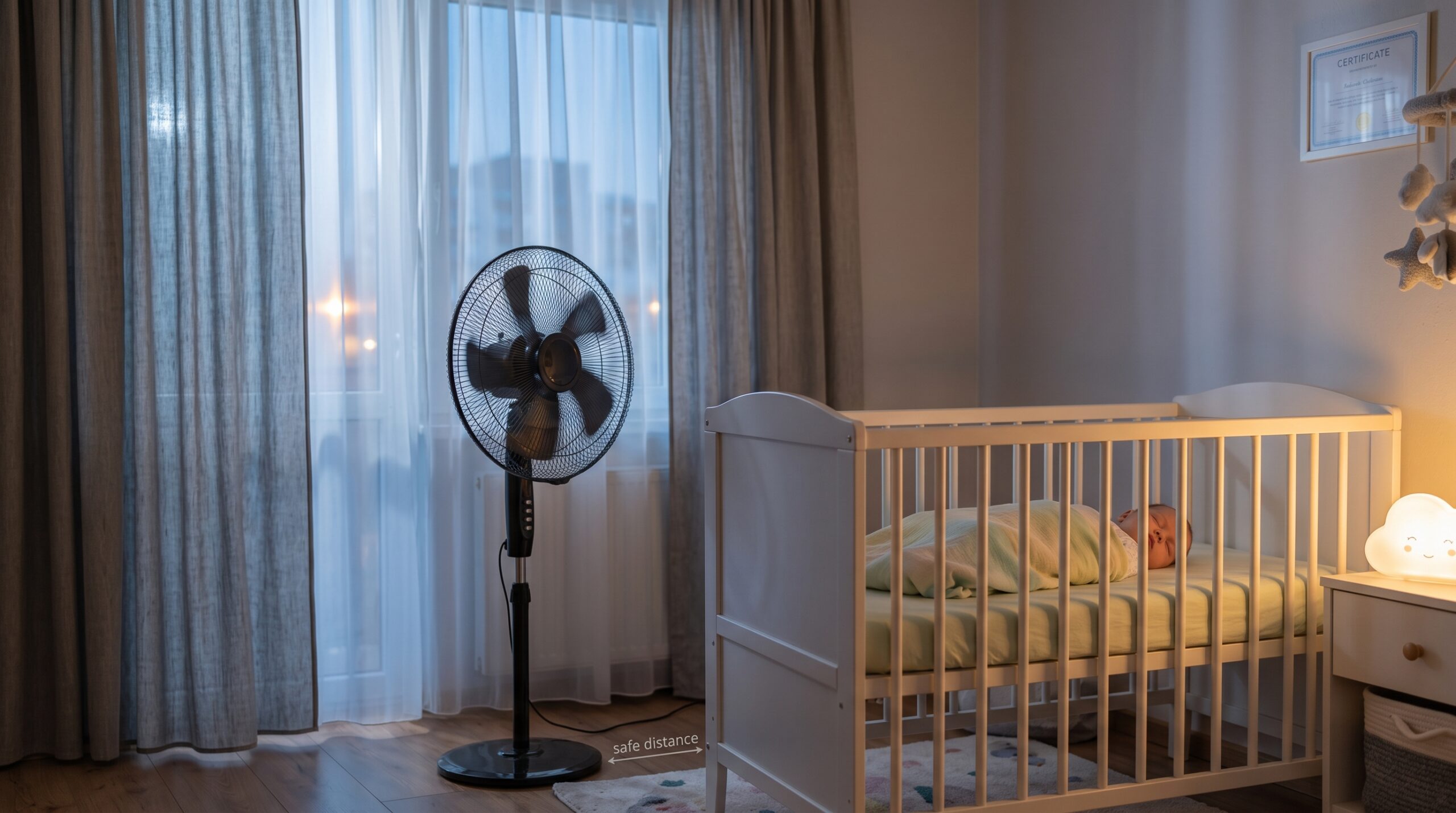
It is not all downside. The steady hum of a fan creates a form of background noise that can mask sudden sounds like traffic, a door closing or a partner snoring, which often disrupt sleep. Many people fall asleep faster simply because that consistent sound smooths out the acoustic bumps in a quiet house. There is also research suggesting fan use during sleep has been linked to a meaningfully lower rate of sudden infant death syndrome in infants, which is one reason some pediatricians do not discourage supervised fan use in nurseries.
How To Get The Cooling Without The Side Effects
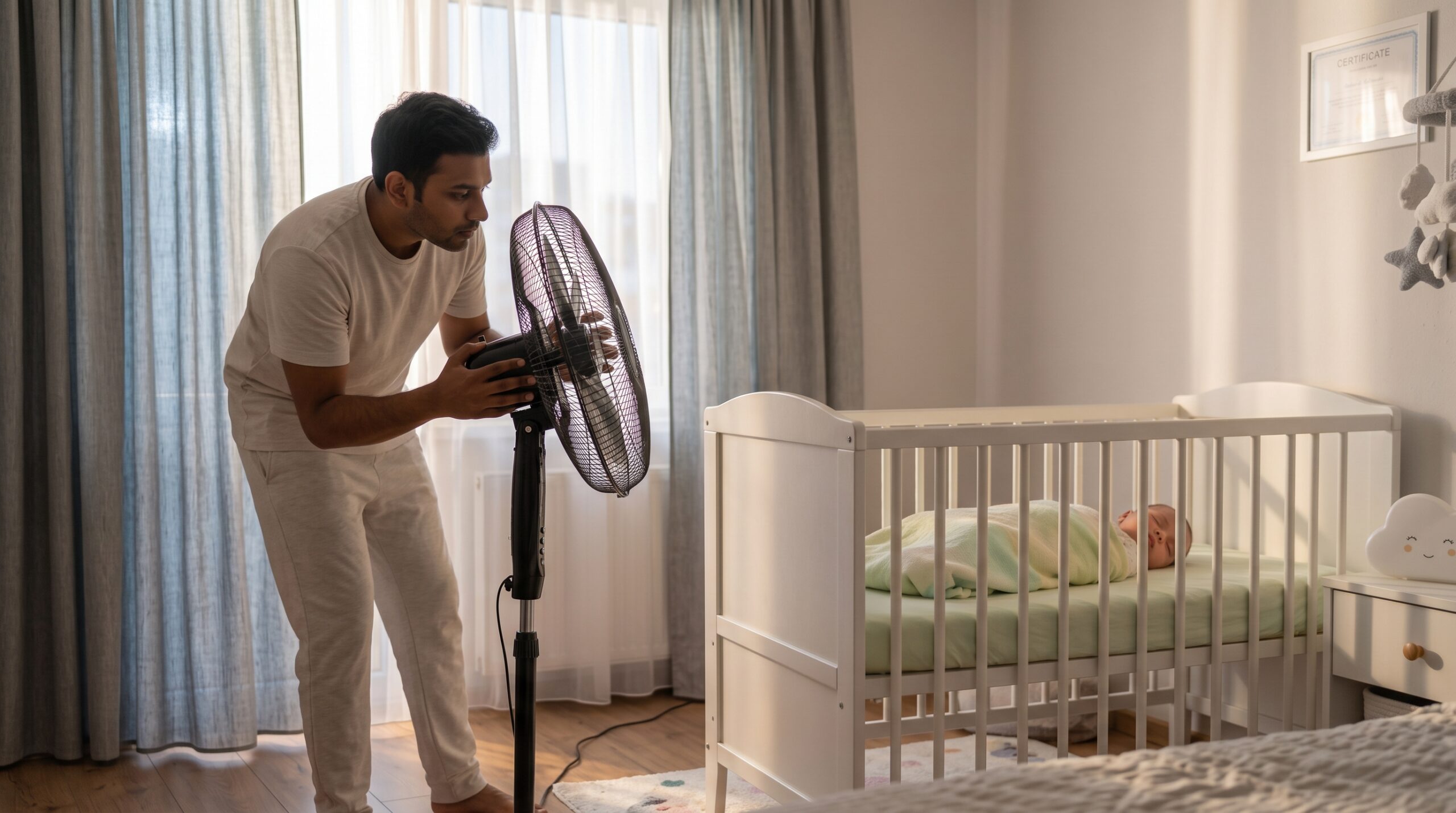
You do not need to give up your fan, just adjust how you use it. Point it toward a wall or ceiling instead of directly at your body to avoid a concentrated blast of cold air. Turn on the oscillating setting if your fan has one, so airflow is distributed rather than fixed on one spot. Keep the fan a few feet from your bed, clean the blades regularly, and consider a humidifier if dryness is a recurring problem. Small adjustments like these let you keep the comfort of a fan while avoiding most of its downsides.