What Is ‘Zombie Debt’ and Why Paying It Could Create New Problems


A call or letter arrives about an account you haven’t thought about in years, from a company you may not recognize, and the pressure to settle it quickly can feel real. That moment is where zombie debt does its best work. The term covers very old consumer debt that a collector tries to revive after months or years of silence, and the first instinct is rarely the most useful one.
Original creditors usually give up on an old account and sell it, sometimes for a fraction of the original loan amount. The new owner then reaches out by phone, letter, or email to chase the full balance. Some debts get sold more than once, with each new owner free to try collecting, which is how a notice can turn up years after the account first went past due.
Zombie debt generally means balances more than three years old. The business model is a numbers game, as Investopedia describes it. Companies that buy uncollectible debts only need a few people to pay up to turn a profit. Some of the people contacted never owed the money at all, since identity theft, a computer error, or a fraudulent attempt on a nonexistent debt can land a stranger’s balance on your doorstep.
How Old Debt Resurfaces
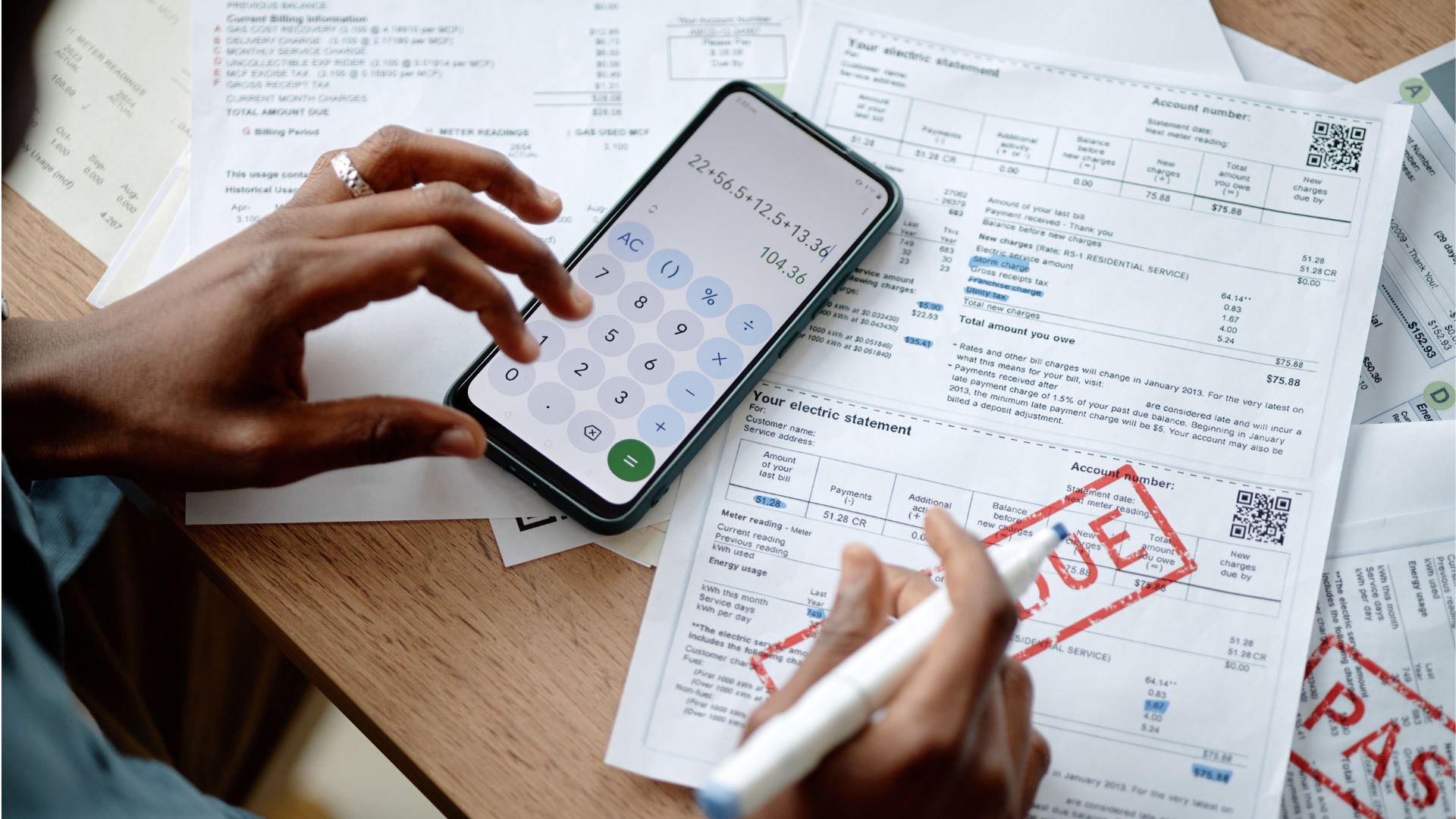
Time-barred debt is the version with an expiration date. It has outlived the statute of limitations for filing a lawsuit, which runs three to six years in most states and sometimes less. Depending on where you live, the clock may start when you first missed a payment or when you last made one, so two people in different states with similar debts can land on very different timelines.
Records don’t always follow a debt when it’s sold, so a balance you already paid or settled can reappear under a new owner who may not realize it. Mistaken identity is another route, with a misspelled name or a fraud case sending a collector to the wrong door. Not every old debt qualifies, though. A collector with an outdated address may simply be late to a debt that’s still enforceable.
Bankruptcy adds a wrinkle. Debts that were discharged, such as unpaid credit cards, personal loans, or utility bills, are no longer owed, and you can file a motion with the bankruptcy court to report creditors still collecting. Credit reports run on their own calendar. Negative entries typically drop off after seven years, yet that doesn’t automatically mean the statute of limitations has expired, so a collector may still pursue legal action.
Why Paying Can Backfire

Here is where good intentions get expensive. Investopedia warns that paying any amount on a debt that’s past the statute of limitations can restart the clock, put the debt back on your credit report, and open the door to a lawsuit. In some states, simply acknowledging that you owe it may restart the clock too, so a casual confirmation on the phone could turn a closed case into an open one.
A time-barred debt isn’t invisible, though. Collectors can still call or write to ask for payment after the statute of limitations expires; what they can’t do is sue or threaten to sue. If one tries anyway, you may have a defense to the lawsuit. The Fair Debt Collection Practices Act (FDCPA) also limits how third-party collectors can reach you, including the time of day and how many times they can make contact.
Even a payment made for good reasons may not fix much. Paying off a debt in collections may update its status to paid, but it won’t always remove the account or lift your credit score, since scoring models treat paid collections differently, according to OneMain Financial. And some debts never age out. Some student loans, for instance, don’t carry a statute of limitations, so the usual timeline doesn’t apply.
What To Do When They Call

Start by slowing things down. You don’t have to confirm anything on the first call, and there’s no need to spend time on the phone. Ask for written verification instead; under the FDCPA, it should state the amount owed, the original creditor, and who currently owns the debt. If you dispute it in writing, typically within 30 days of the notice, the collector must pause its efforts until it provides proof.
If the calls keep coming, put it in writing. A cease-and-desist letter under the FDCPA asks a collector to stop contacting you; after that, it can only confirm it will stop or explain a specific action it plans to take. Send it by certified mail with a return receipt for proof of delivery. If you have an attorney, tell the collector, who must deal with your counsel.
Before any money moves, pull your credit reports to see whether the debt is listed at all, and report it to the credit bureaus if it isn’t yours. Sorting out whose debt it is, how old it is, and what a collector can still do tends to beat a rushed payment. Give yourself that time, and the collector’s urgency becomes one more item to check off.