What an Electrician Notices at Home That Most People Overlook
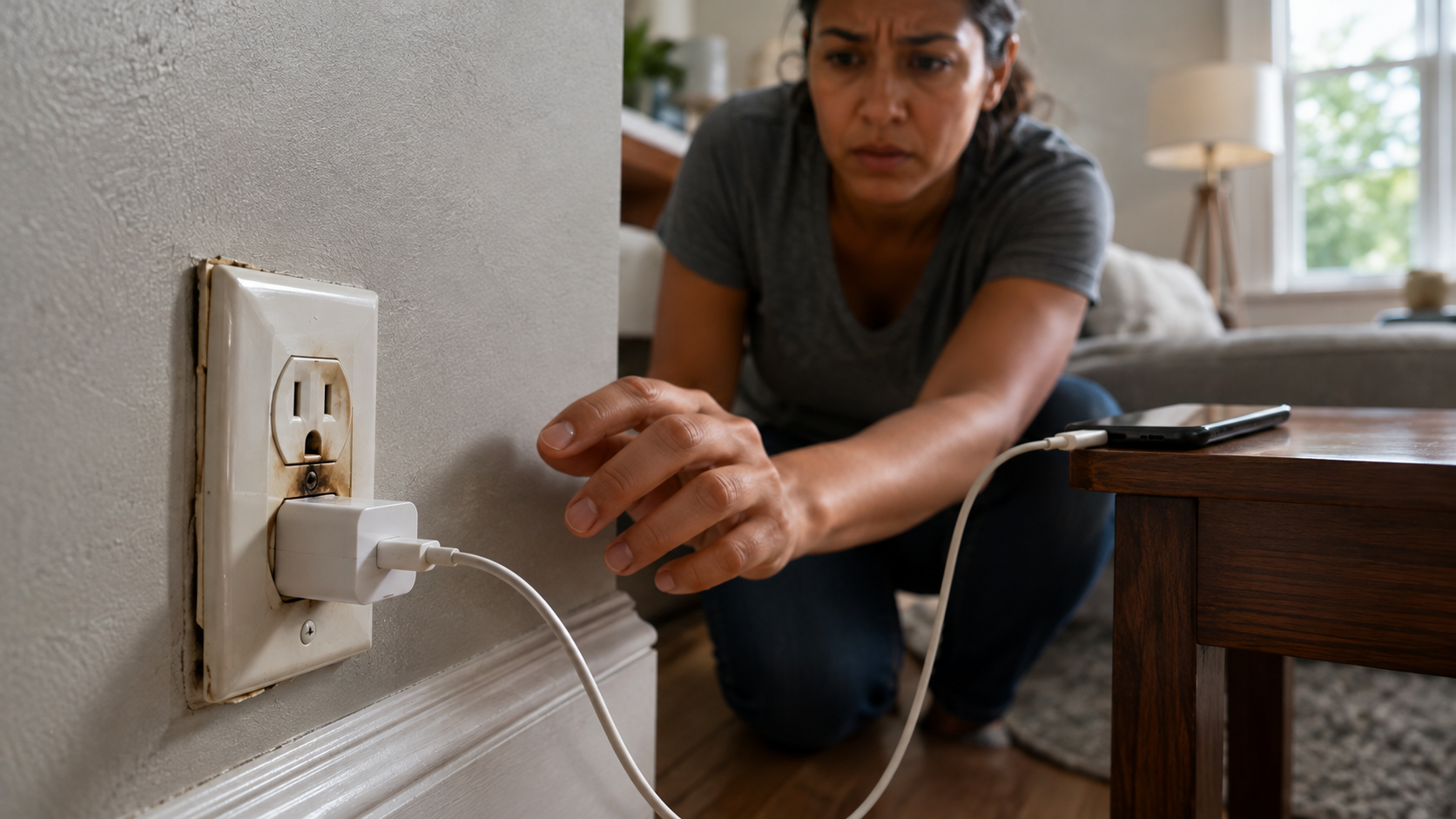

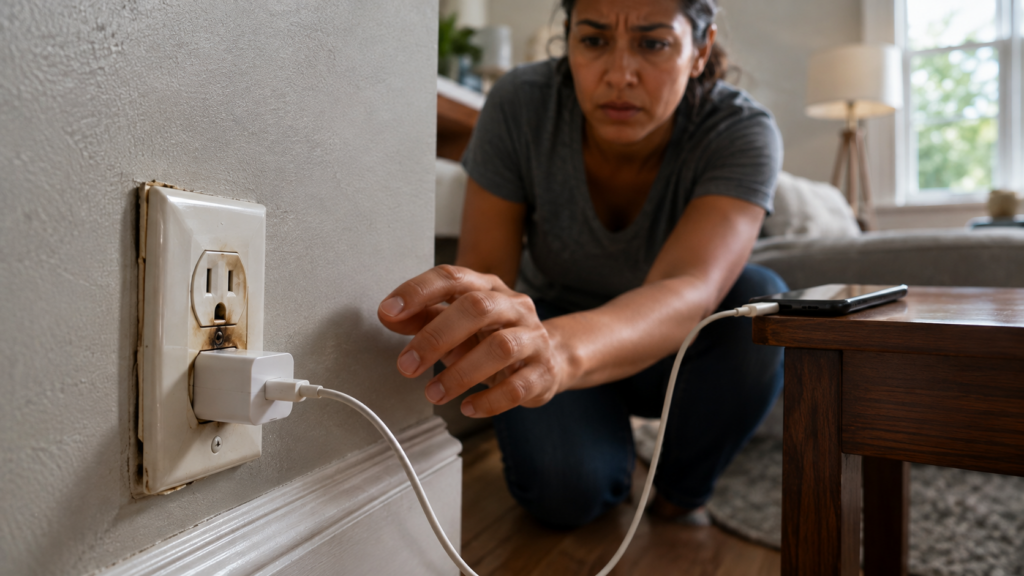
Every time you flip a switch or charge your phone, you are handling something more dangerous than most people admit. Standard household electricity, just 120 volts, causes more electrocutions than any other voltage level, and it claims lives every year, according to Christopher Haas, owner of Haas & Sons Electric. Professional electricians know this risk intimately, which is why they follow a strict set of habits in their own homes. Here is what most homeowners never learn.
This article was created with the assistance of AI and reviewed by our editorial team for accuracy and clarity.
They Match Every Bulb to Its Fixture
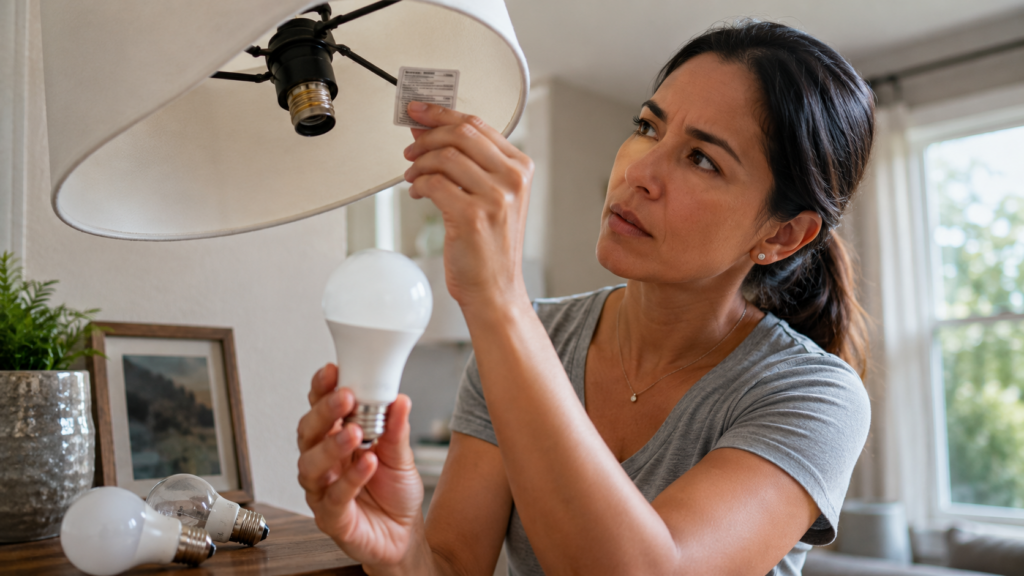
Electricians never grab the first lightbulb they see at the store. They check the wattage rating printed on every lamp or fixture before buying a replacement, says Jake McKusker, general manager of McKusker Electric. Using a bulb with too much wattage can essentially cook the fixture, degrading the wires inside and creating a fire hazard. Too little wattage leaves you in the dark. It is a small habit, but it protects against a bigger danger hiding closer to your ceiling.
The Alarm Check Most People Skip
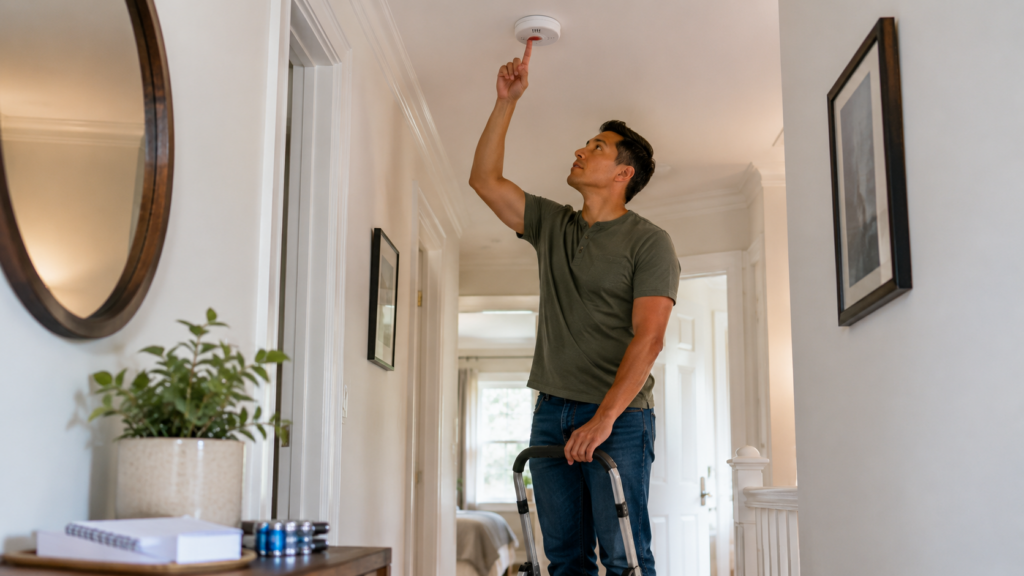
Most homeowners only think about smoke and carbon monoxide detectors when they start chirping. Electricians follow the U.S. Fire Administration’s guidelines closely because they know what is at stake: sleeping through a fire or missing a dangerous gas leak. The rules are simple. Test detector batteries once a month, replace them once a year even if they still work, and swap the entire unit every ten years. Then there’s another habit that has nothing to do with alarms at all.
Why They Never Work in Flip-Flops
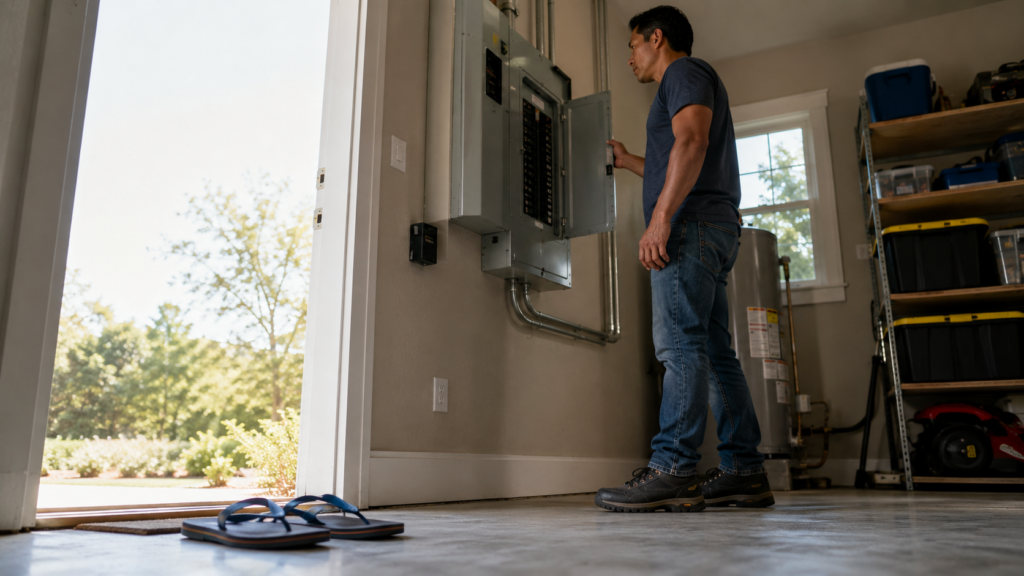
Ask an electrician if they would fix a circuit breaker in flip-flops, and the answer is a firm no, says McKusker. Stepping in water or brushing a live wire can cause a serious shock, so electricians wear closed-toe shoes with rubber soles whenever they touch electrical systems, on the jobsite or at home. A rubber sole insulates against grounding out. You do not need special shoes, just the right ones. There’s one more tool they never work without.
The Tool They Never Work Without
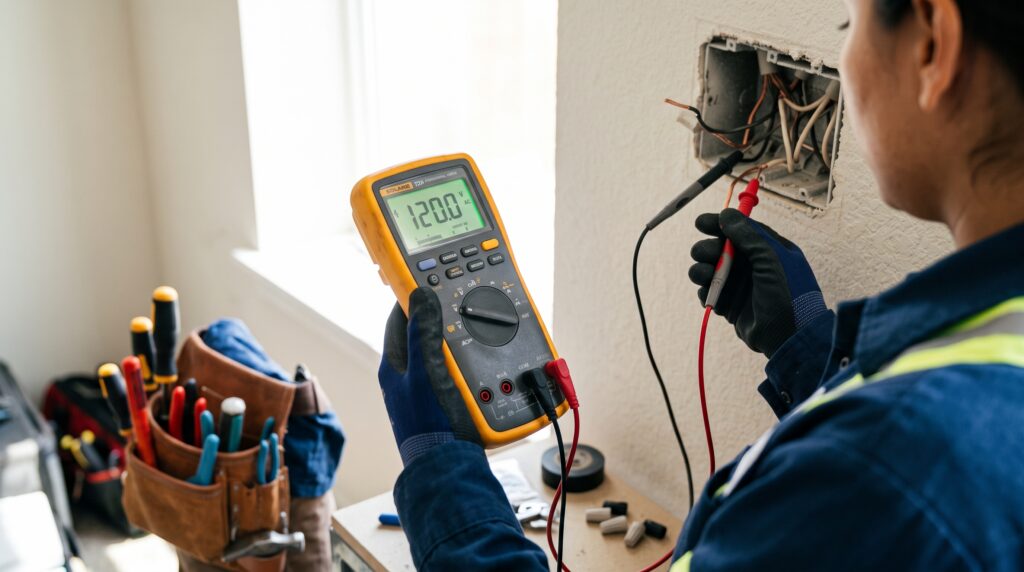
Before touching any wire, electricians always check for live voltage, and they trust one tool above all others: a tester with a digital or analog display. Pin-style testers only signal that voltage is present, without telling you how much, says McKusker. If the voltage is low, that basic tester might miss it entirely, and you could still get shocked. A full display tells you exactly how many volts you’re dealing with, and what comes next.
The Outlet Upgrade Homeowners Overlook

Tangled USB adapters cluttering every outlet are a hassle most people accept without question. Electricians skip the problem entirely by installing outlets with USB ports built right in, so charging a phone never means giving up a plug for a lamp. All you need is the cord, McKusker says. It is a small upgrade, but it reflects a bigger electrician habit: never settling for a workaround when a permanent fix exists, especially with something as important as a GFCI outlet.
The Monthly Test That Could Save a Life

Ground-fault circuit interrupters, or GFCIs, are required near water in kitchens, bathrooms and laundry rooms, but installing one is only the beginning. Electricians test theirs monthly by plugging in an appliance, turning it on, and pressing the test button. If it works properly, the appliance trips and power stops instantly. If it trips, it is working correctly, McKusker says. If it does not trip, that outlet needs to be replaced right away, before it fails when it matters most.
What They Keep Clear at All Costs
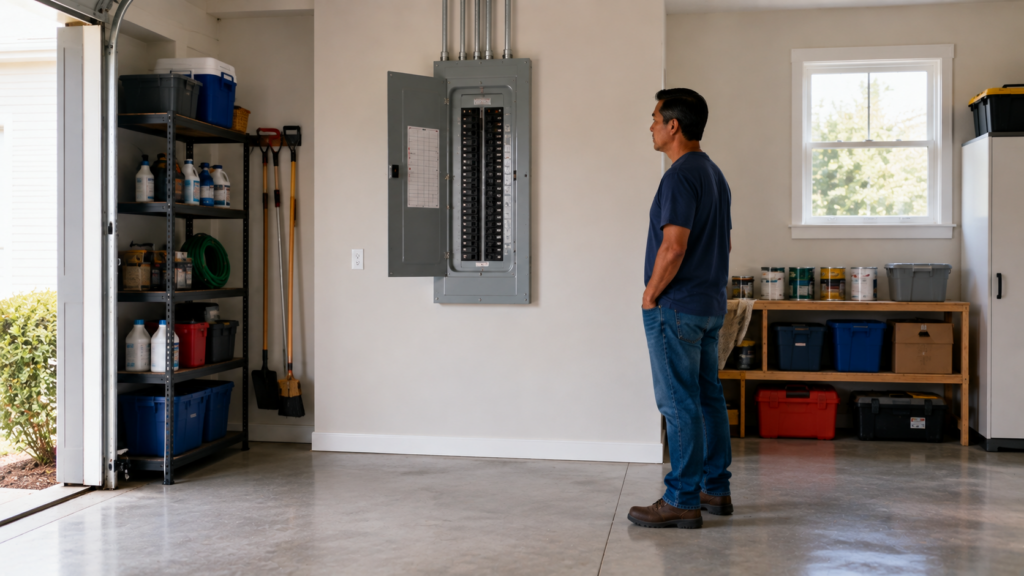
Electricians never let boxes, shelving or clutter pile up in front of an electrical panel. A blocked panel makes it harder to reach in an emergency, and electrical malfunction already causes an estimated 51,000 house fires every year, according to the Electrical Safety Foundation International. Electricians also keep every switch on the panel clearly labeled and left on, and they never ignore a breaker that keeps tripping. That is always a warning sign of a deeper wiring problem.
Why Even Simple Jobs Can Turn Deadly
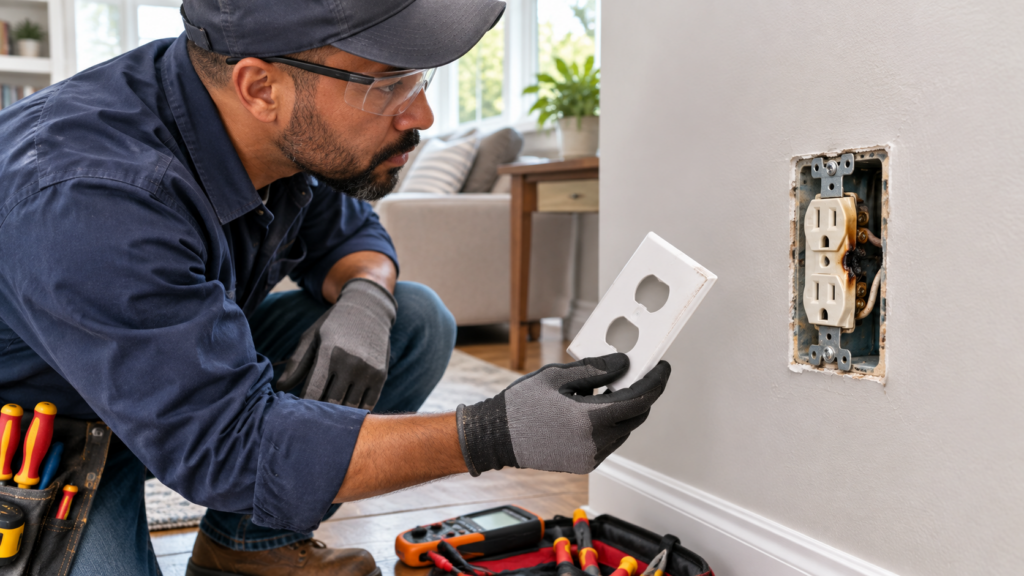
Roughly 400 electrocutions happen in the United States each year, and about 15 percent involve consumer products like wiring and household fixtures. One licensed electrician described walking into homes where a previous owner’s DIY fix looked fine on the surface but had been wired in a way that kept a circuit live even after the breaker was flipped off. He said melted outlets hidden behind covers were common, proof that small wiring mistakes are exactly how house fires start.
The Line Electricians Never Cross
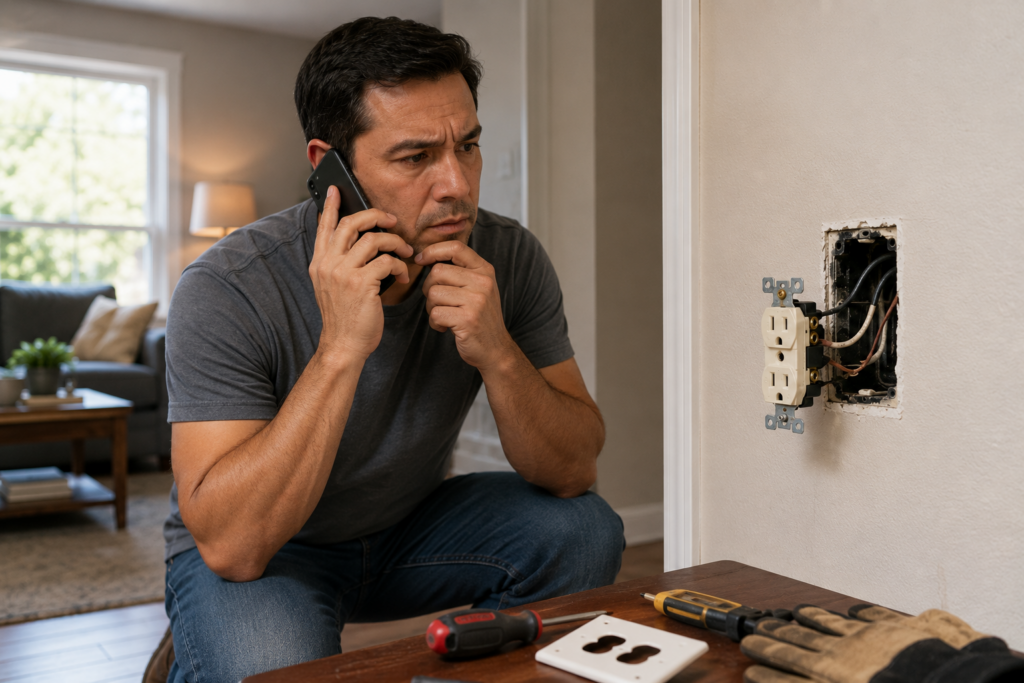
The habits electricians follow are not complicated: match your bulbs, test your alarms and GFCIs monthly, wear the right shoes, and keep your panel clear and labeled. But the biggest lesson is knowing your limits. Unlicensed electrical work is illegal in many places and carries serious penalties, and the risk goes beyond fines. As Christopher Haas puts it, it is better to be safe than sorry. So before your next project, ask yourself: is this really a job for me?