‘We’re Not Cattle, We’re People,’ Southwest Passenger Says After Being Asked if She Could Fit Into One Seat Under the Airline’s New Policy

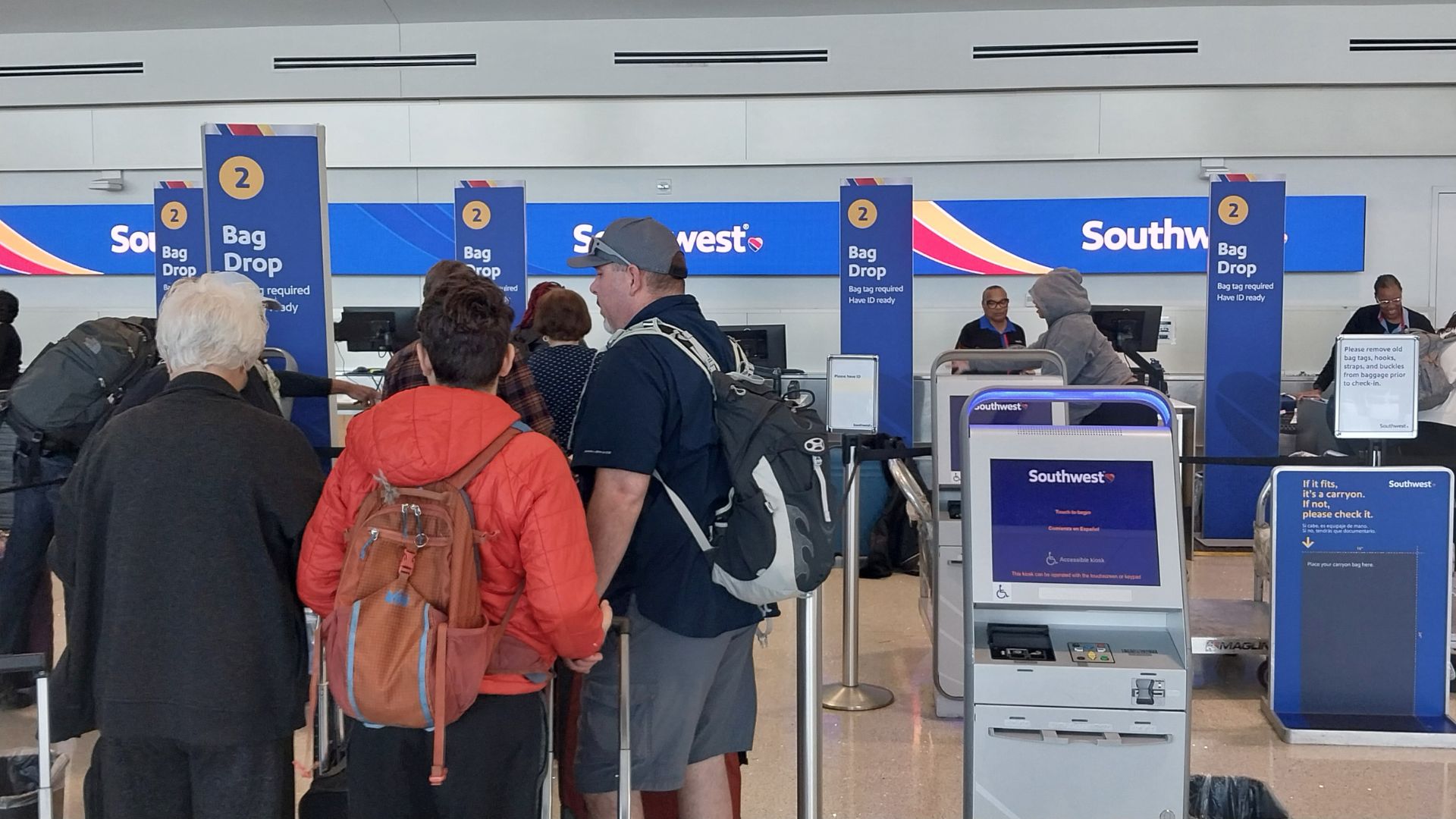
Linda Hyde had flown Southwest Airlines dozens of times without incident. But on May 21, at Miami International Airport, the Rapid Rewards member since 2014 was stopped at bag check and asked whether she could fit into a single seat. It was the first time in over a decade of frequent business travel that she had faced the question, and she left the encounter feeling, as she later described it, humiliated.
Hyde is president of the American Association of Private Lenders and flies six to seven times a year for work. She told the agent she had just completed a full Southwest flight the previous Monday in one seat, but the agent remained firm, suggesting she would likely need to purchase an additional ticket. A second employee eventually confirmed her Kansas City flight had 30 empty seats, and she was allowed to board without paying extra.
The encounter stems from a policy Southwest introduced in January 2026. Under the updated customer of size rules, airline staff can determine by observation whether a passenger requires an adjacent seat, and if so, that passenger must purchase one. The policy marked a notable shift from Southwest’s earlier approach, which allowed larger passengers to buy an extra seat in advance and receive a full refund regardless of whether the flight was full.
Southwest Updated the Policy Again, But Critics Say It Falls Short
Hyde’s experience came as Southwest was already drawing criticism over the January policy change. Shortly after, the airline softened its stance, stating passengers would only be required to buy an additional seat if the flight were full, and that staff was encouraged to offer extra seats at no cost when available. A Southwest spokesperson told the Miami Herald the updated policy would be published on the airline’s website in the near future.
Still, advocates say the revision does not go far enough. Tigress Osborn, executive director of the National Association to Advance Fat Acceptance, described the updated language as damage control rather than a genuine step toward inclusion. She acknowledged that removing one barrier to reimbursement was a marginal improvement, but said the overall framework remained problematic for passengers who need consistent, dignified accommodation.
Southwest’s competitors at Miami International, including American, Delta, and United, use the armrest as their standard measure for whether a passenger fits into one seat. Passengers who exceed that threshold are required to purchase an additional seat. Southwest has not publicly outlined the specific criteria its agents use for that determination, and has encouraged customers who need extra space to book additional seats in advance.
Passengers and Advocates Raise Concerns About Fairness and Enforcement
Consistency in enforcement was another concern Hyde raised. Several larger male passengers on her flight did not appear to receive similar inquiries, pointing to what she saw as an uneven application of the policy. Osborn echoed that concern, saying her organization had observed a pattern in which women and women of color were more frequently asked whether they needed additional seating.
Beyond the personal experience, a legal question also emerged, suggesting the policy could conflict with the Air Carrier Access Act, the federal law prohibiting airlines from discriminating against passengers based on physical or mental disability. A U.S. Department of Transportation spokesperson clarified to the Miami Herald that airlines are not legally required to provide more than one seat per ticket, and that passengers needing extra space can be required to pay for additional seats.
The day of her flight, Hyde sent emails to Southwest, the Department of Transportation, and the Greater Miami Convention and Visitors Bureau, requesting accountability and a formal apology. As of the Miami Herald’s publication, none of the organizations had responded. She said she plans to take the matter further. “I want my daughter to know how to fight to not let people treat you this way,” she told the Herald.
Hyde Says She Won’t Fly Southwest Again, While Others Weigh What Comes Next
Hyde said she will likely not fly Southwest again. The story, though, was still unfolding for others. TikTok creator Emily, known as Emily_infullbloom, posted a video over Memorial Day Weekend sharing what a gate agent told her: that Southwest was preparing to allow customers of size to receive an additional seat at no cost at the airport, without requiring advance purchase. The video drew reactions ranging from cautious optimism to skepticism.
Some viewers warned that waiting until arrival remained a risk, particularly on full flights where adjacent seats might not be available. Others said the January change had already cost Southwest their loyalty, regardless of what came next. Emily told Newsweek the situation had made travel more stressful, though the expected policy shift gave her some hope, adding that she knew it was already too late for some customers who had moved on.
The policy mechanics, though, were secondary to how the moment felt in person. “The bigger problem that I have is how it’s addressed,” she told the Miami Herald. “We’re not cattle, we’re people, you have to treat us like people.” Southwest said it trains agents to handle customers of size matters discreetly, with a dedicated team available for individual cases. Whether those assurances translate to consistent treatment at the gate remains, for many passengers, an open question.