Walmart Pulls 10 Products From Shelves, They May Not Return in 2026
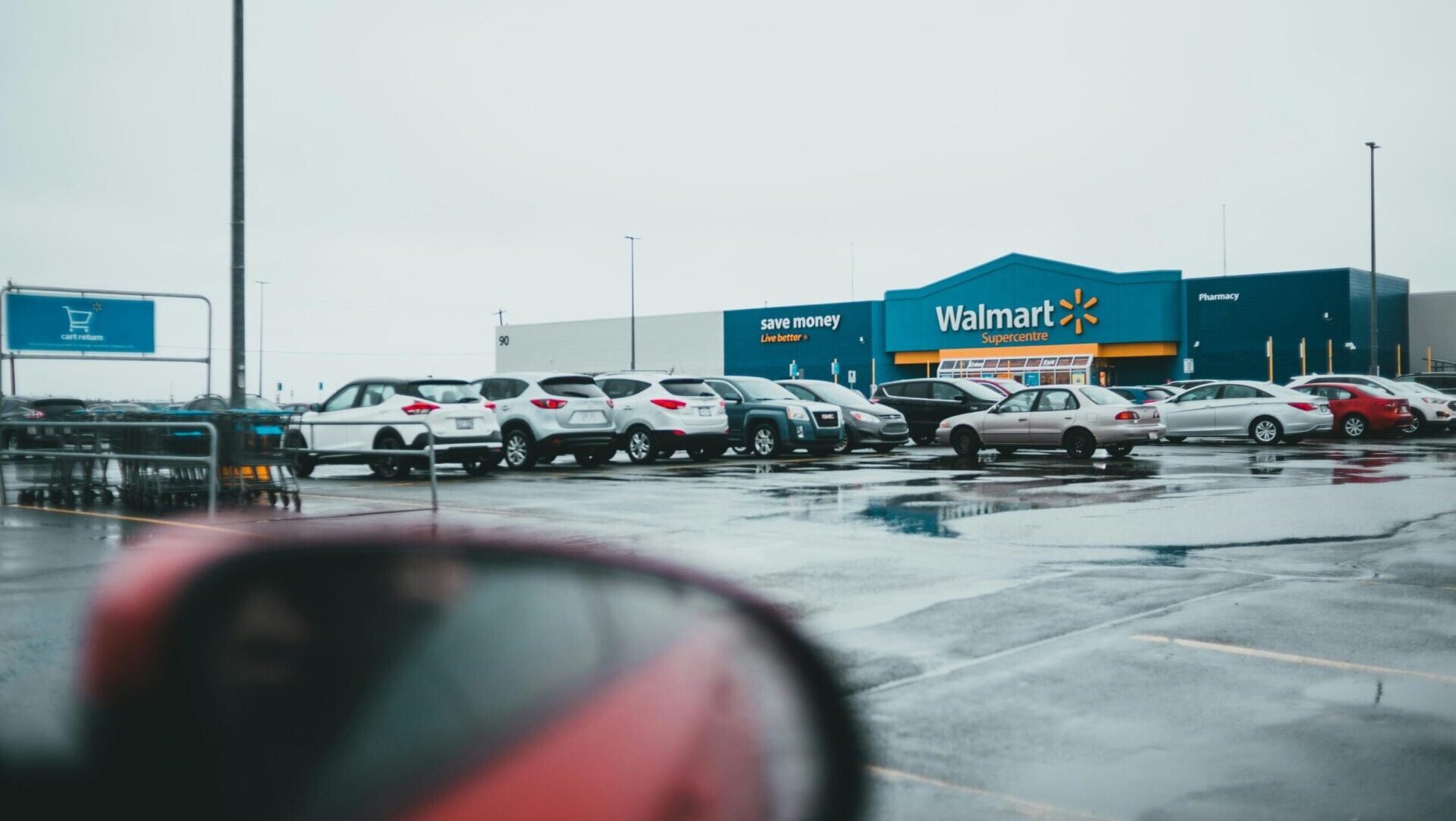

Walmart has begun removing a notable group of long standing products from its shelves, marking a subtle but consequential shift in how the retail giant curates its inventory. While the changes may appear incremental at first glance, they reflect a broader strategy aimed at modernizing offerings, tightening supply chains, and responding to evolving consumer behavior. For shoppers, the result is a growing sense that familiar staples are becoming less guaranteed fixtures.
The affected items range from budget electronics and private label foods to clothing, furniture, and household essentials. Some were quietly discontinued due to declining demand, while others were edged out by higher margin or trend driven replacements. Walmart has not framed the changes as temporary, and in many cases, these products may not return in 2026 or beyond.
Taken together, these removals highlight how even mass market retailers are becoming more selective. Shelf space is increasingly treated as a strategic asset, reserved for items that align with profitability targets, sustainability goals, or shifting customer expectations.
Budget Staples Give Way to Higher Tech and Higher Margins

Several discontinued items reflect Walmart’s move away from older, lower priced technology and toward more premium alternatives. Older ONN forty inch smart televisions, once a hallmark of affordable home electronics, are being replaced by newer four K models that offer better performance but come at significantly higher prices. The shift narrows options for budget focused shoppers while increasing average transaction values.
Similar patterns appear across private label food and beverage lines. Select Great Value products, including diet cream soda and light yogurt multipack flavors, failed to meet performance benchmarks. Rather than maintain broad variety, Walmart is consolidating around top sellers, leaving niche preferences behind in favor of efficiency and scale.
Even coffee drinkers are feeling the effects. Specialty Sam’s Choice coffee pod flavors are disappearing as Walmart prioritizes consistent, high volume blends over experimental offerings. The message is clear: variety is giving way to predictability.
Household Brands and Affordable Apparel Face a Quiet Exit
Beyond food and electronics, entire product lines are being phased out. Progressive Furniture, once a go to option for affordable home furnishings, is exiting Walmart completely as the brand winds down operations. As remaining inventory clears, customers will need to turn to higher priced alternatives or smaller furniture assortments.
Affordable apparel has also been reshaped. George brand men’s dress shoes and the long running Faded Glory jeans line are being retired, driven by a combination of low demand, rising import costs, and changing fashion expectations. These products filled a critical niche for shoppers seeking durability at minimal cost, a niche that is becoming harder to fill.
Even everyday personal care items are not immune. Equate disposable razors are being replaced with eco labeled alternatives that emphasize sustainability but cost more. For price sensitive consumers, the tradeoff feels less like progress and more like loss.
What Walmart’s Shelf Changes Mean for Shoppers Going Forward
For consumers, the disappearance of familiar items underscores a larger reality. Retail loyalty no longer guarantees permanence. Products that once felt dependable can vanish quietly, replaced by options that cost more or serve different priorities. Staying informed and flexible is becoming part of everyday shopping.
For Walmart, these removals signal a sharpened focus on profitability, trend alignment, and operational efficiency. By trimming slower moving or lower margin items, the company is positioning itself for a retail landscape shaped by rising costs and more selective consumers.
Whether these decisions ultimately strengthen customer trust remains an open question. What is clear is that Walmart’s shelves are no longer just stocked for familiarity. They are curated for strategy, and the era of guaranteed staples may be quietly coming to an end.