Virginia Police Intercept FedEx Delivery After Resident Sent $153,860 Bank Scam Check
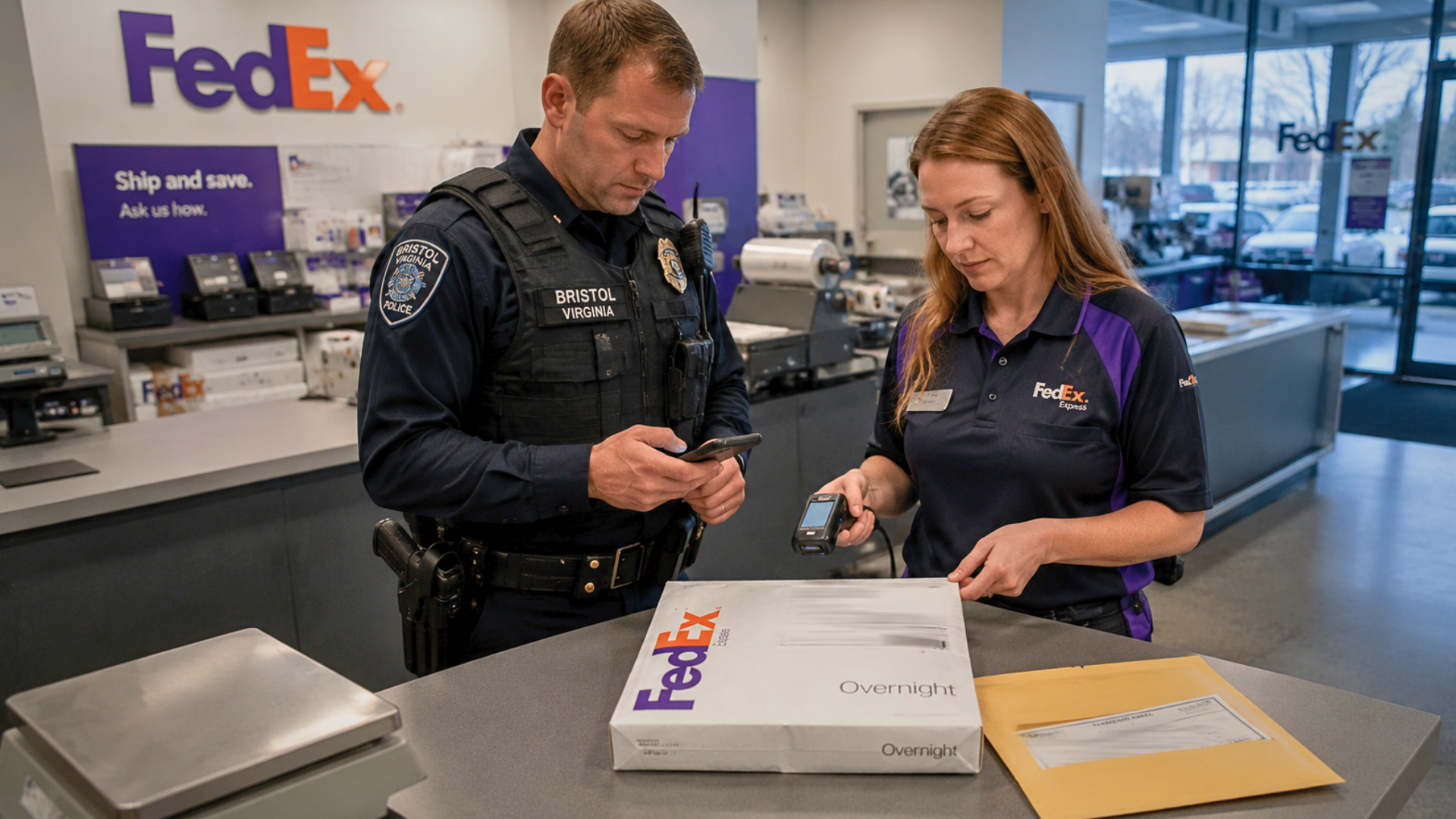

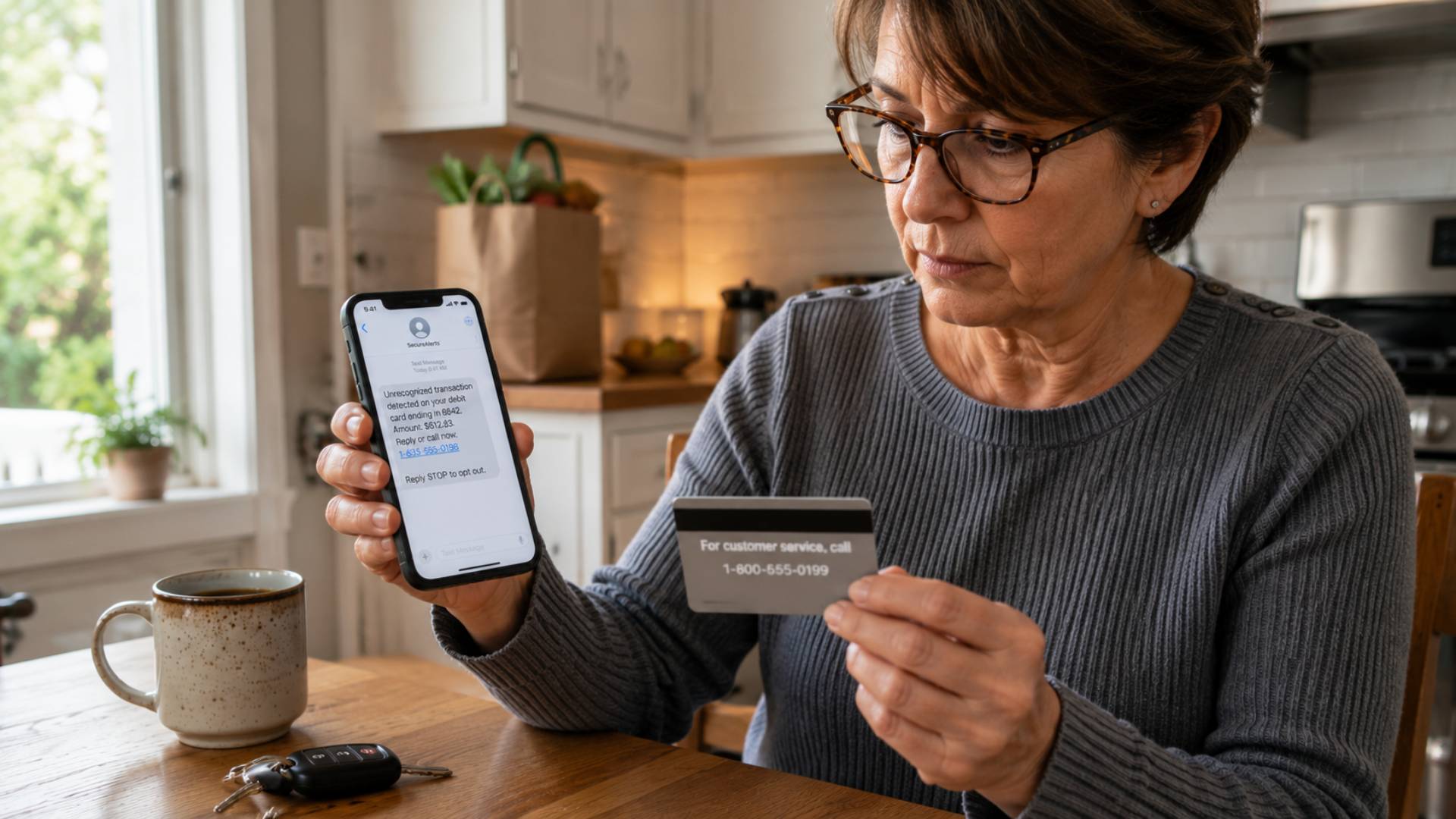
It started with a routine-looking security alert, the kind almost everyone has seen flash across their phone screen. A Bristol, Virginia, resident received a text that appeared to come straight from Wells Fargo, warning of unauthorized charges and demanding immediate action. By the time anyone realized something was wrong, more than $153,000 had already left the victim’s hands and was racing toward New York City in an overnight package.
This article was created with the assistance of AI and reviewed by our editorial team for accuracy and clarity.
The Fake Alert Claimed the Victim’s Accounts Were Already Compromised
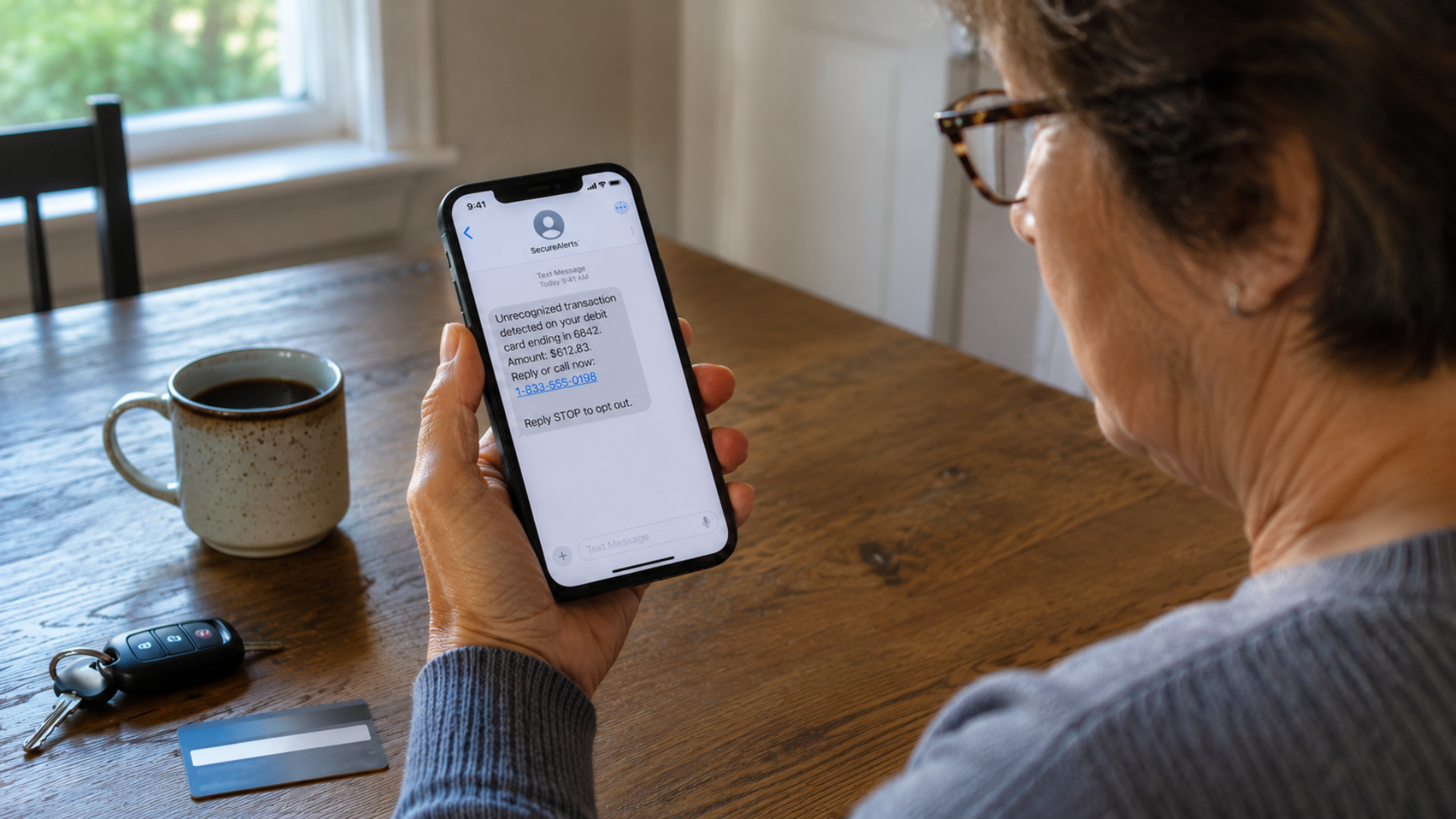
The messages told the resident their finances were in trouble, citing unauthorized charges and warning that immediate steps were necessary to protect their money. It’s a script built for panic. Whoever sent the text didn’t need the victim to think clearly. They needed the victim to act fast, before there was time to call the bank directly or question why a legitimate alert would demand this kind of urgency.
The Scam Escalated From a Warning Into a Six-Figure Request
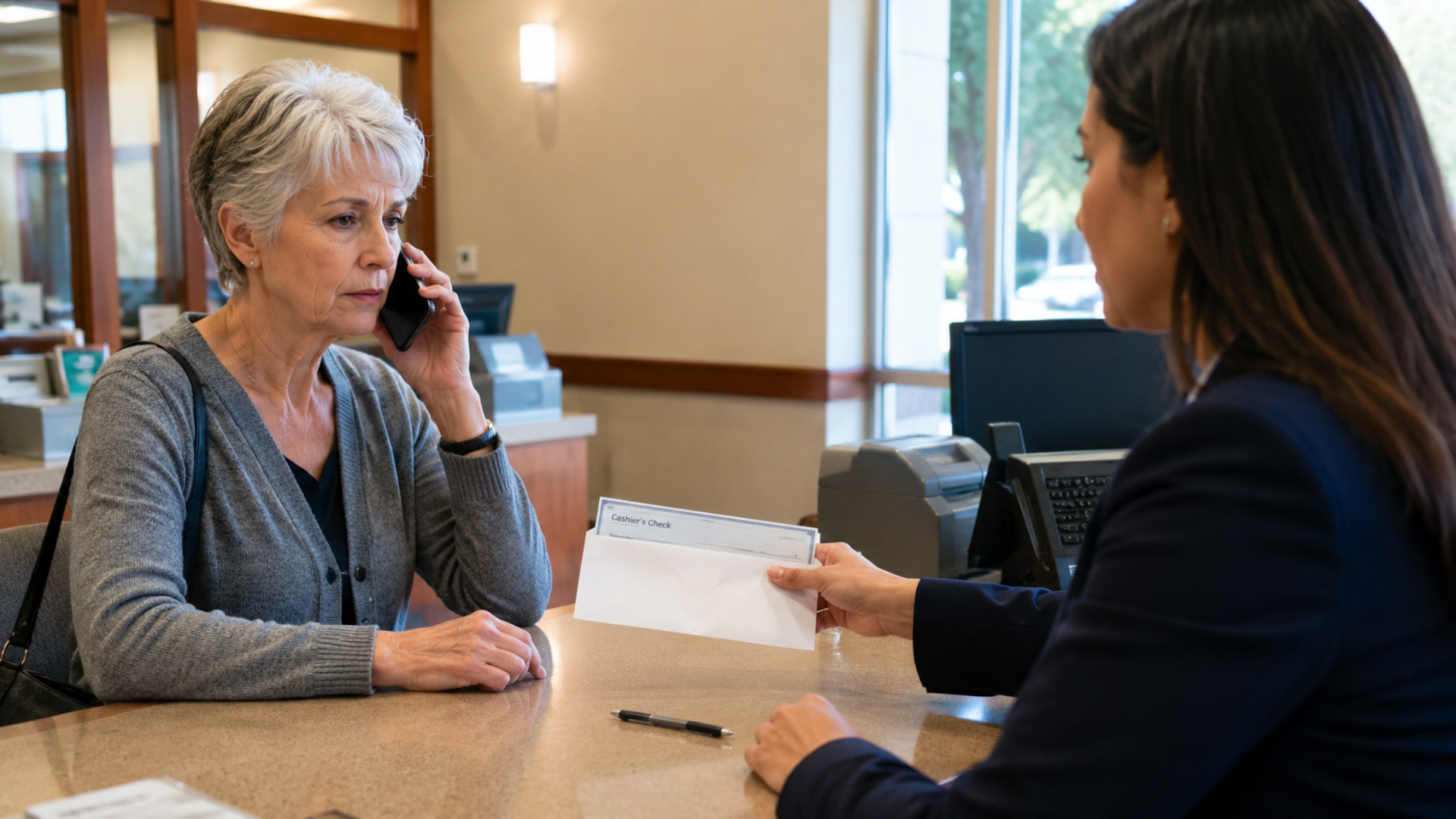
Convinced the threat was real, the victim was instructed to withdraw a massive sum and convert it into a cashier’s check. The final amount came to an oddly specific $153,860.80, the kind of precise figure that made the request feel official. That specificity is itself a common scam tactic, designed to mimic the exactness of a real financial transaction rather than the round numbers a casual thief might ask for.
The Check Was Shipped Overnight to an Address in New York City
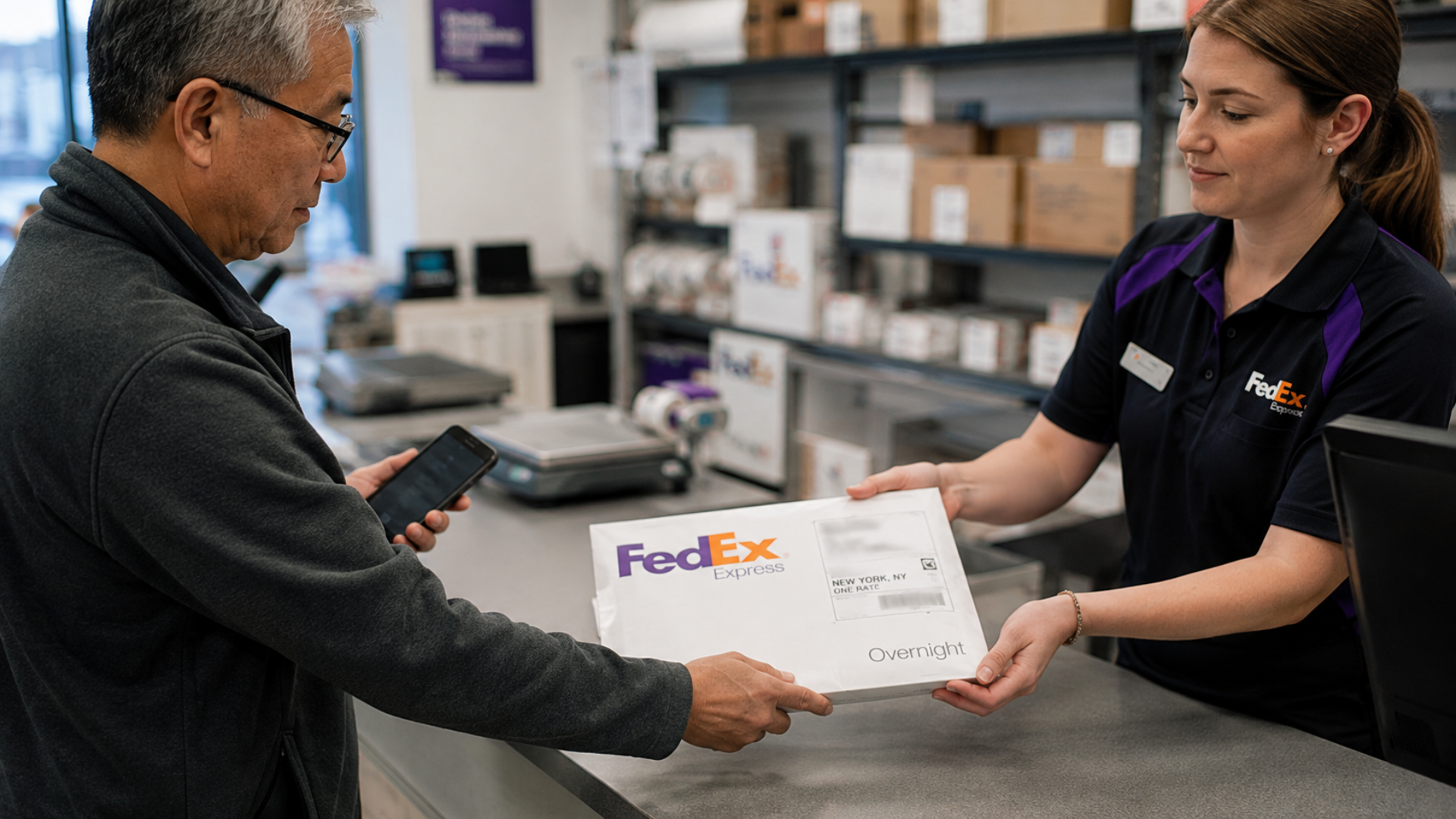
With the check in hand, the victim packaged it up and sent it via overnight FedEx to an address the scammers had provided in New York City. Cashier’s checks are notoriously hard to reverse once they clear, and overnight shipping meant the scammers were counting on speed to close the window for anyone to intervene. For a moment, it looked like the plan was working exactly as designed.
A Report to Central Dispatch Set a Recovery Effort in Motion
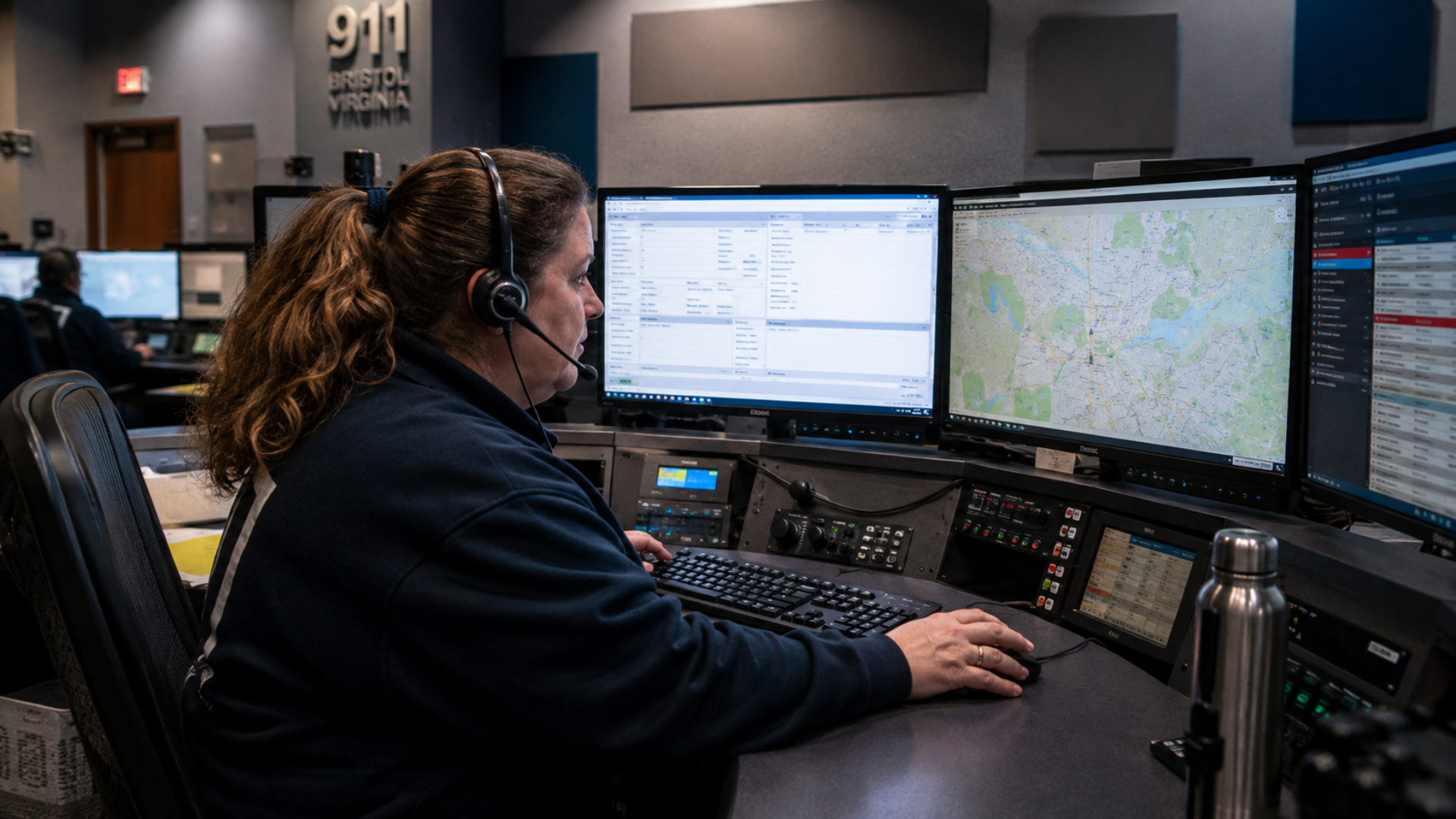
Bristol Virginia Central Dispatch received word of the suspected scam before the package reached its destination. That timing mattered enormously. Once dispatchers understood what had happened, they didn’t have hours to work with. They had a shipment already in transit and a narrowing window before it landed in the hands of whoever was waiting for it in New York.
Police, Dispatchers, and FedEx Employees Raced to Find One Package
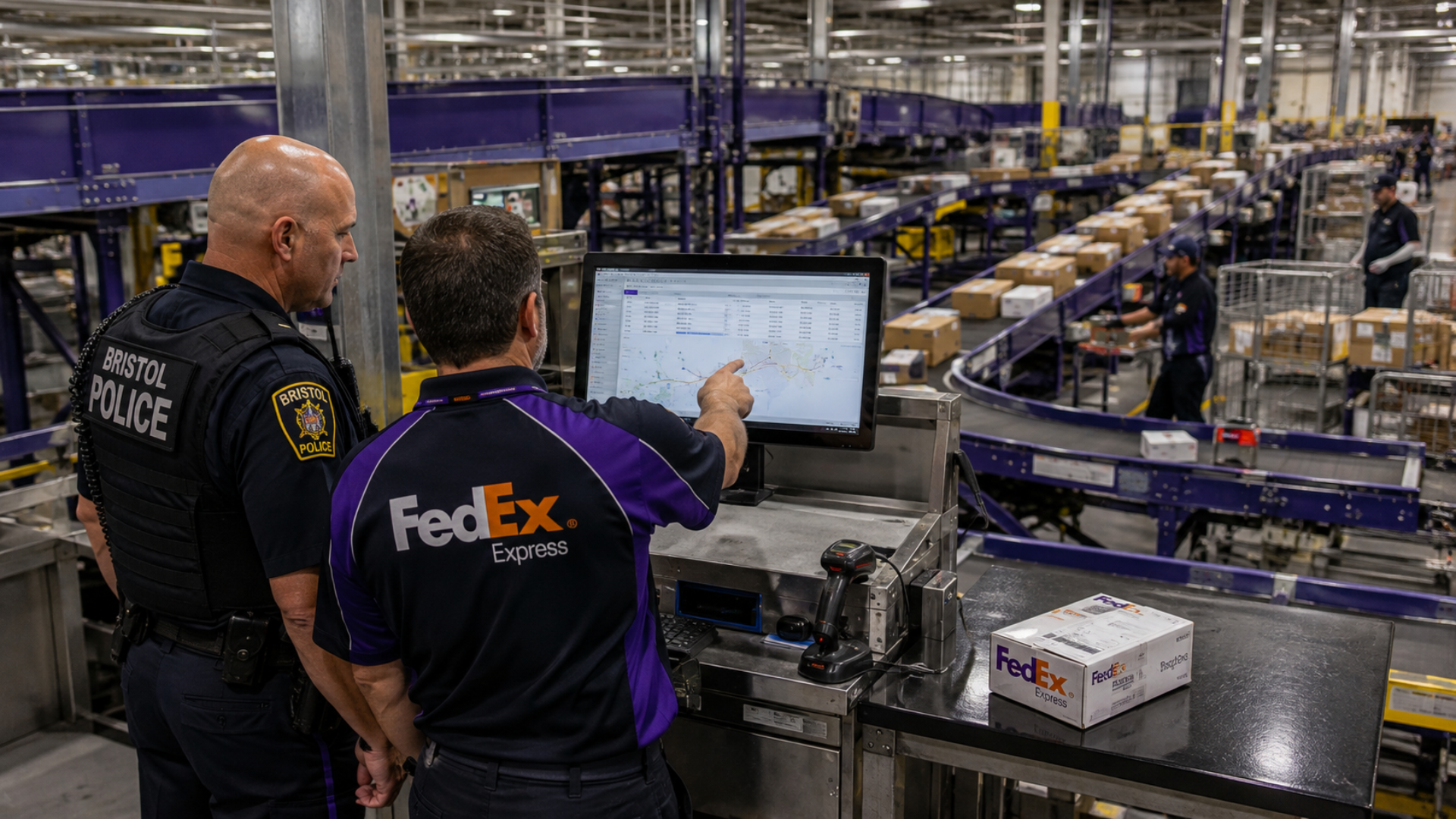
According to the police department’s release, “personnel with Bristol Virginia Central Dispatch and the Bristol Virginia Police Department immediately began working to locate the shipment and prevent its delivery.” That meant coordinating directly with FedEx staff to trace a single package moving through a nationwide shipping network, a search with a hard deadline attached to it.
The Package Was Pulled Before It Ever Reached the Scammers
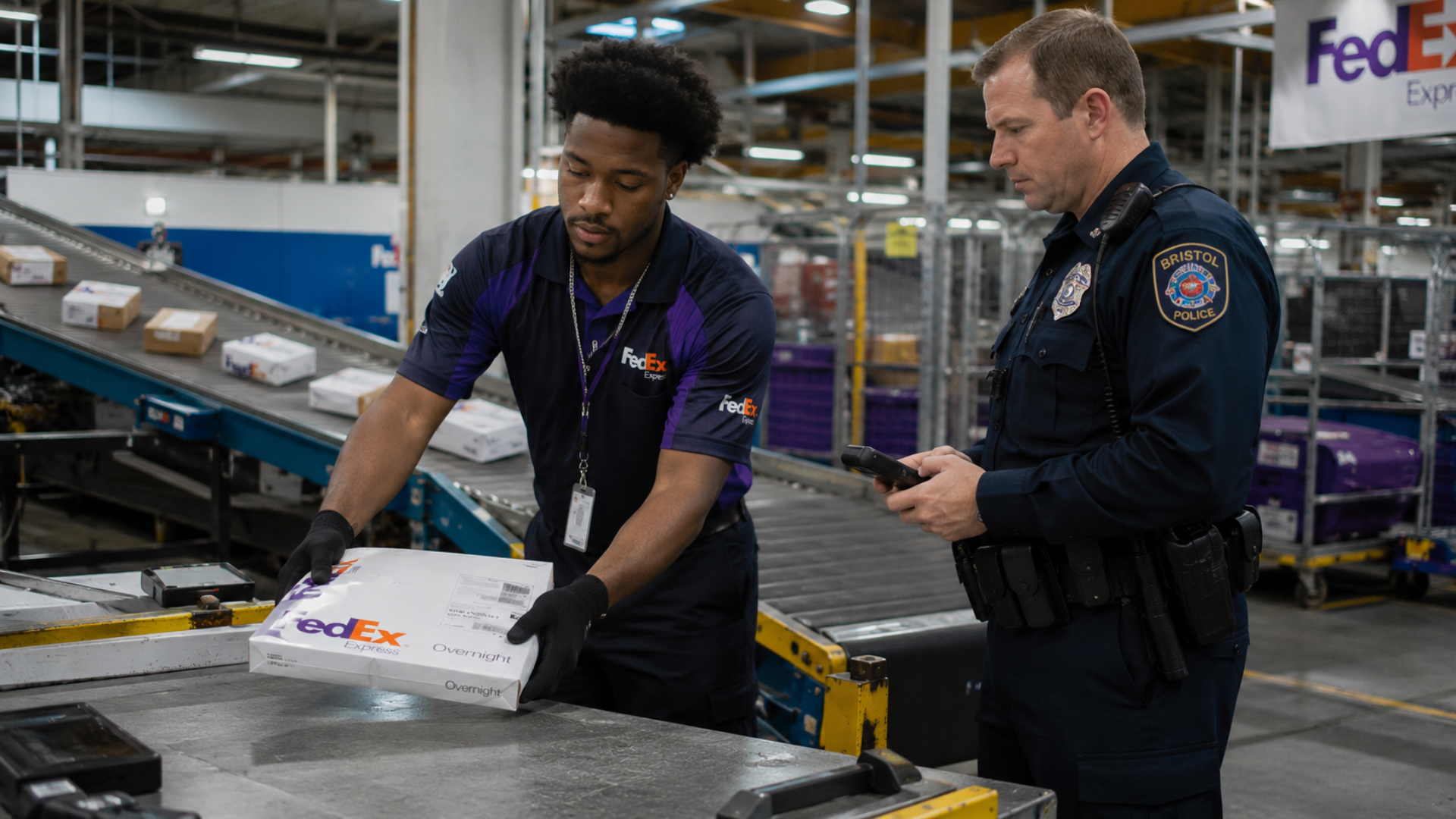
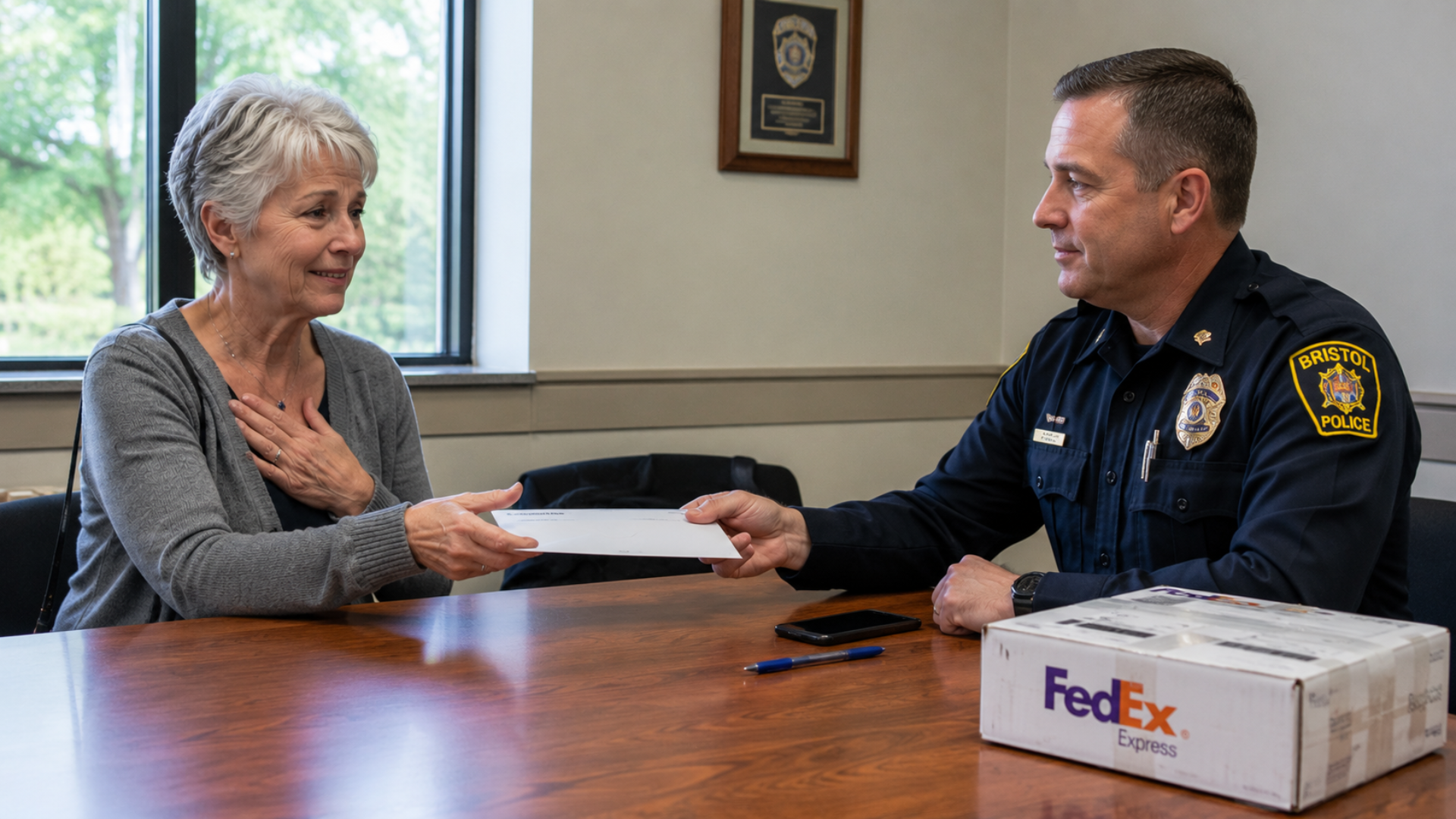
The coordinated effort paid off. Officers, dispatchers, and FedEx personnel successfully identified and intercepted the shipment, stopping it before it could reach its intended destination. The cashier’s check, worth more than $153,000, was recovered intact and eventually returned to the victim who had come within a delivery window of losing it entirely.
Bank Impersonation Scams Are the Most Costly Fraud Category in the Country
This case is far from an isolated incident. According to the Federal Trade Commission, Americans reported losing $3.5 billion to imposter scams in 2025, with bank impersonators responsible for the highest losses among all business impersonation schemes. Text-based scams alone accounted for hundreds of millions of dollars in reported losses, and officials say the tactics keep getting harder to distinguish from the real thing.
Officers Say the Pattern Targets Trust, Not Just Bank Accounts

Bristol Virginia Police Chief D. Byron Ashbrook pointed to a wider trend behind cases like this one, noting that scammers are becoming increasingly sophisticated in exploiting unsuspecting citizens, particularly older adults. The department has said Bristol residents alone have lost more than $300,000 to scams over the past three years, a number that underscores how often these schemes succeed before anyone has a chance to intervene.
The Fastest Way to Stop a Scam Is to Never Trust the First Message
Financial institutions rarely, if ever, ask customers to withdraw funds and ship a cashier’s check overnight. Anyone who receives an unexpected security alert should stop responding and call their bank directly using the number on the back of their card, not one provided in the text itself. If money or a package has already been sent, immediate action gives law enforcement and shippers the best shot at stopping delivery, exactly as it did in Bristol.