People Are Suddenly Putting Bowls of Vinegar Inside Their Closets to Solve This Common Household Problem
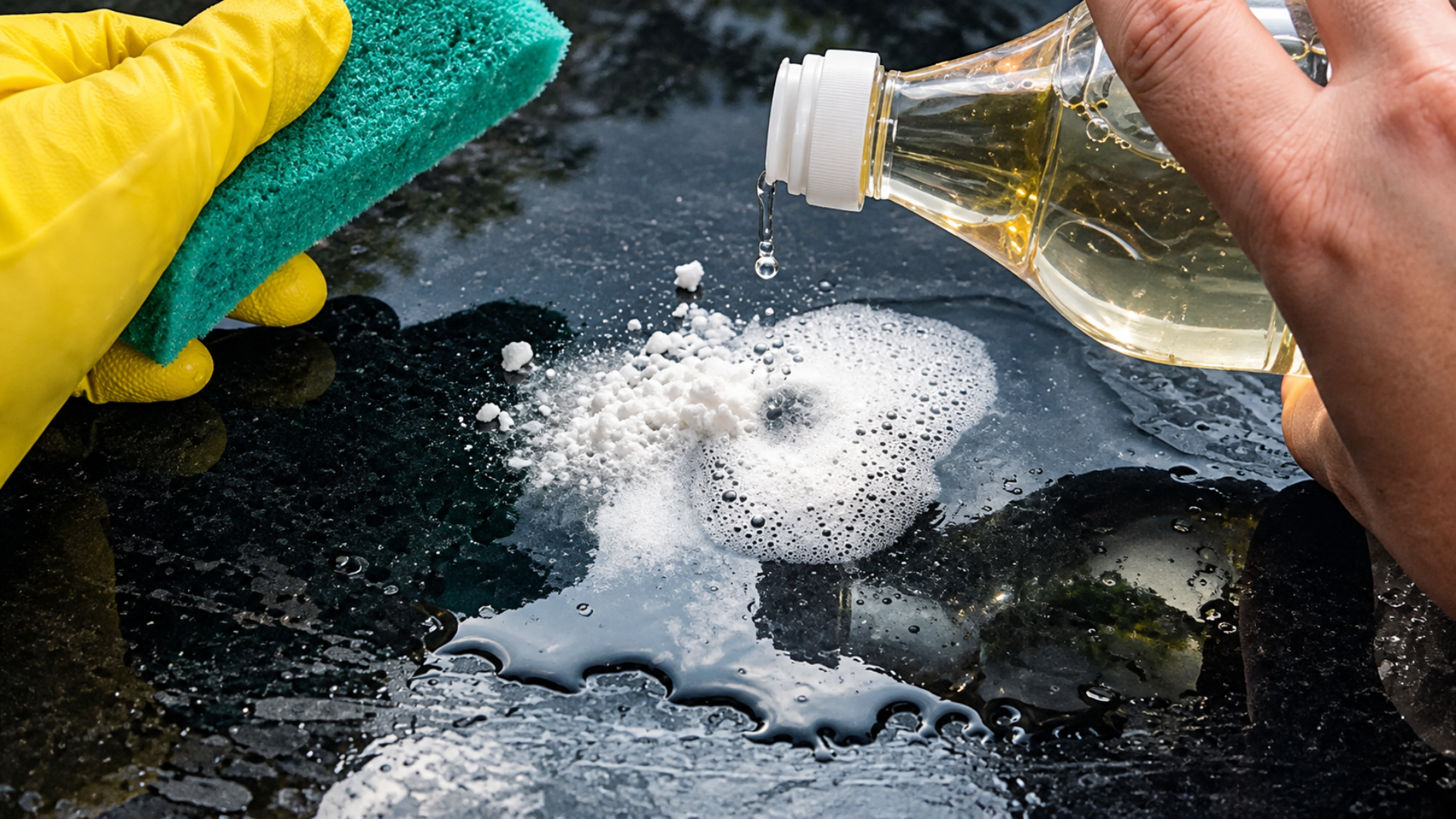

A closet packed with shoes, damp coats and worn gym bags can turn into one of the smelliest spots in the house. Instead of reaching for an aerosol spray, a growing number of people are setting a small bowl of white vinegar on a shelf and walking away. No scrubbing, no chemicals, no fragrance to cover the smell. Just a pantry staple doing something sprays cannot: actually pulling the odor out of the air.
Closets Trap Odor Because the Air Never Moves

Closets trap smell more easily than most rooms because they get little airflow and hold fabric, leather and rubber close together for hours at a time. Shoes carry sweat and bacteria. Coats absorb outside air, smoke and cooking odors. Once a closet door shuts, all of that lingers with nowhere to go. Over weeks, the smells build up until opening the door feels like walking into a locker room.
Sprays Cover Up Smells Instead of Removing Them
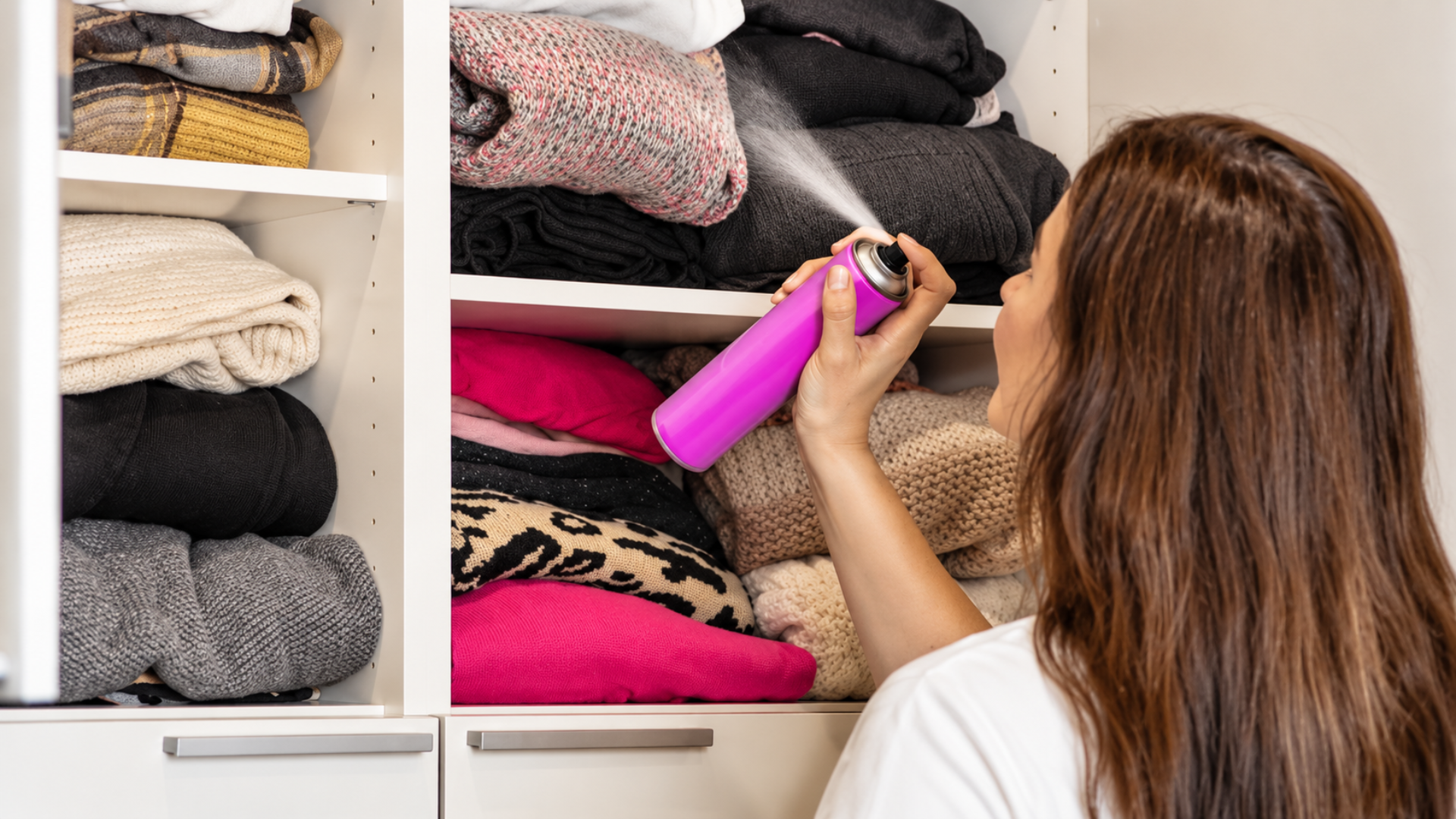
Most air fresheners work by adding a stronger scent on top of the existing odor rather than getting rid of it. That covers the smell for a few hours, then it creeps back once the fragrance fades. Scented sprays also introduce chemicals into an enclosed space where clothes and shoes sit for long stretches. People looking for a simpler fix started asking whether something already in their kitchen could do the job instead.
Vinegar’s Acid Cancels Out the Smell at a Chemical Level
White vinegar is acidic, and many household odors, including sweat and mildew, come from alkaline compounds. When vinegar sits in an open bowl, its acid molecules interact with those odor particles in the air and neutralize them rather than simply masking them. The smell does not vanish instantly. It fades gradually as the vinegar keeps working, which is why an open bowl left in place tends to outperform a quick spray.
The Method Uses Just 1 to 2 Ounces of Vinegar

The method itself requires almost nothing. Pour 1 to 2 ounces of white vinegar into a small bowl, set it on a shelf or the closet floor, and close the door. There is no need to stir it, heat it or replace it constantly. The vinegar works simply by sitting exposed to the air inside the closet, drawing in the surrounding odor molecules over time.
Texas A&M Extension Says Leave the Bowl Out for Days

There is no official rule for how long the bowl should stay in place. Texas A&M AgriLife Extension, which recommends the method for clearing smoke odors from a room, says a bowl of vinegar can safely sit out for several days at a time while it absorbs smell. Applied to a closet, that suggests leaving the bowl until the odor is noticeably weaker, then swapping in fresh vinegar if needed.
The Same Bowl Works in Bathrooms, Kitchens and Basements
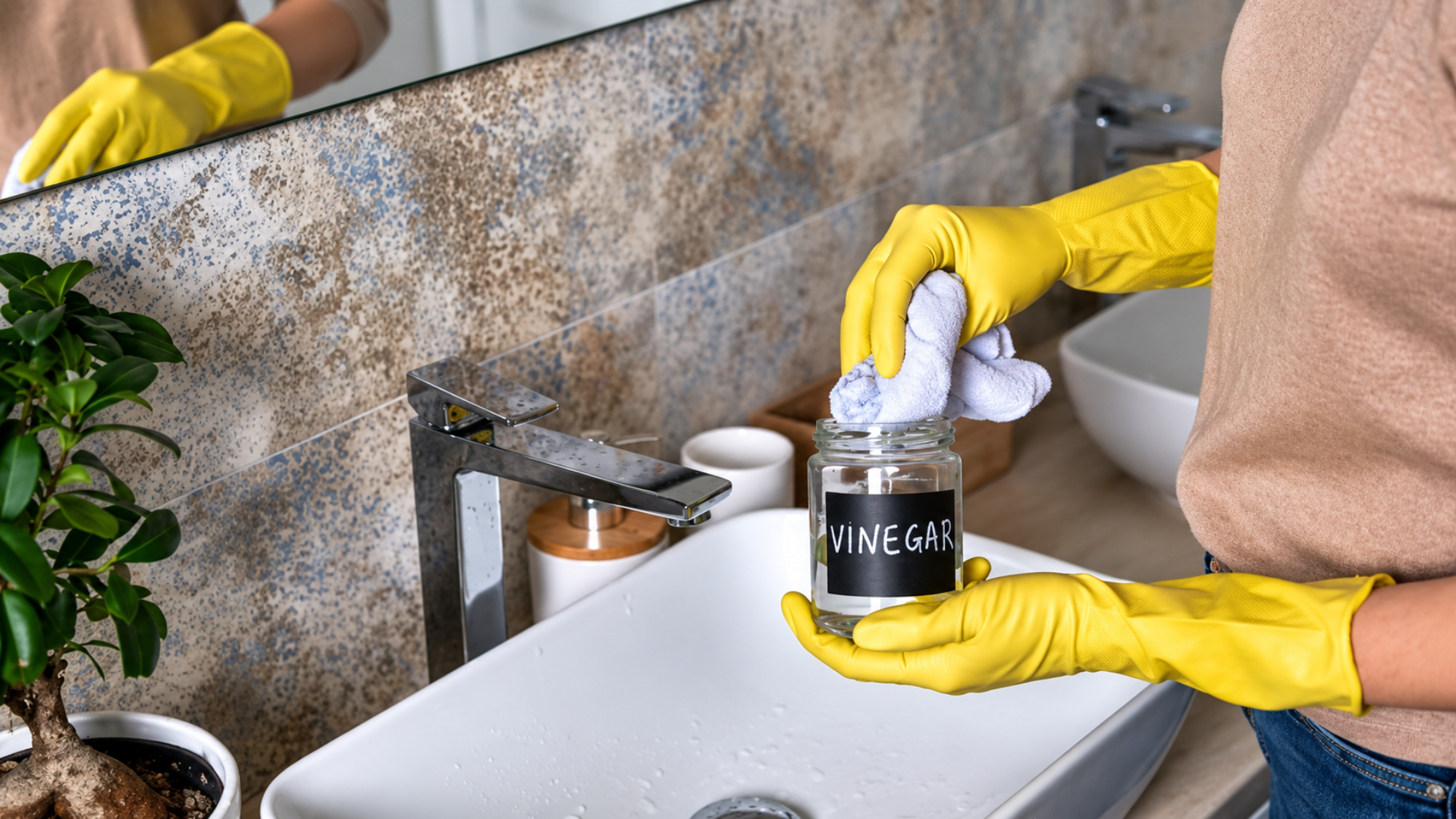
The same trick extends well beyond closets. A bowl of vinegar left in a bathroom can cut through mildew smell near a shower, and one set in a kitchen can tame lingering cooking odors after a big meal. Musty basements, which trap moisture much like closets trap fabric, respond to it too. The common thread is any small, enclosed space where a smell has nowhere to escape.
A Few Drops of Lavender Oil Fixes Vinegar’s Own Smell

The method is not without its downside. Vinegar has its own sharp smell, and some people find it almost as unpleasant as what they were trying to remove. A few drops of an essential oil, such as lavender, mixed into the bowl can soften that smell without weakening how well the vinegar absorbs odor. Even then, the vinegar scent typically fades within a day or two once the bowl is removed.
Keep the Bowl Away From Pets and Young Children

An open bowl of liquid sitting on a closet floor or shelf carries its own risks in a busy household. Pets and young children can knock it over or, worse, try to drink from it. Anyone using this method with kids or animals in the house should place the bowl somewhere out of reach, such as a higher shelf, rather than on the floor where it is easiest to bump.
Deep-Set Odors Still Need More Than a Bowl on a Shelf
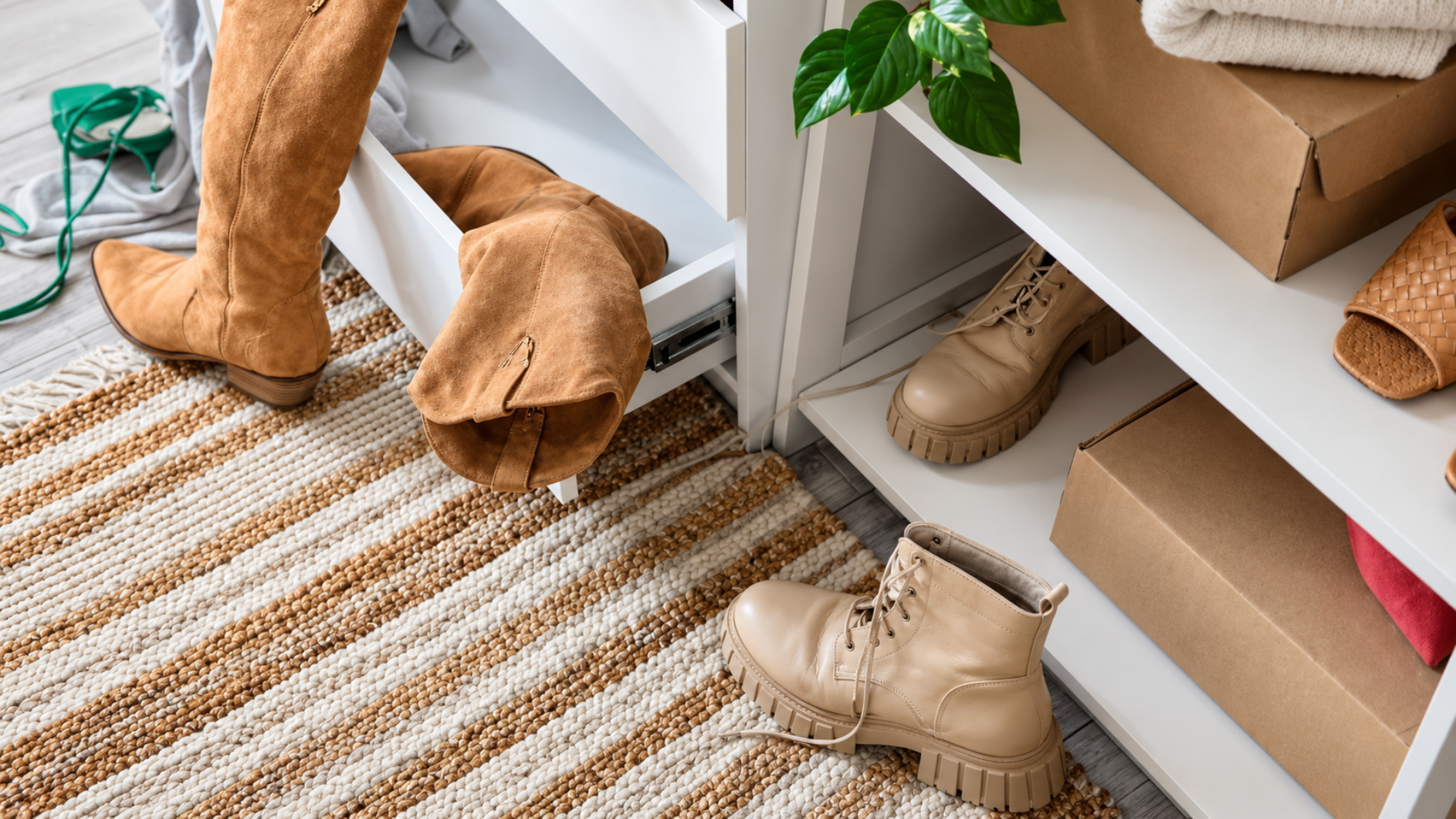
Vinegar will not fix every closet smell. Odors trapped deep in carpet padding, insulation or old drywall often need stronger tools than a bowl on a shelf can offer. But for the everyday mix of shoe sweat, musty air and forgotten laundry that builds up behind a closed door, a few ounces of vinegar handle the job better than most sprays ever could, at a fraction of the cost.