Vacuum Experts Say We Should Pay Attention to This One Detail Most People Overlook
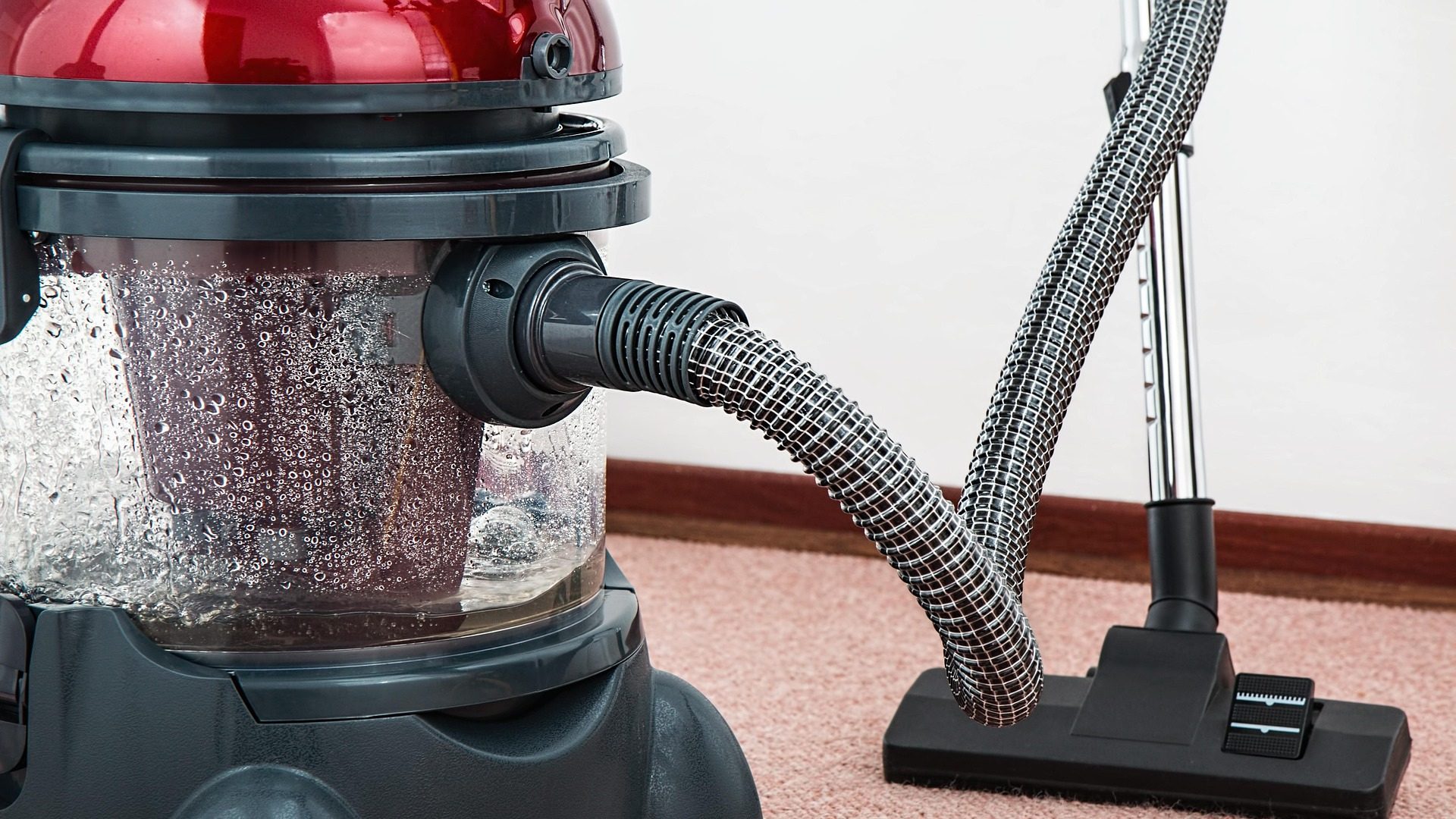

You rush the vacuum across the rug, pat yourself on the back, and move on with your day. But your carpet is still dirty. Experts say most people vacuum far too fast to actually clean anything. You should spend at least 30 seconds on every single square metre of floor, according to Katie Lilywhite, a floorcare expert at AO. That means the fast pass you’re used to is barely doing anything at all.
Speed feels like progress, but with vacuums, it works against you. Lilywhite says dust, hair, and tiny particles don’t just sit on top of your carpet. They sink deep into the fibers below. “Moving too quickly reduces that contact time,” she said, “which means the vacuum can’t lift heavier debris or fine dust effectively.” That single sentence explains why your floors can look clean and still be full of hidden dirt.
The 30-second rule is not a random number pulled from nowhere. It matches how suction and brush movement actually pull dirt free. A vacuum needs airflow, a spinning brush, and enough time touching the surface to work. Skip the time, and you skip the result. That means the difference between a truly clean home and one that only looks clean comes down to something as simple as slowing down.
Why Rushing the Vacuum Undoes All Your Work
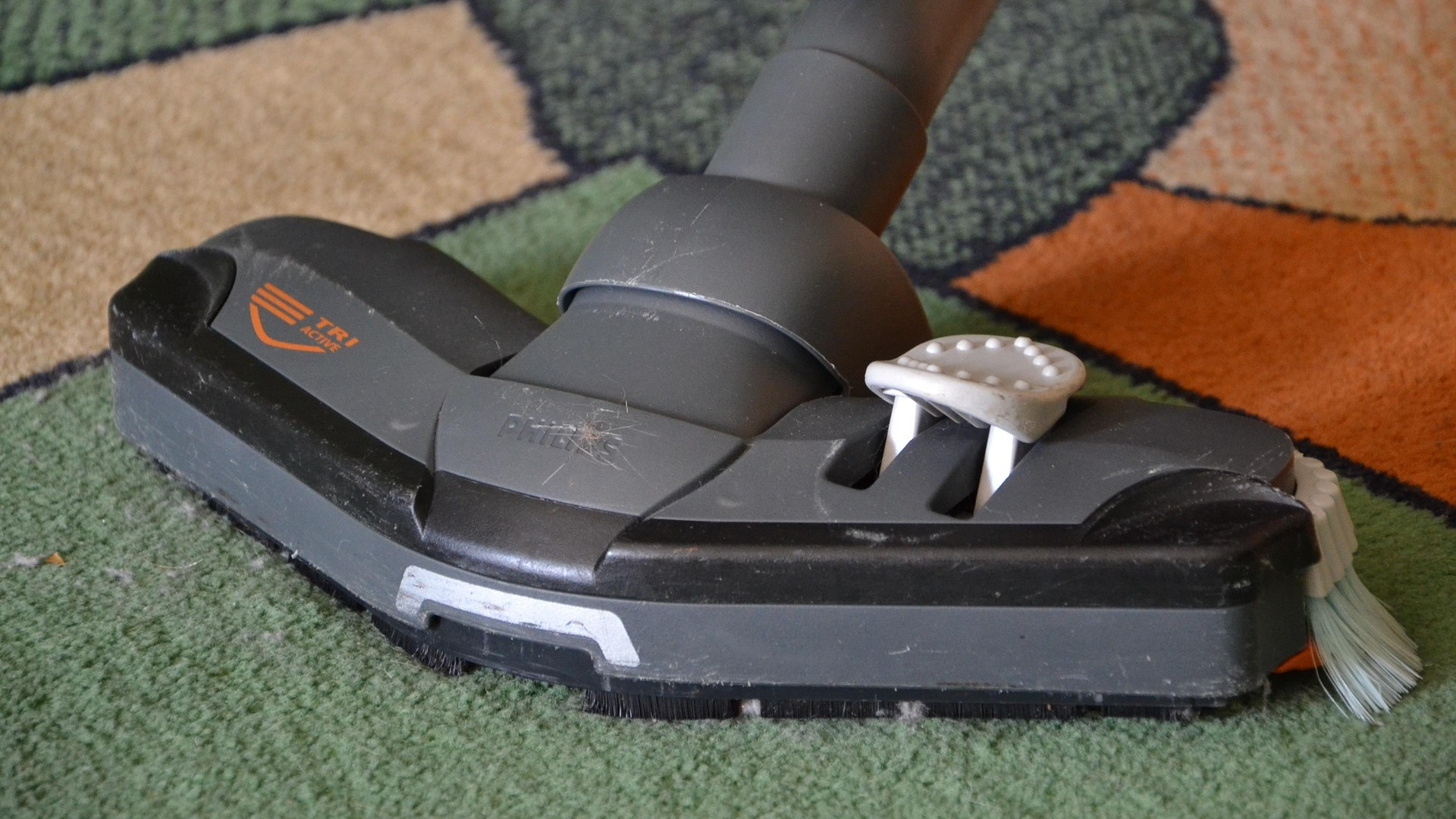
Dirt does not sit quietly waiting to be picked up. It burrows. Lilywhite explains that dust and hair work their way deep into carpet fibers and textured flooring over time, especially in busy parts of the home. That means a quick swipe across the surface barely touches the real problem underneath. Effective cleaning depends on strong airflow, brush movement, and enough time in contact with the floor to actually work.
Slowing down changes what a vacuum can actually accomplish. According to Lilywhite, methodical, slower passes let a vacuum’s suction fully engage with the carpet. This gives the airflow time to loosen and lift trapped particles instead of skating past them. “Around 30 seconds per square metre is a useful benchmark for achieving a noticeably deeper clean,” she said, especially in high traffic spots or homes with pets.
Direction matters just as much as speed. Lilywhite recommends overlapping your passes and vacuuming in multiple directions, since this helps lift carpet fibers from different angles. Skipping this step means dirt trapped sideways in the fibers never gets pulled free. It is a small adjustment. But it is the difference between a vacuum that looks like it’s working and one that is actually doing its job.
The Six Everyday Items That Can Wreck Your Vacuum for Good
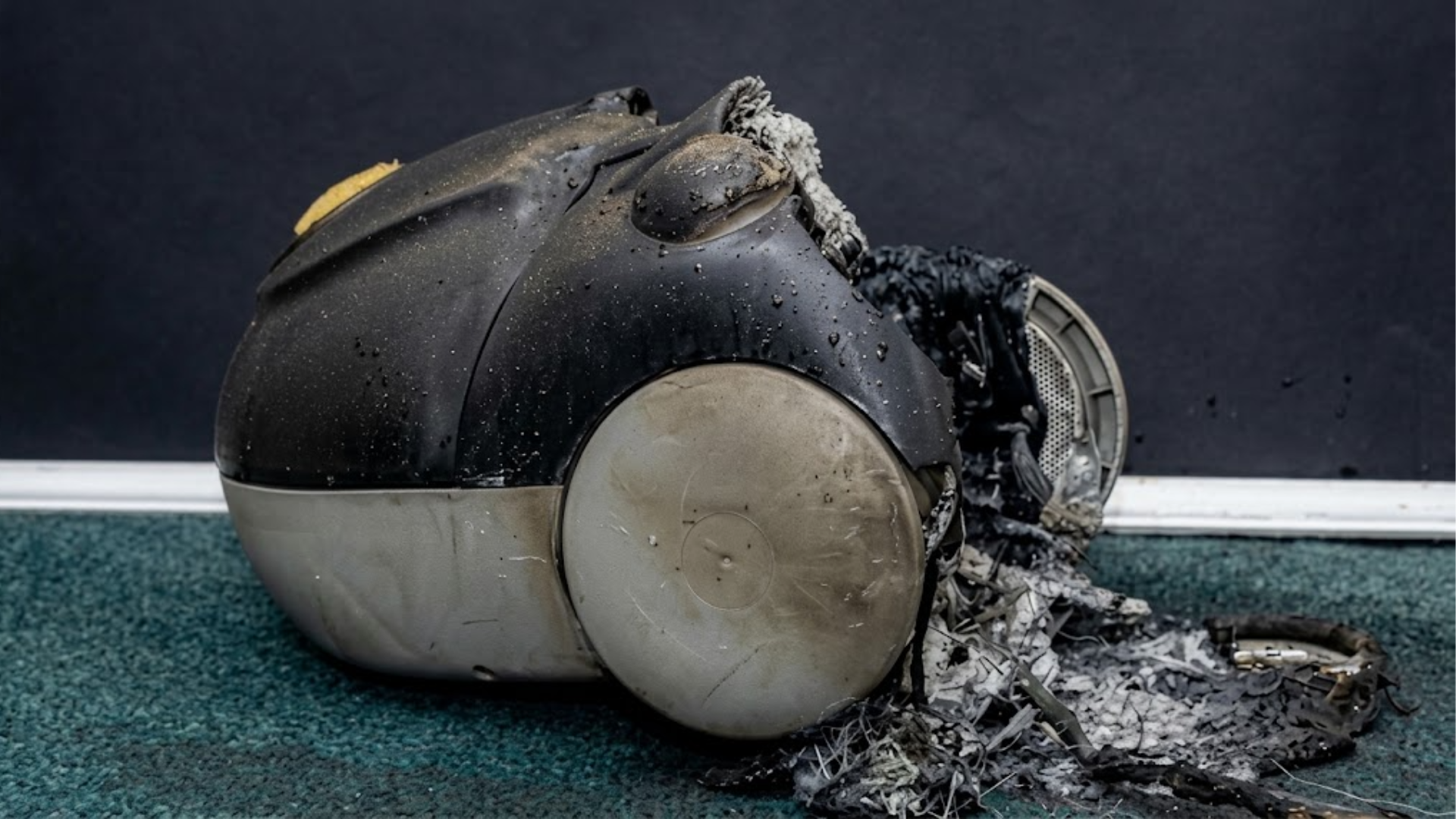
Not every mess belongs in your vacuum, no matter how tempting it looks. Which? experts warn that ash, sawdust, sharp objects, soil, liquids, and sticky items like glitter or glue can seriously damage your machine. Ash and sawdust clog filters almost instantly. Broken glass can lodge itself inside the hose or motor. These are not small risks. A single mistake can turn a working vacuum into a broken one within seconds.
A struggling vacuum is often trying to tell you something. “If your vacuum is making a strained, desperate noise and the suction has dropped, it could be blocked,” Which? experts said. That warning sound usually means something got sucked up that shouldn’t have. Poor suction and clogged filters are among the most common complaints from vacuum owners everywhere. Liquids are especially dangerous, since they can create a real risk of electrical fire inside the machine.
Some mistakes are less obvious than others. Vacuuming up soil or plant debris might seem harmless, but the machine’s weight can actually grind dirt deeper into your carpet fibers instead of lifting it out. A dustpan and brush works far better for that kind of mess. Knowing what to avoid is just as important as knowing how long to vacuum, and both habits shape whether your home ends up truly clean.
A 1950s Brand Name Still Shapes How We Talk About Cleaning Today
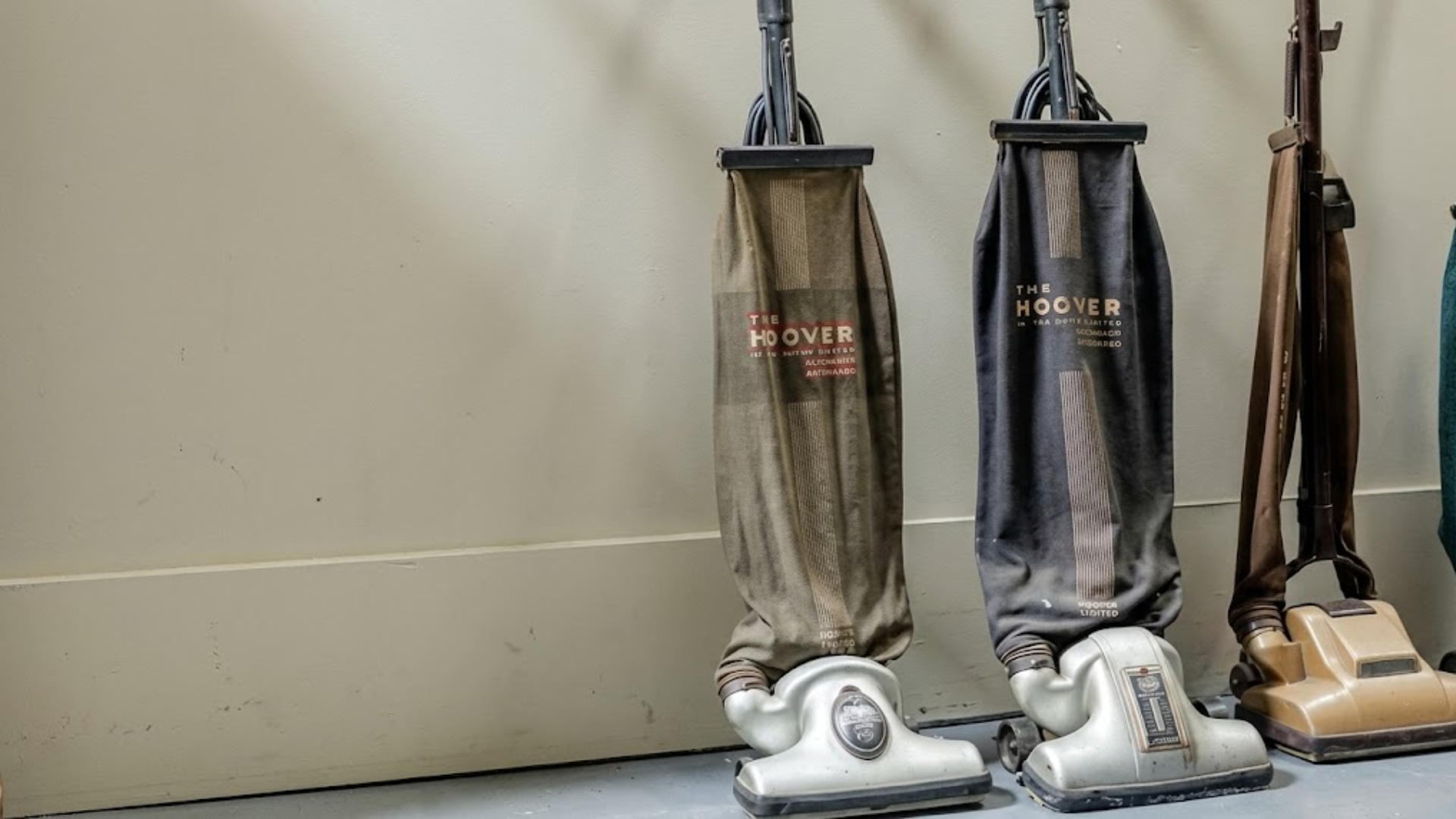
Long before anyone measured vacuuming in seconds, one company shaped how people even talked about cleaning. Vacuums only became common household items in the 1950s, and back then, nearly every model belonged to one company: The Hoover Company. Its name became so dominant that people, especially in the UK, started calling every vacuum a “hoover,” no matter who actually made it. That habit has outlived the decade that created it.
A brand name became a verb, and it never let go. “Hoovering” is still used today to describe vacuuming in general, according to Hoover Direct. That kind of language shift is rare. It means one company’s influence became so total that its name replaced the actual word for the object itself, sticking around decades after other vacuum brands entered the market and changed how the machines actually work.
The real lesson hiding inside this story isn’t about brand names at all. It’s that habits, once formed, are hard to shake, whether it’s calling every vacuum a hoover or racing through a room in ten seconds flat. Both habits came from convenience, not evidence. And both quietly failed the people who trusted them, proving that the oldest habits are often the ones most overdue for a second look.