Vaccine Access Could Get More Expensive Under New Policy Changes
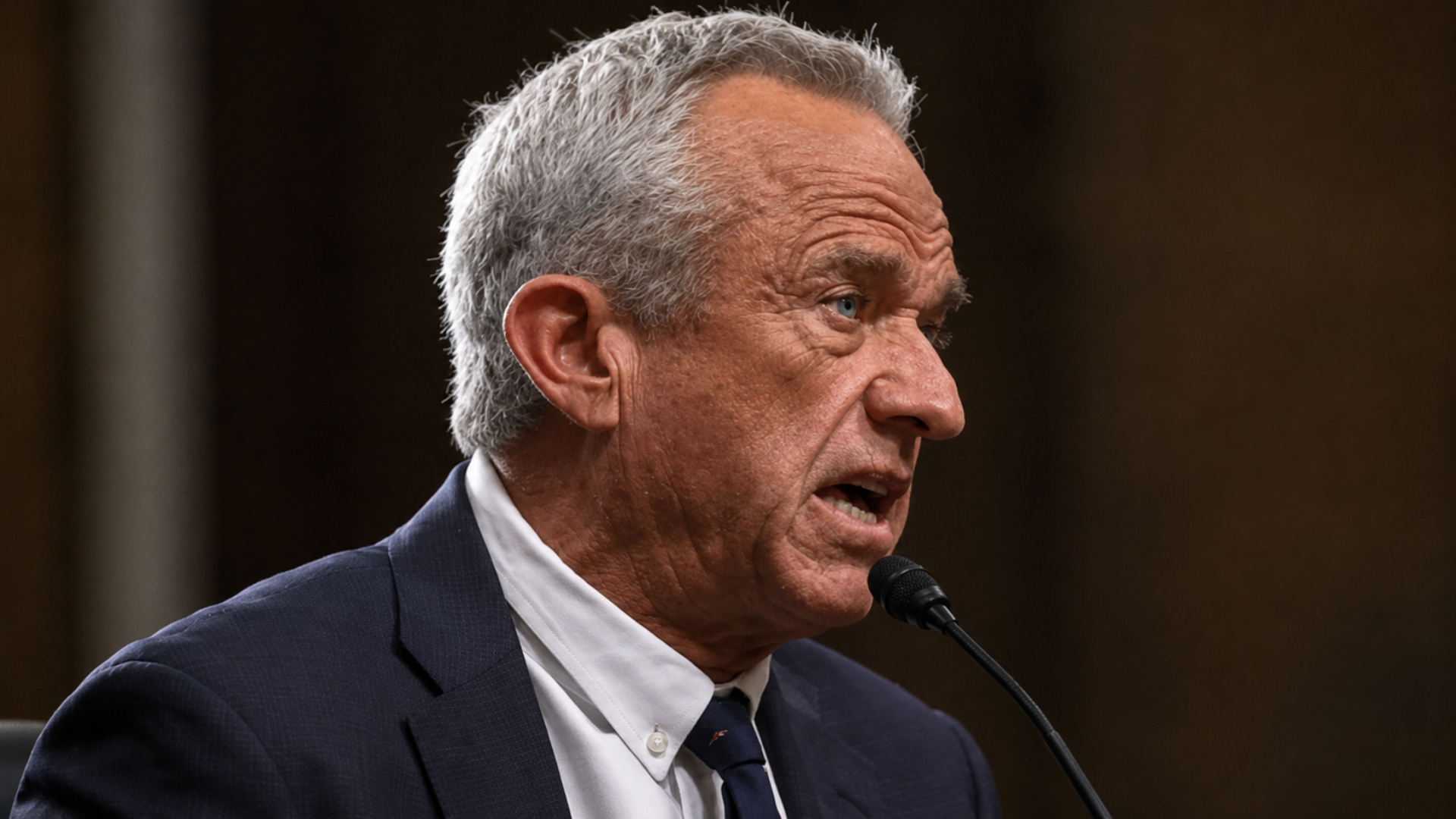

A federal program built to make vaccines affordable is now the center of a fight over whether it survives at all. Health Secretary Robert F. Kennedy Jr. says the Vaccine Injury Compensation Program is broken and needs fixing. Critics, including Hispanic Leadership Fund president Mario H. Lopez, argue his approach could do the opposite, driving up costs for families and pushing routine childhood vaccines out of reach for millions.
The Vaccine Injury Compensation Program, created by Congress in 1986, lets people injured by a vaccine seek compensation without proving a manufacturer was negligent. That no-fault structure was designed specifically to spare ordinary families from expensive lawsuits while keeping vaccine manufacturers in the U.S. market. Kennedy has called the program dysfunctional, writing on social media that he intends to overhaul how it operates going forward.
Kennedy has been direct about his intentions. “The VICP is broken, and I intend to fix it,” Kennedy wrote, arguing the program has failed its core mission of compensating injured people quickly and fairly. He has previously pushed to expand which conditions qualify for compensation, a change supporters say would help more claimants, and critics warn could overwhelm a system built around a limited set of recognized injuries.
A Court Ruling Calls the New Vaccine Panel “Distinctly Unqualified”
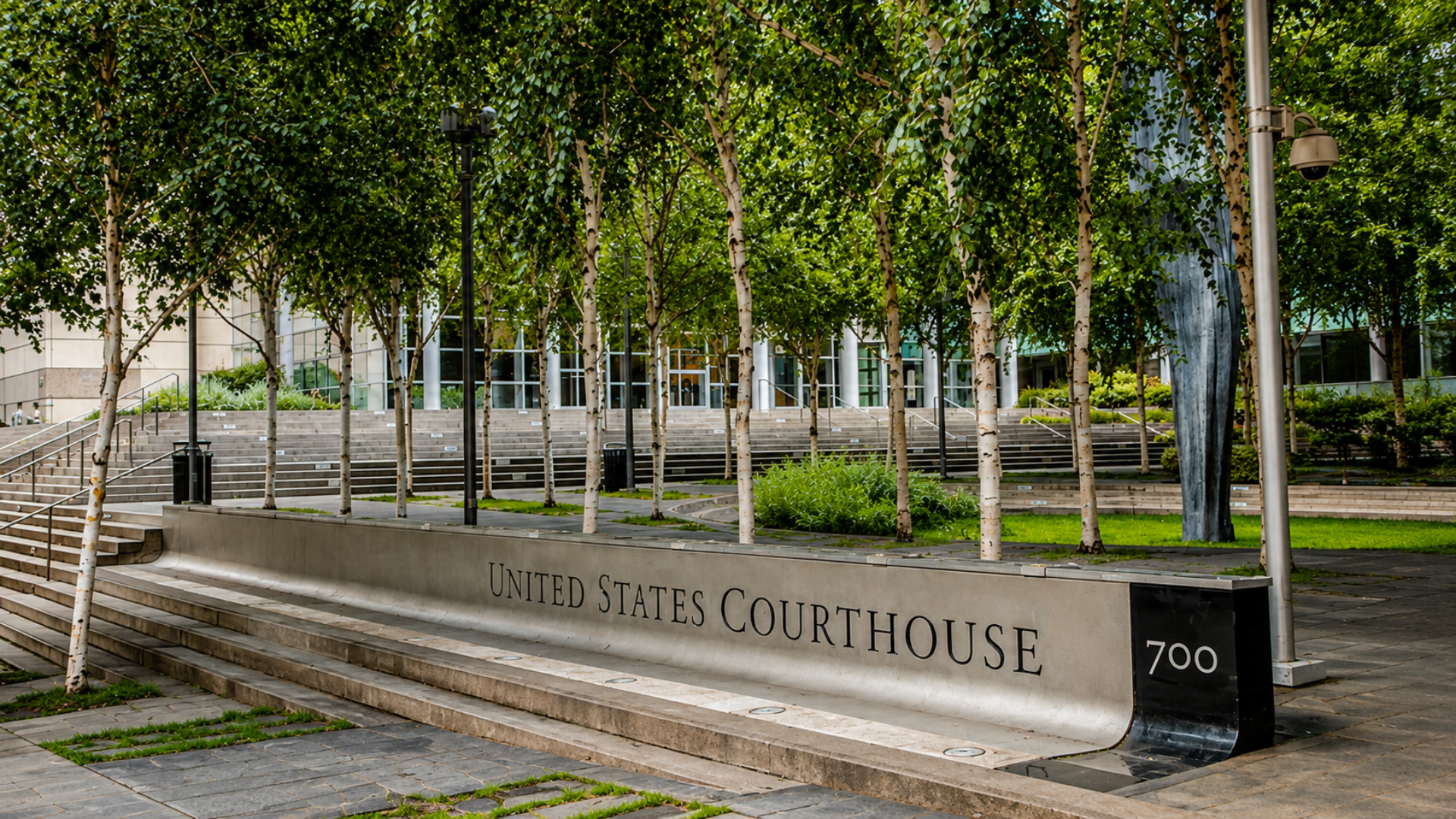
Kennedy’s changes have not gone unchallenged in court. In March, federal Judge Brian Murphy blocked thirteen of Kennedy’s appointees to the CDC’s vaccine advisory panel, ruling the newly reconstituted committee was unlawfully formed. Murphy wrote that most of the appointees “appear distinctly unqualified,” noting only six of fifteen members had meaningful vaccine expertise, despite the panel’s charter requiring relevant scientific background.
HHS pushed back on the ruling almost immediately. Spokesperson Andrew Nixon said the department “looks forward to this judge’s decision being overturned,” dismissing the ruling as part of a pattern of judicial obstruction against the administration’s broader agenda. Rather than accept the decision, Kennedy’s department issued a new charter for the advisory committee, broadening the qualifications considered acceptable for future appointees to the panel.
That standoff matters beyond one advisory committee. Under current law, insurers are required to fully cover every vaccine the committee formally recommends. If Kennedy’s changes reduce or reshape those recommendations, the financial burden for uncovered shots could shift directly onto parents, according to critics like Lopez, turning routine pediatric vaccinations into an out-of-pocket expense for families who previously paid nothing at all.
Lawmakers and Critics Question Who Actually Benefits From the Overhaul

Congressional Democrats have raised similar alarms directly to Kennedy. Senators Elizabeth Warren, Richard Blumenthal, Ed Markey, and Angela Alsobrooks sent a joint letter questioning the transparency of his approach and potential conflicts of interest tied to his past ties with vaccine litigation. “Any reform of VICP should be transparent, free of ethics questions, based on the advice of legitimate public health and vaccine experts,” the senators wrote.
Lopez’s critique goes further, tying the policy fight directly to who benefits financially if the compensation system changes. He argues Kennedy’s approach would push injured claimants out of a streamlined federal process and into state civil courts, an outcome Lopez says “he is more concerned about his own financial interests” in pursuing, given Kennedy’s history of litigation involvement against vaccine manufacturers before joining the administration.
History offers a specific warning that both sides reference differently. Litigation pressure around the DPT vaccine in the 1980s drove several manufacturers out of the U.S. market entirely, shrinking domestic supply and pushing prices higher, the exact instability that led Congress to create VICP in the first place. Critics argue undoing the program’s protections risks recreating that same shortage decades later.
The Fight Isn’t Just About Vaccines. It’s About Who Pays.

Not every part of this fight is purely partisan or ideological. Even experts who support reforming VICP acknowledge real problems exist, including a significant claims backlog and compensation caps that have not been updated since the 1980s. That leaves room for a version of reform focused narrowly on speed and modernization, separate from the broader structural changes critics say Kennedy is actually pursuing.
The political stakes extend well past vaccine policy itself. Lopez frames the fight as a risk to Republican midterm prospects, arguing that voters in Texas, Florida, and Oklahoma, states with high uninsurance rates and strong 2024 support for President Trump, would be hit hardest by sudden price increases on routine pediatric vaccines if the compensation system collapses under new litigation pressure.
Whatever version of VICP survives this fight will decide something bigger than paperwork inside one federal program. It will decide whether a rare, serious vaccine injury still comes with a fast, no-fault path to compensation, or whether families are pushed back into a courtroom system built for high-dollar cases, not the ordinary claims this program was created to handle in the first place.