New AI Data Center in Utah Will Drain More Than Twice the Entire State’s Energy Supply
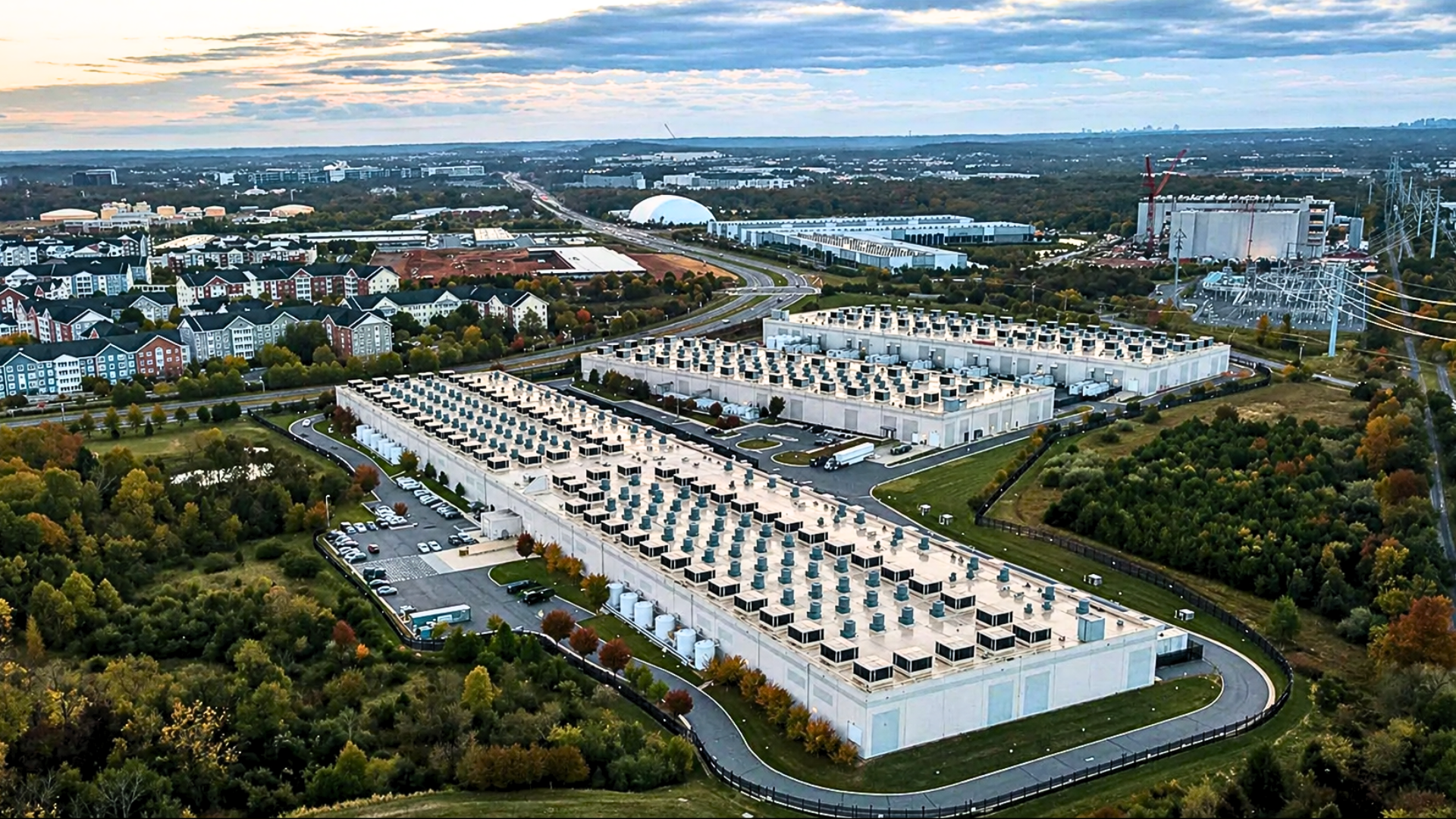

Utah is about to host a massive artificial intelligence hub that will consume more electricity than every home and business in the state combined. This ambitious project, led by Shark Tank star Kevin O’Leary, aims to build a hyperscale data center campus in Box Elder County. With a total projected capacity of 9 gigawatts, the facility will dwarf the state’s current average usage of 4 gigawatts. The scale is almost impossible to imagine.
The Massive Footprint of Project Stratos
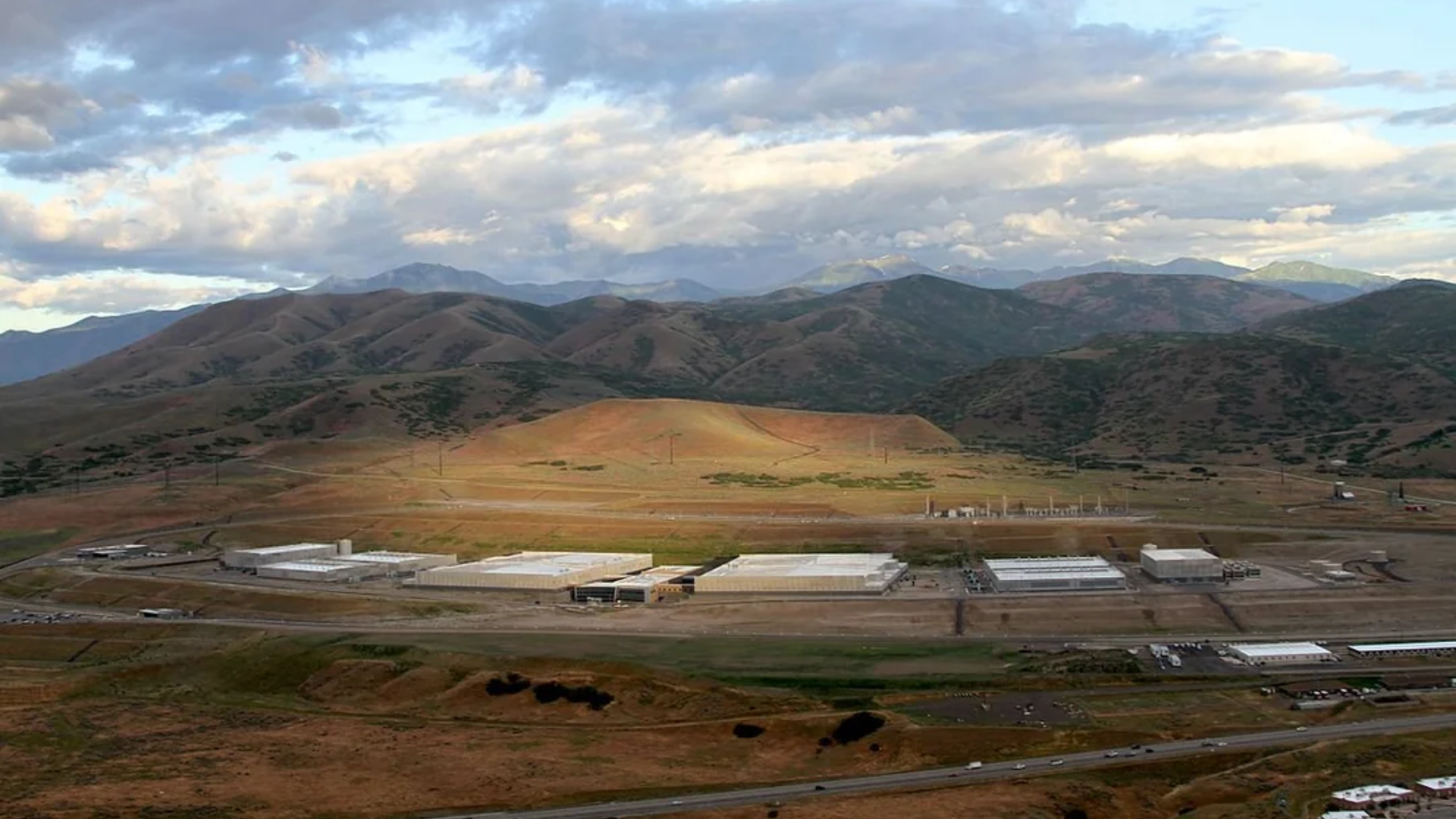
The project, officially named Stratos, is not just another warehouse for servers. It will span a staggering 40,000 acres of private land, bolstered by another 1,200 acres of military and state property. Managed by O’Leary Digital, the infrastructure arm of the investor’s firm, the site is designed to be a self-sustaining powerhouse. This massive footprint is necessary to house the specialized hardware required to train the next generation of artificial intelligence models.
Solving the Power Grid Problem
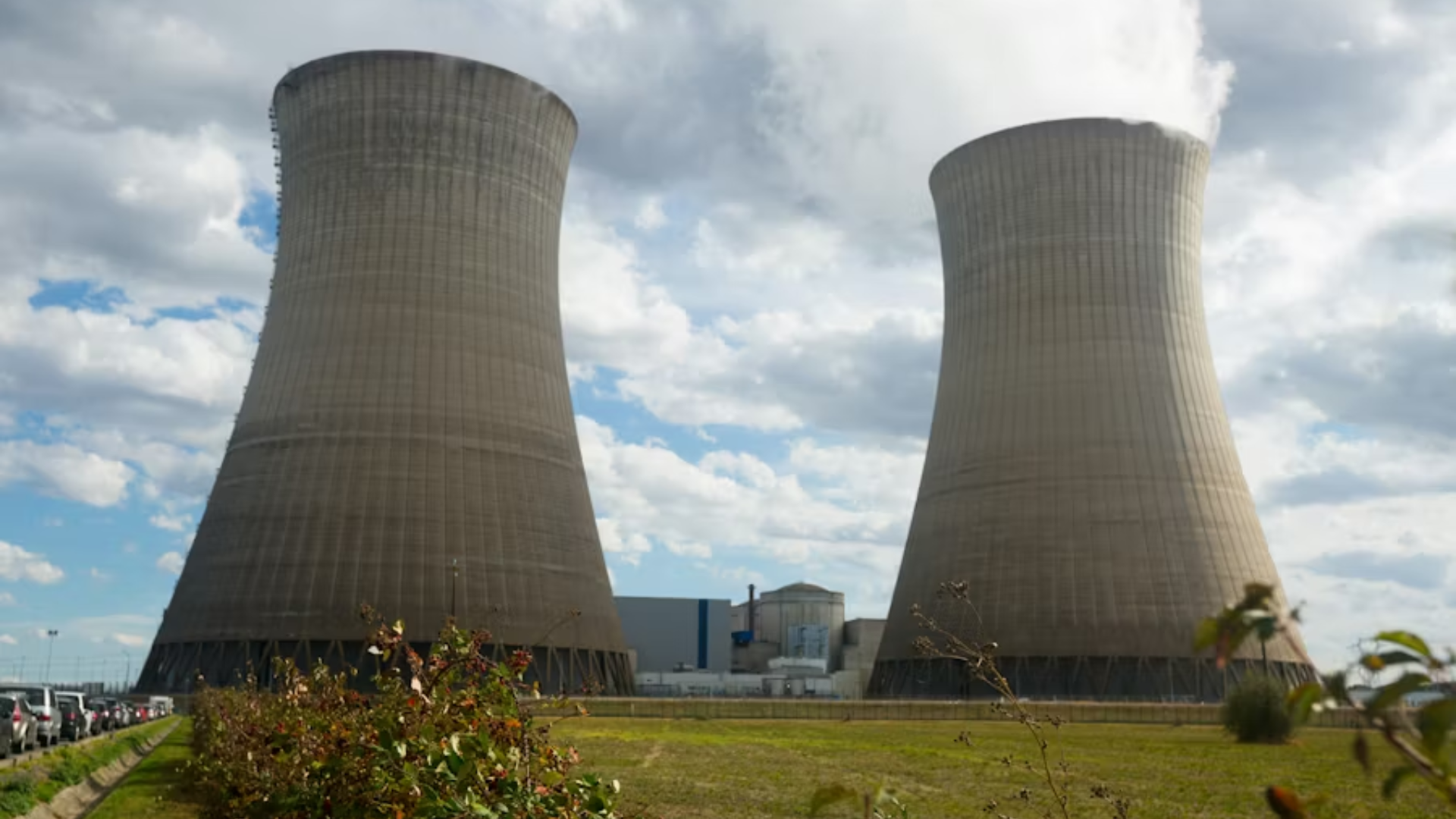
A major concern for any project of this size is the strain on existing infrastructure. However, officials claim that Stratos will not take a single electron from Utah’s public power grid. Instead, the facility plans to generate its own electricity on-site. By connecting directly to the Ruby Pipeline, an interstate natural gas line running from Wyoming to Oregon, the campus can fuel its own massive turbines without slowing down the lights for local residents.
A Global Race Against China

Kevin O’Leary frames this project as a matter of national security and global competitiveness. During a meeting with state officials, he pointed out that China has built 400 gigawatts of power capacity in just two years, largely to fuel its own AI ambitions. He believes the United States is in a direct race for technological dominance. By building these massive hubs, the U.S. can ensure it remains the leader in the rapidly evolving digital landscape.
Massive Incentives for Big Tech

To lure the world’s biggest tech companies to Box Elder County, Utah’s Military Installation Development Authority offered significant financial breaks. They slashed the energy use tax from 6 percent down to just 0.5 percent. Additionally, the state agreed to rebate 80 percent of the property tax revenue back to O’Leary Digital. These aggressive tax cuts are designed to make Utah the most attractive destination for giants like Google, Amazon, or Microsoft.
Economic Windfall for Box Elder County
Despite the heavy tax breaks, the local economy stands to gain a historic amount of revenue. Projections suggest that the county could see 30 million dollars annually during the first phase of construction. Once the campus reaches its full 9-gigawatt capacity, that number could jump to over 100 million dollars every year. These funds could transform local schools, roads, and public services, providing a massive boost to a largely rural part of the state.
Jobs and Sales Tax Revenue

Beyond property taxes, the project promises to be a major employment engine for the region. Developers expect to create approximately 2,000 permanent jobs once construction is complete. Furthermore, the state anticipates collecting roughly 250 million dollars in annual sales tax receipts from the operations of the data centers. This influx of cash and high-tech career opportunities could shift the economic identity of Northern Utah for generations to come.
The New Standard for Data Centers

Stratos is part of a growing trend where tech companies bypass traditional utilities to build their own power plants. Meta is funding natural gas plants in Louisiana, and SoftBank is planning a 10-gigawatt campus in Ohio. By controlling their own energy sources, these companies avoid years of waiting for grid connections. This shift suggests that the future of the internet will depend on massive, independent energy hubs scattered across the American landscape.
Environmental and Resource Questions
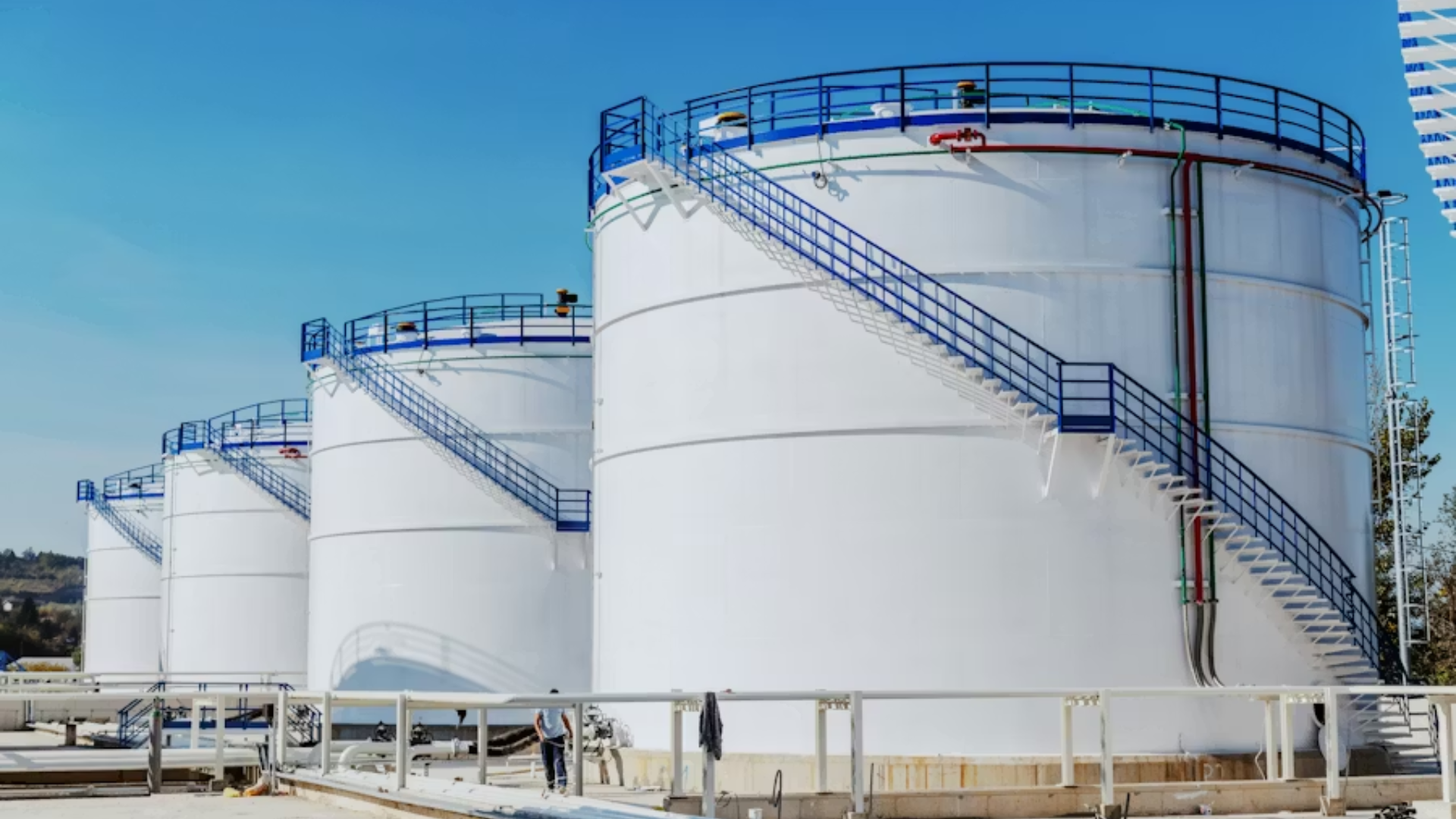
While the economic benefits are clear, the sheer scale of the natural gas consumption raises questions about long-term sustainability. The reliance on the Ruby Pipeline ensures a steady energy flow, but it also ties the state’s technological future to fossil fuels. As Utah prepares for this massive shift, residents and policymakers must weigh the promise of AI dominance against the environmental footprint of such a giant. The balance of power in Utah is changing.
The Future of the Digital Frontier

As the final votes are cast and construction plans move forward, Utah finds itself at the center of the global AI revolution. The Stratos project represents a bold bet on the future of computing and American infrastructure. If successful, Box Elder County will become a vital node in the world’s digital nervous system. The question remains whether other states will follow this off-grid model to satisfy the world’s endless hunger for data.