USPS Warns Financial Strain Could Threaten Mail Delivery by 2027

For more than two centuries, the U.S. Postal Service has connected households, businesses, military bases, and remote communities across the country. Now the agency says it faces a financial crisis severe enough that it could run out of cash as early as 2027 unless Congress approves reforms or provides additional support. The warning has elevated concerns about the future of one of the federal government’s most visible public services.
Why USPS Says The Situation Is Urgent
Postmaster General David Steiner told lawmakers that USPS is on track to exhaust its available cash in early 2027 if current conditions continue. The agency has already begun implementing emergency measures to conserve money, including restrictions on hiring, travel, training, technology purchases, and other nonessential spending. USPS describes the problem as a temporary cash-flow shortage, but officials have also emphasized that long-term structural issues remain unresolved.
The Challenges Behind The Deficit
The Postal Service operates under a unique universal service obligation requiring delivery to every address in America, regardless of profitability. According to Steiner, revenues generated from mail and package services are increasingly unable to cover the costs associated with that obligation. USPS has lost money annually since 2007, accumulating roughly $109 billion in losses through fiscal year 2024, while traditional mail volume has fallen dramatically from its mid-2000s peak.
Americans Still Depend On The Mail
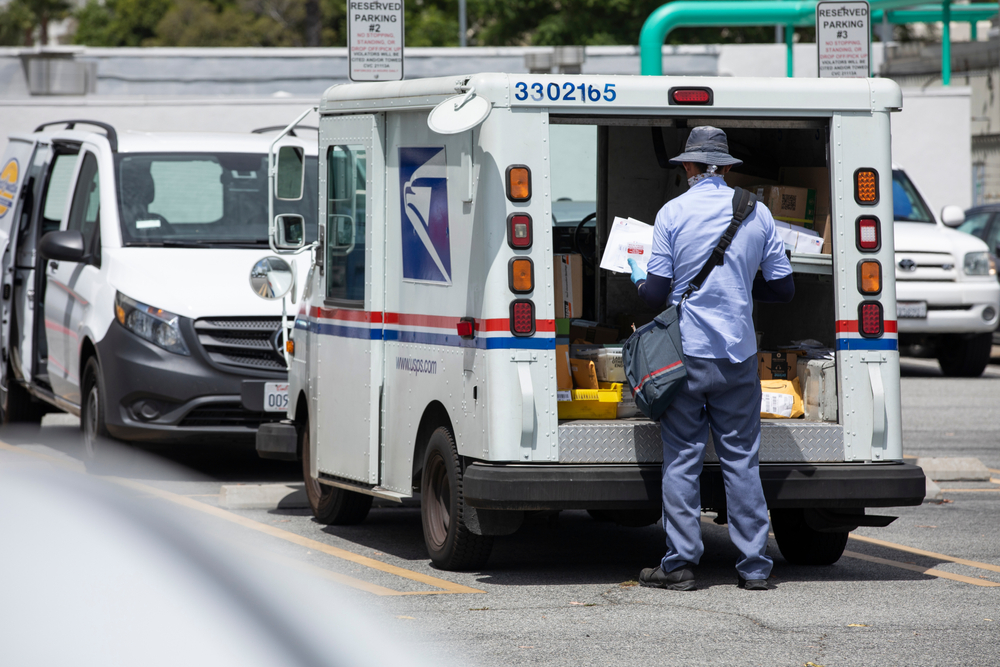
The financial debate extends beyond balance sheets because USPS remains a critical service provider. Rural communities rely on mail delivery for prescriptions, government communications, bills, and essential supplies. The Postal Service serves remote Alaskan villages, island territories, military installations, and even areas of the Grand Canyon reached by mule delivery. Postal officials argue that no private company currently offers the same nationwide reach.
Emergency Measures Are Already Underway

To preserve cash, USPS has frozen much discretionary spending and instructed departments to identify additional cost-saving measures. The agency has also delayed contributions to the Federal Employees Retirement System, a move previously used during earlier financial crises. Officials say these actions are intended to stabilize finances while broader solutions are debated, but they also underscore how seriously USPS views the threat.
Congress May Face Difficult Choices
Internal USPS reform proposals outline several options that would require congressional action. Among them are requests for additional financial assistance, greater authority to close unprofitable post offices, reduced delivery frequency, lower service standards, expanded borrowing authority, and more flexibility in setting postage prices. Some proposals could save billions annually, but many would likely generate political opposition because of their potential impact on customers and communities.
The Debate Over Delivery And Post Offices
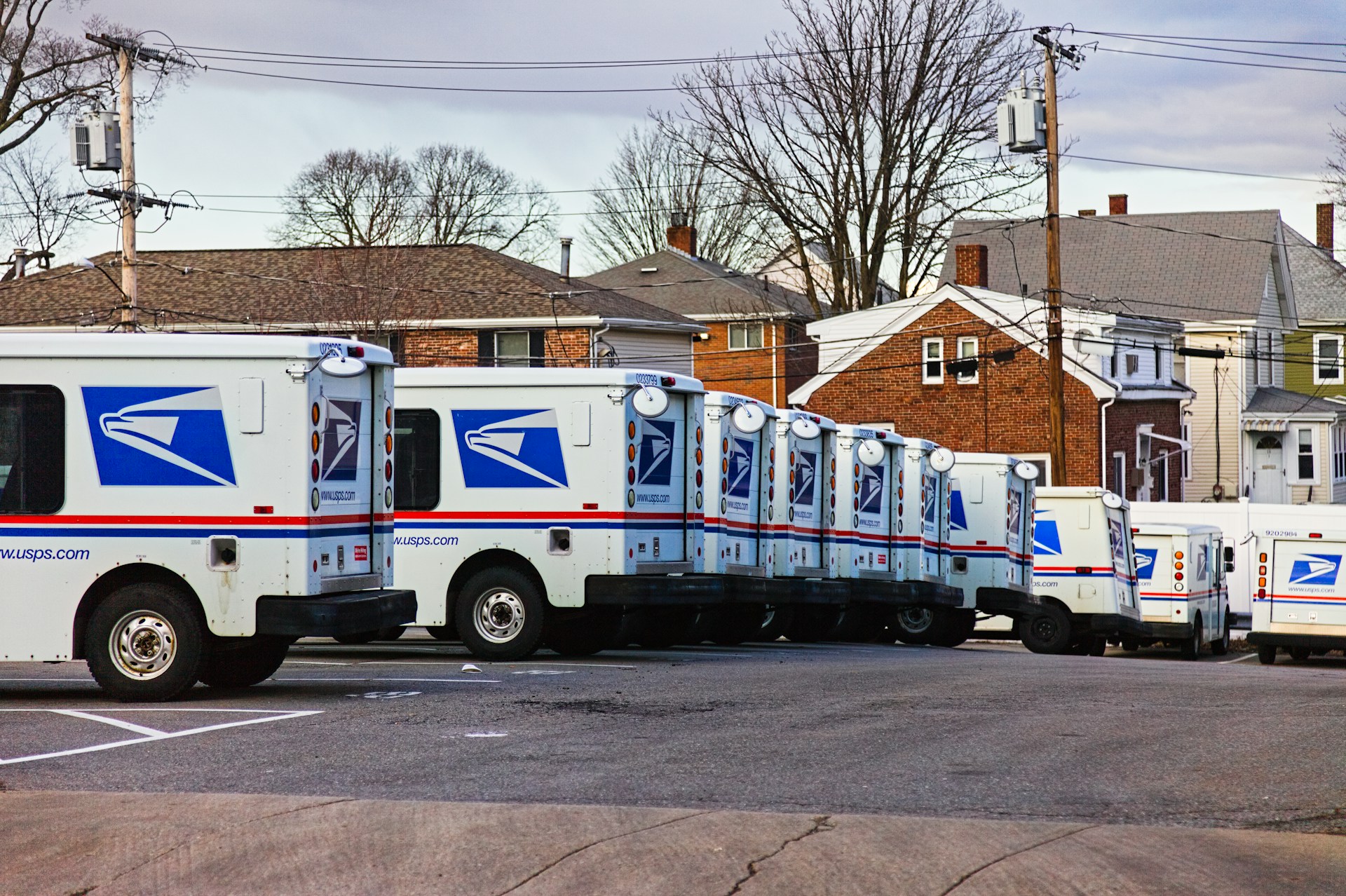
One controversial proposal would reduce delivery from six days per week to five, which USPS estimates could save as much as $3.5 billion annually. Another would make it easier to close money-losing post offices. Roughly 60% of post offices operate at a loss, with USPS spending about $744 million each year on smaller facilities, many located in rural areas. Labor unions and consumer advocates have pushed back, arguing that service reductions could accelerate customer losses rather than solve them.
Stamp Prices Could Continue Rising

Price increases remain one of the most visible ways USPS can generate revenue. The agency estimates that raising the price of a Forever stamp from 78 cents to 90 cents could produce up to $5 billion in additional annual revenue. USPS already plans to increase stamp prices to 82 cents in July. Critics argue that repeated price hikes risk driving more customers away from traditional mail services, creating a cycle of declining volume and higher costs.
Regulators, Unions, And Watchdogs Disagree On The Path Forward

USPS has also suggested reducing or eliminating the authority of the Postal Regulatory Commission, arguing that oversight requirements limit pricing flexibility and competitiveness. Consumer groups and postal advocates strongly oppose the idea, contending that independent oversight protects the public from excessive price increases and service cuts. Postal unions have instead encouraged Congress to pursue reforms with bipartisan support, including pension-related changes that USPS believes could generate substantial savings.
What Happens Next Could Shape The Future Of Mail Delivery
The warning about running out of cash does not mean Americans should expect mail service to suddenly disappear in 2027. However, it places growing pressure on Congress, postal regulators, unions, and USPS leadership to agree on a sustainable path forward. Whether the solution comes through financial assistance, operational reforms, higher prices, or a combination of all three, decisions made over the next year could determine how the Postal Service fulfills its nationwide mission for decades to come.