USPS Lost $9 Billion and Is Now Skipping Pension Payments
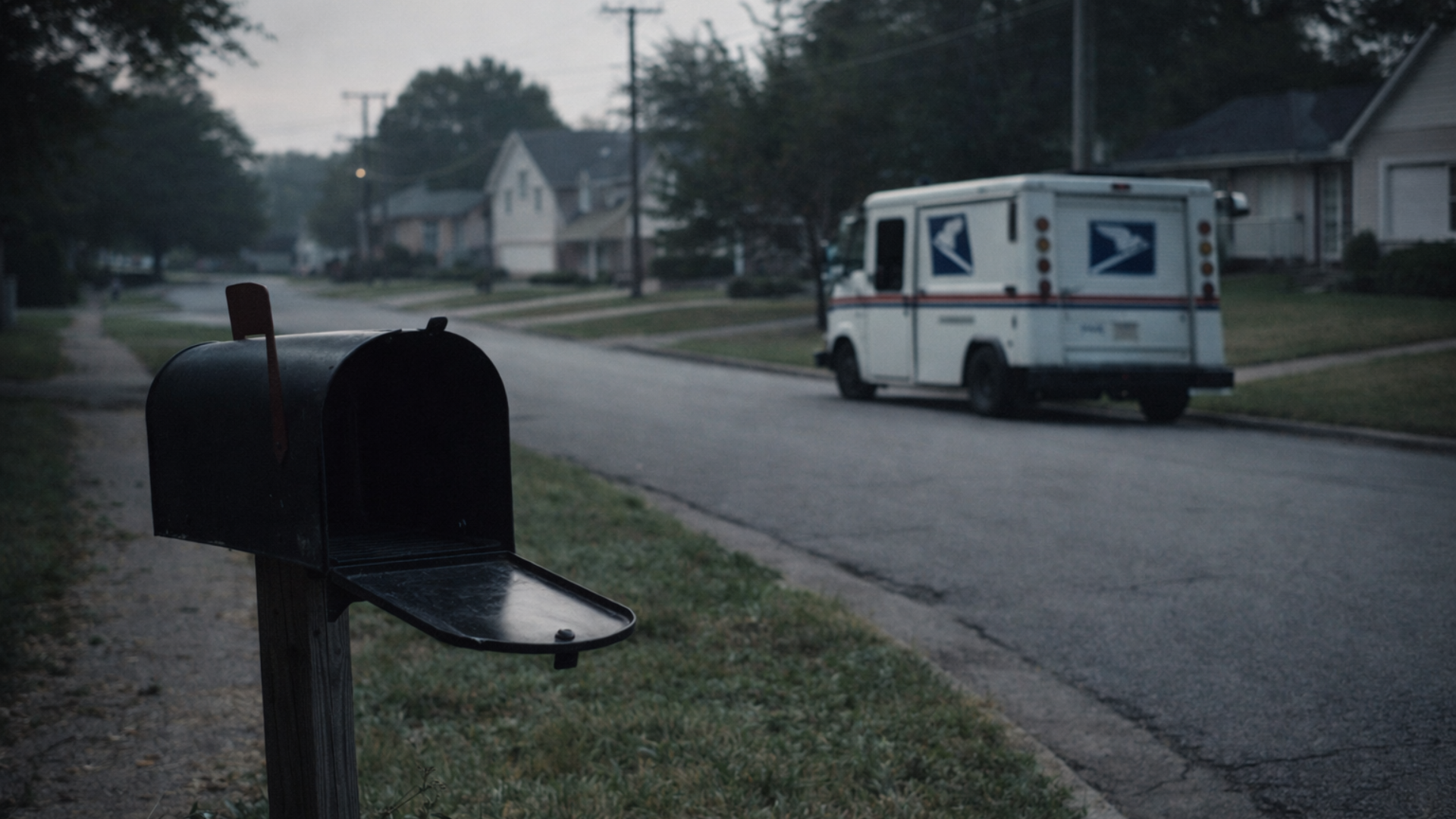

Imagine checking your mailbox and finding it empty for weeks because the nation’s mail carrier simply ran out of cash to fuel its trucks. This nightmare scenario is becoming a reality as the United States Postal Service warns it could go dark by February 2027. To prevent an immediate collapse, the agency has taken the desperate step of halting payments into its employees’ pension fund. This move highlights a massive financial hole that threatens the future of American mail.
The decision to suspend contributions to the Federal Employees Retirement System took effect this Friday, a move intended to save roughly $2.5 billion this fiscal year. Postal officials describe the situation as a pending liquidity crisis that leaves them with few other options. While the agency still processes millions of letters and packages daily, the underlying numbers suggest a system that is buckling under its own weight. This drastic measure is designed to keep mail moving in the short term.
Postmaster General David Steiner recently told Congress that the organization is at a critical juncture. Without immediate intervention, the ability to deliver mail to every American household could vanish within the next year and a half. The suspension of the $200 million bi-weekly pension payments is a stopgap meant to provide breathing room. However, this emergency maneuver raises serious questions about how one of the country’s most essential services reached the brink of total insolvency.
Billion-Dollar Losses and the High Cost of Operation

Last fiscal year was a financial disaster for the USPS, resulting in a staggering $9 billion loss. Despite attempts to modernize and cut costs, the gap between revenue and expenses continues to widen. The agency is also facing a significant blow to its package volume, having recently reached a deal with Amazon that will reduce deliveries for the e-commerce giant by 20 percent. As major partners pull back, the primary revenue stream for the Postal Service is drying up.
Chief Financial Officer Luke Grossmann defended the pension pause, stating that the risk of the service stopping altogether outweighs the long-term risks to the retirement fund. He assured current employees and retirees that there would be no immediate detrimental impact on their benefits. Nevertheless, skipping payments is a tactic rarely used by healthy organizations. It signals a level of financial distress that cannot be ignored by the public or the government officials responsible for its oversight.
While pension contributions are on hold, the USPS confirmed that payments to the Thrift Savings Plan will continue as usual. This distinction is important for younger workers, yet the broader retirement pool remains a point of concern. The agency argues that it is better to have a job with a delayed pension than to have no organization left to work for at all. This trade-off emphasizes just how close the mail service is to a complete operational standstill.
The Search for a Legislative Lifeline
The Postal Service is not a typical private company; it is a government entity that is expected to fund itself through its own revenue. For years, it has struggled with unique legislative requirements that other delivery services do not face. Leaders within the agency are now pleading with Congress for increased funding and structural reforms. They argue that without a significant change in federal law, the USPS can never truly return to a state of sustained profitability.
Many experts point to the 2006 mandate requiring the USPS to pre-fund retiree health benefits decades in advance as a primary source of its woes. While some of those rules have been modified, the cumulative damage has left the agency with almost no cash reserves. The current liquidity crisis is the culmination of decades of financial strain. If Congress does not act soon, the temporary pause on pension payments might become a permanent fixture of a failing system.
Public reaction to the news has been swift, with many questioning why a vital service is allowed to struggle while other sectors receive massive bailouts. The debate often centers on whether the USPS should be treated as a business or a public utility. As the 2027 deadline approaches, the pressure on lawmakers to find a solution is intensifying. Every day without a fix brings the agency closer to the moment its bank accounts finally hit zero.
What the Future Holds for Your Mailbox

The outcome of this financial gamble depends entirely on what happens in the halls of power over the next few months. If the USPS cannot find a way to replace the lost Amazon revenue or secure a government infusion, service cuts may be inevitable. For many rural Americans, the mail is the only way to receive prescriptions, pay bills, and stay connected. The stakes of this liquidity crisis extend far beyond the balance sheets of a government agency.
As the agency scrapes together enough cash to survive another year, employees are left wondering about the security of their long-term futures. The promise of a stable federal retirement is being tested by the reality of a nine-figure deficit. While the CFO remains optimistic about current retirees, the optics of skipping pension payments are undeniably grim. It remains to be seen if these $2.5 billion savings will be enough to bridge the gap until a permanent solution is found.
The survival of the USPS may require a total rethinking of how we value and fund national infrastructure. Can a digital society still support a physical delivery network that reaches every doorstep? As we move toward 2027, the question isn’t just about whether the mail will arrive, but who will be left to pay for it. The conversation about the future of the American post is only just beginning, and the answers remain as elusive as a lost letter.