The US Treasury Is Scrapping a 165-Year Tradition to Put Trump’s Signature on All Dollar Bills
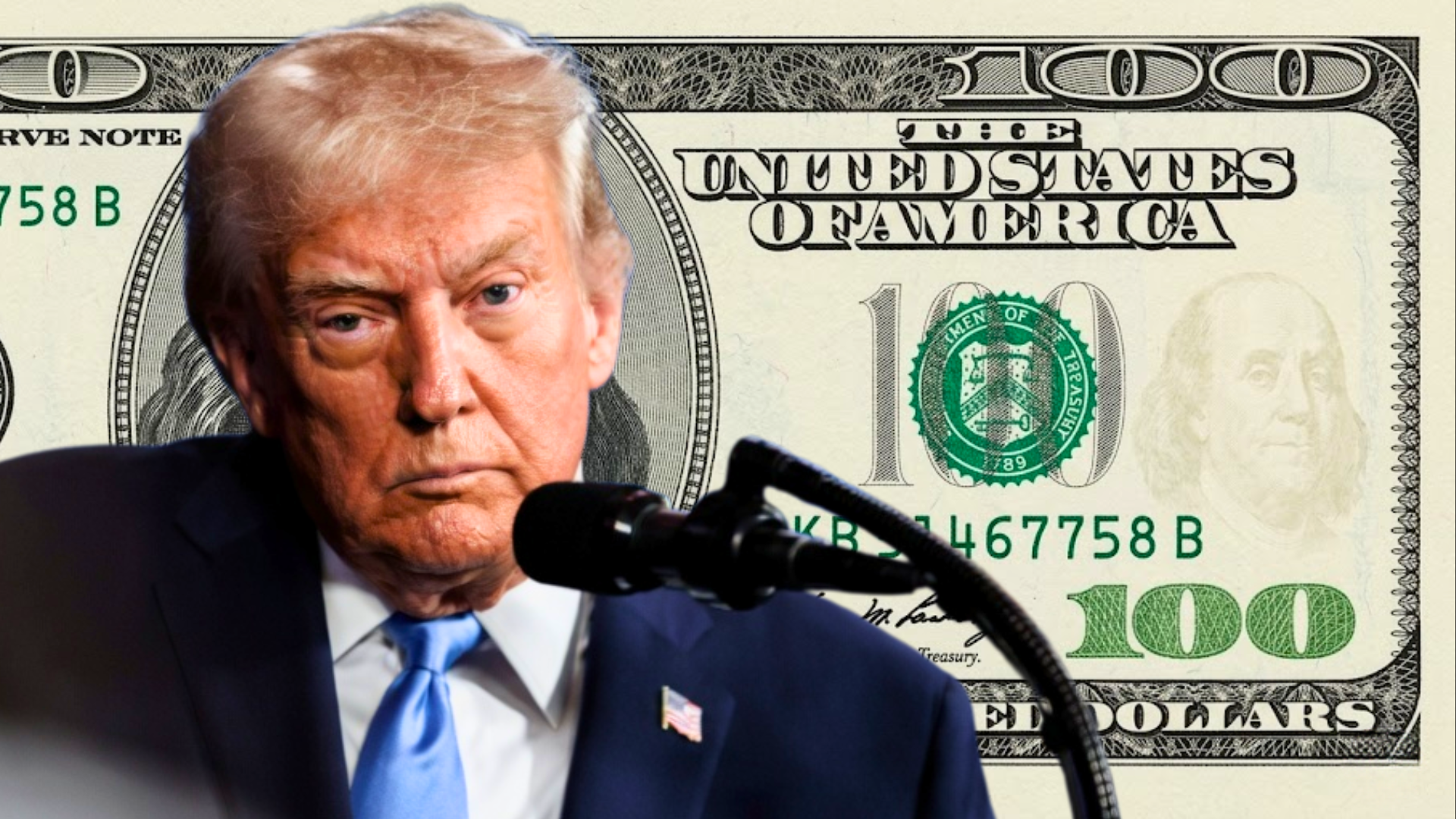

The U.S. Treasury has announced a seismic shift in how American money looks, breaking a tradition that dates back to the Civil War. For the first time in 165 years, the signature of a sitting president will be featured on all future U.S. paper currency. This move effectively bypasses the standard practice of featuring only the Treasurer and the Secretary of the Treasury on dollar bills.
Trump to Become First President on Paper Money
President Donald Trump is set to become the first sitting president in history to have his name physically printed on circulating U.S. paper currency. While previous presidents have appeared on bills posthumously, this new directive places Trump’s signature on the legal tender currently used in daily transactions. The Treasury Department confirmed the decision this Thursday, sparking immediate national debate.
The “Dollar Dominance” Justification Treasury
Secretary Scott Bessent defended the move, stating that the U.S. is on a path toward unprecedented economic growth and lasting dollar dominance. The administration argues that adding the president’s name is the most powerful way to recognize the country’s current fiscal strength. Supporters view it as a symbol of stability, while critics argue it politicizes the nation’s neutral currency.
Honoring the Semiquincentennial

The timing of this currency overhaul is not accidental; it is being tied to the Semiquincentennial, the 250th anniversary of the United States. The Treasury Department claims that issuing historic currency bearing the president’s name is an appropriate way to mark this massive milestone in 2026. This anniversary is being used as the primary catalyst for several upcoming changes to U.S. coins and bills.
The Battle Over the 24-Karat Gold Coin
Beyond paper bills, the federal Commission of Fine Arts has officially approved a new 24-karat commemorative gold coin featuring Trump’s image. The design is reportedly based on a specific portrait taken of the president inside the White House. This approval came despite significant backlash from Democrats and various stakeholders who argue the coin breaks long-standing protocols.
Breaking the Living President Rule

Federal law generally prohibits a living president from appearing on U.S. currency. However, the current administration is arguing that this legal restriction does not apply to commemorative coins. By distinguishing between circulating currency and commemorative items, the Treasury is moving forward with a $1 Trump coin and the gold collector’s edition.
Following the Footsteps of Calvin Coolidge
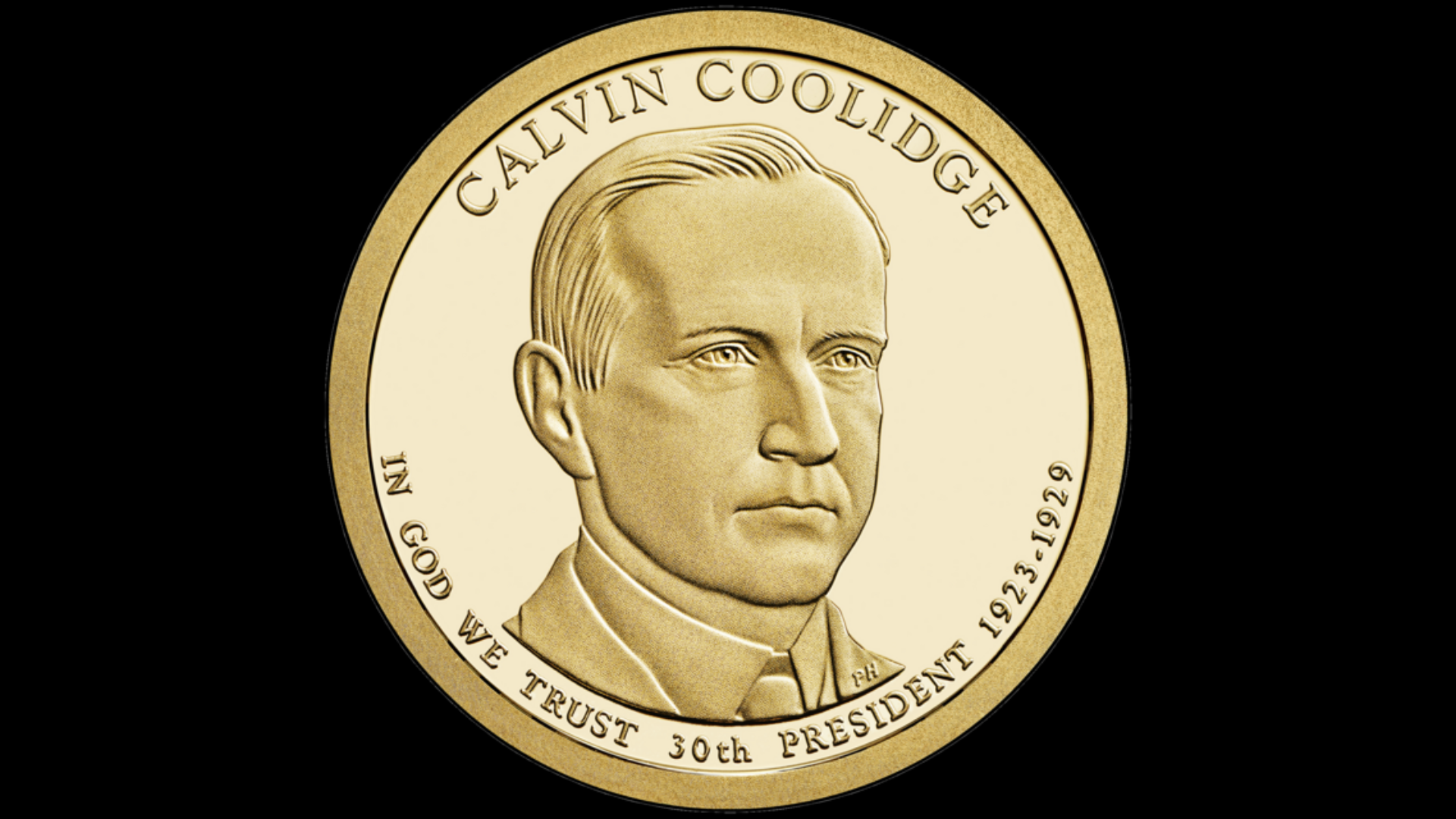
History buffs note that President Calvin Coolidge was previously the only sitting president to have his image featured on a U.S. coin. Coolidge appeared on a 1926 sesquicentennial half-dollar while still in office. Trump’s new gold coin and the proposed $1 coin would make him only the second president in American history to achieve this rare distinction.
The Signature vs. The Portrait
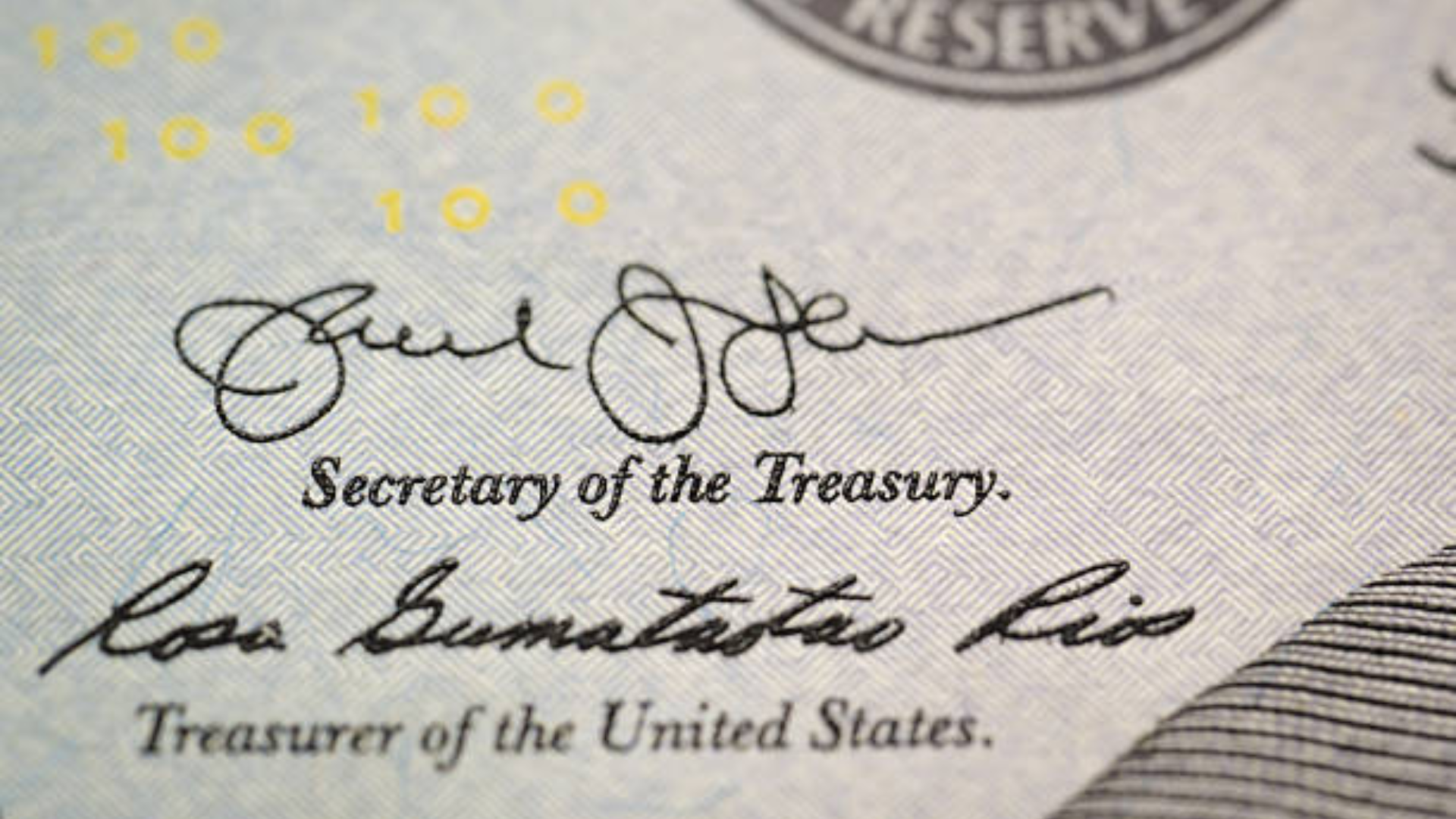
While Trump’s image will be reserved for coins, his signature will be the element added to the paper dollar bills. This distinction is critical to the Treasury’s legal framework for the rollout. It ensures that while the faces on the $1, $5, and $20 bills remain the same, the validation of the bill now carries the presidential name.
Economic Symbolism or Political Statement?

Secretary Bessent’s statement emphasized that the signature represents fiscal strength and stability under Trump’s leadership. However, the move has reignited a fierce debate over the neutrality of American money. Many wonder if this change will be permanent or if future administrations will attempt to revert to the 165-year-old tradition.
When Will You See Them in Your Wallet?
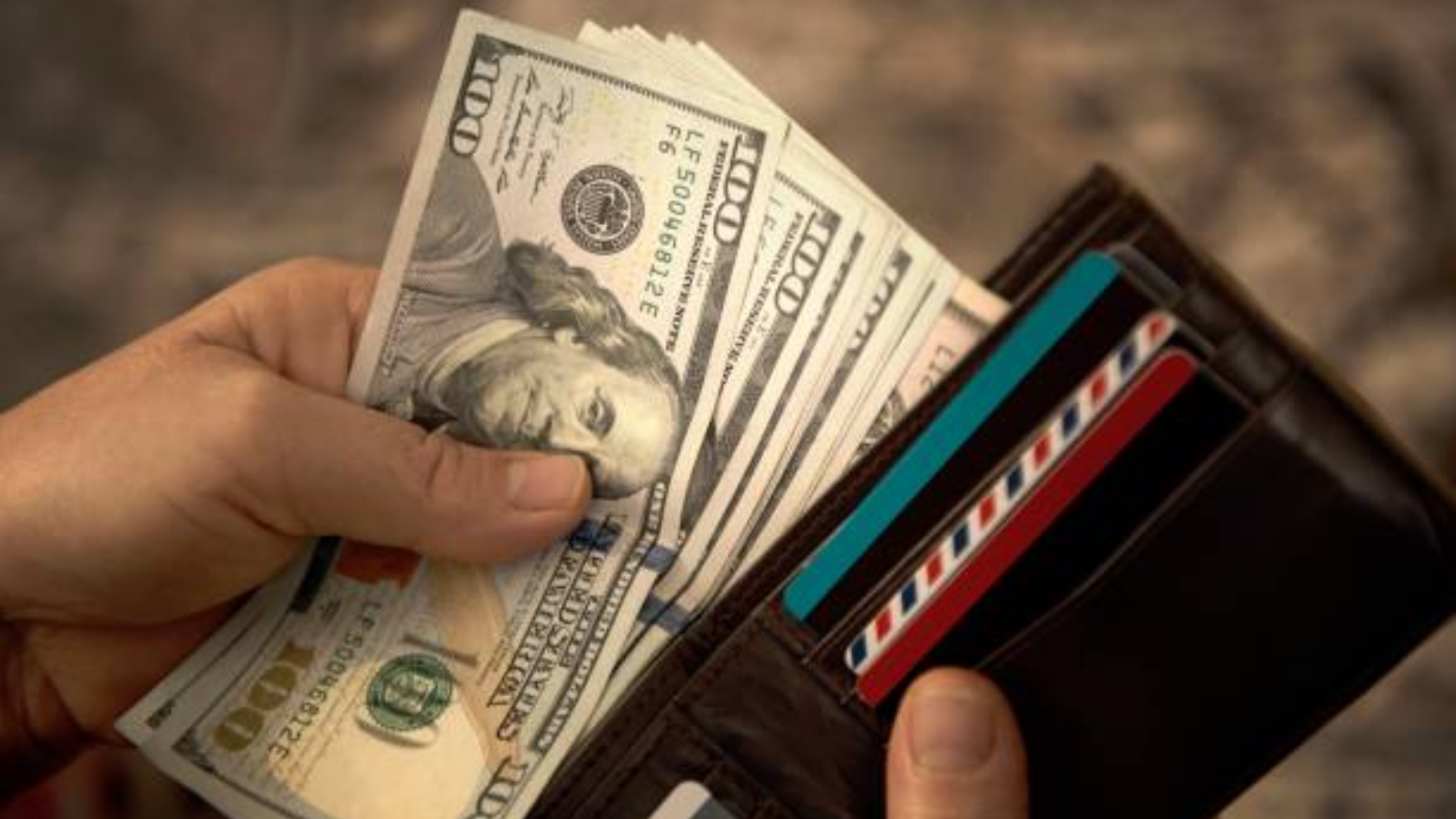
The Treasury is moving fast to prepare the new plates for printing. With the 250th-anniversary celebrations approaching, these bills are expected to enter circulation as part of the commemorative fleet of 2026. As the kill list of old traditions grows, the American dollar is officially entering a new, and highly controversial, era.