The US Trade Gap Shrank From $136B to $29B and the Debate Over Trump’s Tariffs Just Got Louder
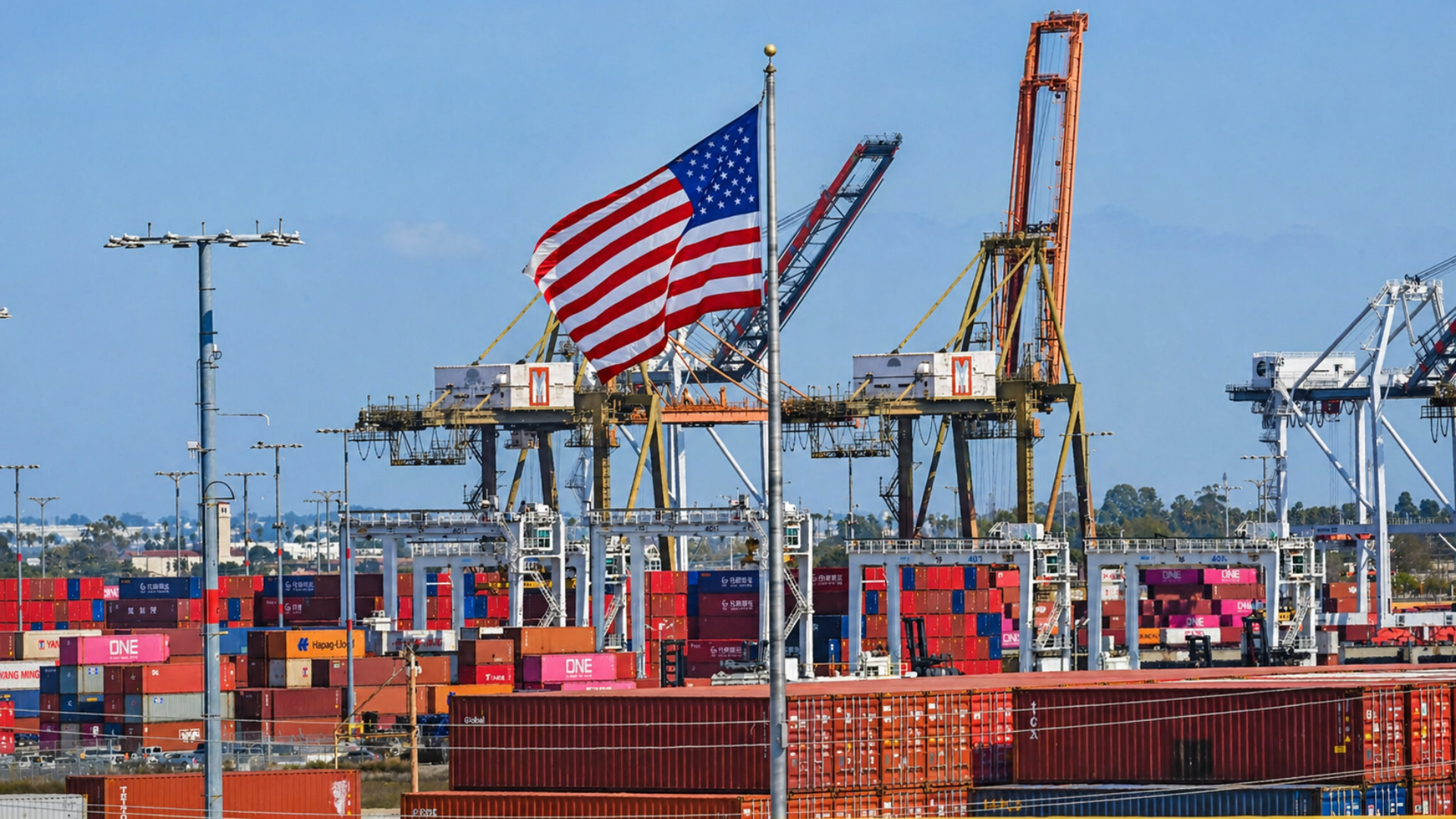

The United States trade deficit has long been a staple of economic headlines, but recent data has left even veteran analysts in disbelief. During a live broadcast, a CNBC anchor expressed shock as the gap between what America buys and what it sells plummeted from 136 billion dollars to just under 30 billion dollars. This dramatic narrowing marks the smallest deficit the country has seen since June 2009. The rapid shift has reignited a fierce national debate over the effectiveness of aggressive trade policies.
The Impact of Sweeping Tariffs

This sudden contraction in the trade gap coincides with the implementation of President Trump’s extensive tariff strategy. Tariffs are essentially taxes on imported goods, designed to make foreign products more expensive and encourage consumers to buy American. By raising the cost of imports, these policies aimed to reshape global trade flows in favor of domestic production. The recent data suggests the plan is working as intended, with imports falling sharply while American exports show signs of life.
A Real-Time Economic Revelation

On the floor of the stock exchange, the reaction to the Commerce Department’s update was immediate. Analysts had expected a modest deficit of around 58 billion dollars, but the actual figure came in at 29.4 billion dollars for October. This represented a 39 percent drop from the previous month. The scale of the movement was so significant that some commentators noted they had to dig deep into historical records to find a comparable moment in American economic history.
National Security and the Global Race

The administration has framed these trade battles as a matter of national survival and technological dominance. By curbing the influx of foreign goods, proponents argue that the U.S. is reclaiming its industrial heartland and protecting sensitive research from international rivals. President Trump has asserted his absolute right to impose these levies, even after facing legal hurdles from the Supreme Court. The goal is to establish a permanent set of barriers that ensure American self-reliance for decades to come.
The Sticker Shock for Everyday Americans

While the trade numbers look positive on a balance sheet, the view from the grocery store is different. A recent survey revealed that seven in ten Americans believe these tariffs have led to higher prices for everyday items. Across all political lines, citizens are feeling the sting of inflation as the cost of imported components and finished goods rises. This “sticker shock” has become a primary point of criticism for those who argue that tariffs act as a hidden tax on the public.
Mixed Signals in Economic Growth
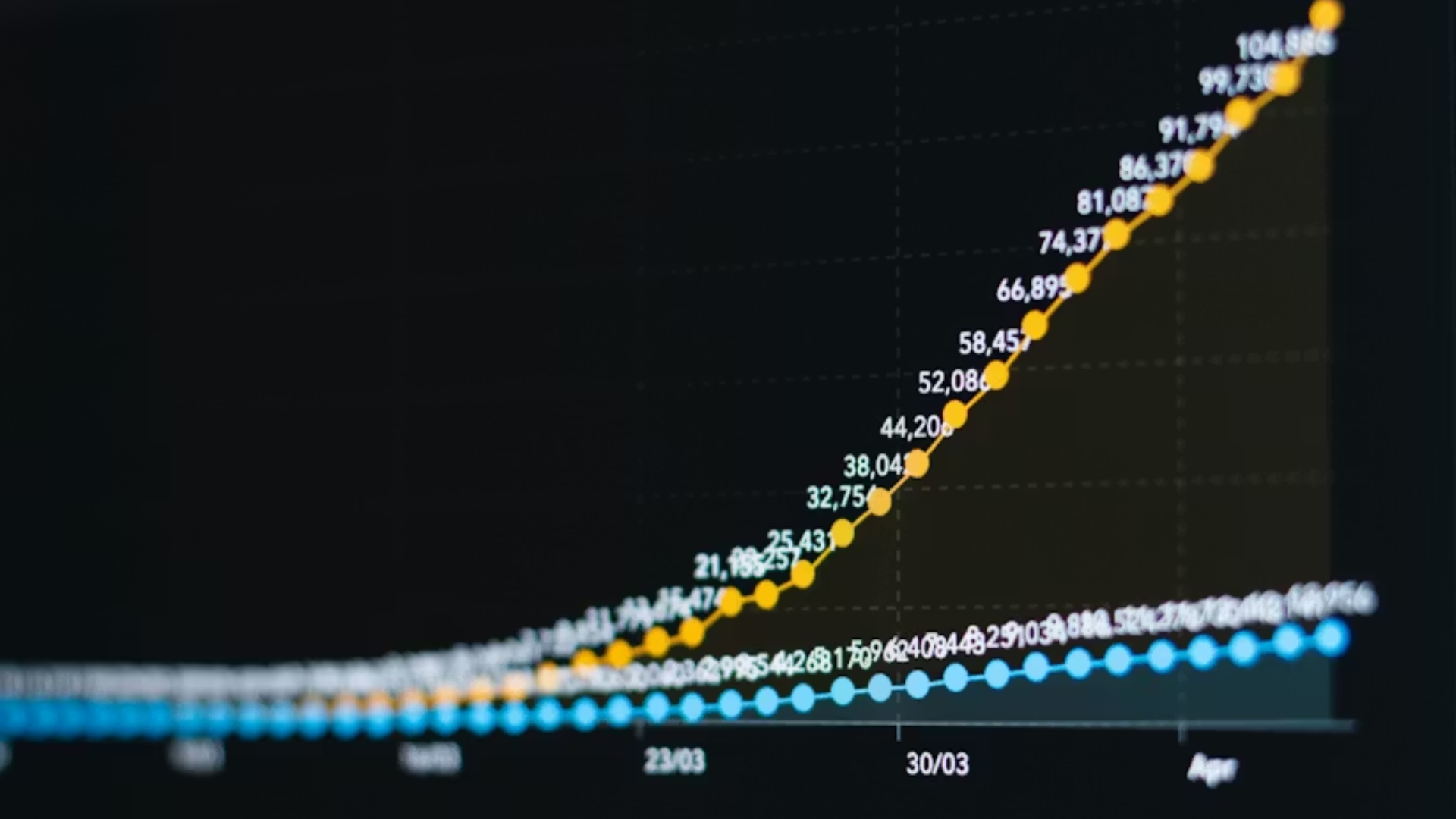
The broader economy is sending complex messages in the wake of these trade shifts. In the third quarter, the U.S. GDP grew at an annual rate of 4.4 percent, the strongest pace in years. However, growth slowed significantly to 0.7 percent in the final quarter of 2025. This slowdown reflected a drop in government and consumer spending. Economists are now watching closely to see if the trade wins can translate into sustained, long-term prosperity for the average household.
The Resilience of American Exports

One surprising takeaway from the recent data is that American trading partners are still buying. Despite fears of international retaliation, exports of American goods and services have remained steady. Some economists point out that foreign nations continue to find value in U.S. products even as the U.S. restricts what it buys from them. This suggests that the American economy might be more resilient in a trade war than many initial forecasts had predicted.
A Boost for the Stock Market

Wall Street has largely embraced the shifting economic landscape, with major indices showing significant gains. The S&P 500 returned nearly 20 percent over the past year, reaching heights that many 401(k) holders are celebrating. While trade policy creates uncertainty, the combination of tax cuts and a focus on domestic growth has kept investor confidence high. This market strength provides a vital cushion for the economy as it transitions through these major policy changes.
Looking Ahead to 2026
As the temporary tariffs prepare to expire in July, the administration is launching new investigations to make these trade barriers permanent. Many analysts expect that once policy uncertainty fades, the economy will strengthen further in 2026. This optimism is fueled by the hope that tax cuts and loosened monetary policy will provide a secondary boost to growth. The coming year will be a critical test for whether this “America First” economic model can provide lasting stability.
The Final Verdict on Trade Policy

The debate over tariffs is far from over, but the shrinking trade gap has provided powerful ammunition for those who support them. Whether this is a temporary anomaly or a permanent shift in global commerce remains to be seen. As Americans prepare for the future, the focus remains on balancing the benefits of a smaller trade deficit against the reality of higher consumer prices. The next chapter of the American economy is being written in the balance of trade.