Blackout Warnings Spark Panic After 13 States Declare Emergencies Over Affected Power Grid From 100°F Heat
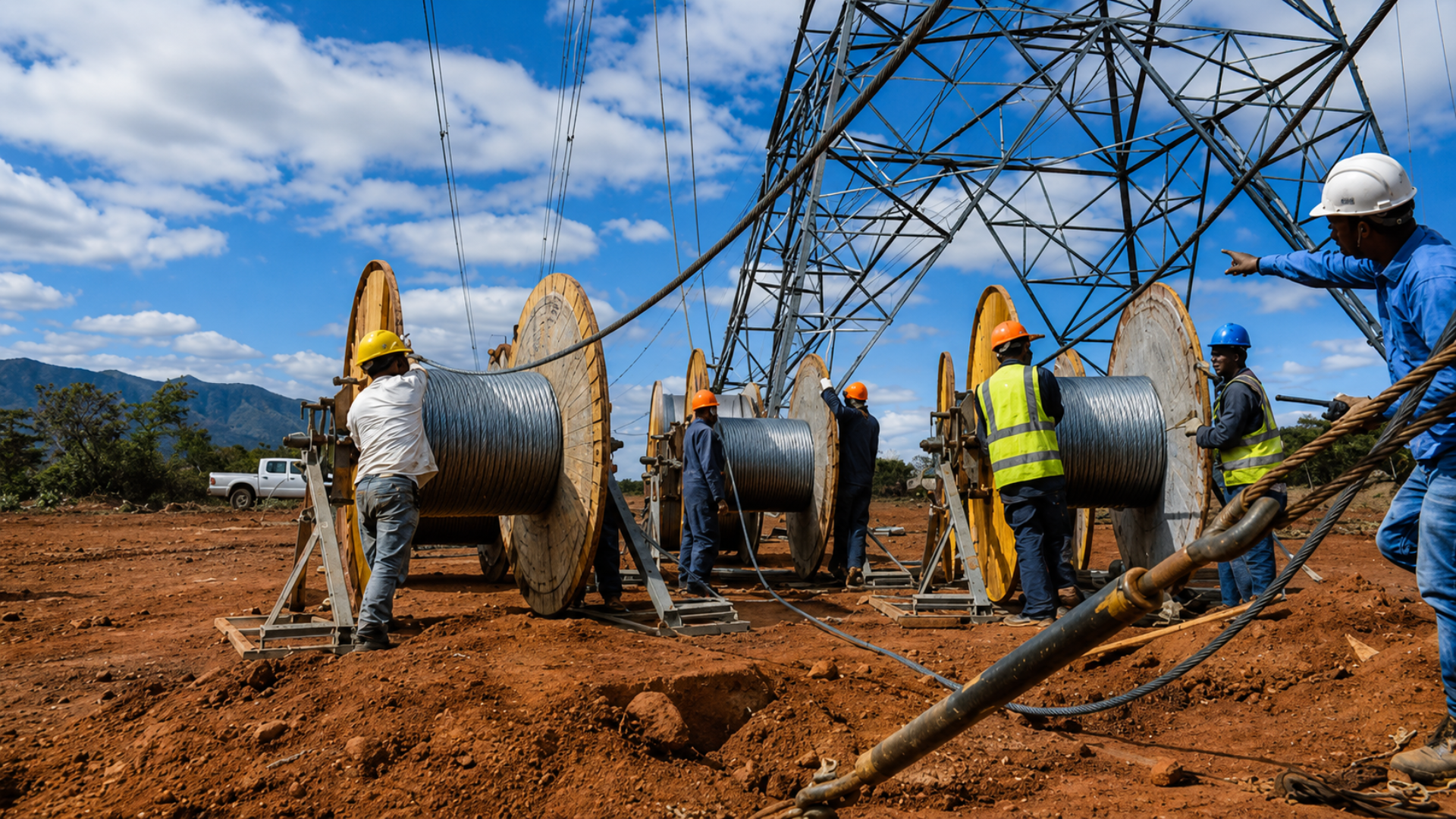

Sixty-seven million people are about to find out how much stress their power grid can actually take. The federal government had recently declared a power emergency across 13 states, days before the real heat even arrives. A wall of 100-degree air is rolling toward the Mid-Atlantic, and officials are not waiting around to see what happens once it lands. The warning came first this time. The heat is still on its way.
Environmental Rules Just Got Bent Before the Heat Even Hit
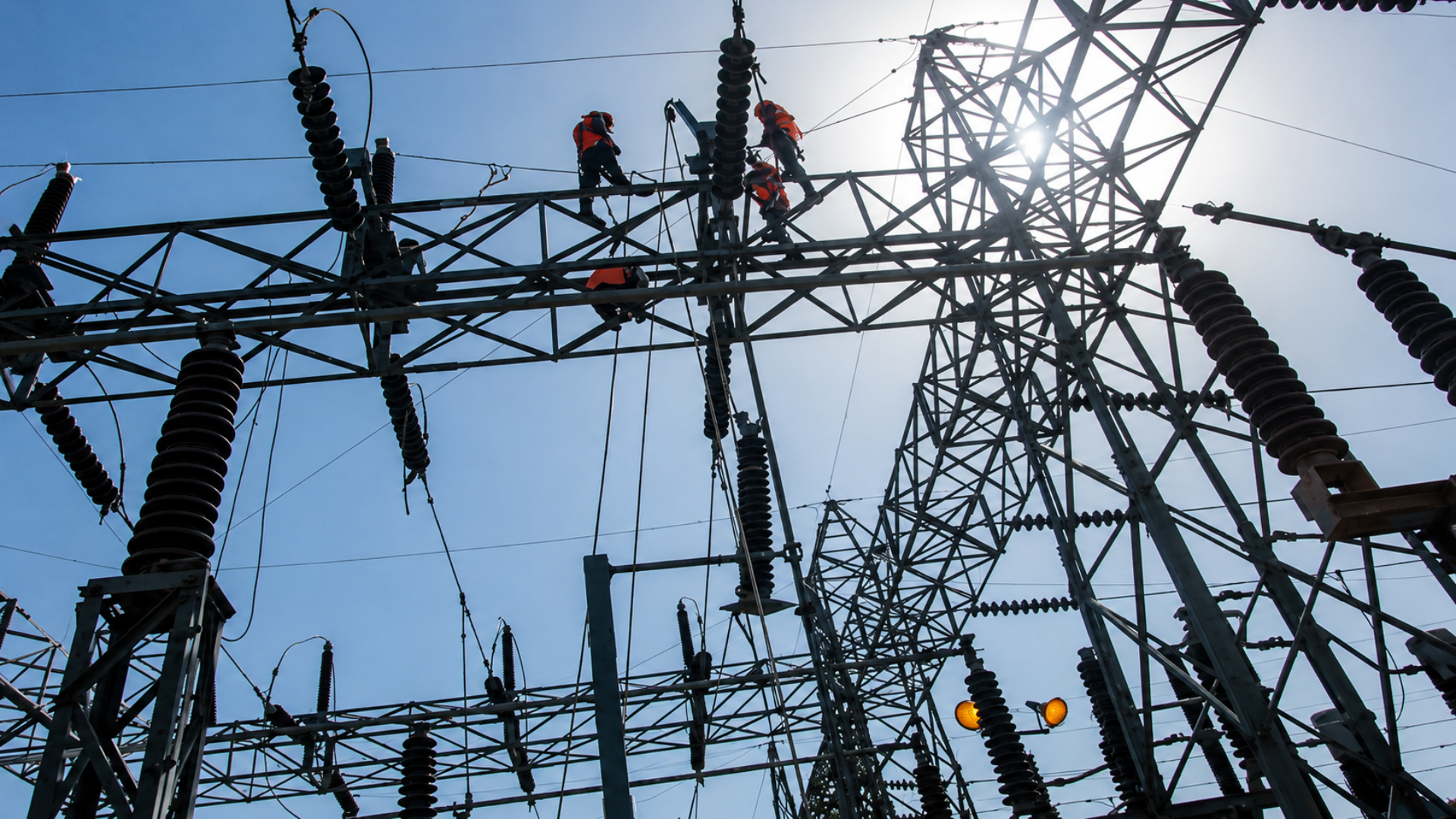
A power emergency does not always mean the power has already failed. This one covers the PJM Interconnection region, issued by the Department of Energy on Tuesday, before the worst heat has even hit. The order lets power plants there run at full capacity and temporarily skip certain environmental limits. Officials are choosing extra output over strict rules for now. What happens to those rules once the emergency officially ends?
Fourteen Jurisdictions Now Share One Fragile Power Grid

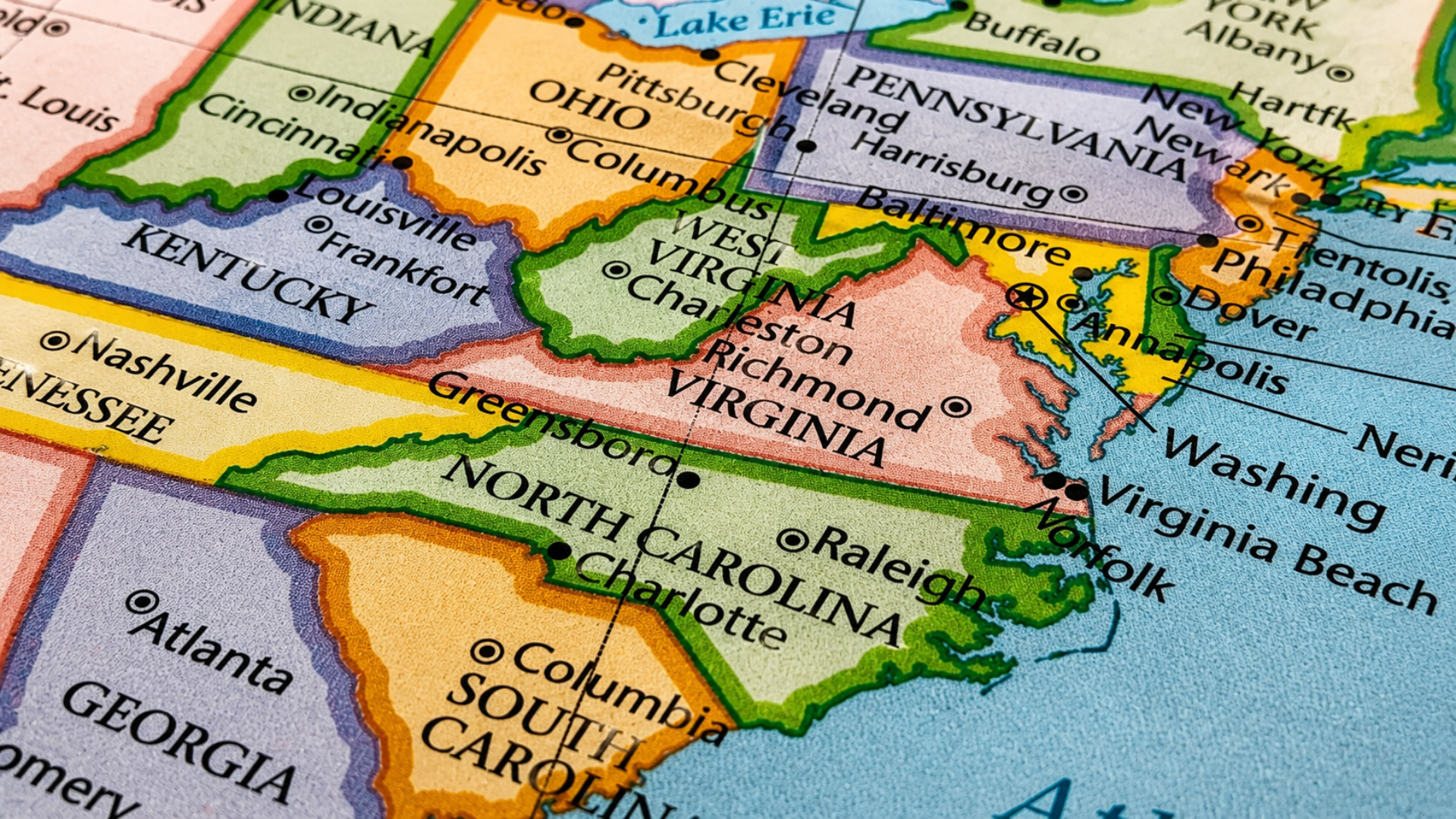
One power grid now stands between a heat wave and tens of millions of households. PJM Interconnection serves 67 million people, coordinating electricity from generators to local utilities across a web of high voltage transmission lines. The emergency order covers Delaware, Illinois, Indiana, Kentucky, Maryland, Michigan, New Jersey, North Carolina, Ohio, Pennsylvania, Tennessee, Virginia, West Virginia, and Washington D.C. Fourteen jurisdictions, one shared grid, and one looming forecast.
A Heat Dome Costs More Than Just Comfort

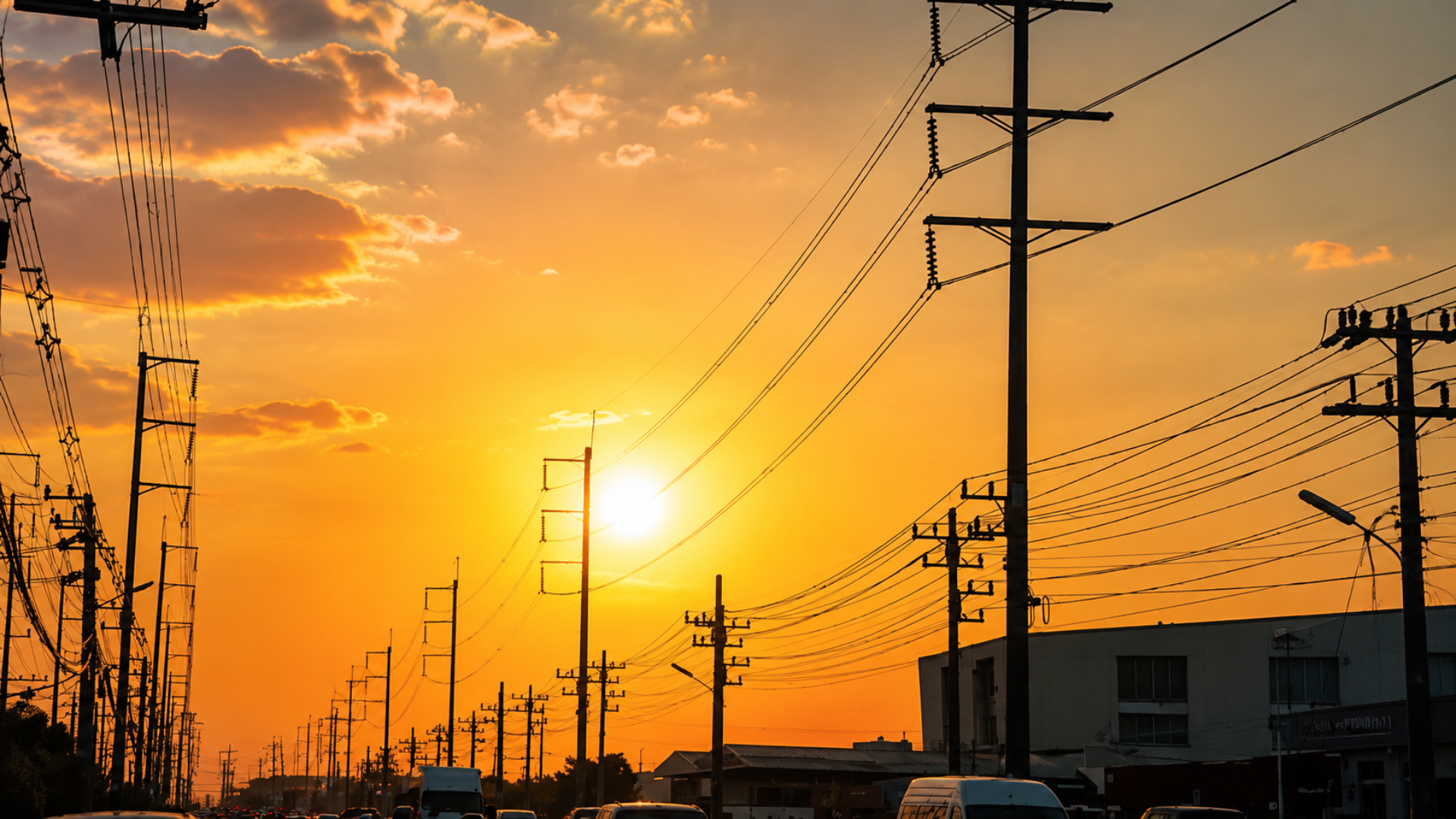
A heat dome does more than turn up the thermostat. Forecasters expect temperatures near 100 degrees across much of the country, pushing air conditioners into constant use at the exact moment supply is already stretched thin. A report cited by officials puts the yearly cost of blackouts and outages at roughly $44 billion nationwide. That number is not just about inconvenience, it reflects lost business, spoiled food and disrupted daily life.
Backup Power Only Kicks In When Things Get Bad

Two orders are working together to try to prevent the worst outcome. The first directs PJM to bring specific power plants online and keep them running as demand climbs. The second lets PJM and local utilities call on more than 35 gigawatts of unused backup generation, but only as a last resort. That backup only activates during the most severe alert level, called Energy Emergency Alert 3. Nobody wants to find out what triggers that stage.
“Affordable, Reliable, and Secure,” According to the Man in Charge

Energy Secretary Chris Wright frames these moves as overdue, not extreme. According to Wright, the goal is keeping power “affordable, reliable, and secure.” He also placed responsibility on the previous administration, arguing its policies left the grid weaker than it should be. That claim fits a larger argument the current administration has repeated since taking office. Whether the grid’s real weak points trace back that far is a separate question entirely.
This Emergency Order Was Written Over a Year Ago
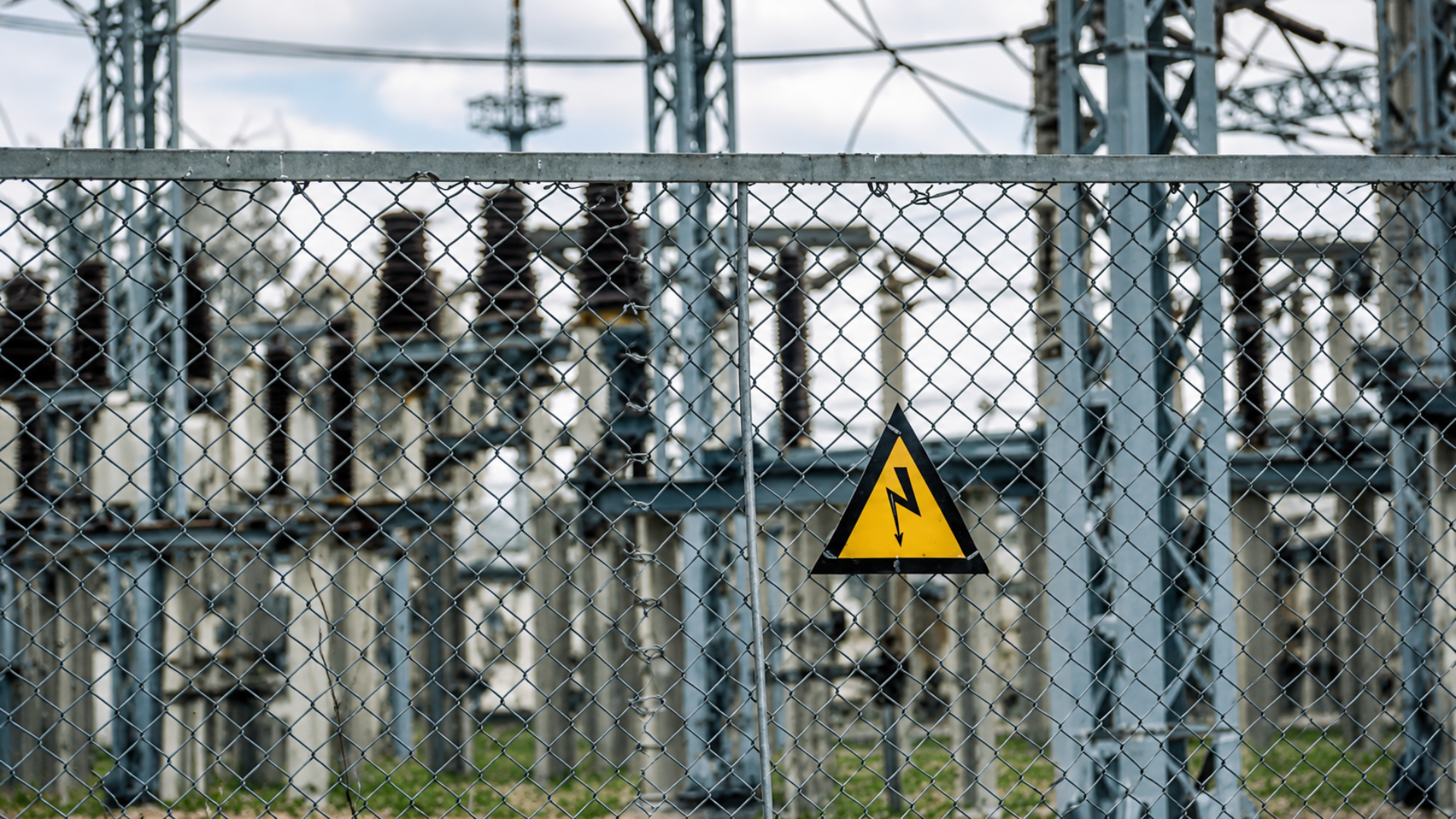
This week’s emergency order did not come out of nowhere. It builds directly on a National Energy Emergency declared by executive order back in January 2025, which gave the Department of Energy broader power to act fast during grid crises. Critics at the time warned the policy would favor new natural gas plants over clean energy projects. More than a year later, that same framework is now being tested by an actual heat wave.
AI and Crypto Are Competing With You for the Same Watts
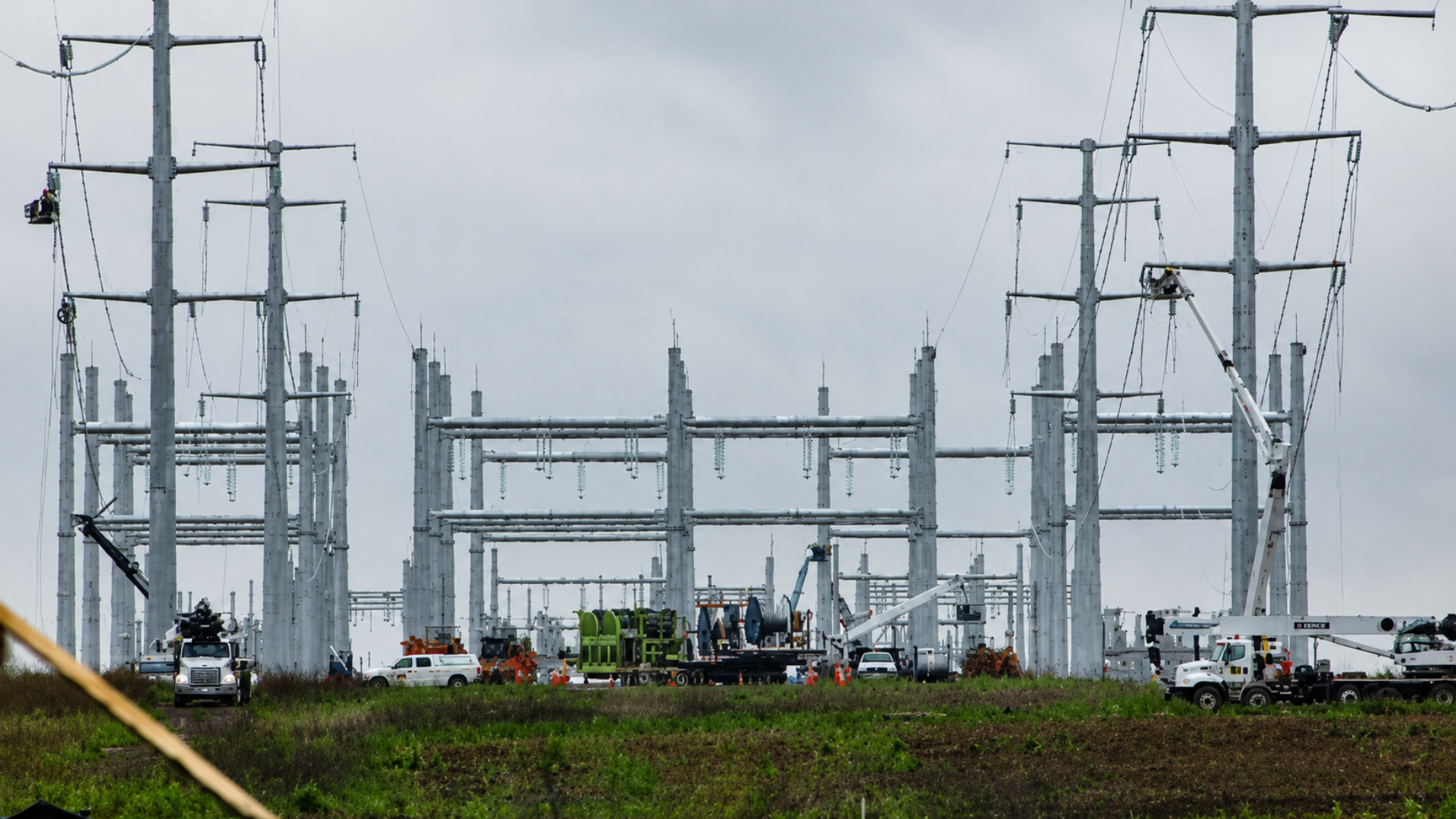
Hot weather is not the only thing straining this grid. Electricity demand is rising for the first time in decades, driven by artificial intelligence, cryptocurrency mining, and a broader shift toward electric devices and vehicles. Some large tech companies are now building their own power supply rather than compete for space on the public grid. States, meanwhile, are competing against each other for the jobs and investment tied to hosting new power plants.
No Federal Order Can Build a Power Plant Overnight
No federal order can conjure a new power plant overnight. Decisions about where plants get built and connected to the grid mostly belong to state regulators and regional operators like PJM, not Washington. The National Governors Association has pushed Congress to speed up that approval process, arguing the country lags behind other developed nations in getting energy projects built. Emergency orders can stretch existing supply, but they cannot manufacture new capacity by themselves.
The Forecast Made Its Move. The Grid Answers Next.
This emergency was declared before a single outage happened, which says something about how close officials think the margin really is. The coming heat wave will test whether looser rules, backup generators and faster orders can actually keep pace with rising demand, or whether they only delay a harder reckoning. Thirteen states and one grid operator are about to find out together. The forecast has already made its move. The grid gets to answer next.