U.S. Measles Cases Near 4,000 as New York Declares a Statewide Emergency

A disease many Americans associate with the past is once again disrupting communities, sending patients to hospitals and prompting emergency action. Measles outbreaks are spreading across several states, with some communities experiencing far more infections than others. The situation has become serious enough for New York to take extraordinary steps to help health workers respond. Behind that decision is a national outbreak whose scale has changed rapidly in recent weeks, raising questions about how effectively the country can contain a highly contagious virus.
The Virus Can Spread Before Anyone Notices

Measles isn’t transmitted only through close physical contact. An infected person can release the virus into the air simply by breathing, coughing or sneezing, and it can remain infectious in a room for up to two hours after that person leaves. New York health officials say up to 90% of people without immunity who are exposed can become infected. Someone can also spread measles before developing its recognizable rash, making early detection particularly important.
What Starts Like A Cold Can Become Serious

The first symptoms often resemble an ordinary respiratory illness: fever, cough, runny nose and red, watery eyes. Several days later, a rash typically begins around the face and spreads downward. But measles can cause much more than temporary discomfort. Complications include pneumonia, brain swelling and, in severe cases, death. Infection during pregnancy can also increase the risk of miscarriage or premature birth. These risks help explain why public health officials are treating the expanding outbreaks as more than routine childhood illnesses.
The National Numbers Have Climbed Sharply

The Centers for Disease Control and Prevention recorded 3,887 confirmed U.S. measles cases as of October 2, already well beyond the 2,289 cases reported throughout 2025. By October 8, the nationwide count had climbed to 4,080, according to a CDC update reported by CBS News. The increase makes 2026 the country’s worst measles year since the early 1990s. Yet the infections aren’t distributed evenly, and one neighboring state has become especially important to New York’s response.
Pennsylvania Has Been Hit Particularly Hard

Pennsylvania surpassed 1,000 confirmed measles cases in early October, with infections reported across dozens of counties. State figures documented 198 hospitalizations and five measles-associated deaths, including two infants and several people with serious medical vulnerabilities. The outbreak has also affected adults, with the largest numbers of cases occurring among people ages 25 to 49. Its proximity to New York has added urgency to efforts to prevent further transmission across communities and state borders.
New York Has Declared A Statewide Emergency

On October 5, Governor Kathy Hochul signed Executive Order No. 65, declaring a statewide disaster emergency through November 4. New York had recorded 108 measles cases through October 3, including 92 since July 15 among under-immunized rural communities across 18 counties. The declaration doesn’t mean every part of New York is experiencing an outbreak. Instead, it gives state and local agencies additional authority and resources to respond before more infections occur.
The Emergency Changes Who Can Help
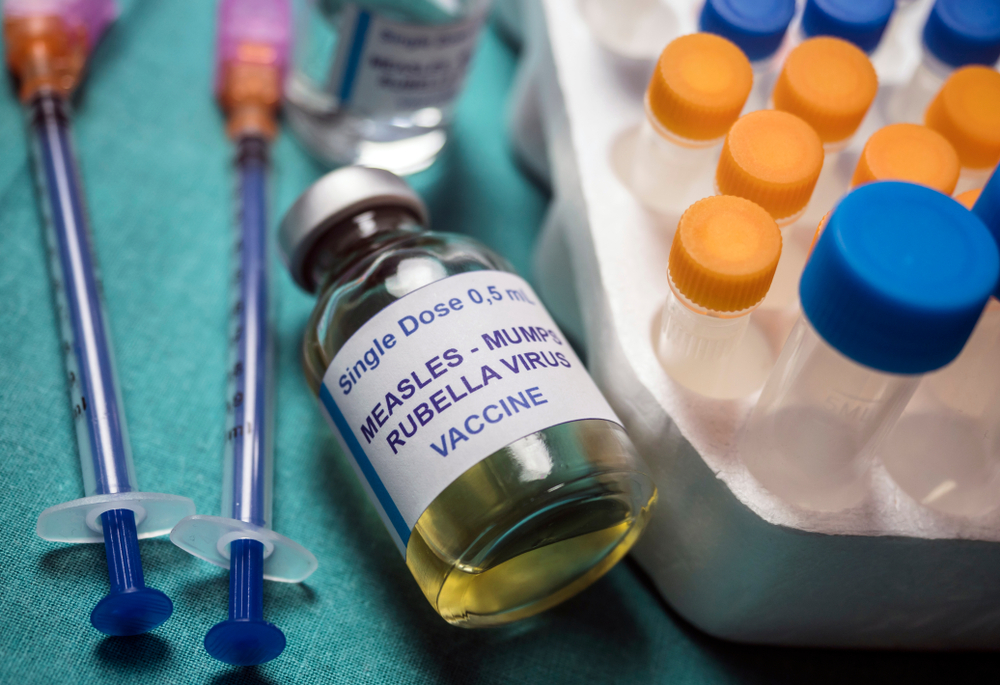
One immediate effect is making vaccination and testing services easier to deliver. The order expands who can administer measles vaccines to include eligible paramedics, advanced emergency medical providers, midwives and pharmacists, with specific conditions. Pharmacists can administer MMR vaccines to children ages two and older under the emergency provisions. Registered nurses also receive expanded authority to order certain measles tests. These changes are intended to help communities respond more quickly without relying exclusively on traditional vaccination appointments.
Falling Vaccination Rates Leave Communities Exposed

Measles spreads most easily where too few people are protected. U.S. kindergarten MMR vaccination coverage declined from 95.2% during the 2019–2020 school year to 92.5% in 2024–2025. Public health experts generally point to approximately 95% coverage as important for preventing sustained measles outbreaks. The CDC also reported that 95% of confirmed U.S. patients in 2026 were either unvaccinated or had an unknown vaccination status. That makes closing immunity gaps a central part of the response.
Families Can Take Practical Steps Now

New York health officials recommend checking vaccination records, particularly before travel or when living near an outbreak. Two recommended MMR doses provide approximately 97% protection against measles, compared with 93% after one dose. Children normally receive their first dose at 12 to 15 months, although babies ages six to 11 months may receive an early dose when traveling or facing increased exposure risk. Anyone experiencing possible measles symptoms should call a healthcare provider before arriving in person, allowing staff to reduce exposure risks.
The Next Few Weeks Will Matter
New York’s emergency measures are scheduled to remain in effect until November 4, while health departments continue tracing exposures, monitoring infections and expanding vaccination access. Another development is approaching: the Pan American Health Organization is expected to review whether sustained transmission threatens the United States’ measles-elimination status, achieved in 2000. The immediate challenge is containing active outbreaks, but the longer-term test will be whether communities can rebuild enough protection to prevent measles from becoming a recurring threat.