US Lawmakers Want EV Owners to Pay $130 Annually to Cover Road Repair Costs
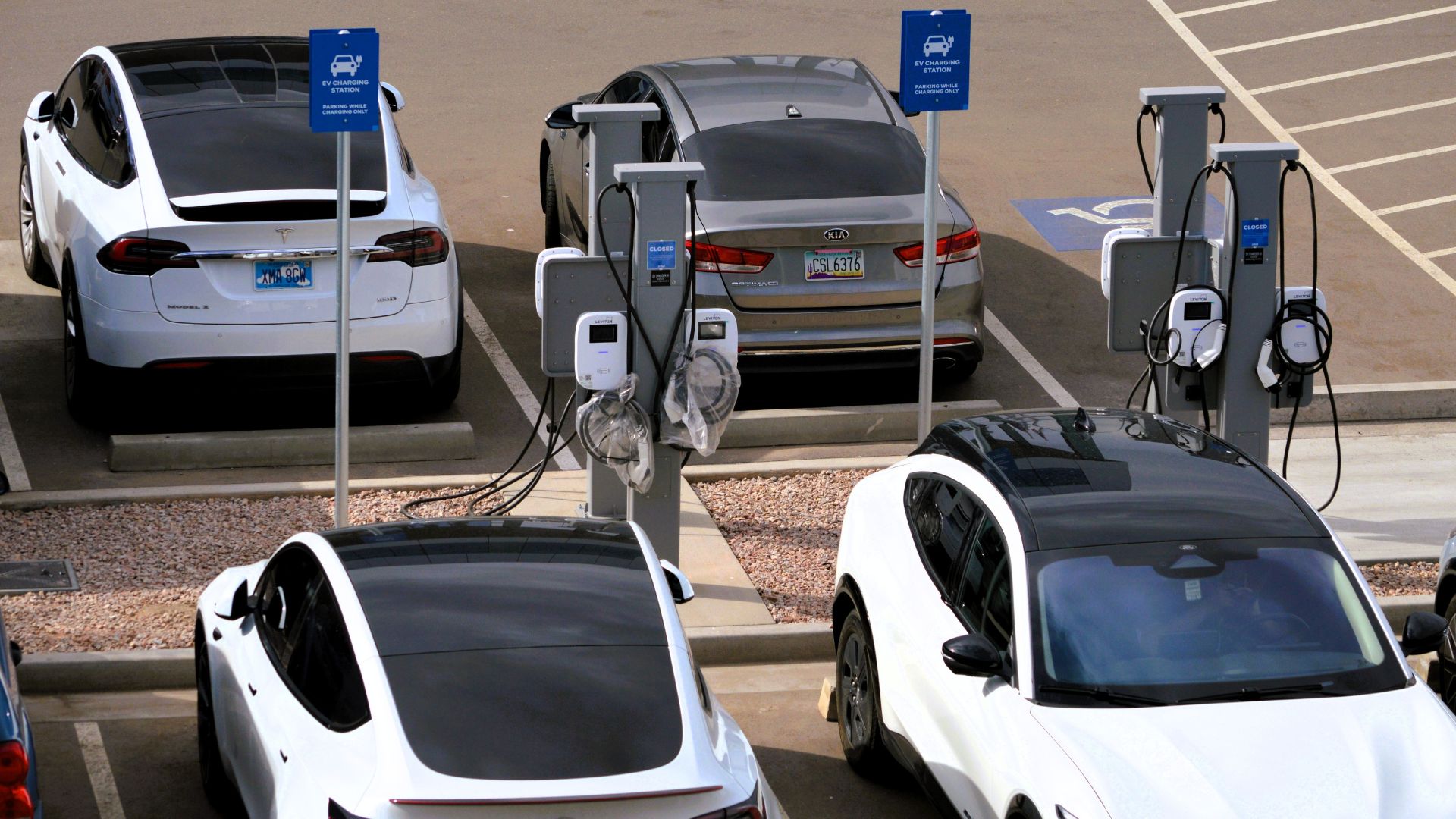

Every time a driver fills up a gas-powered car, a slice of that purchase goes toward repairing America’s roads. Electric vehicle owners skip that cost entirely. Now, bipartisan House lawmakers want to change that with a $130 annual fee for EV owners and $35 for plug-in hybrid drivers. The proposal is part of a sweeping five-year transportation bill, and it’s already sparking a fight over what’s fair.
The Bill Behind the Fee
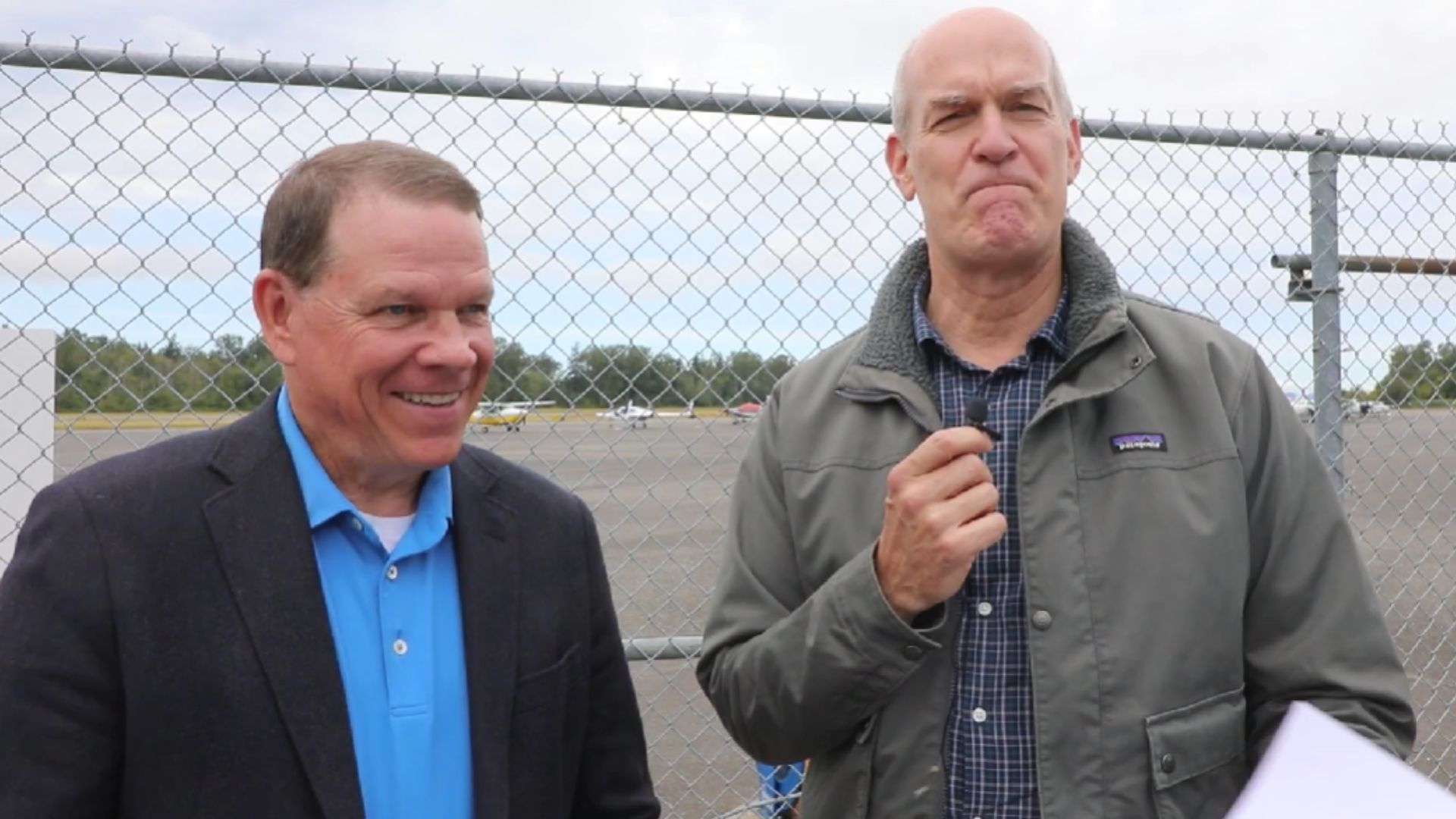
The proposed charges are part of a major piece of legislation called the BUILD America 250 Act, a five-year Surface Transportation Reauthorization bill that would authorize $580 billion for roads, bridges, rail, and other infrastructure. House Transportation Committee Chair Sam Graves (R-Mo.) and ranking Democrat Rick Larsen (D-Wash.) announced a deal on the bill in May 2026, with the committee expected to take it up shortly after. The EV fee is one of its most debated provisions.
Why EVs Are Being Targeted

The federal Highway Trust Fund finances highway projects through taxes collected on gasoline and diesel purchases. Since EVs run entirely on electricity, their drivers contribute nothing to this fund. As EV adoption grows, that gap widens. According to Rep. Graves, the fee is designed to ensure EV owners begin paying their share for the roads they use. It’s a straightforward application of what transportation policy calls the “user pays” principle.
How the Fee Would Grow Over Time

The $130 annual fee for EVs and $35 for plug-in hybrids would hold steady at first, then rise. Starting in 2029, the fee would increase by $5 every two years. Under the bill’s language, those increases would be capped at $150 for full EVs and $50 for plug-in hybrid models. The graduated structure is meant to phase in costs gradually rather than hitting drivers with a large increase all at once, giving owners time to adjust to the new expense.
Three Decades of Inaction on Road Funding

Congress has gone more than 30 years without raising the federal gas tax, leaving a persistent funding shortfall for road repairs. Since 2008, more than $275 billion has been transferred from the general federal budget to keep highway projects moving, including $118 billion from the 2021 infrastructure law. That reliance on general funds has been widely criticized as unsustainable. The EV fee is one attempt to diversify the revenue stream before the current transportation law expires on September 30, 2026.
How This Stacks Up to Earlier Proposals
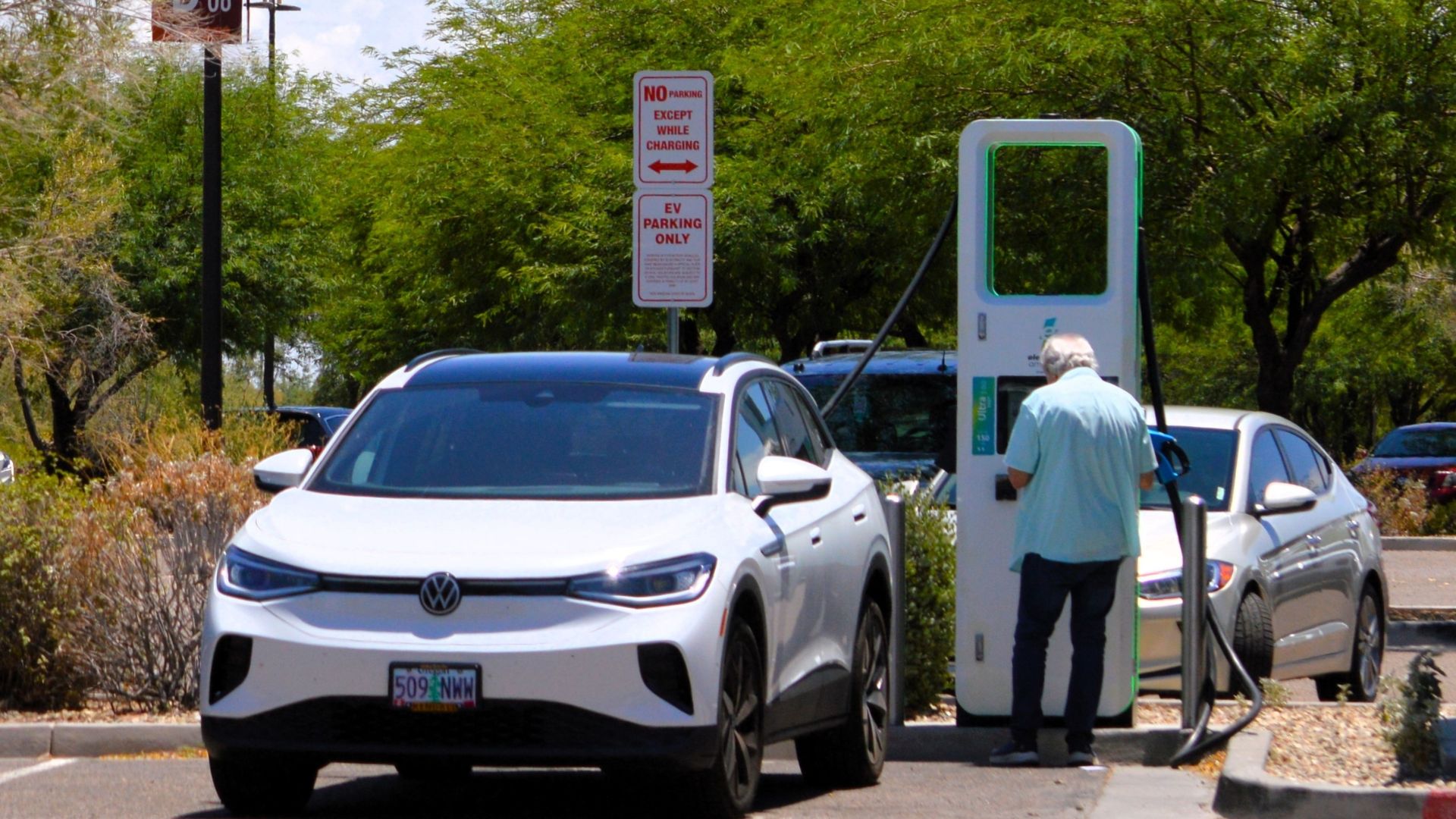
The $130 fee is considerably lower than what some Republican senators floated in February 2025, when a group proposed a $1,000 tax on EVs for road repair costs. EV advocates have pushed back on both figures. The Electrification Coalition, an EV advocacy group, previously argued that a $250 EV fee was unfair, pointing out that the average gas-powered vehicle contributes only about $88 per year in federal gas taxes. By that measure, the $130 fee would exceed what most gas car drivers actually pay.
Environmental Groups Sound the Alarm

The Sierra Club came out against the bill, criticizing both the EV fee and broader provisions it says would harm clean transportation. The environmental group argued the legislation would slash funding for electric vehicle charging infrastructure, describing the fee as an irresponsible burden on EV and plug-in hybrid drivers. The bill does include $1 billion for EV charging stations, a provision Rep. Larsen highlighted as evidence that the measure balances new fees with continued investment in clean vehicle infrastructure.
Autonomous Vehicles Get New Rules, Too

Beyond EV fees, the bill tackles the growing presence of self-driving commercial vehicles on American roads. It would require the U.S. Department of Transportation to issue performance-based safety standards for autonomous buses, trucks, and other commercial vehicles within two years. Passenger cars are excluded from these rules. One notable requirement: autonomous school buses carrying children would still need a human operator on board, a provision reflecting public concern about the safety of fully driverless vehicles in sensitive situations.
The Road to Passage Is Far From Clear

Even if the bill clears the House, Senate approval is far from guaranteed. Senate Democrats may resist the EV fee provision, and some lawmakers have acknowledged that reaching a final deal before the September 30 deadline will be challenging given the pressures of the 2026 midterm election cycle. Political timing matters here. Contentious votes on fees and taxes tend to stall in election years, and both parties will be calculating how the bill’s provisions play with voters back home.
A Fee That Reflects a Bigger Debate

The $130 EV fee is a small number attached to a much larger question: who pays for America’s roads as the country moves away from gasoline? Gas taxes built the modern highway system, but they were never designed for an era of electric vehicles. Whether this fee is a fair correction or an unfair penalty on drivers making environmentally conscious choices is a debate that will shape transportation policy for years. The answer Congress lands on will set the tone for how the US funds its infrastructure going forward.